The 9 Best Turbidity Meters
Updated by · How we research

Infrared and white-light turbidity meters compared on range, calibration standards and saved readings, from brewing testers to lab units. The Apera TN400 leads. When users buy our independently chosen editorial recommendations, we may earn commissions to help fund the Wiki.
A turbidity meter shines light through a vial of water and counts how much of it the floating particles scatter sideways, in units called NTU. It tells you how cloudy water is, not whether it's safe to drink. These handheld meters suit well owners, brewers, pond and aquarium keepers, teachers, stream volunteers and plant operators.


Editor's Notes
October 27, 2026, by Ezvid Wiki Editors:
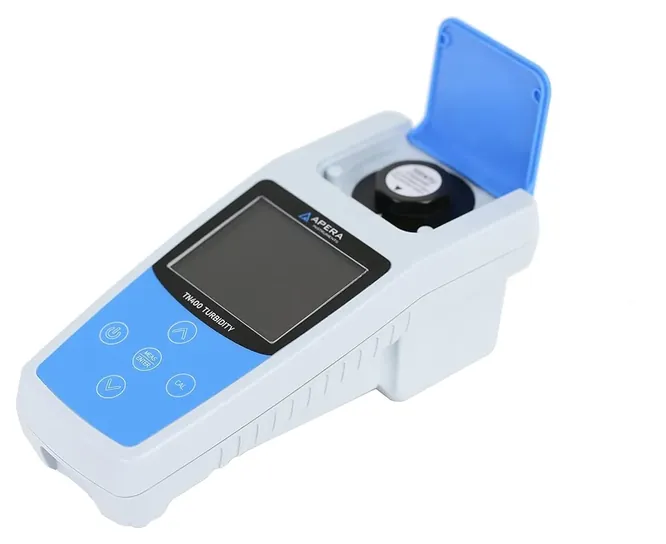
The Apera TN400 keeps the top spot. It pairs an infrared light with a complete polymer calibration kit for well under the price of a lab instrument, and it has the steadiest record of any meter we looked at.
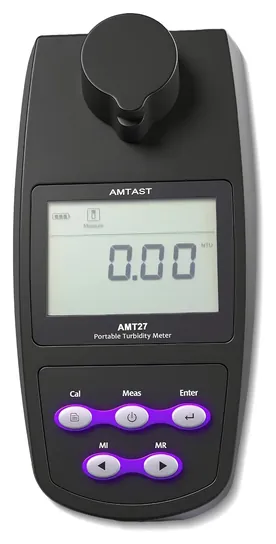
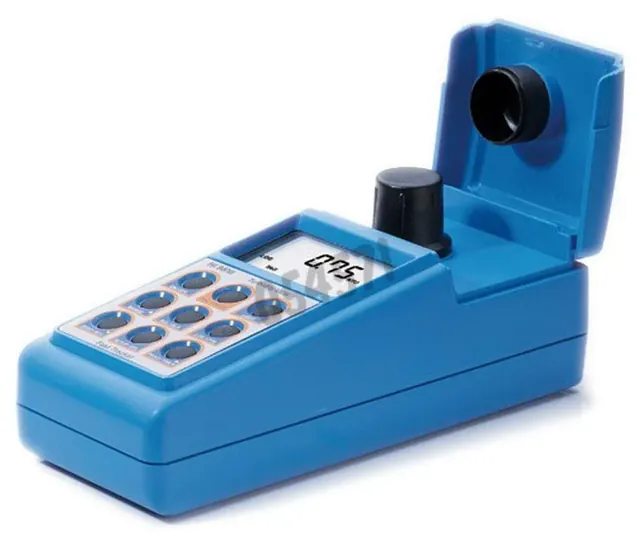
Four old picks are gone. The Baoshishan and the LaMotte 7519 have disappeared from sale, and the VTSYIQI benchtop asked a lab-grade price with nothing to back it up. The Hach 2100Q, the meter many field crews carry, is currently unavailable from our main seller, so it now sits in special honors. The Sper Scientific 860040, Amtast AMT27 and Hanna HI 98703 stay.
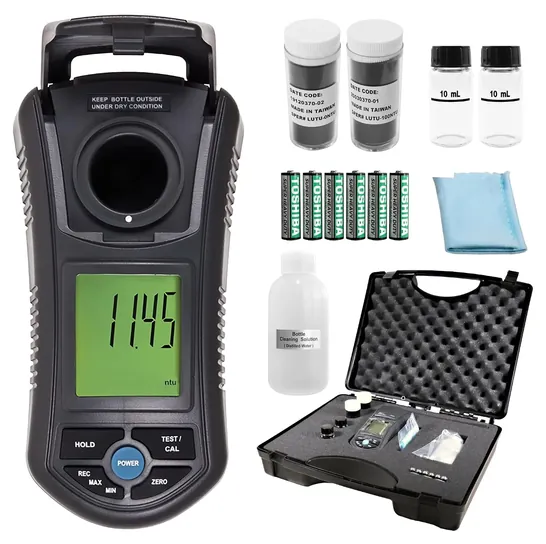
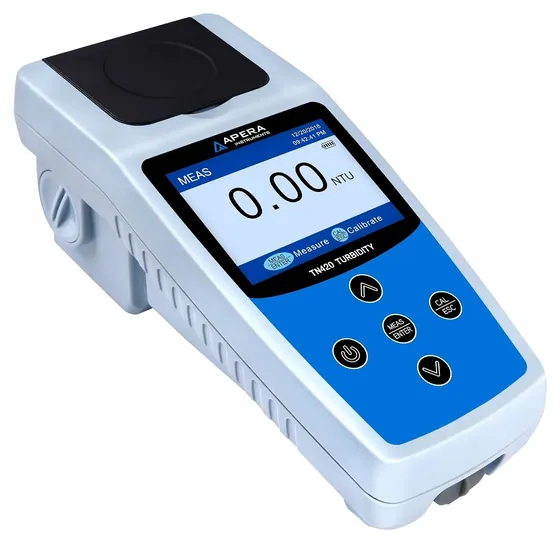
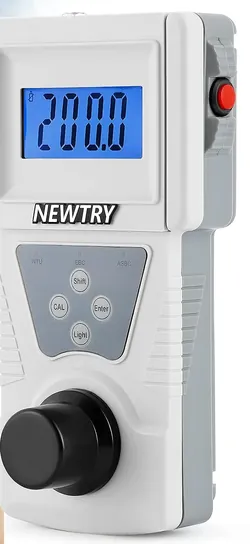
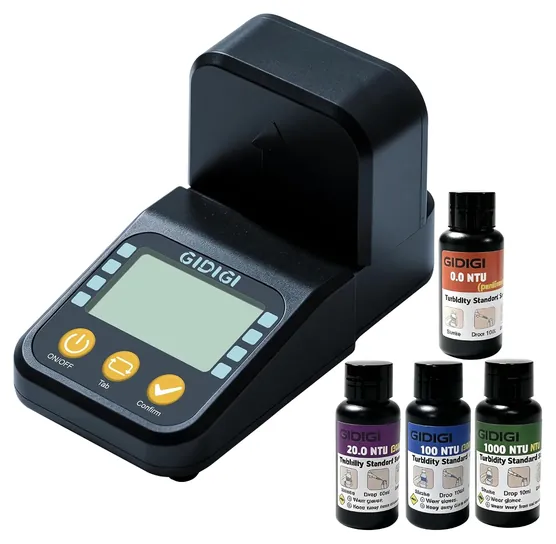
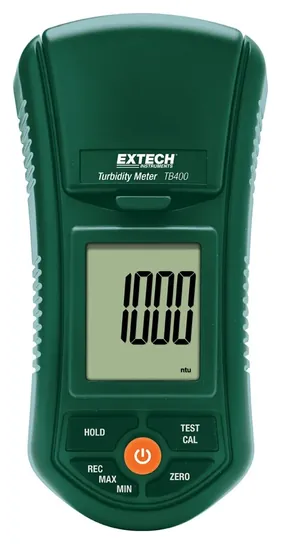
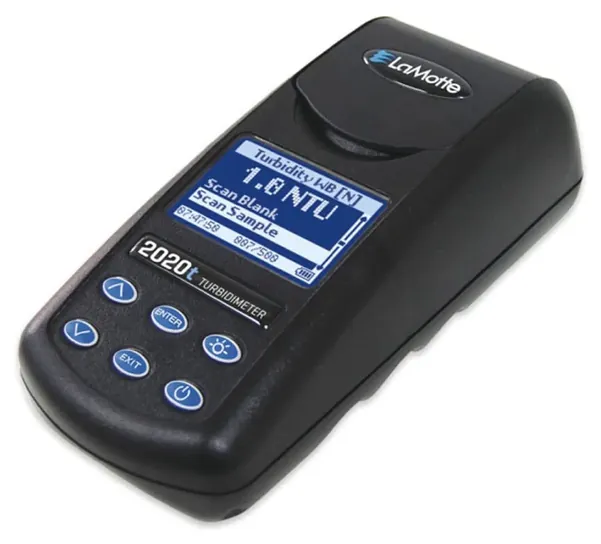
New this time are the Apera TN420 for labs that need a white-light meter, the NEWTRY SGZ-200BS for brewers and fish keepers, the GIDIGI GX-T1 as a classroom kit, the Extech TB400 and the LaMotte 2020t. The deciding evidence was the light source each maker documents, read against the EPA's Method 180.1 and the ISO 7027 infrared standard, along with what ships in each calibration kit.
Earlier notes
April 2, 2020, by Jack Mclennan:
Measuring the turbidity of lakes, streams, or rivers is extremely important, and often the first step in knowing if a water source is drinkable. It's also crucial for discerning whether a stream, river, lake, or pond is sustainable for aquatic life, as it shows the amount of algae, microorganisms, sediment, and other particulate present in the sample. Turbidimeters can also be used in the wine making process to discern the stabilization of wine and thus its suitability for bottling.
It's important to also keep in mind which standard you need your meter to meet. There are the United States Environmental Protection Agency's Method 180.1 and the International Standardization Organization's 7207. Mainly, the former standard is used in the United States, while the latter is recognized throughout the world.
You should also know the application you would like to use it for before purchasing. Some of our models have smaller handheld designs which enable you to take them into the field, while others are benchtop builds best suited for a laboratory.
If you only need to test a limited number of samples, you might want to go with our cheapest option, the LaMotte 7519-01. It consists of just two vials, one of which you release an included liquid into in order to measure against the other, to test the turbidity manually. Of course, this will yield a much more general number, as the readings are not nearly as accurate as the other models on our list with photovoltaic sensors.
For those looking for something more affordable you can take to a local stream, try the Sper Scientific Turbidity Meter. It comes with all you need to start making accurate measurements.
Finally, if you are working in a lab setting, you'll want to check out the Vtsyiqi Standard Benchtop Turbidimeter or the Baoshishan Turbidity Meter. Both are highly accurate benchtop meters that can switch between all 4 turbidity units of measurement including NTU, FNU, EBC and ASBC.
Special Honors
Hach 2100Q Portable Turbidimeter The Hach 2100Q is the portable meter many water utilities and field crews carry. It is built to EPA Method 180.1, reads up to 1,000 NTU, guides calibration on screen and keeps a log of hundreds of readings. It's sold through Hach and lab distributors, and it costs more than most meters on this list. hach.com
Infrared Or White Light: Two Standards, Two Kinds Of Meter
It sends a beam through a glass vial and measures the light bounced off at a right angle by silt, clay, algae and microbes.
Every meter here works the same basic way. It sends a beam through a glass vial and measures the light bounced off at a right angle by silt, clay, algae and microbes. The difference is the light. White-light meters use a tungsten lamp, the setup described in EPA Method 180.1, which most U.S. water plants follow when they report turbidity. Infrared meters use a near-infrared LED as laid out in ISO 7027, the method common in Europe, and report in FNU instead of NTU (Wikipedia: Turbidity).
The choice matters for two reasons. First, color: the EPA method notes that dissolved color pushes readings down (EPA Method 180.1, PDF), and infrared light is less affected by brown, tea-colored water from bogs or leaf litter. Second, paperwork: if you file results with a regulator, use a meter built to the method your permit names, such as the tungsten-lamp Apera TN420. For a creek survey, a pond, a brew or a well, infrared is the simpler choice, and the two scales read close enough for trend tracking, though not interchangeably.
Calibration Standards, Vials And The Small Errors That Add Up
A turbidity meter is only as good as its last calibration. Kits come with sealed standards of known cloudiness. Two-point kits check zero and one mid value; four- and five-point kits also check the high end, which matters if you measure storm runoff or muddy samples. Apera lists standards from 0 to 800 NTU for its white-light meter and gives them about a year of shelf life (Apera TN420). Polymer standards are the easy option for home and classroom use, while the traditional formazin is made from hazardous chemicals and is best left to labs.
The vial causes more bad readings than the meter does. Fingerprints, scratches, water spots and tiny bubbles all scatter light and push the number up, and the EPA method warns that fine air bubbles raise results (EPA Method 180.1, PDF). Handle vials by the cap, wipe them with a lint-free cloth, line up the index mark the same way each time, and invert the sample gently instead of shaking it. Many kits include silicone oil to fill fine scratches on the glass.
What A Reading Means, And What It Can't Tell You
Turbidity is a measure of clarity, nothing more. The USGS says rivers at low, steady flow usually read under about 10 NTU, and rainstorms push that much higher as runoff carries in sediment. Treated drinking water has to be far clearer: plants that use conventional filtration must keep filtered water at or below 0.3 NTU in at least 95 percent of monthly samples (eCFR, 40 CFR 141.551).
A low reading doesn't mean water is safe. Turbidity says nothing about dissolved metals, nitrates or germs, though the USGS notes that particles can shelter pathogens and make disinfection less effective. Well owners should still send samples to a certified lab for bacteria and chemistry. Where a meter earns its place is in tracking change: a cloudier well after heavy rain, a filter that's due for a new cartridge, a pond after a bloom, or a beer that hasn't cleared yet. For those jobs, a budget meter with a 200 NTU ceiling is plenty, and a 1,000 NTU range is worth it only if you sample muddy runoff.
How we researched this
We compared 14 current turbidity meters and read the makers' and distributors' spec pages for the 9 finalists, along with EPA Method 180.1, the federal drinking-water turbidity rule and USGS guidance on what readings mean. We screened owner feedback for repeated problems and checked each brand against recall databases. We found no independent lab comparison of portable turbidity meters. Updated October 27, 2026 by Ezvid Wiki Editors.
Sources (9)
- Apera Instruments: TN420 portable white-light turbidity meter
- Apera Instruments: TN500 white-light turbidity meter kit
- Hanna Instruments UK: HI98703 turbidity meter
- NEMI: EPA Method 180.1, Turbidity by Turbidimeter
- U.S. EPA: Method 180.1 (1993), PDF
- eCFR: 40 CFR 141.551
- USGS Water Science School: Turbidity and Water
- Wikipedia: Turbidity
- Hach: 2100Q portable turbidimeter
Frequently asked questions
What is a turbidity meter?
A turbidity meter, or turbidimeter, measures how cloudy a liquid is. It shines light through a sample vial and reads how much is scattered sideways by suspended particles, then shows the result in NTU or FNU.
What is the difference between NTU and FNU?
NTU comes from white-light meters built to EPA Method 180.1, which U.S. water plants use. FNU comes from infrared meters built to ISO 7027, common in Europe. They read close to each other on most samples, but they aren't strictly interchangeable.
What is a normal turbidity reading?
The USGS says rivers at low, steady flow are usually under about 10 NTU. Filtered drinking water is far clearer, generally well under 1 NTU. Readings after storms can run into the hundreds.
Can a turbidity meter tell me if my water is safe to drink?
No. It measures clarity only. Clear water can still carry bacteria, nitrates or metals, so send well water to a certified lab for a full test.
How often should I calibrate a turbidity meter?
Follow the maker's manual. Many users check calibration before each sampling day and recalibrate when a check standard reads off. Replace standards when they expire, usually after about a year.
Is a cheap turbidity meter good enough?
For brewing, aquariums, ponds and well checks, a budget meter is enough to track change over time. Regulatory reporting needs a meter built to the approved method, plus a lab-style calibration routine.