The 9 Best Moisture Meters
Updated by · How we research

Pin, pinless and two-in-one moisture meters for walls, wood and firewood, compared on depth, scale and price. The Klein Tools ET140 leads for leak hunting. When users buy our independently chosen editorial selections, we may earn commissions to help fund the Wiki.
On drywall and plaster, a moisture meter's number is not a true percentage. It's a relative score, so it only means something next to a reading from a dry section of the same wall. Wood is different: set the species, and a good meter gives real moisture content. These picks suit leak hunting, home inspections, woodworking and firewood.


Editor's Notes
November 1, 2026, by Ezvid Wiki Editors:
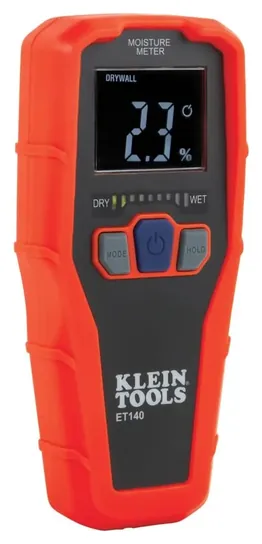
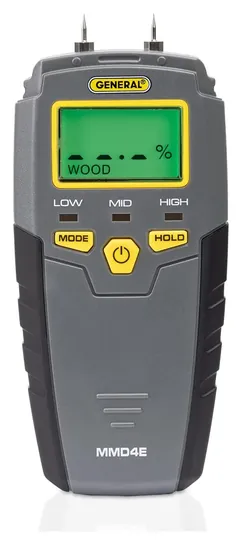
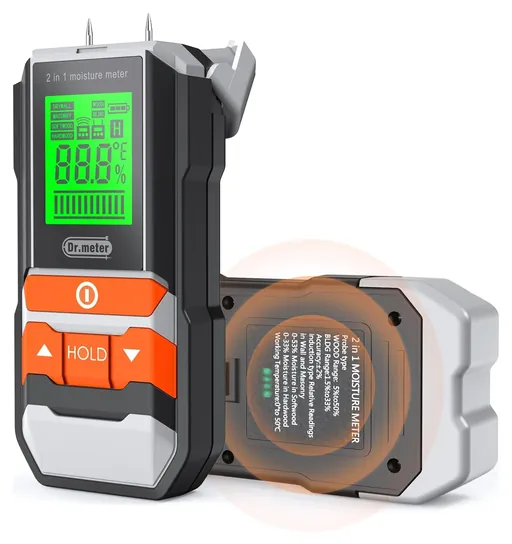
First choice now goes to a pinless scanner, the Klein Tools ET140. Most people shopping for a moisture meter are chasing a leak, and a scanner like it finds the wet patch in a wall without poking holes in it. The General Tools MMD4E stays as the low-cost pin meter for confirming a spot or checking lumber, and the Dr.meter MT1905 is new, for anyone who wants both kinds in one tool.
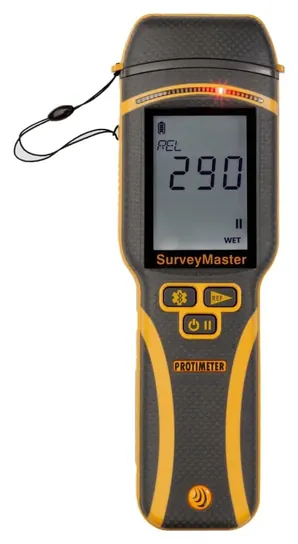
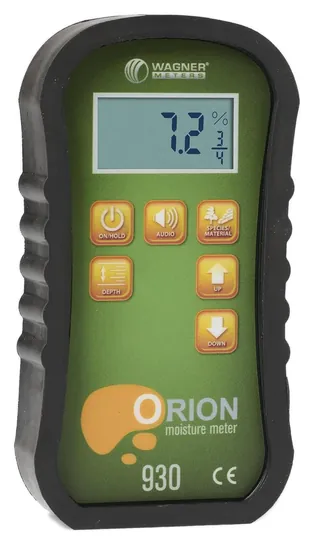
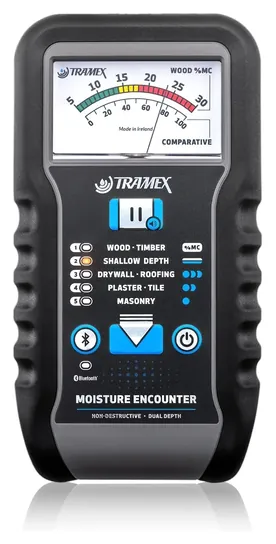
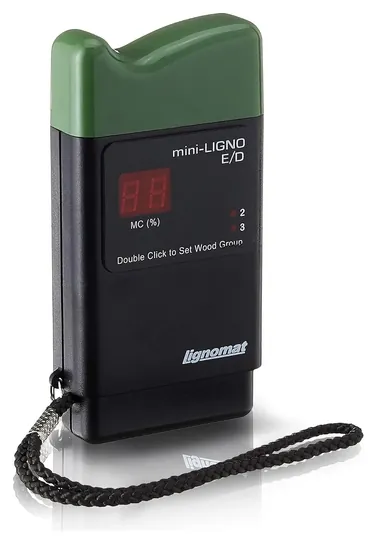
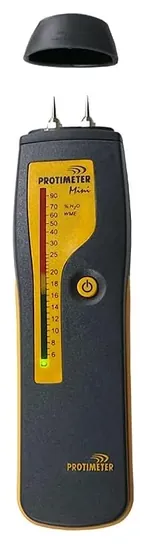
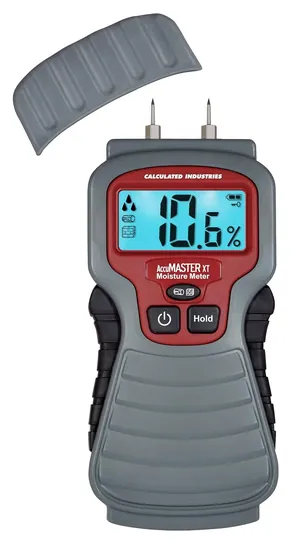
The Protimeter Surveymaster stays in its newer two-mode version, and the Tramex Moisture Encounter ME5, Lignomat Mini-Ligno and Calculated Industries AccuMaster XT stay too. We added the Wagner Meters Orion 930 for wood floors and the Protimeter Mini for trades. The Dr. Meter MD918 is gone from sale, the Amphenol Thermometrics BLD2000 is no longer listed, the iPower 3-In-1 is a garden soil tester, the Extech MO257 had too little behind it for its price, and the General Tools MMD7NP was too close to the Klein to earn a spot.
The firmest evidence came from an old Forest Products Journal study that checked pin and pinless wood meters against oven-dried boards, plus InterNACHI's and the meter makers' guidance on where each type goes wrong.
Earlier notes
December 17, 2020, by Brett Dvoretz:
During this latest update we analyzed our previous recommendations to ensure they were still continuing to prove themselves reliable over time, as well as looked at the various other models available on the market to see if there was anything new worth including. Based on this research, we determined that there was only one model that should be replaced for another. We decided to remove the Tramex MEP in favor of its newest iteration, the Tramex MEP5. While both are very accurate, the latter has a more rugged build and offers Bluetooth functionality, allowing you to connect it with an associated smartphone application for a better visual representation of the results.
April 30, 2019, by Sam Kraft:
Decided to increase the ranking of the Amphenol Thermometrics BLD2000 as it’s value to professional users is apparent. Home inspectors appreciate the clear, sensible way it displays the moisture level: green to indicate it’s in a good range, yellow to indicate it’s too wet, and red to suggest that the water level is high enough that rotting could be an issue.
Also added the Calculated Industries AccuMaster as a versatile, high-value option that can be operated with or without pins. Some users have expressed that the pins could be more durable, but most are impressed with its accuracy and ease of operation. Included the iPower 3-In-1 to provide a model tailored to gardeners; it’s rather basic and can be tough to read due to the small markings on its face, but users seem generally satisfied for the low price.
Had to eliminate the Liumy Detector and the Wagner MMC210 because of availability issues. We replaced the Dr. Meter Tester with the Dr. Meter Intelligent, the latest version of the product. User reports indicate that the new model is an upgrade, with an improved calibration process and the ability to work with a wide range of wood types and thicknesses.
Special Honors
FLIR MR277 Restoration pros who want to see moisture before they measure it can look at the FLIR MR277. It pairs a thermal camera, which shows cool, damp areas behind a wall as a color image, with pin and pinless moisture sensors and a humidity probe. It costs far more than any meter on this list. flir.com
Delmhorst Delmhorst has made pin moisture meters for lumber mills, woodworkers and building pros for decades, and its meters are sold mainly through tool dealers. Its site also has species correction tables and plain guides to pin and pinless readings. delmhorst.com
Pin Or Pinless, And Why Inspectors Carry Both
The Tramex ME5 goes deeper on its second setting, and the Wagner Orion 930 reads at a quarter inch and three-quarters of an inch.
A pin meter sends a small current between two metal tips pushed into the material and reads the resistance. In wood, with the right species setting, that becomes a true moisture-content percentage, and it tells you the reading at the depth of the pins. The cost is two small holes per test, and short uninsulated pins pick up wetness at the surface as well as deeper down (Delmhorst).
A pinless meter rests a flat sensor on the surface and reads an electromagnetic signal through the top layer, about three-quarters of an inch for most handheld models. The Tramex ME5 goes deeper on its second setting, and the Wagner Orion 930 reads at a quarter inch and three-quarters of an inch. Pinless meters leave no marks and cover a wall in seconds, but the number depends on the material's density, so it is a true percentage only in wood with the density set (Wagner Meters).
InterNACHI, the home inspectors' association, recommends meters that can do both, and the usual routine is to scan with the pinless side to find the wet area, then confirm with pins (InterNACHI). Homeowners can get the same result with a cheap two-in-one or one meter of each kind.
Reading Walls, Ceilings And Leaks Without Fooling Yourself
On drywall, plaster and masonry, pinless meters show a relative score. Take a baseline on a section you know is dry, then compare. A wet patch reads well above the baseline and fades as you move away from the source, which is how inspectors trace a roof or plumbing leak back along a ceiling or wall.
Metal fools pinless meters. Pipes, wiring, steel studs, metal lath and foil-backed insulation all push readings up. If a high spot follows a straight line or sits at stud spacing, suspect metal and confirm with pins (InterNACHI). Condensation on a cold surface can also inflate a pinless reading, and Wagner Meters puts that error at 10 to 20 percent (Wagner Meters). Don't push pins into a wall where wiring may run.
A moisture meter does not detect mold. It shows where materials are wet, which is where mold can start. The EPA says wet building materials should be dried within 24 to 48 hours to prevent mold growth (EPA). For an insurance claim or a home sale, a professional report usually counts for more than a hobby meter's reading.
Wood, Floors And Firewood: Getting A True Percentage
For wood, set the meter correctly. Pin meters need the species or species group, and some readings also need a temperature correction from the manual. Pinless meters need the wood's specific gravity (Delmhorst). With that done, good meters agree closely with the lab method. A Forest Products Journal study of more than 150 kiln-dried samples found pin and pinless meters averaged within about a point of oven-dry moisture (WOODWEB). A single reading can still be off, so take several.
Budget meters work as screening tools. A comparison site that sells meters puts low-cost models at roughly 5 percentage points either way, and its own wood-meter tests rank four Wagner Orion models at the top (Moisture Meter Experts). For flooring and furniture work, a meter with species settings and a calibration check pays for itself.
For firewood, split a piece and test the fresh face, not the outside. The EPA's Burn Wise program advised burning wood only at 20 percent moisture or less (EPA Burn Wise). Any pin meter here can tell you that, and the AccuMaster XT's low, medium and high icons answer it at a glance.
How we researched this
We compared 19 moisture meters, from budget pin and pinless models to the scanners inspectors and restoration crews use, and read makers' spec sheets, manuals and dealer pages for the nine finalists. We weighed an oven-dry accuracy study of wood meters, guidance from InterNACHI, the EPA and the meter makers, and owner feedback, and checked every brand against Consumer Product Safety Commission recalls.
Sources (15)
- Klein Tools: ET140 pinless moisture meter
- Klein Tools: ET140 instruction manual
- General Tools: MMD4E manual
- Tramex: Moisture Encounter ME5
- Wagner Meters: Orion meters and warranty
- Wagner Meters: pin vs pinless meters
- Delmhorst: when to use pin and pinless meters
- Protimeter
- Lignomat
- InterNACHI: moisture meters
- WOODWEB: comparing moisture meters (Forest Products Journal)
- EPA: mold course, chapter 2
- EPA Burn Wise: best wood-burning practices
- FLIR: MR277
- CPSC: recalls
Frequently asked questions
How does a moisture meter work?
A pin meter measures electrical resistance between two tips pushed into the material; wetter material conducts better. A pinless meter reads an electromagnetic signal through the surface. Both convert that into a moisture percentage for wood or a relative score for other materials.
Are pinless moisture meters reliable?
In wood, with the right density setting, yes: an oven-dry comparison found good pinless meters close to the lab result on average. On drywall and masonry they give a relative score, and hidden metal or surface condensation can push readings up.
How do I know if my moisture meter is accurate?
Use its calibration check. Many meters have a cap, built-in test pins or a calibrator block that should give a set reading. For walls, compare against a spot you know is dry, and confirm a high pinless reading with pins.
Which moisture meter is best for walls and roof leaks?
A pinless meter, because it scans a ceiling or wall quickly without holes. Take a dry baseline, then follow the high readings toward the source. Confirm the wettest spot with pins if you can.
Can a moisture meter detect mold?
No. It shows where materials are wet, which is where mold can grow. The EPA says wet materials should be dried within 24 to 48 hours.
How dry should firewood be?
The EPA's Burn Wise program advised 20 percent moisture or less. Split a piece and test the freshly exposed face, since the outside dries first.