The 7 Best SUV Snow Chains
Updated by · How we research

Seven SUV chains and traction socks compared on grip, wheel-well clearance and fitting. The self-tightening Peerless Auto-Trac is our pick for most drivers. When users buy our independently chosen editorial selections, we may earn commissions to help fund the Wiki.
Every set of snow chains fits only a short list of tire sizes, so the first step is reading the size off your sidewall, not picking a brand. Many newer crossovers also leave little room behind the wheel and need slim, low-profile chains. This list is for SUV and pickup owners who face chain controls on mountain roads.


Editor's Notes
October 26, 2026, by Ezvid Wiki Admin:
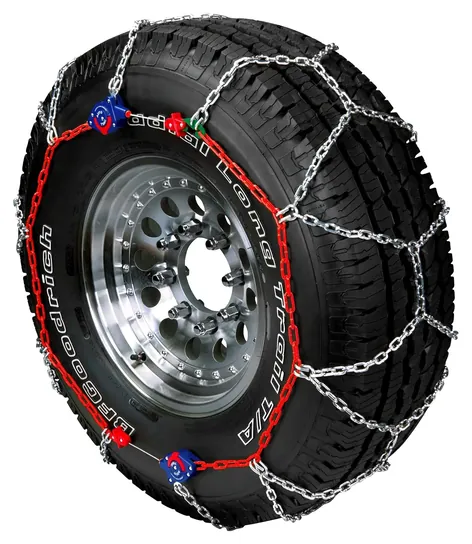
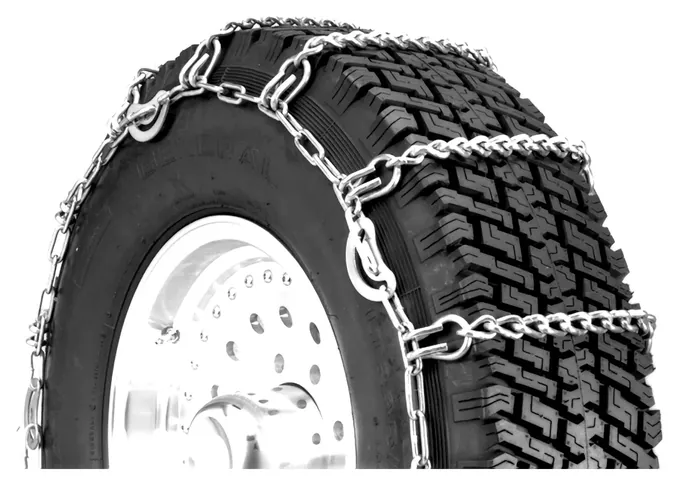
The Peerless Auto-Trac now leads this list. Its ratchets tighten and center the chain as you roll, and in Car and Driver's trial of eight traction devices on a snowy loop in northern Michigan, it gave the best grip when accelerating, cornering and braking. The Konig XG-12 Pro returns in a current size, and the SCC Super Z6 and SCC Quik Grip stay.
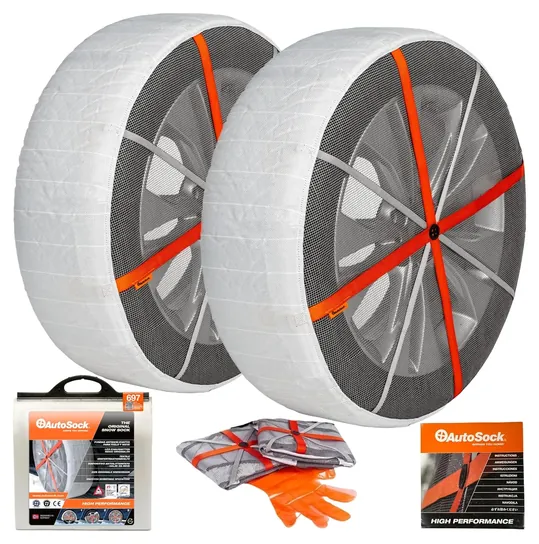
Several old picks had to go. The Spikes-Spider SPXL and Konig XB16 have left the market, the Glacier Chains H2314SLC is nearly gone with no owner record, the Quality Chain Volt LT QV757 has too little feedback to judge, and the Thule K-Summit XXL costs a small fortune and drew breakage reports. The YYUAN Cable Ties were never a traction device. New picks are the AutoSock HP697 for drivers who'd rather not handle steel, the Konig Easy-Fit SUV, and the low-cost SCC SC1040 Radial Chain.
Sizing turned out to be the biggest trap, so we checked each pick's fit chart against common SUV tire sizes and read Caltrans' chain-control rules alongside that Michigan trial.
April 22, 2020:
Removed the Glacier Chains H2821SC and the Konig XG12 Pro because of availability issues. Added the Konig XG-12, the Glacier Chains H2314SLC, the Thule K-Summit XXL, and the YYUAN Cable Ties.
Snow chains like the Spikes-Spider SPXL are very useful and can be legally mandated when driving on unplowed roads. Their effectiveness is limited on particularly deep snow so you should temper your confidence in them when you're thinking about going off-road. One important thing to keep in mind is that most cars have drive wheels and non-drive wheels. That is, most cars do not provide power to all four of their wheels. There are many cars that are 4-wheel drive but most will only provide power to either their front or their rear wheels. Since most snow chains come in sets of two, you need to make sure that you are installing your snow chains on the drive wheels - installing chains on your non-drive wheels without installing them on your drive wheels will do you very little good because if your drive wheels are spinning in place but not moving your car, there is no use in having traction in your non-drive wheels. You should consult your car's manual to determine which wheels get power. If you don't have the manual you can always look under your car to see whether you have a drive shaft going to the back of the car, in which case, the rear tires are getting power.
Always check manufacturer specifications for maximum velocity ratings. Most snow chains will be limited to operation under 30 miles per hour.
October 15, 2018:
The Quality Chain Volt LT QV757 moved their way up to the third spot because of their minimal clearance requirements and overall longevity. We removed the Quality Chain Cobra 1042 as, while they are a good choice for smaller vehicles, we felt their were better options for SUVs and light-duty trucks. The Spikes-Spider SPXL aren't as durable as more traditional methods, but their ease of installation earned them a spot.
Special Honors
Caltrans QuickMap California's free road map shows live chain controls, closures and road conditions on Sierra routes like I-80 and US-50, and it works on a phone. Check it before you leave so you know whether you'll need chains and where the chain-up areas are. quickmap.dot.ca.gov
Start With Your Tire Size And Wheel Well
Next, check the room between the tire and the suspension and fender.
Snow chains are sold by tire size, not by vehicle. Read the size off the sidewall, such as 265/70R17: width, height ratio and rim diameter. Then find that exact size on the chain's fit chart. Each model number covers its own list, so a family like the Peerless Auto-Trac has several numbers for different tires. Car and Driver ran into this in its tire chain trial: the first set it ordered was too tight, and a pair of snow socks was too loose even after the staff checked the charts twice.
Next, check the room between the tire and the suspension and fender. Many crossovers with big wheels leave very little, and the owner's manual may call for low-profile chains, often labeled Class S. Les Schwab's chain guide says to check the manual first, and to put on a practice set at home before the first storm. If the manual says chains aren't allowed at all, a textile sock may be the only option.
Link, Cable Or Fabric
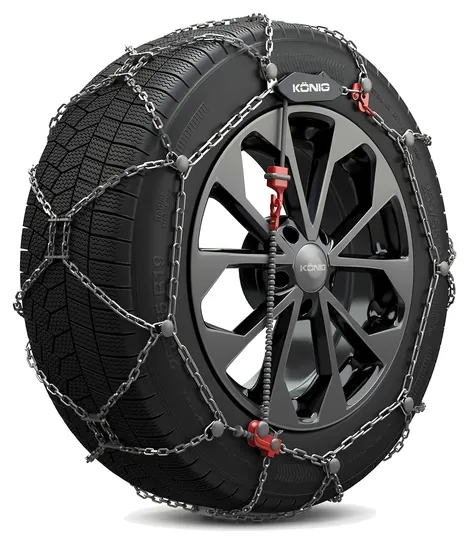
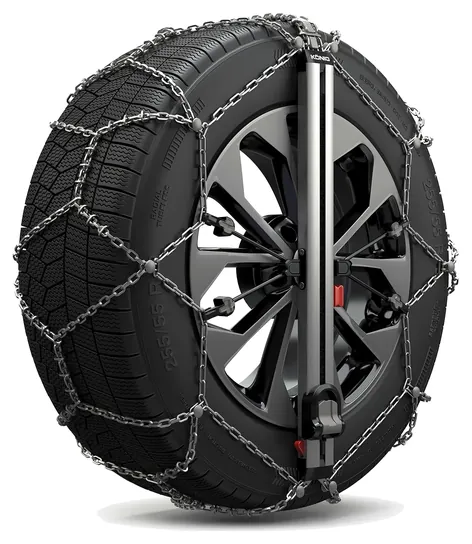
Link chains, made of hardened steel links, give the most grip in deep snow and on ice. They're heavier and need more clearance, and most must be retightened by hand after a short drive. Self-tightening sets like the Auto-Trac and premium sets like the Konig XG-12 Pro use ratchets or bungee cords to stay snug on their own.
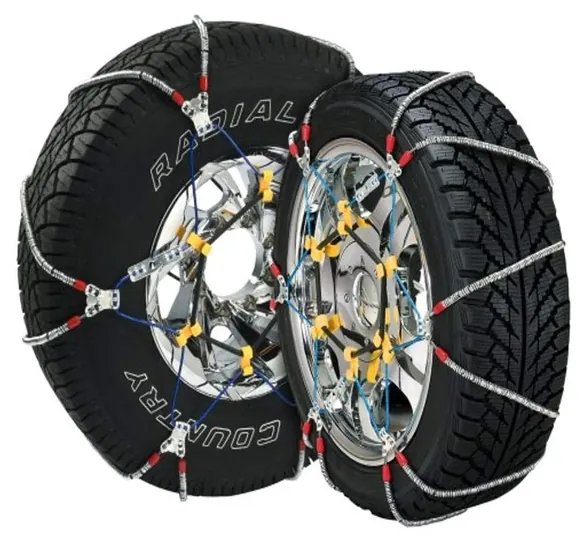
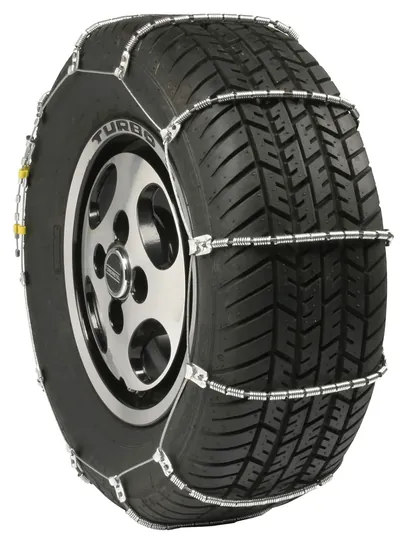
Cable chains are thinner and lighter, which is why they fit tight wheel wells, and they cost less. They grip less on hard ice and wear faster. Textile socks, like the AutoSock, go on fastest and won't hurt alloy wheels, but they give the least extra grip and wear out quickly. Car and Driver found that the best sock improved grip only a little and expected it to last a couple of uses. Cheap rubber strap devices broke in its trial, and it treats traction mats as tools for getting unstuck, not for driving.
Chain Laws, AWD And Driving On Chains
Chain laws vary by state, and some mountain roads post chain controls during storms. California's are a good example. Under Caltrans rules, R-1 requires chains unless your car has snow tires on its drive wheels and weighs under 6,000 pounds; R-2 lets four-wheel and all-wheel drive vehicles with snow tires on all four wheels go without chains, but they must still carry a set; R-3 requires chains on every vehicle. Speed limits under chain controls are 25 or 30 mph, and you must pull fully off the road to put chains on.
Chains go on the drive wheels. On an all-wheel drive SUV, follow the owner's manual, and Car and Driver prefers chains on all four tires if you have two sets. Keep under 30 mph, which is the usual maker limit, and stop to check the fit after the first few hundred yards. Take chains off as soon as the road is bare, since pavement wears out the chain and can damage tires and roads. Rinse and dry them before you store them so they don't rust.
How we researched this
We compared 15 current SUV snow chains and traction socks, read the makers' fit charts and specs for the 7 finalists, used Car and Driver's snow trial of eight traction devices, read Les Schwab's chain guide and Caltrans' chain-control rules, analyzed owner feedback, and checked every brand against the U.S. Consumer Product Safety Commission's recall database. We found no tire chain recalls.
Frequently asked questions
Do I need chains on all four tires of an AWD SUV?
At minimum, put them on the drive wheels your owner's manual names. Car and Driver prefers chains on all four tires of an all-wheel or four-wheel drive vehicle if you have two sets.
Does an AWD SUV have to carry chains?
In California, yes. Under R-2 chain controls, AWD and 4WD vehicles with snow tires on all four wheels may skip chains, but they must carry a set. Other states set their own rules, so check the state transportation department.
How fast can I drive with snow chains?
Most makers set a limit of 30 mph, and California's chain-control limit is 25 or 30 mph. Go slower on rough or icy stretches.
Can I drive on dry pavement with chains on?
No. Take them off when the road is bare. Pavement wears out chains and socks quickly and can damage tires and the road.
Will snow chains scratch alloy wheels?
They can if they're loose or poorly fitted. Some premium chains, like the Konig XG-12 Pro, add nylon bumpers to keep metal off the rim, and textile socks have no metal at all.
Are snow socks legal where chains are required?
AutoSock says its socks are approved traction devices under U.S. chain laws, but rules differ by state, so check before you travel.