The 8 Best Traffic Cones
Updated by · How we research

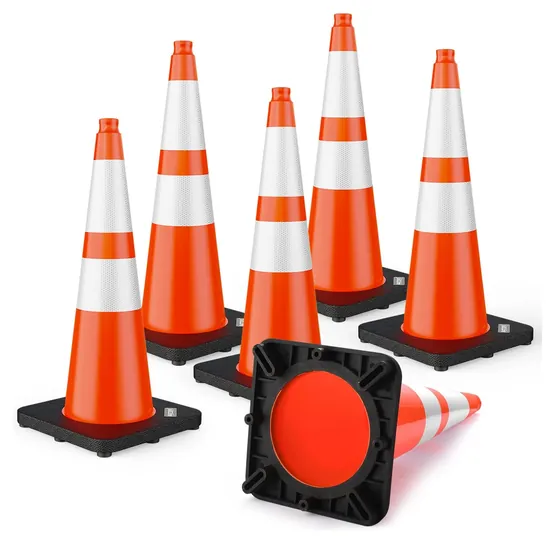
Height, base weight and night bands decide which traffic cones fit a driveway or roadside. The RoadHero Heavy Base leads eight cones and posts compared. When users buy our independently chosen editorial recommendations, we may earn commissions to help fund the Wiki.
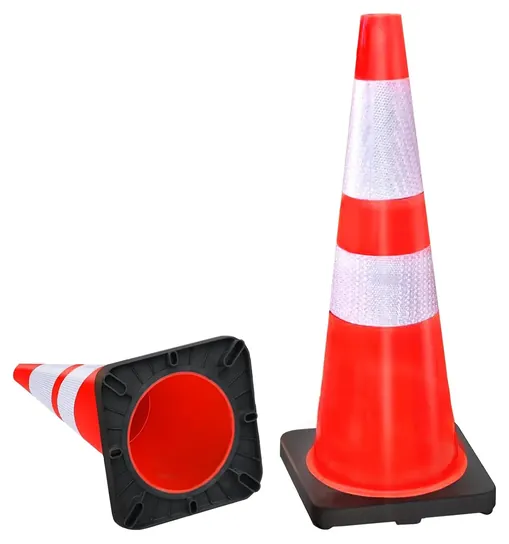
Federal traffic rules call for cones at least 28 inches tall on any road after dark, with two white reflective bands, while 18-inch cones only qualify by day on slow streets. That makes the full-size weighted cone the safe default for homeowners, schools, event crews and small businesses, with folding cones for the trunk and posts for driveways.


Editor's Notes
November 1, 2026, by Ezvid Wiki Admin:
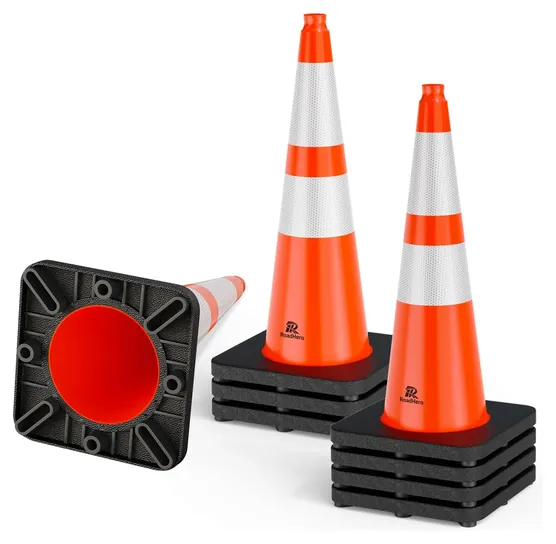
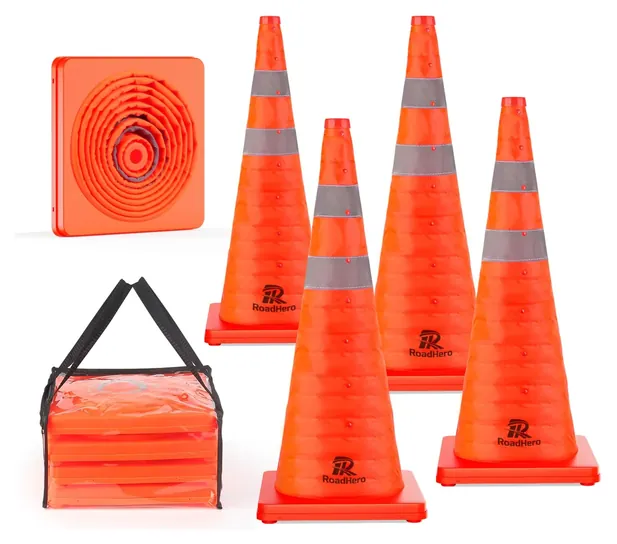
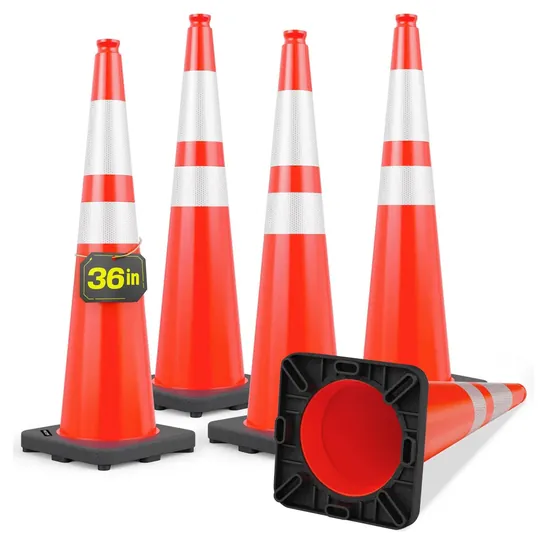
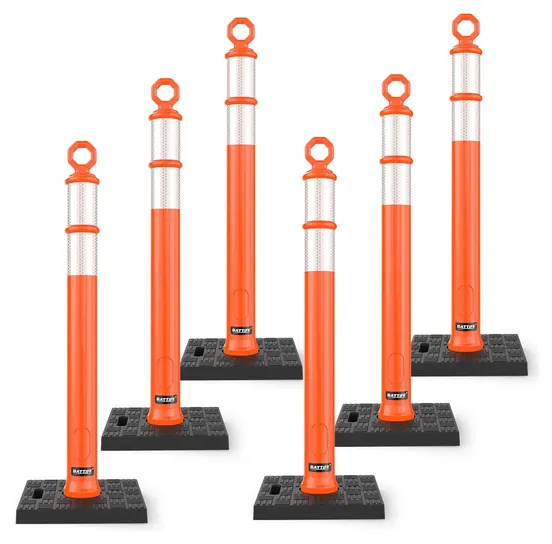
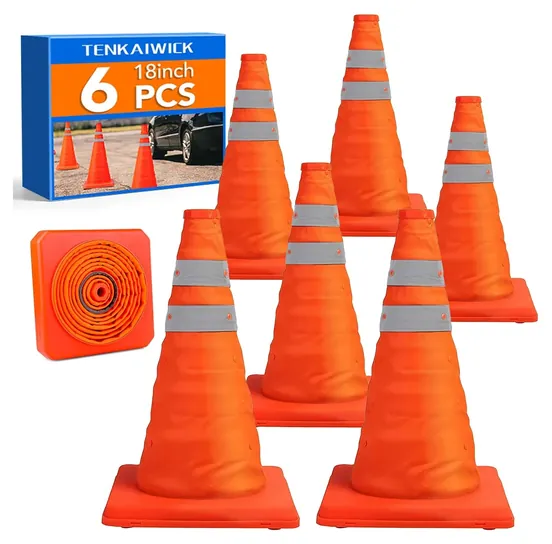
Full-height cones, both night bands and the steadiest durability record we found put the RoadHero Heavy Base first. This page is back, and it now covers what private buyers use: weighted cones for driveways and lots, the taller Battife 36-Inch for busier spots, folding cones like the RoadHero Collapsible for a trunk kit, and the Battife 42-Inch Delineator for chaining off a driveway.
We held every pick to the cone section of the federal traffic-control manual, then compared base weight, footprint and band layout across 15 listings and sorted owner complaints about wind, cracking and peeling tape. Two cheap bulk packs didn't make it because their cones broke or shed tape too often.
Special Honors
Cortina Safety Products Cortina makes contractor-grade traffic cones, including heavier-base models that road crews use, and sells them through safety suppliers. Worth a look if your cones have to stand on a fast or windy road. cortinasafety.com
Height And Night Bands: What The Rules Say
Cones taller than 36 inches switch to alternating orange and white stripes.
The federal Manual on Uniform Traffic Control Devices sets the baseline. Its cone section (FHWA MUTCD, Section 6F.64) says cones must be mostly orange and soft enough not to damage a car that hits them. On low-speed roads in daylight, 18 inches is the minimum. On freeways, on fast roads, and on any road at night, the minimum is 28 inches.
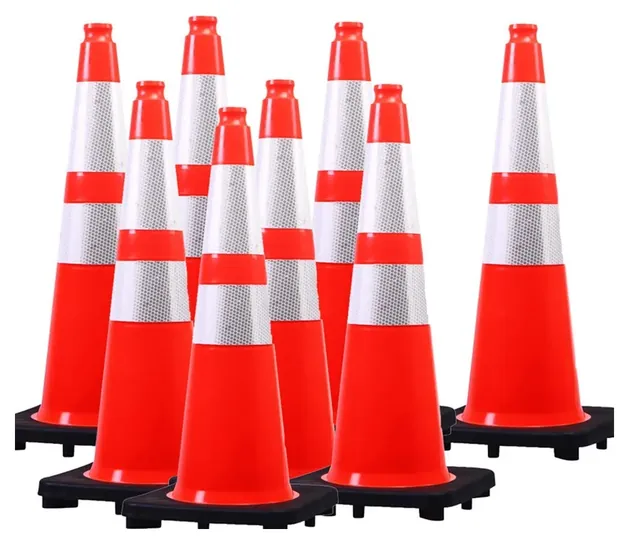
For night use, a 28- to 36-inch cone needs a 6-inch white reflective band 3 to 4 inches below the tip and a 4-inch band about 2 inches under that. Cones taller than 36 inches switch to alternating orange and white stripes. Every full-size cone on this list carries the two-band layout.
The current edition of the manual is the 11th, from 2023 (FHWA), and states adopt it on their own schedules, so check your state DOT if you work on a public road. For a driveway or private lot, the rules are a good guide rather than a legal requirement.
Base Weight, Wind And Folding Cones
Wind is what knocks most home cones over. The manual asks that cones be kept from blowing over, and it allows doubling them up or dropping a sandbag ring over the cone onto its base (FHWA MUTCD). One retailer guide puts typical bases at 2 to 3 pounds for 18-inch cones, 7 to 10 pounds for 28-inch cones and 10 to 15 pounds for 36-inch cones (VEVOR).
Most 28-inch cones sold to homeowners weigh about 5 to 6 pounds, which is fine on a driveway or in a parking lot. On an open, windy stretch, stack two cones or add a sandbag ring. The heavier 7- and 10-pound cones that road crews use come from safety suppliers.
Folding cones trade weight for storage. Their fabric shells fold to under 2 inches, but the whole cone weighs well under 2 pounds and the plastic base can crack under a tire. They suit a trunk kit or parking practice, not a long night on the shoulder. Delineator posts are a third type: thin 42-inch tubes on a base that hold a chain across a driveway.
Where You Can, And Can't, Put Cones
Buying and owning traffic cones is legal. Taking them from a road or work zone is theft, and some states treat stolen traffic-control devices more harshly than ordinary property.
Using cones to save a parking space on a public street is a different story. Police in San Bruno, California, have warned residents that the state vehicle code bars it (KTVU), and San Francisco neighbors have fought over the practice for years (The San Francisco Standard). On your own driveway or private lot, cones are fine.
Cones are warning devices, not barriers. Never rely on one to protect a person from traffic. Work on a public road needs a traffic control plan under the manual's work-zone rules, which is more than a set of cones can provide. Air new rubber bases out before storing them indoors, wipe road grime off the bands so they stay bright, and replace cones with cracked bases or peeling tape.
How we researched this
We compared 15 traffic cone and delineator post listings, checked each finalist's height, base and reflective bands against the federal cone rules in the MUTCD, analyzed owner feedback for wind, cracking and tape problems, and checked every brand against U.S. Consumer Product Safety Commission recall records. We found no independent lab tests of consumer traffic cones.
Frequently asked questions
What size traffic cone should I buy?
For daytime use on a driveway or slow street, 18 inches is the federal minimum. If the cones will stand on a road at night or near faster traffic, get 28-inch cones with two white reflective bands.
What are the big traffic cones called?
The common large sizes are 28 and 36 inches. Tall, thin 42-inch versions on a base are called delineator posts or channelizers, and they often hold a chain.
Is it illegal to buy traffic cones?
No. Anyone can buy and own them. Taking cones from a road or work zone is theft, and using them to hold a public parking space is barred in many cities.
Do traffic cones have trackers in them?
There's no sign of it. No maker on this list mentions one, and they're simple PVC or fabric shells on a weighted base.
How heavy should a traffic cone be?
Home cones of 28 inches usually weigh about 5 to 6 pounds, which works on a driveway. Road crews favor 7- to 10-pound cones. In wind, stack two cones or add a sandbag ring.