The 10 Best Macroeconomics Textbooks
Updated by · How we research

Ten macroeconomics books compared, from free intro texts to PhD references. Mankiw's Principles of Macroeconomics leads for anyone wanting a clear first course. When users buy our independently chosen editorial choices, we may earn commissions to help fund the Wiki.
The best macroeconomics textbook is often free or one edition old. Two respected intro texts can be read online at no cost, and a previous edition usually teaches the same theory with older data for far less. This list covers first-year courses, the intermediate and graduate levels, an openly heterodox text and a short guide for readers outside a classroom.
At a Glance
-
1
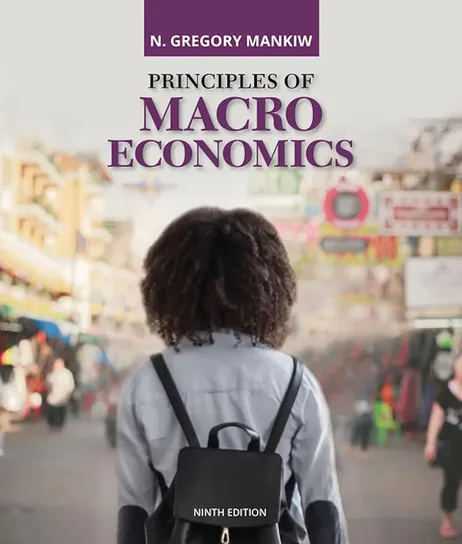
 Mankiw Principles of Macroeconomics
$75
-
2
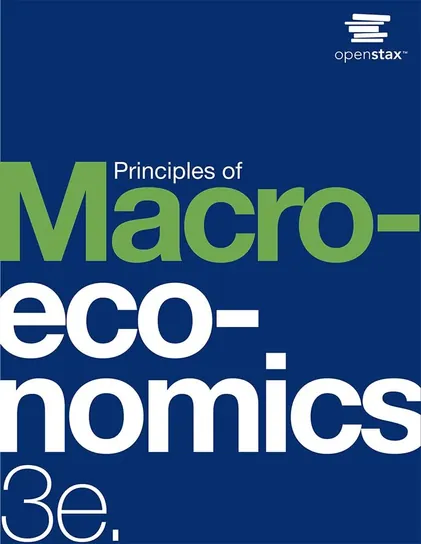
 OpenStax Principles of Macroeconomics
$32
-
3
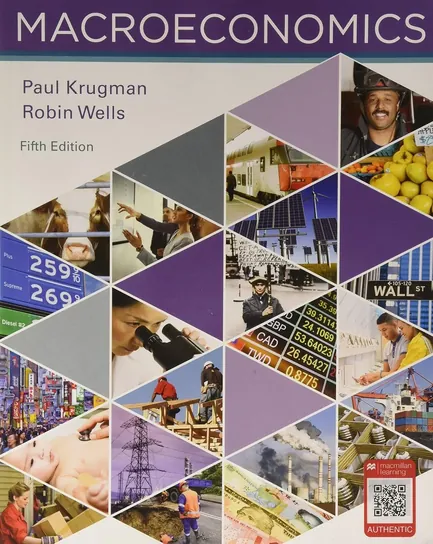
 Krugman and Wells Macroeconomics
$92
-
4
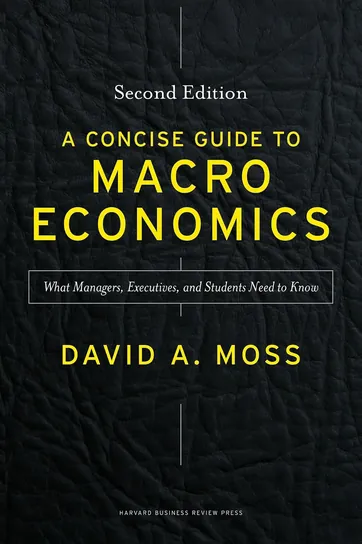
 A Concise Guide to Macroeconomics
$18
-
5
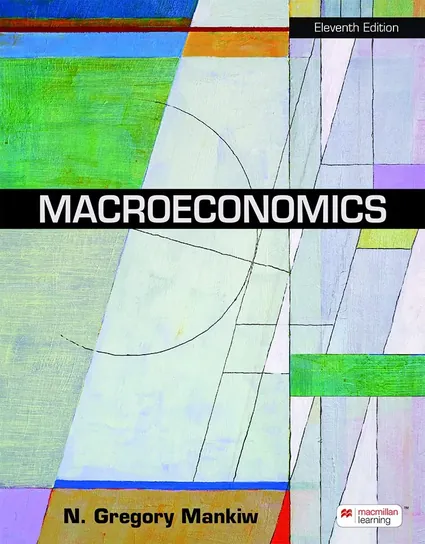
 Mankiw Macroeconomics
$225
-
6
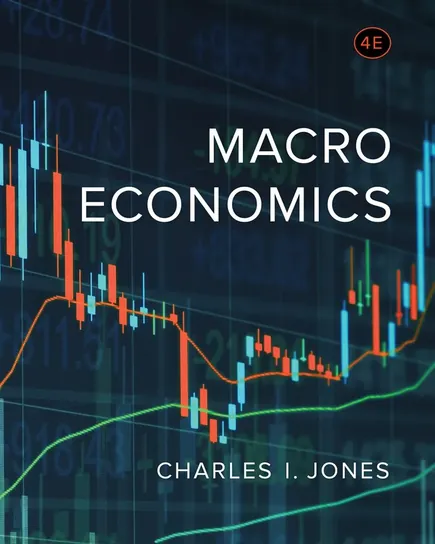
 Jones Macroeconomics
$66
-
7
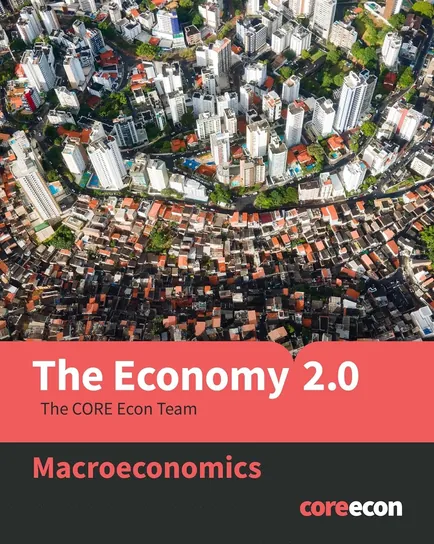
 CORE The Economy 2.0
$65
-
8
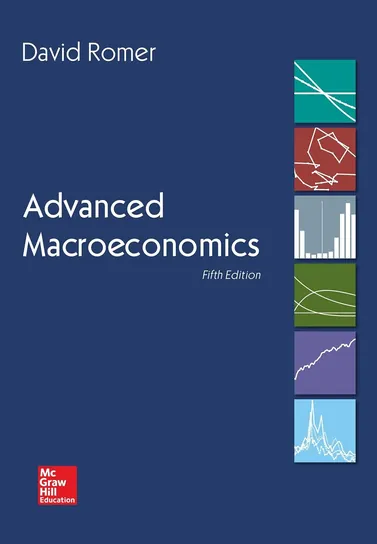
 Romer Advanced Macroeconomics
$100
-
9
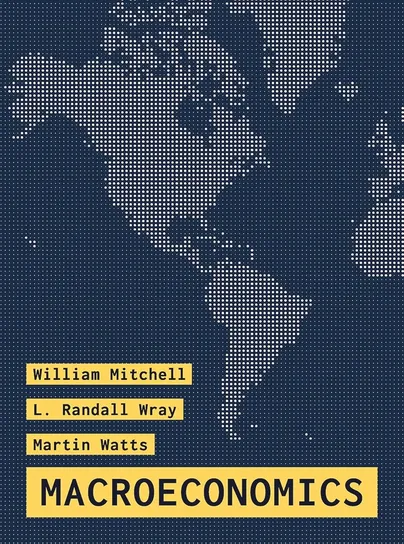
 Mitchell, Wray and Watts Macroeconomics
$89
-
10
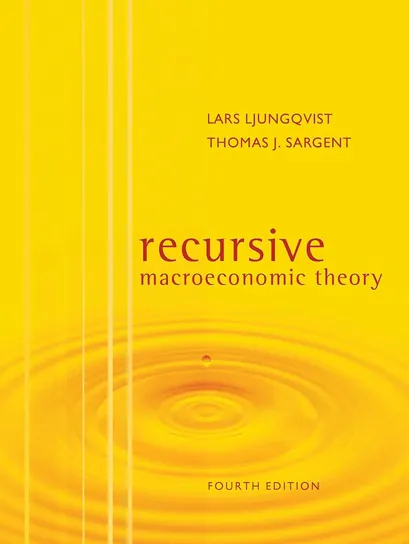
 Recursive Macroeconomic Theory
$100
Editor's Notes
November 1, 2026, by Ezvid Wiki Editors:
Mankiw Principles of Macroeconomics now leads, because it's still the clearest first course for most students, and the ninth edition costs far less than the tenth while teaching the same core. The OpenStax Principles of Macroeconomics entry moves to its third edition, which is free online.
The list now climbs the full ladder. Mankiw Macroeconomics and Jones Macroeconomics cover the intermediate level, Romer Advanced Macroeconomics and Recursive Macroeconomic Theory stay for graduate students, CORE The Economy 2.0 adds a modern open-access text, and Krugman and Wells Macroeconomics brings a story-led intro. A Concise Guide to Macroeconomics and Mitchell, Wray and Watts Macroeconomics stay for general readers and for anyone curious about Modern Monetary Theory.
We dropped four older books: Macroeconomics, 10th Edition by Boyes and Melvin, Modern Macroeconomics, Macroeconomics: Principles & Policy and International Macroeconomics. They were dated, hard to find new or narrower than the page.
We weighed publishers' tables of contents and edition dates for two dozen books, plus economists' forum debates over which text suits which course.
Earlier notes
April 3, 2020, by Gia Vescovi-Chiordi:
Macroeconomics is not just for economists and policymakers — it affects everyone from everyday citizens to investors, executives, and entrepreneurs. We wanted this list to feature titles for students just breaking into the discipline, laypeople, managers, and advanced readers looking for new perspectives. Look to Principles of Macroeconomics and OpenStax Principles of Macroeconomics for introductory information, Recursive Macroeconomic Theory and Advanced Macroeconomics for more rigor, and A Concise Guide to Macroeconomics if you're a professional wanting to expand your knowledge. And for anyone interested in exploring different perspectives and burgeoning research, check out this list of resources that help flesh out theories and explain concepts in a digestible way.
Today we said goodbye to Big Ideas: A Nontechnical View and Lectures on Macroeconomics. The former is a stripped-down volume that's helpful for the layperson but tends to drag on and doesn't adequately explain concepts that require math. We felt that the intended audience would make better sense of OpenStax Principles of Macroeconomics, which also happens to be priced very affordably for a textbook and is full of engaging examples and handy QR codes for further reading.
We also added Macroeconomics, 1st Edition, a brand new core textbook that takes a different approach than many others, espousing a novel heterodox model based on modern monetary theory and offering well-reasoned practical and philosophical arguments for it. It also takes a hard look at avoidable mistakes that wealthy capitalist countries have made over the last few decades. Even if you're not necessarily in agreement with the authors' ideas, this volume should be of interest to any economist searching for a fresh approach to think outside the box.
Special Honors
The International Monetary Fund The IMF publishes much of its research free, including the World Economic Outlook twice a year and the plain-language magazine Finance & Development. Its country data on growth, inflation and public debt lets students check a textbook's examples against current numbers. imf.org
FRED, Federal Reserve Bank of St. Louis FRED is a free economic data service run by the Federal Reserve Bank of St. Louis. It charts GDP, unemployment, inflation, interest rates and thousands of other series, and it's the quickest way to see how a textbook model lines up with the real economy. fred.stlouisfed.org
Match The Book To Your Level
Intermediate courses, usually taken by economics majors, add steady algebra and formal models of growth and the business cycle.
Macroeconomics is taught in three rough tiers, and the math climbs at each one. A principles course, the first most students take, uses graphs and a little algebra. Cengage's chapter list for Mankiw's Principles of Macroeconomics shows the usual path: ten principles of economics, then national income, growth, saving, unemployment, money and inflation, the open economy and short-run swings. OpenStax covers the same ground at no cost.
Intermediate courses, usually taken by economics majors, add steady algebra and formal models of growth and the business cycle. Mankiw's Macroeconomics and Charles Jones's Macroeconomics are common choices.
Graduate courses assume calculus and dynamic optimization. McGraw Hill presents David Romer's Advanced Macroeconomics as a starting point for graduate courses, with chapters running from the Solow growth model to budget deficits and fiscal policy. Recursive Macroeconomic Theory goes further, into the methods researchers use to build models.
If you're learning on your own, start at the principles tier even with a strong math background. The intuition there is what the later models formalize.
Editions, Access Codes And Free Copies
Buy the edition your syllabus names, especially when homework comes from end-of-chapter problems, since numbering shifts between editions. For self-study, a previous edition is usually fine. The theory changes slowly, and what updates is mostly data, examples and a chapter or two on recent events.
Check what a copy includes. Many publisher course versions pair the book with an online homework platform, and a printed copy alone may not include the access code a class requires. Loose-leaf editions cost less but come unbound.
Two respected texts are free. OpenStax, a nonprofit based at Rice University, publishes Principles of Macroeconomics online at no charge and sells low-cost printed copies. CORE Econ offers The Economy 2.0 free online, split into microeconomics and macroeconomics volumes. Free PDFs of paid textbooks on file-sharing sites are usually pirated, and the legal free options make them unnecessary.
Mainstream, Data-First Or Heterodox
Most textbooks teach the same mainstream framework: growth in the long run, demand-driven booms and slumps in the short run, and a central bank that leans against inflation. They differ in how they teach it. Krugman and Wells lead with news events. Jones builds the short run around a central bank that sets interest rates, which is how the Federal Reserve conducts policy, instead of the money-supply curve older texts use.
CORE's macroeconomics volume starts from the labor market, links unemployment to inequality and institutions, and then moves to demand, inflation, finance and exchange rates. Its units lean on real data throughout.
Mitchell, Wray and Watts teach from Modern Monetary Theory, which holds that a government issuing its own currency is limited by inflation and idle resources rather than by running out of money. It's a minority view among academic economists, and few departments assign the book, but it's a complete textbook that presents the standard models for comparison. Reading it beside a mainstream text is a good way to see where the real disagreements lie.
How we researched this
We compared 24 macroeconomics books across the introductory, intermediate and graduate levels, read publishers' descriptions and tables of contents for the picks, checked each edition's date against what is still sold new, and weighed reader feedback patterns and economists' forum discussions of which texts suit which courses.
Frequently asked questions
What is the best macroeconomics textbook for beginners?
For a first course, Mankiw's Principles of Macroeconomics is the clearest common choice. OpenStax Principles of Macroeconomics covers the same ground free online. Readers outside a classroom may prefer David Moss's A Concise Guide to Macroeconomics.
Is there a free macroeconomics textbook?
Yes. OpenStax publishes Principles of Macroeconomics free online, and CORE Econ offers The Economy 2.0 free in separate micro and macro volumes. Both sell inexpensive printed copies.
Do I need calculus for macroeconomics?
Not for an intro course, which uses graphs and simple algebra. Intermediate texts use more algebra. Graduate books such as Romer's Advanced Macroeconomics assume calculus and optimization.
Can I use an older edition of a macroeconomics textbook?
Usually, for self-study. The theory changes slowly. For a class, match the edition on the syllabus, because problem numbers shift and online homework codes are tied to editions.
Do standard textbooks teach Modern Monetary Theory?
Mostly not. Mainstream texts mention it briefly, if at all. Macroeconomics by Mitchell, Wray and Watts is a full textbook written from that viewpoint.