The 9 Best Laptop Locks
Updated by · How we research

Nine cable locks and slot fixes compared for standard, nano and Dell wedge slots and slotless MacBooks. Kensington's Universal 3-in-1 fits all three slots. When users buy our independently chosen editorial picks, we may earn commissions to help fund the Wiki.
Laptop lock slots come in three shapes, and a lock made for one won't go into another: the classic Kensington slot, the smaller nano slot on many slim HP and Lenovo models, and the wedge slot on most recent Dells. MacBooks and Surface laptops have none. A cable lock stops a quick grab in an office, dorm or library.


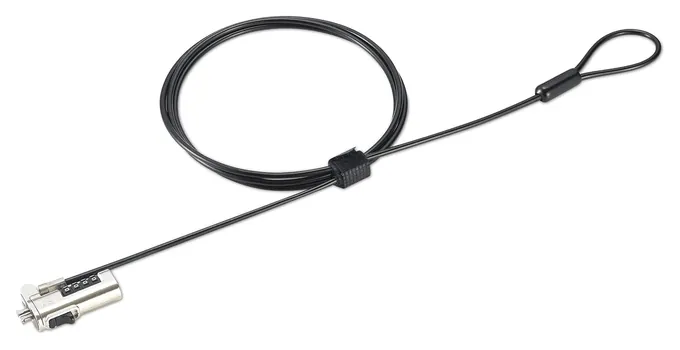
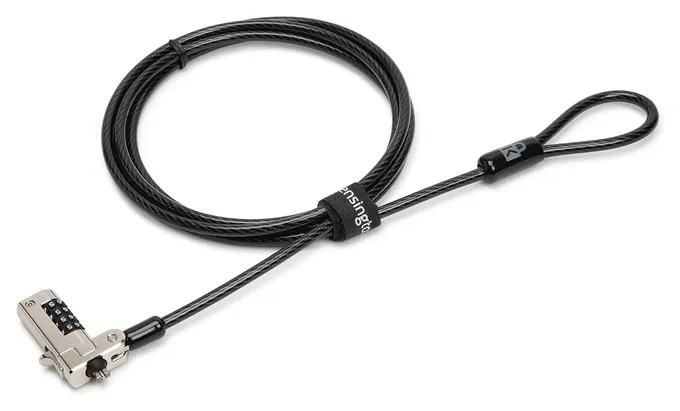
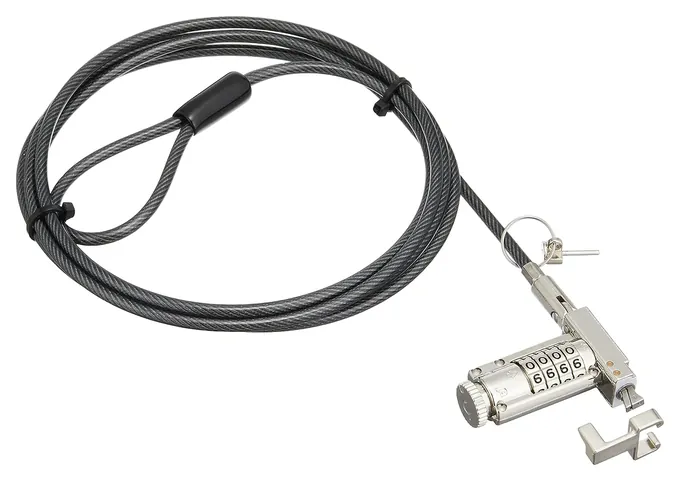
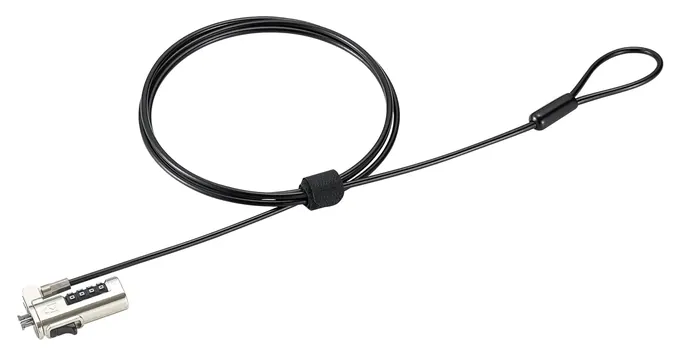
Editor's Notes
October 27, 2026, by Ezvid Wiki Editors:
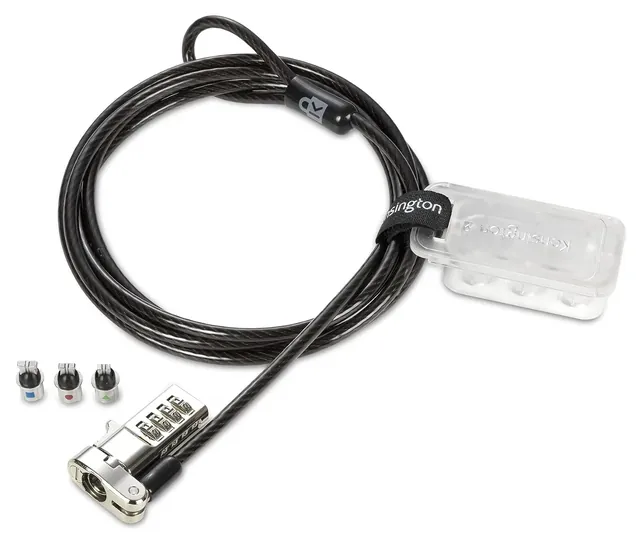
We put the Kensington Universal 3-in-1 at the top, because its swappable tips fit standard, nano and wedge slots, and buying a lock that doesn't fit your laptop is a common mistake. Four old picks have disappeared from sale: the Kensington Station Combo, Targus Defcon PA400U, Kensington K64590US and Targus Defcon 3-in-1. We also dropped the ChargeTech Anti-Theft Kit over stock and feedback concerns, and the Kensington K64673AM and Sendt NBLC because slimmer, cheaper locks now do the same job.
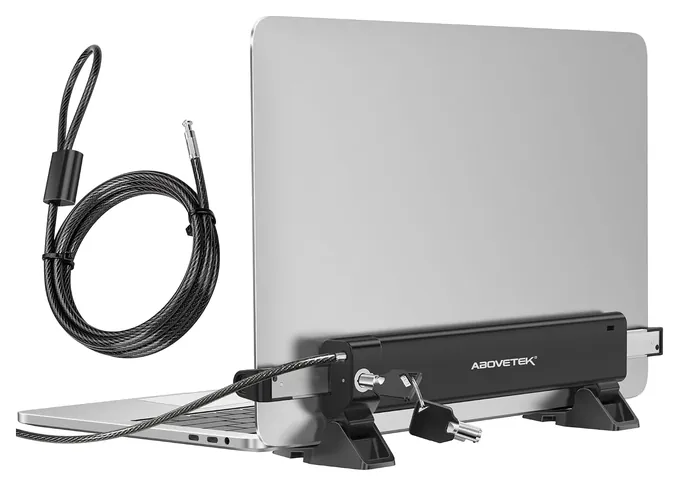
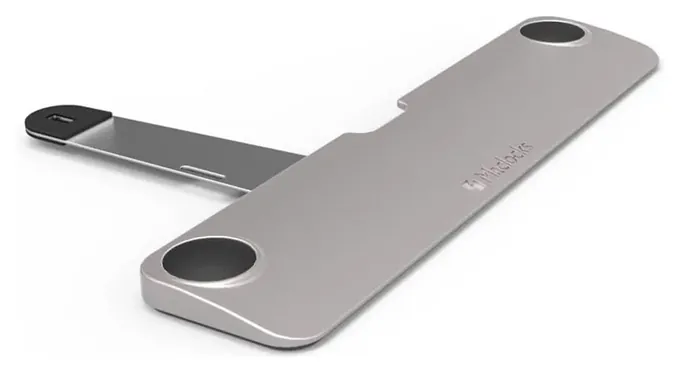
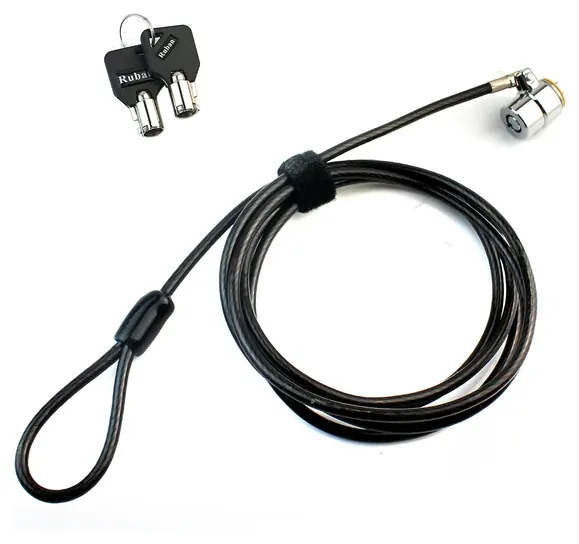
The Noble TZ07T, Ruban 3339744 and Compulocks Blade, which many people still know as the Maclocks Blade, stay on the list. New picks cover each slot shape: the Kensington N17 for Dells, the Kensington Slim Nano, the Kensington Slim Standard, the keyed Kensington MicroSaver 2.0, and the AboveTEK TL-16B for MacBooks and Surface laptops that have no slot.
The deciding evidence was Kensington's slot-size charts, which show that standard, nano and wedge heads aren't interchangeable, along with Noble's and Compulocks' published specs, a security-cable roundup and a federal recall search for every brand here.
Earlier notes
January 15, 2021, by Luke Mitchell:
Most laptops use one of two options for their security slot, namely the Kensington and Noble systems. We, therefore, added one of each variety to our list, starting with the Noble TZ07T, which has a common reinforced-steel cable and loop functionality. It is notable, however, for its barrel lock which incorporates a "peripheral trap", through which you can secure chargers and other devices.
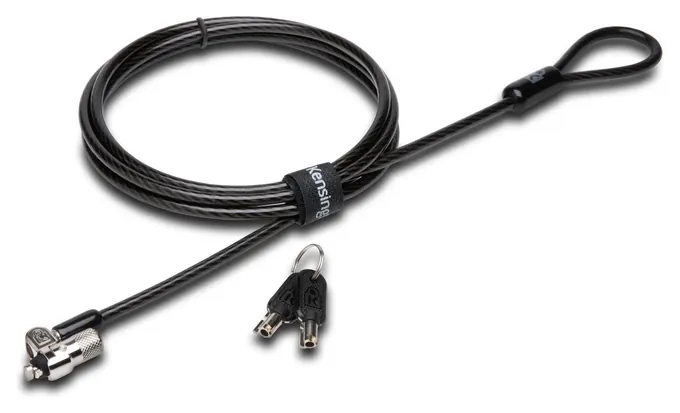
Next, we added the Kensington K64590US, as while we also include the Kensington K64673AM on our list, this model has a set of keys as opposed to a combination mechanism, for those among us who prefer the more traditional option.
Spanning these two choices is the Targus Defcon 3-in-1, which, true to its name, incorporates two types of Kensington lock and a Noble lock attachment, making it especially useful if you wish to secure devices with differing systems, or upgrade to a new laptop model with a different security slot.
July 23, 2019, by Joseph Perry:
Sure, a laptop is an expensive item to have stolen, but what really hurts is the theft of your data that lives on your computer and the services to which it has access. According to a report by Kensington, a laptop is stolen every 53 seconds. If you don't want yours to be a statistic, it's smart to add another layer of security by getting one of these laptop locks. They won't stop a truly determined or professional thief, but they will prevent the opportunistic "grab-n-go" scenario where someone walks off with your device when you get up to refill your coffee.
Most of them work by attaching a steel cable to a lock slot that is already built into your computer, and you then anchor the other end of the cable to something immovable. We also selected some units that use a docking approach so you can secure any laptop whether it has a slot or not.
The locking mechanism is operated by key or by combination. Both are effective--it just depends on your preference. If you're prone to forgetting your banking PIN, then you should probably go with a keyed model. You want one that has a generous cable length because a cable that is too short can limit your placement and positioning options.
In this update, we evaluated items based on value, effectiveness, and ease of use. We removed an outdated item due to concerns about its availability and added the Kensington Station Combo in one of our top slots. We like that it can hold even ultra-thin notebooks, such as the MacBook and Microsoft Surface, that don't have built-in lock slots.
Find Your Slot Before You Buy
Most of the confusion about laptop locks comes down to the slot.
Most of the confusion about laptop locks comes down to the slot. The original Kensington Security Slot is a small reinforced opening about 7 by 3 millimeters, and it's still common on business laptops, monitors and docks. Thinner machines moved to smaller openings. Kensington's guide to lock types lists the nano slot at about 6 by 2.5 millimeters, used on some slim HP, Lenovo and Asus models, and the wedge slot at about 4.5 by 3.2 millimeters, which Dell has used on XPS, Latitude and Alienware laptops since around 2016. Noble Locks designed the wedge, and Kensington sells its version as N17.
A lock made for one slot won't fit the others, and forcing it can crack the case. Look at the edge of the laptop for the small padlock icon, then check the spec sheet for the slot type. If you have more than one laptop, or you don't know, a lock with swappable tips covers all three.
MacBooks, Surface tablets and laptops, iPads and many Chromebooks have no slot. For those, there are two fixes: a locking station that clamps the laptop and anchors to a cable, or an adhesive plate that adds a standard slot to the back of the device. The plate is close to permanent, so check your warranty terms first.
Keyed Or Combination
Keyed locks are quick to use: push the head in and turn the key. The better ones use a round tubular cylinder with hidden pins, which is harder to pick than a flat key. Their weak point is the key itself. If it's lost, the laptop stays tied down until a replacement arrives. Offices often buy keyed sets because Kensington can supply locks that share one key or open with a master key, according to its device security guide.
Combination locks need no key. Four wheels give 10,000 possible codes, and most let you set your own. The risk is forgetting it. Kensington runs a free service that stores a registered code so you can recover it later, so register the lock the day you set it.
Either way, look for a head that pivots or lies flat. A rigid head can tilt a thin laptop on the desk and block the port next to the slot. Cable length matters less than people expect: five or six feet reaches around most desk legs.
What A Cable Lock Can And Can't Stop
A cable lock deters the quick, opportunistic grab in an office, library, dorm or hotel room. It won't stop a determined thief. The cable can be cut with bolt cutters, and a hard yank can tear the slot out of a thin case, wrecking the laptop but freeing it. Journeyman HQ advises looping the cable around something heavy and fixed rather than a thin pipe or a wooden chair leg that can be lifted or broken.
Pick the anchor with care. A desk leg works only if the desk can't be tipped to slide the loop off, and anything held by screws can be unscrewed. Don't pull-test a locked laptop to see whether the lock holds, since the slot may give before the cable does.
The lock protects the hardware, not the files. Turn on full-disk encryption (BitLocker on Windows, FileVault on a Mac) and a device-finding service, and keep backups, so a stolen laptop doesn't also mean stolen data.
How we researched this
We compared 23 cable locks, locking stations and slot adapters, read Kensington's slot-size charts and lock guides and the published specs from Noble Locks, Compulocks, AboveTEK and Ruban, read an independent roundup of security cables, screened owner feedback for repeated defects, and checked every brand against U.S. Consumer Product Safety Commission recall records. Updated October 27, 2026 by Ezvid Wiki Editors.
Frequently asked questions
Do all laptops have a lock slot?
No. MacBooks, Surface devices, iPads and many thin Chromebooks and ultrabooks have none. For those, use a locking station that clamps the laptop or an adhesive plate that adds a slot.
What is the security slot on a laptop?
It's a small reinforced opening, usually marked with a padlock icon, that holds the head of a cable lock. It comes in three main shapes: the standard Kensington slot, the smaller nano slot and the Dell-style wedge slot.
Noble Locks or Maclocks: which should I buy?
They solve different problems. Noble Locks designed the wedge slot on many Dell laptops and makes locks for it. Maclocks, now called Compulocks, is known for slot adapters and enclosures for Apple devices and tablets that have no slot.
Can a laptop cable lock be cut?
Yes. Bolt cutters will get through the cable. A cable lock is meant to stop a quick grab-and-go theft, not a determined thief with tools.
Is a keyed or combination lock better?
Keyed locks are faster and suit offices that need master keys. Combination locks can't be lost, but you must remember or register the code.