The 10 Best Hardcover Dictionaries
Updated by · How we research

Several hardcover dictionaries still carry 2010 or 2011 text. Merriam-Webster's Collegiate 12th Edition leads 10 compared by edition year, size and entries. When users buy our independently chosen editorial choices, we may earn commissions to help fund the Wiki.
Not every dictionary rules on usage: some record how English is used, while others add notes on where careful writers draw the line on disputed words. A hardcover dictionary is a printed word reference built to sit on a desk for years, open flat and survive daily lookups. Students, writers, editors, word-game players and families still buy them.
At a Glance
-
1
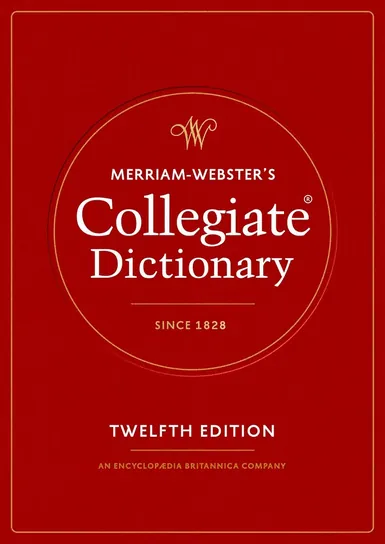
 Merriam-Webster's Collegiate 12th Edition
$20
-
2
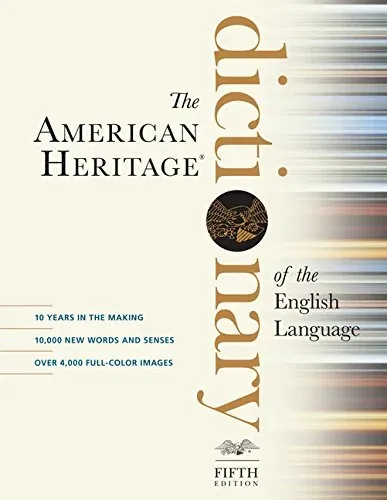
 American Heritage Fifth Edition
$51
-
3
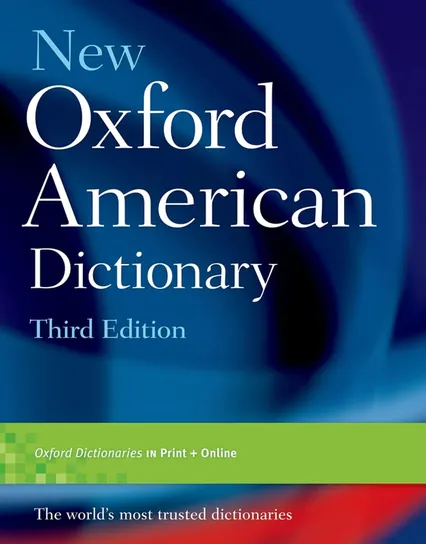
 New Oxford American Dictionary
$44
-
4
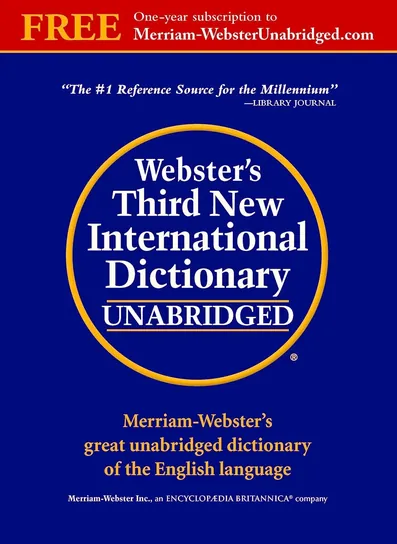
 Webster's Third New International
$74
-
5
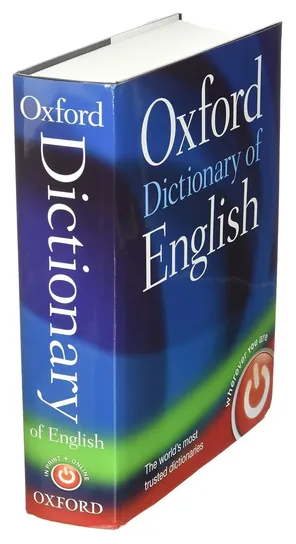
 Oxford Dictionary of English
$55
-
6
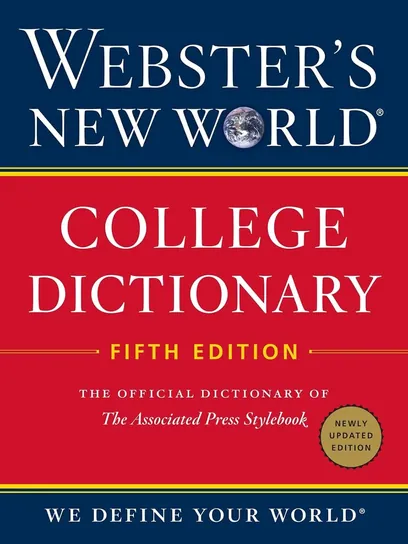
 Webster's New World College
$11
-
7
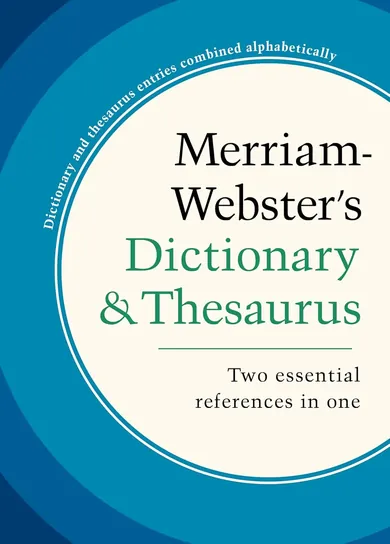
 Merriam-Webster's Dictionary and Thesaurus
$17
-
8
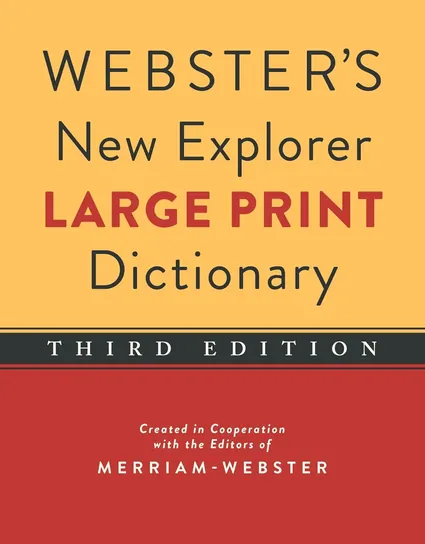
 Webster's New Explorer Large Print
$13
-
9
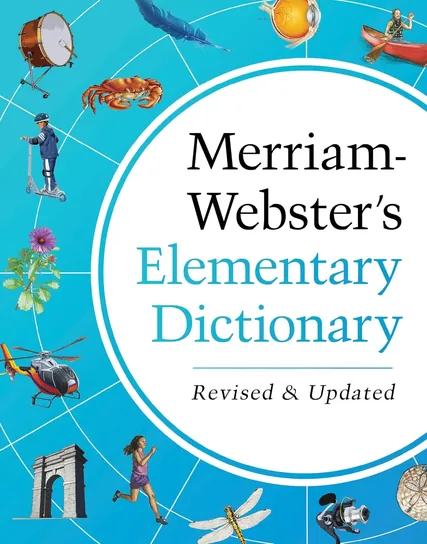
 Merriam-Webster's Elementary
$19
-
10
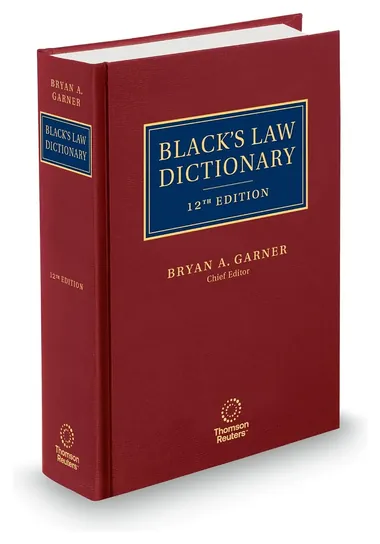
 Black's Law Dictionary 12th Edition
$89
Editor's Notes
October 18, 2026, by Ezvid Wiki Admin:
Print dictionaries haven't gone anywhere, and the biggest news in years arrived in late 2025: Merriam-Webster's Collegiate 12th Edition, the first full rewrite of that desk dictionary since 2003. It's now the one to get for most homes and dorms. We also added the Webster's Third New International for anyone who wants the biggest book on the shelf, the Oxford Dictionary of English for British spelling, and Merriam-Webster's Dictionary and Thesaurus for writers who live in synonyms.
Four books are gone. The 1828 Webster facsimile is a history piece, and new copies have nearly run out. The medical and Bible dictionaries serve narrow audiences, and DK's My First Dictionary is a picture book for preschoolers, so we kept one children's pick, Merriam-Webster's Elementary, in its 2023 revision. The Black's Law Dictionary 12th Edition replaces the older edition, and the Webster's New World College now points to its 2020 printing.
Nobody runs lab tests on dictionaries, so we read the books' own front and back matter, publishers' notes, library records and usage writers, and we looked at what owners say. If you write for a newspaper, start with the AP's dictionary. For nearly everyone else, start with the Collegiate.
April 30, 2020:
You'd think with apps and search engines that by now hardcover dictionaries would be obsolete, but that's simply not true. Even in a modern age, a physical copy is ideal for at-home reference thanks to the fact that it never requires electricity or an internet connection. There are also myriad reasons to believe that physically looking up a term helps you learn and retain it better. And since the printed dictionaries on our list come from venerable sources, you can always be sure you're getting the most reliable definitions, which is not always the case when you're searching online.
For kids, we recommend DK's My First Dictionary and Merriam-Webster's Elementary Dictionary. Each has an abundance of helpful visuals and clear, concise definitions that should not confuse. Merriam-Webster's edition is also full of supplementary information on geography and word history. Be aware that with the DK version, things are extremely simplified, which makes it great for new readers. On the flip side, though, once children know the words they will likely require a more advanced dictionary, so a quick learner may grow out of it quickly.
In addition to tried and true tomes like the New Oxford American Dictionary and Webster's New World College Dictionary, we wanted to add volumes for those practicing medicine and law, as well as people who are simply interested in those industries' terms. That's why we have Mosby's Dictionary of Medicine, Nursing & Health Professions, and Black’s Law Dictionary, which has been updated from its 10th edition to the 11th.
For Bible study, we've included the Complete Expository Dictionary of Old and New Testament Words. Our newest addition today, the American Dictionary of the English Language, is rife with biblical sources to explain many terms, so it's excellent for studying scripture as well. For a more comprehensive selection of bible dictionaries, feel free to check out our list of those, too.
There are a handful more reasons we added the American Dictionary of the English Language to our list today. This publication is an 1828 facsimile of the original edition, which means it includes many an odd and archaic term, making it perfect for those who scrutinize old records. Reading it can help you understand documents like the Constitution and Bill of Rights, which were written using language of that period. It's extremely extensive, with clearly presented definitions that feature comprehensive explanations using their full etymology. Meanings are explained using examples from literature, historic documents, the Bible, and other classic sources. As a lovely added touch, it sports a green vellum hardcover with a gold stamped, embossed eagle designed by Paul Revere.
Special Honors
Merriam-Webster Unabridged Merriam-Webster no longer prints a new unabridged dictionary. Its full-size dictionary now lives online by subscription, and unlike the 1961 print text it gets regular updates. It's a good companion to a desk dictionary for anyone who often needs rare words, older senses or detailed word histories. unabridged.merriam-webster.com
Oxford English Dictionary The OED is the historical record of English. It traces each word through dated quotations back to its first known use. The last full print edition filled 20 volumes, and the revision since then is published online, so the subscription website is the practical way in. Many public and university libraries give their card holders access. oed.com
Desk, Unabridged Or Compact: Pick By The Job
A thumb index, the half-moon notches cut into the page edge, saves time on every lookup.
Most people need a desk dictionary, often called a college or collegiate dictionary. These run about 1,700 to 2,100 pages and cover the words you'll meet in books, news and coursework. The Merriam-Webster's Collegiate 12th Edition has 1,856 pages, the American Heritage Fifth Edition 2,084 and the New Oxford American Dictionary 2,096. A thumb index, the half-moon notches cut into the page edge, saves time on every lookup.
An unabridged dictionary is a different animal. Webster's Third New International claims more than 476,000 entries on 2,662 pages and weighs about 10.8 pounds. Merriam-Webster hasn't printed a new unabridged since 1961; its current unabridged lives online (Wikipedia). Buy the print volume for rare and old words, not for new ones.
Compact books trade depth for size. A dictionary-thesaurus of about 1,000 pages holds roughly 60,000 entries, and a large-print edition about 36,000. That covers everyday writing but not technical or literary reading. For side-by-side entry and page counts across major titles, see this comparison of English dictionaries, and cross-check its numbers with the publisher.
Descriptive Or Prescriptive, American Or British
Dictionaries take sides on how much to judge. Merriam-Webster is descriptive: it records how people actually use words. American Heritage is more prescriptive and adds usage notes that say where careful writers object. The language writers at Grammarphobia, who consult both, describe the difference that way. American Heritage built its notes on votes by a panel of about 200 writers, but the publisher dissolved that panel in 2018 (Wikipedia), so its notes reflect the 2011 text.
The argument is old. When Webster's Third appeared in 1961, critics attacked it for listing "ain't" and other usage without condemning it (Wordorigins.org). If you want rulings, choose a book with usage notes. If you want a record of real English, a descriptive one serves better.
Spelling matters too. American dictionaries follow U.S. spelling ("color"), while the Oxford Dictionary of English follows British spelling ("colour"). The New Oxford American Dictionary uses Oxford's research for American English and organizes each entry around a word's core sense (Wikipedia). Writers who follow AP style should use Webster's New World College, which its cover names as the AP Stylebook's dictionary (bookseller listing).
Check The Edition Year, Print Size And Weight
A print dictionary is frozen at its edition date, and many listings blur printing dates with edition dates. The Collegiate 12th Edition arrived in November 2025, 22 years after the 11th, with more than 5,000 new words (AP via Fox LA). The New Oxford American and the Oxford Dictionary of English are 2010 texts, and the American Heritage Fifth Edition dates from 2011 (library record). An older book is still accurate for most words; it just misses newer ones.
Print size is the most common complaint about desk dictionaries, so readers with tired eyes should consider a large-print edition, accepting a much shorter word list. Weight matters on the shelf: a desk dictionary weighs about 4 to 8 pounds, and an unabridged nearly 11. Store a heavy volume upright or open on a stand, keep it away from damp, and lift it with two hands so the spine doesn't strain.
Dictionaries are ordinary books with no recall history. A search of the U.S. Consumer Product Safety Commission's SaferProducts.gov database turned up no recalls for these publishers' dictionaries.
How we researched this
We looked at more than 60 print dictionaries in search results, compared 17 current listings in detail, and read cover and back-cover text, publisher and library records, news coverage of the Collegiate 12th Edition and usage writers' comparisons. We analyzed owner feedback patterns and checked the publishers against the U.S. Consumer Product Safety Commission's recall database. No independent test of print dictionaries exists.
Sources (10)
- AP via Fox LA: Merriam-Webster's Collegiate 12th Edition
- Grammarphobia: lexicographic preferences
- Wikipedia: The American Heritage Dictionary of the English Language
- Wordorigins.org: Webster's Third, a look back
- Wikipedia: Merriam-Webster's Collegiate Dictionary
- Wikipedia: New Oxford American Dictionary
- Wikipedia: Black's Law Dictionary
- Wikipedia: Comparison of English dictionaries
- Northwest Indian College library record: American Heritage Fifth Edition
- U.S. CPSC SaferProducts.gov
Frequently asked questions
What is the most reliable English dictionary?
It depends on the job. Merriam-Webster's Collegiate is the standard desk dictionary for American English and was fully revised in 2025. American Heritage gives the most usage advice. For the history of English words, the Oxford English Dictionary is the authority.
How many pages are in a dictionary?
A desk dictionary runs about 1,700 to 2,100 pages: the Collegiate 12th Edition has 1,856, the American Heritage Fifth Edition 2,084. Webster's Third New International, an unabridged dictionary, has 2,662 pages. Compact and children's dictionaries run about 800 to 1,000.
Is a hardcover dictionary better than a paperback?
For a book you open daily, yes. A hardcover lies flatter, survives years of use and often has a thumb index. Paperbacks are cheaper and lighter, but they are usually shortened versions with far fewer entries.
What dictionary should a college student buy?
A collegiate dictionary covers college reading and writing. Merriam-Webster's Collegiate 12th Edition is the current text. Journalism students who follow AP style should get Webster's New World College.
Which dictionary brands are best?
The major publishers of English dictionaries are Merriam-Webster, Houghton Mifflin Harcourt (American Heritage), Oxford University Press, HarperCollins (Collins and Webster's New World) and Thomson Reuters for Black's Law Dictionary. Any book can call itself "Webster's," so check the publisher's name.
Is a print dictionary still worth buying?
Yes, if you like to browse or want a reference with no screen. A print edition won't change, so it misses new words, but it needs no battery or connection, and many readers find browsing a page leads them to words they weren't looking for.