The 9 Best Gaming Motherboards
Updated by · How we research

Nine AMD and Intel gaming boards compared on socket, power, SSD slots and networking. The MSI B850 Tomahawk Max WiFi is the pick for most new builds. When users buy our independently chosen editorial selections, we may earn commissions to help fund the Wiki.
A motherboard barely moves frame rates. The processor and graphics card do that work, and the board's job is to fit the chip you choose and feed it steady power for years. So pick the processor first and match its socket, because AMD and Intel boards don't mix. This list is for anyone building or upgrading a gaming PC.
At a Glance


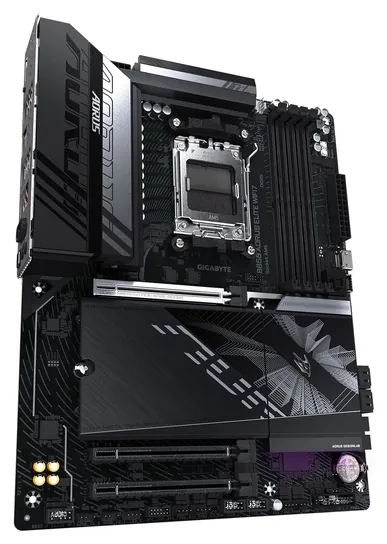
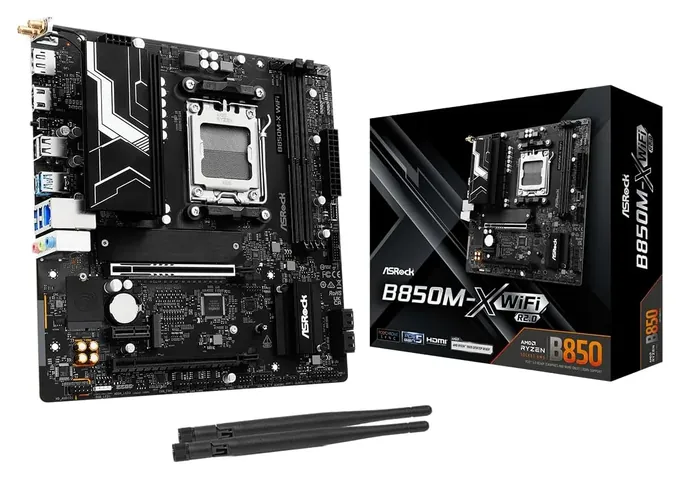
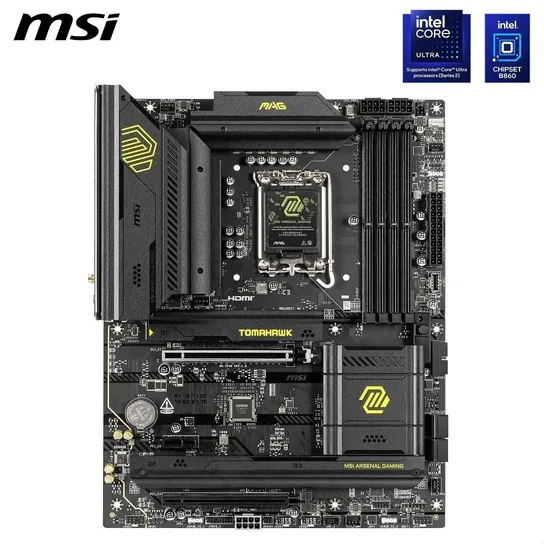
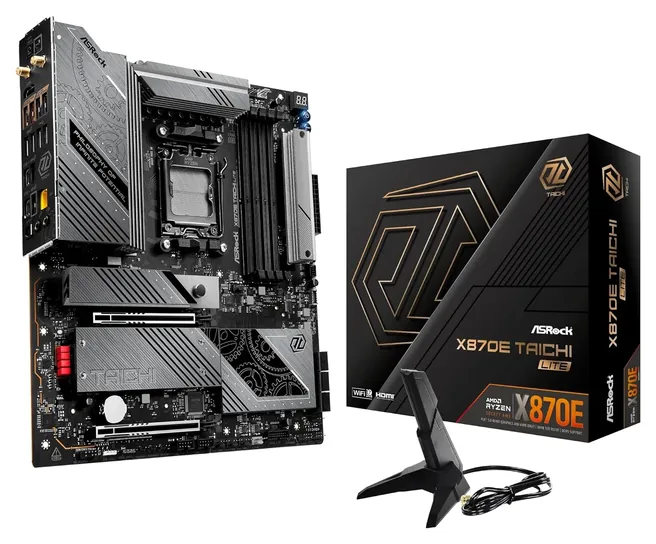
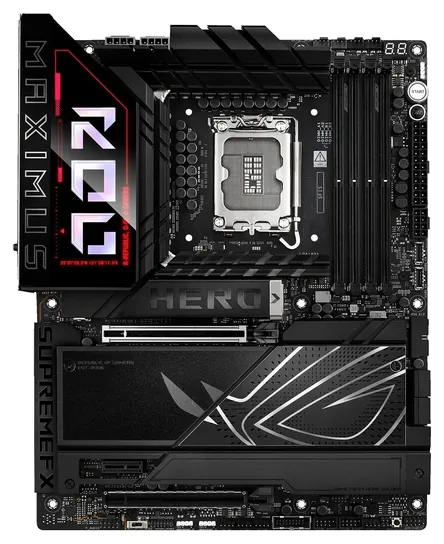
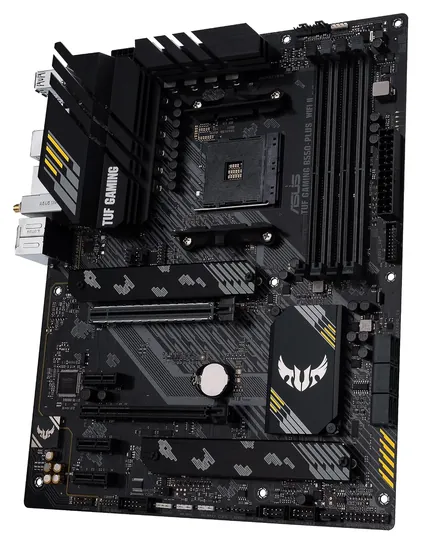
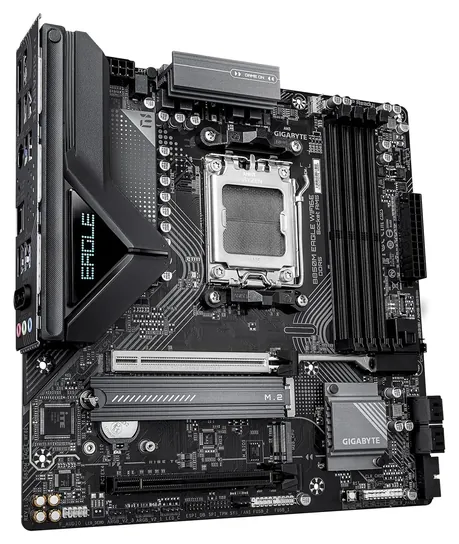
Editor's Notes
October 26, 2026, by Ezvid Wiki Editors:
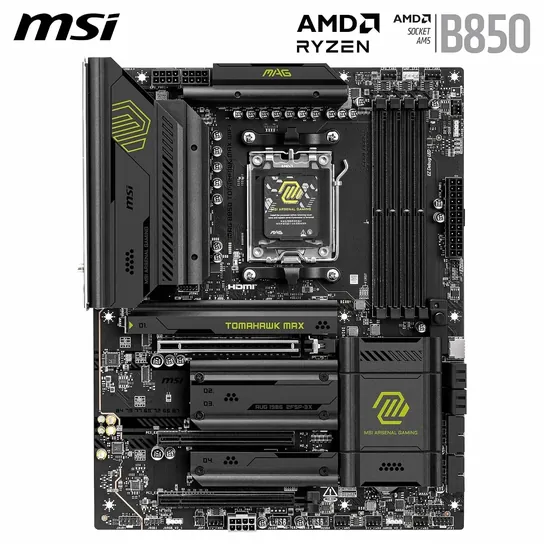
The MSI B850 Tomahawk Max WiFi now leads, because it runs every current Ryzen chip, has room for four SSDs, and Tom's Hardware ranks the Tomahawk family as the best B850 board after its own testing, all at a midrange price.
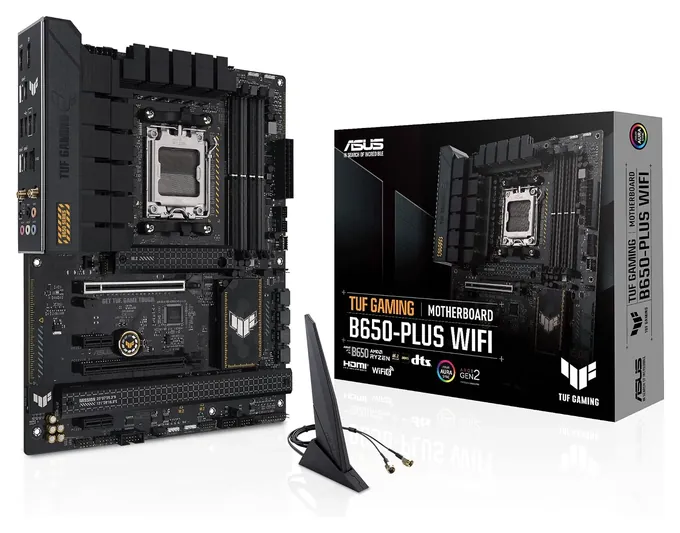
None of the old boards made the cut. They were built for Intel's 10th-generation chips and AMD's AM4 boards of 2019 and 2020, and Intel has changed sockets twice since then, AMD once. In their place are six AMD boards on the current AM5 socket, two for Intel's Core Ultra chips, and one AM4 board, the Asus TUF B550-Plus WiFi II, for people who want to keep their DDR4 memory while new memory is expensive.
The evidence here is the board-by-board lab results Tom's Hardware and PC Gamer publish, set against the slot, port and power-stage counts we compared for 16 current boards. The only motherboard recall on the CPSC list is a 2022 Asus board that isn't on this page.
Earlier notes
December 15, 2020, by Christopher Thomas:
It's another year, and another set of competing desktop processors from AMD and Intel, the only two gaming CPU manufacturers still standing. With such new technology always comes a confusing and seemingly arbitrary naming scheme, and this is still as true as ever. As far as current-gen chipsets go, AMD makes Ryzen CPUs built on the Zen 3 architecture, as well as the A520, B550, and X570 motherboard chipsets. Intel, on the other hand, makes the Core line of processors (among others) built on ever-changing architecture, and the H410, B460, and Z490 motherboards. Got that straight?
Notably, this is the first round of hardware in a long time where AMD has actually bested Intel, and that victory for Team Red comes at hands of their top-of-the-line Zen 3 CPUs, the Ryzen 5000 series. The drawback to this emotional win is that AMD has lost much of the advantage it once (and, really, always) had in terms of cost. For example, it is possible to build around the X570-based Gigabyte Aorus Elite something that will beat an Intel-centric rig with the MSI MEG Z490 Unify. You'll end up spending a lot either way, but if benchmarks are to be believed, the AMD rig would come out ahead, all other variables the same. Similarly, anyone willing to invest should consider the Asus ROG Crosshair VIII Hero and Gigabyte X570 Aorus. We dug deep to make sure that these all utilize the finest capacitors and transistors, and can withstand high voltages and temperatures without missing a beat.
The MSI MAG B550M Bazooka is much more balanced on the AMD side, and it doesn't really lack any major features as compared to its more high-end relatives. The Gigabyte A520 S2H, on the other hand, does disable overclocking and is about as barebones as consumer-forward mainboards come. The MSI MAG B460 Tomahawk and Gigabyte H410M fill the affordable spaces well for Intel.
Finally, we want to point out that while the two top spots represent great value and premium performance for AMD and Intel, respectively, all of the boards on this list are fully modern and will deliver plenty of bang for your buck. You don't necessarily have to spend a fortune, and many patient gamers will be easily satisfied with the Asus Prime X570-P, which is good, because there are plenty of other components to invest in.
June 4, 2019, by Christopher Thomas:
There's one odd thing about building PCs today that stands out. You'd think that older hardware becomes less expensive as it falls behind newer releases, right? Strangely, that's not usually the case with modern high-performance components. So if you're building a PC and concerned about getting the fastest parts, you'll also find that the newest ones call for about the same budget as the older ones. So you'll find a large selection of pretty recently released mainboards on our list.
As usual for the past decade or so, Intel chipsets generally lead to better gaming performance. Nowhere is this more evident than with high-end options such as Maximus Code and the MSI MEG, the latter of which is built for the workstation-level X series of CPUs. Slightly less expensive is the Designaire, which looks every bit as good as it performs. On the other side of the price spectrum, it's hard to go wrong with the Gigabyte UD, although it isn't very flashy -- but a lot of of us are still more concerned with how the experience looks on screen rather than in the case. If you're really on a budget, check out the MSI H310 Plus, which lacks a couple features that some find important, but will absolutely do the trick, no matter how expensive your new graphics card is. And if you're putting together an ultra-compact desktop, the ASRock Mini-ITX is almost certainly the one for you.
As far as AMD, well, they're finally picking up some slack and starting to approach Intel's performance after years as the vast underdog. Most people don't need it, but if you're rocking a Threadripper and doing work such as video encoding or anything else that takes serious firepower, the ASRock X399 Professional is the way to go. The Asus Prime Pro really embodies the Red Team's generally affordable nature, and the MSI X470 Gaming Plus pretty much hits the sweet spot of price and performance as far as AMD boards go.
And always remember when putting together a custom PC or upgrading your current one that components aren't perfectly interchangeable. It's of prime importance that you research your selections thoroughly to make sure they all work together.
Special Honors
PCPartPicker PCPartPicker is a free parts-list builder that flags common mismatches, such as a processor on the wrong socket or memory a board can't use, and estimates how much power the whole build will draw. Its checks aren't perfect, so confirm your exact processor on the board maker's CPU support list before you buy. pcpartpicker.com
Start With The Processor And Its Socket
AMD AM5 takes Ryzen 7000, 8000 and 9000 desktop chips and only DDR5 memory.
A board only takes processors made for its socket, and AMD and Intel sockets never mix. PC Gamer puts it simply: choose the processor first, then the board.
- AMD AM5 takes Ryzen 7000, 8000 and 9000 desktop chips and only DDR5 memory. It is AMD's current socket, so it's the safe choice for a new gaming PC, and six of the nine picks use it.
- Intel LGA1851 takes Core Ultra 200S chips with DDR5. The previous Intel socket, LGA1700, served 12th- to 14th-generation Core chips, and the two don't swap.
- AMD AM4 takes Ryzen 5000 and older chips with DDR4 memory. No new processors are coming for it, but it lets you reuse DDR4 sticks, the route Tom's Hardware suggests for anyone who wants to skip expensive DDR5.
Every board maker posts a CPU support list for each model. Check it for your exact chip, since some older boards need a BIOS update before they recognize newer processors.
Chipsets: Where The Extra Money Goes
Within a socket, the chipset sets the tier. On AMD, X870E and X870 are the flagships with USB4 and the most PCIe 5.0 lanes; B850 and B650 are the gaming sweet spot; A620 is the entry tier with limited tuning. On Intel, Z890 allows processor overclocking with a K-series chip, and B860 doesn't, though it still allows memory tuning.
Tom's Hardware notes that a well-equipped B850 board can cost as much as an X870 one, so compare features rather than chipset names. It also points out that no current graphics card gains anything from a PCIe 5.0 slot, which makes a PCIe 4.0 graphics slot an acceptable compromise on a cheaper board.
What matters more for gaming than Wi-Fi 7 or 5-gigabit Ethernet:
- Power delivery and heatsinks. A Ryzen 9 or Core Ultra 9 draws a lot of current; bigger heatsinks keep the board's power stages cool.
- M.2 slots. Two is the minimum for most builds; three or four leaves room for a game library drive.
- Memory slots. Some budget micro-ATX boards have only two, which caps later upgrades.
Club386 also flags BIOS chip size: newer boards with a 64 MB BIOS have more room for future processor support.
Size, BIOS Updates And First-Boot Traps
ATX is the default size and fits nearly every midtower case. Micro-ATX is shorter, often cheaper, and fits small cases, usually with fewer slots. Extended ATX, used by some flagships like the X870E Taichi, is wider and won't fit many ATX cases, so check your case's supported board sizes first.
BIOS updates matter more than they used to. Intel shipped microcode fixes through board BIOS updates for instability in 13th- and 14th-generation chips, and in 2023 board makers capped voltages after some Ryzen 7000X3D chips burned out. The fix in both cases was the same: keep the BIOS current and use the board maker's default settings, and PC Gamer advises checking for updates regularly. Many boards have a rear button that flashes a BIOS file from a USB stick with no processor installed, which saves a trip back to the store when a new chip won't boot.
Expect a long first boot on DDR5 boards. The board trains the memory the first time and after any memory change, and a black screen for a few minutes is normal. Turn on the memory profile (EXPO on AMD, XMP on Intel) afterward, or your memory runs well below its rated speed.
How we researched this
We compared 16 current gaming motherboards from Asus, MSI, Gigabyte and ASRock on socket, chipset, power design, memory and M.2 slots, networking and rear ports, using the makers' published specs. We read the lab test results and picks of Tom's Hardware and PC Gamer, with Club386 as a cross-check, and checked every brand against the U.S. Consumer Product Safety Commission's recall list. Updated October 26, 2026 by Ezvid Wiki Editors.
Frequently asked questions
Which motherboard brand is best for gaming?
No single brand wins. Asus, MSI, Gigabyte and ASRock all make strong boards and weak ones, and the model and chipset matter far more than the logo. Asus tends to charge more for its ROG line, and ASRock often undercuts rivals at the high end. Online motherboard tier lists are opinions, not test data.
Does a motherboard affect gaming performance?
Very little. Frame rates come from the processor and graphics card. A board matters when its power circuits can't keep a high-end processor cool, or when it lacks the slots and ports you need.
Do I need Wi-Fi 7 or PCIe 5.0 for gaming?
No. Wi-Fi 7 helps only with a Wi-Fi 7 router, and no current graphics card gains from a PCIe 5.0 slot. A PCIe 5.0 M.2 slot is useful if you plan to buy a very fast SSD later.
Should I buy AMD or Intel for a gaming PC?
For a new build, AMD's AM5 socket has the longer upgrade path and covers six of the nine picks here. Intel's Core Ultra boards make sense if you already own or prefer a Core Ultra chip. Choose the processor first, then the board.
How long does a gaming motherboard last?
Boards rarely wear out. Most builders replace one when they want a processor its socket can't take, so the useful life follows the socket. Keeping the BIOS updated extends support for newer chips.