The 10 Best Travel Toothbrushes
Updated by · How we research

Folding, battery, USB and disposable travel toothbrushes compared on size, power and covers. The Philips One by Sonicare leads with a hard case and AAA power. When users buy our independently chosen editorial selections, we may earn commissions to help fund the Wiki.
A wet brush shut inside a cap is the real travel problem: the American Dental Association says a closed, damp container breeds more germs than open air, so let bristles dry before packing. Beyond that, a good manual brush cleans well enough for a trip. These picks suit flyers, backpackers and anyone who keeps a spare brush in a bag.



Editor's Notes
November 1, 2026, by Ezvid Wiki Editors:
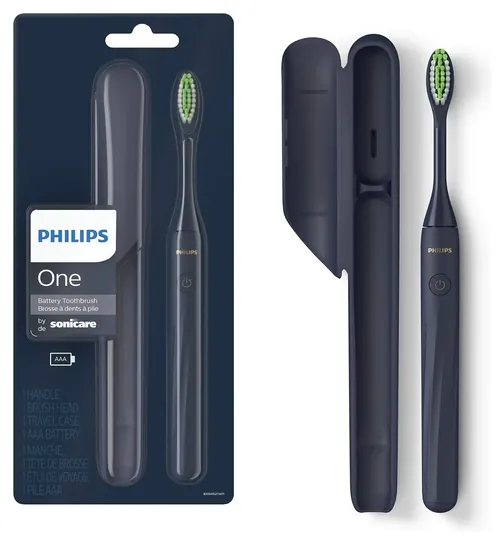
The Philips One by Sonicare now leads this list. It runs for months on one AAA cell and comes with a hard case, so there's no charger to forget and nothing loose in the bag. This page had been retired, and we've brought it back with a fresh list.
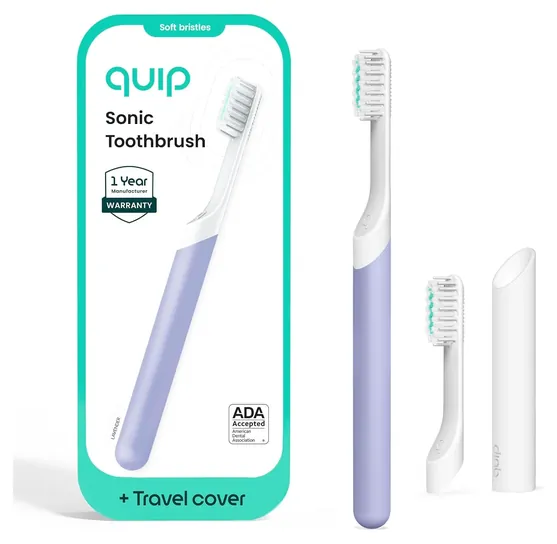
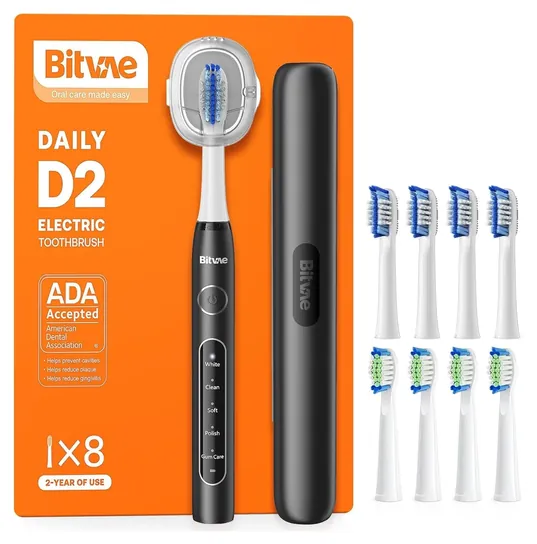
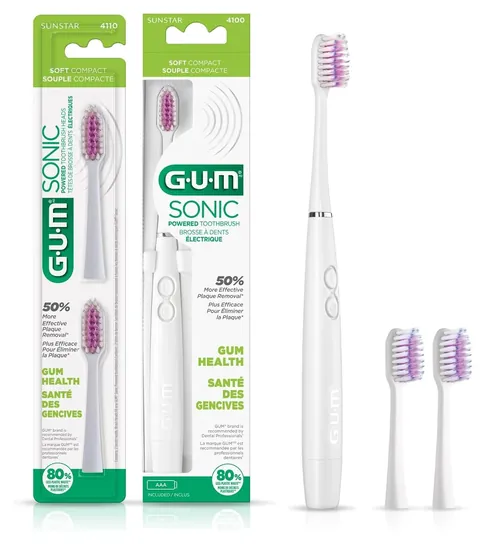
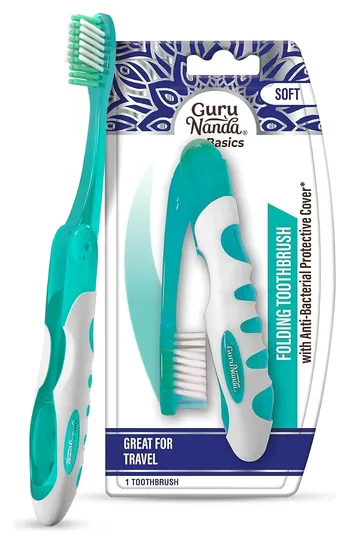
Most of the old picks were gone. The Lingito Folding, Triple Bristle Go and Hello Boo Bamboo can't be bought now, and we dropped the Oral-B Genius X Limited and Oral-B 3D White Action Power, full-size brushes with nothing to cover the head. The GUM Folding Travel, Radius Tour, Dr. Plotka's Mouthwatchers, Colgate Max Fresh Wisp and Aurelle Toob stay. New picks answer the question readers ask most, which powered brush to pack: the quip Sonic, Bitvae D2 and GUM Sonic, plus the GuruNanda Folding as a cheap spare.
The deciding evidence was a Cochrane review that found powered brushes only modestly ahead of manual ones, which is why folding and jackknife brushes still earn half the spots, along with the dental association's advice on storing a damp brush and the makers' battery and refill details.
Earlier notes
May 12, 2020, by Melissa Harr:
Slapping a plastic cover on your toothbrush doesn't take a lot of effort, but these travel toothbrushes are a convenient alternative that make good oral care easy, no matter where you are — and there are no annoying caps to lose in your toiletry organizer. We've kept both electric and non-electric models to suit various needs. In the former category, the Oral-B 3D White Action Power is a popular choice, for good reason. It doesn't require a large upfront investment and runs on batteries so you don't need to carry around a charger. On the "fancier" end of the spectrum, there's the Oral-B Genius X Limited, which connects to your smartphone and does just about everything but make your dental appointments for you. This is something of a double-edged sword, however, as it's just too complicated for some users. But for those who travel often overseas, it's an excellent tool thanks to a multi-voltage charger and robust battery life.
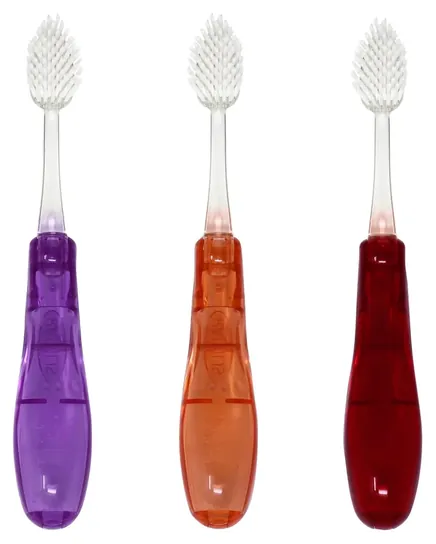
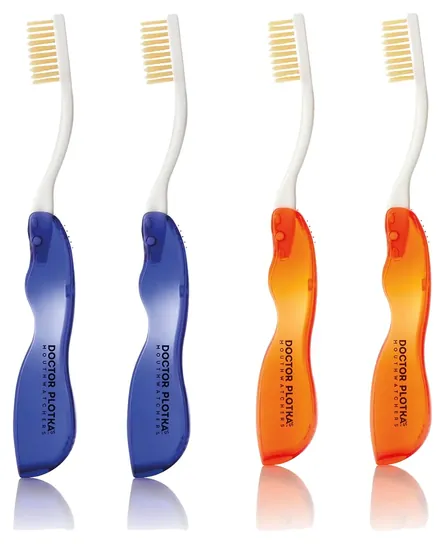
As for non-electric choices, Dr. Plotka's Mouthwatchers and the Radius Tour remain good options for most users. They're lightweight, compact, and uncomplicated — just what you need when you're on the road. We've removed the Dental Source, however, as it's arguably too flimsy for the cost.
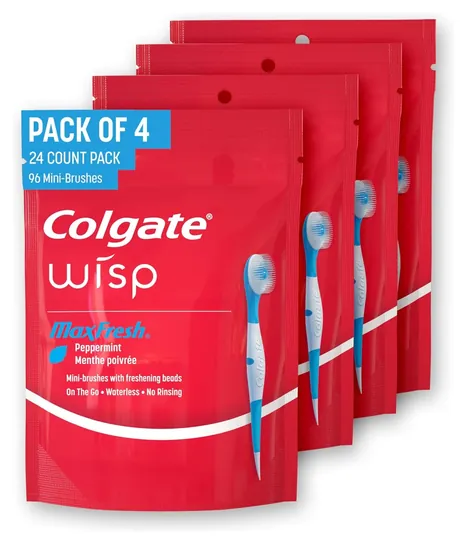
We've also considered the environment in our selections. We ultimately decided to keep the Colgate Max Fresh Wisp, even though they're disposable and so not the best choice when it comes to sustainability. They don't clean as well as a "real" toothbrush, either, so you might rely on them for out-of-the-home hygiene emergencies when you can't get your hands on a bigger, better brush. At the opposite end of the eco-friendly spectrum, we added the Hello Boo Bamboo, which leaves behind only nylon bristles as it decomposes. But using a bamboo toothbrush is not for all, as such options don't have the same mouth feel as plastic — and not everyone likes the sensation.
Do You Need An Electric Brush On A Trip?
So a folding manual brush is a fine choice for a week away.
Probably not for a short trip, though it helps to keep a habit going. A Cochrane review of manual and powered toothbrushes found powered brushes removed about 11 percent more plaque after one to three months of use and about 21 percent more after three months, with gum inflammation down about 6 and 11 percent. The reviewers rated the evidence as moderate and called the clinical importance unclear. Most of the trials used round, rotating heads, and no one powered design proved better than the others.
The American Dental Association says both kinds of brush clean well when used properly. It notes that a powered brush can help people who have trouble moving their hands or who wear braces. So a folding manual brush is a fine choice for a week away. If you use an electric brush at home and like the timer, a battery travel brush keeps the routine the same.
Batteries, Chargers And Covers
A brush that runs on one AAA cell is the simplest to travel with. Spare batteries are sold almost everywhere, and there's no charging stand to leave behind in a hotel room. Philips and quip each claim about three months on a cell at two minutes, twice a day. Treat those as best cases, since real battery life depends on the cell and how hard you press.
Rechargeable travel brushes such as the Bitvae D2 charge over a USB cable, so a phone charger can top them up. They're worth it if you'd rather never buy batteries, but a battery that stops holding a charge ends the brush's life. Full-size rechargeables with a charging stand make poor travel brushes for the same reason.
Look at how the head is covered. Folding brushes tuck the head into the handle, jackknife brushes snap the handle over it, and battery brushes use a cap or case. Packhacker's roundup of travel brushes found the folding GUM brush the most compact and the Philips One case bulky for small pouches. A replaceable head, as on the Radius Tour, quip and Philips One, lets you keep the handle and throw away less plastic.
Packing, Security And Keeping It Clean
Brushes go through airport security without fuss, but toothpaste counts as a liquid or gel. The TSA limits carry-on toothpaste to containers of 3.4 ounces, or 100 milliliters, or less, packed with your other liquids. Larger tubes go in checked bags.
Hygiene is the weak spot of any travel brush. The American Dental Association says a damp brush kept in a closed container grows more microbes than one left to dry in the open air. Shake the brush out, let it dry before you close the cover when you can, and open it again once you arrive. Replace the brush or head every three to four months, or sooner if the bristles fray, and choose soft bristles.
If children travel with you, keep spare batteries out of reach. In 2026 the Consumer Product Safety Commission announced a recall of Autobrush children's toothbrush boxes because small children could get at their coin batteries. None of the brushes on this list uses a coin cell, and we found no recalls for any of them.
How we researched this
We compared 16 travel toothbrushes and read the makers' specs for the 10 picks, weighed a travel gear site's side-by-side roundup, used the Cochrane review and the American Dental Association's guidance on powered brushes and brush care, analyzed owner feedback patterns, and checked each brand against the CPSC recall database. We found no independent lab tests of travel toothbrushes.
Frequently asked questions
What is the best travel toothbrush?
For a powered brush, the Philips One by Sonicare is our pick: it runs on one AAA cell and comes with a hard case. For a manual brush, the GUM Folding Travel folds small and costs little.
Can I bring toothpaste in my carry-on?
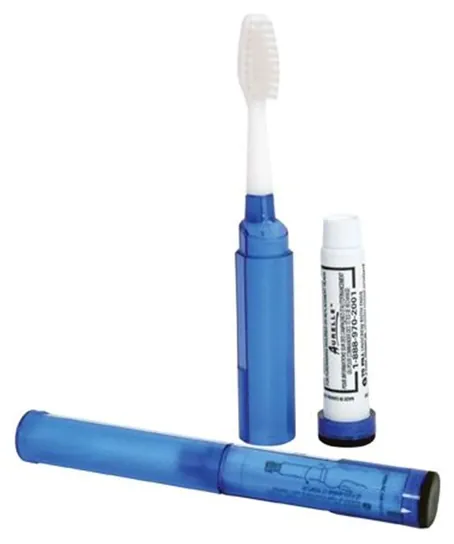
Yes, in a container of 3.4 ounces (100 milliliters) or less, packed with your other liquids, per the TSA. Bigger tubes belong in checked bags. A refillable tube like the one in the Aurelle Toob lets you bring your own paste.
Is an electric toothbrush worth taking on a trip?
It's a choice, not a must. A Cochrane review found powered brushes remove somewhat more plaque than manual ones over months of use, and the dental association says both work when used well. A battery brush keeps your home routine without a charger.
How long does a AAA battery last in a travel toothbrush?
Philips and quip each claim about three months when you brush for two minutes twice a day. Real life varies with the battery, so pack a spare on long trips.
Are disposable brushes like the Colgate Wisp enough?
They're good for freshening up on a flight or between meetings, but they don't replace brushing with toothpaste and water.
How do I keep a travel toothbrush clean?
Let it dry before closing the cover when you can, open it again once you arrive, and replace it every three to four months or when the bristles fray. A damp brush sealed in a case grows more microbes than one that dries in the air.