The 9 Best Airplane Ear Plugs
Updated by · How we research

Filter earplugs for takeoff and landing, kids' sizes and sleep plugs, compared on fit, reuse and noise. Cirrus EarPlanes lead on price and availability. When users buy our independently chosen editorial recommendations, we may earn commissions to help fund the Wiki.
Filter earplugs for flying are cheap, and many travelers swear by them, but the one blinded trial we found saw no drop in ear pain on descent. Treat them as a comfort aid that slows pressure swings and cuts cabin noise, used alongside swallowing and yawning. This list covers filter plugs for adults and kids, plus plain plugs for sleep.


Editor's Notes
November 1, 2026, by Ezvid Wiki Editors:
Cirrus EarPlanes now lead the list. They cost little, they're sold almost everywhere, a child size exists, and Cirrus spells out when to replace them. The finding that shaped the rest of the page was a blinded trial in which a filter plug did not stop ear pain on descent, though most people in it liked the quieter cabin. So we treat these as a comfort aid and rank them on fit, reuse and noise, not on promises.
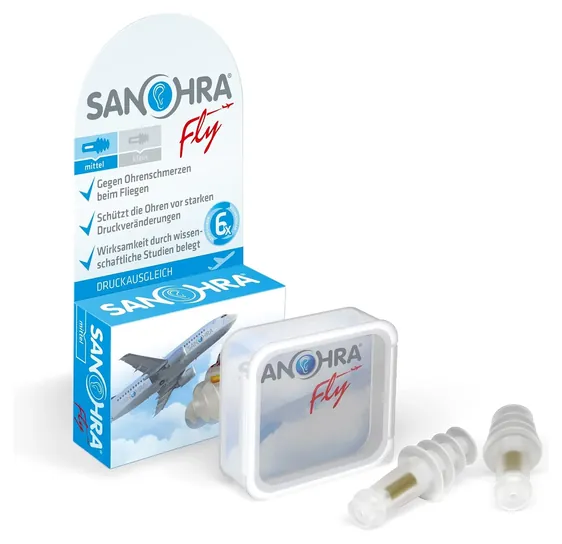
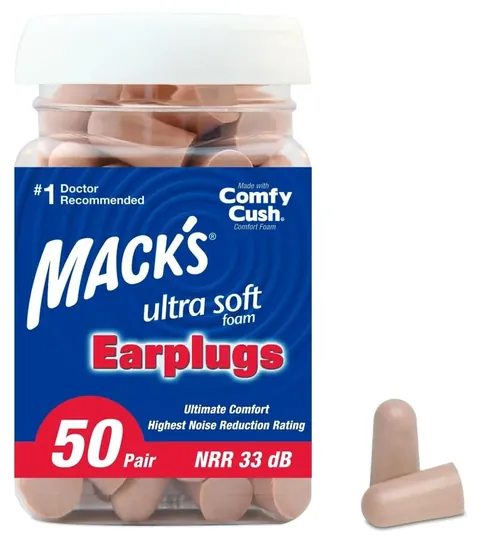
The Pluggerz Uni-Fit Travel and the WinLong plugs are no longer sold, so they're gone. The LaloLab set sold today is a sleep kit without a pressure filter, so it made way for Mack's Ultra Soft Foam for anyone who mainly wants quiet. The Flents PressureEase joins as a low-cost filter plug, though it's new and has little history yet. The Sanohra Fly and Cirrus EarPlanes stay, now under their current versions.
We leaned on the makers' instructions and replacement advice, the noise ratings printed on each pack, a published clinical study and patterns in owner comments about fit.
Earlier notes
October 15, 2019:
There are several ways that air travel is hard on the ears, between the relentless sound of the engine to the baby crying in the back row and the terrible popping that occurs during takeoff and landing. That last issue can cause discomfort for hours or even days after a flight for some. To combat these issues, we found airplane earplugs that will address each of these concerns.
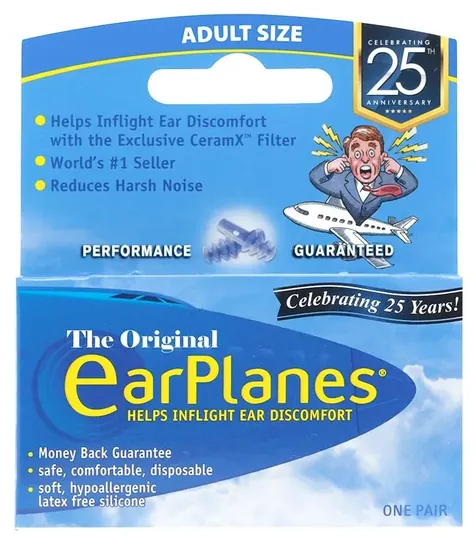
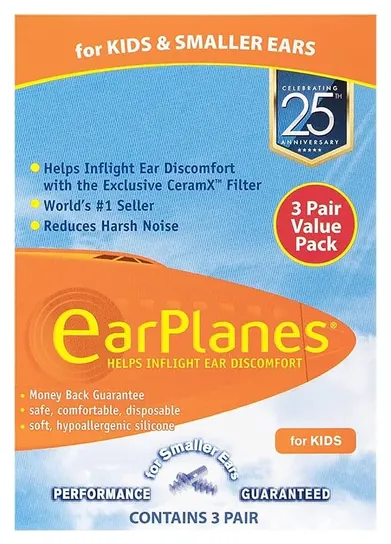
Those with very sensitive inner ears who need dependable pressure equalization should look to the Cirrus EarPlanes, as their patented CeramicX filter does an impressive job of slowing the pressure changes your middle ear experiences. For child travelers and adults with smaller ears, we included the Cirrus EarPlanes For Kids & Smaller Ears. We also have the Sanohra Fly, which many people with pre-existing ear problems report work well enough to keep them pain-free during flight.
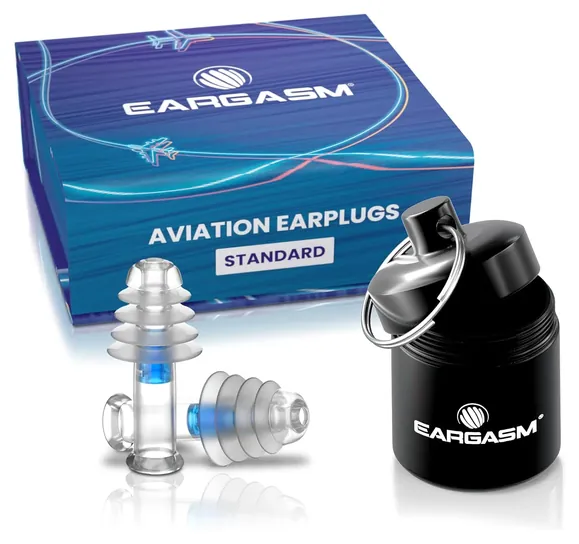
Earplugs are items that are easily destroyed and/or lost, which is why we liked that the LaloLab Sound Blocking come with a hard shell case to keep them safe, and an attached carabiner, making it easy to hook onto your carry-on bag or backpack. The Eargasm Aviation stand out, too, as they have an aluminum case with an attached keyring to protect the pain-relieving, five-flanged plugs.
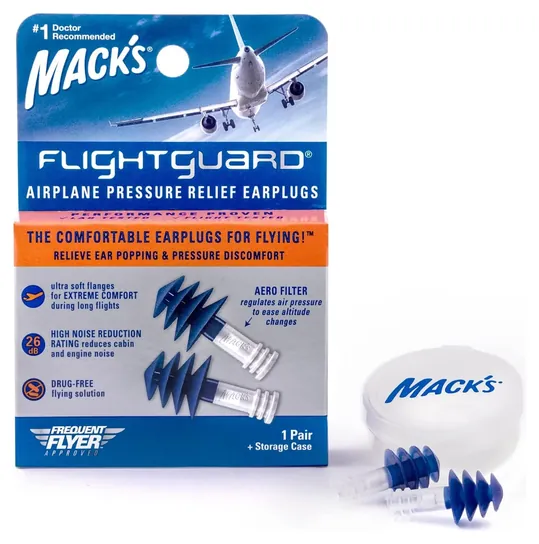
When it comes to drowning out sound, the Mack's Flightguard boast a Noise Reduction Rating of 26 decibels, and the LaloLab Sound Blocking shine again because of their impressive NRR of 28 decibels.
Filter Plugs Versus Plain Earplugs
A foam plug rated NRR 33 cuts far more engine drone than a filter plug rated around 20, as long as it's inserted deep.
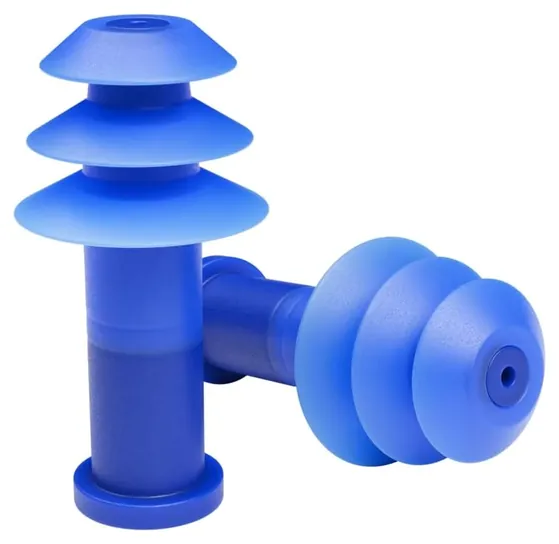
Two kinds of plugs sell for flying. Filter plugs have a soft silicone or rubber body with a tiny porous filter or membrane in the core. The makers say it slows how fast the change in cabin pressure reaches your eardrum, which gives the middle ear more time to catch up during the climb and the descent. Cirrus uses a ceramic filter in EarPlanes, while Alpine, Mack's and Sanohra use their own filters.
Plain foam or putty plugs do nothing special for pressure. They seal the ear and block noise, often more than filter plugs do, which makes them the better choice for sleeping on a long flight. A foam plug rated NRR 33 cuts far more engine drone than a filter plug rated around 20, as long as it's inserted deep.
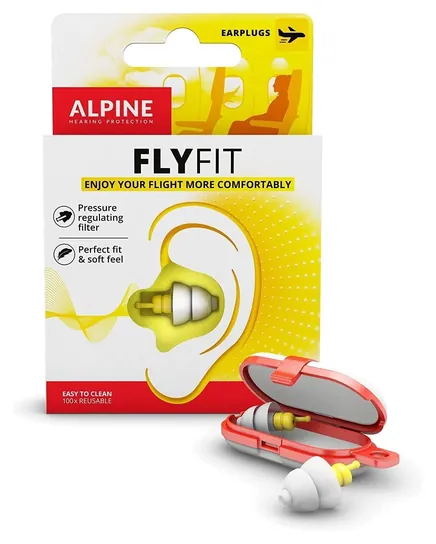
Filters wear out. Cirrus says to replace EarPlanes after four to six flights because dust clogs the pores, and Mack's says frequent users should swap Flightguard plugs every two to four weeks for the same reason. Sanohra rates its Fly plugs for up to six flights, while Alpine claims about 100 uses for the FlyFit. Count the cost per flight, not just the price of the pack.
What The Evidence Says
Makers of filter plugs make bold claims, and many flyers report less popping and pain. The independent evidence is thinner. In a 2005 blinded study in Aviation, Space, and Environmental Medicine, 27 people prone to ear trouble wore a filter plug in one ear and a dummy in the other during a simulated descent. Most liked the lower noise, but pressure in the middle ear changed the same way in both ears, and the authors concluded the plugs could not be recommended to prevent ear injury.
One study of one plug doesn't settle the question, and newer designs differ. It does mean you shouldn't count on plugs alone. Mack's itself calls Flightguard an aid and tells wearers to keep clearing their ears: swallow, chew gum, yawn, or pinch the nose and blow gently, starting before the descent rather than after the pain begins.
Noise ratings are lab numbers. The NRR on U.S. packs and the SNR on European ones come from fitted tests, and real-world protection is usually lower when a plug sits shallow. No maker's flight claim we found rests on a published trial.
When To Wear Them, And Who Should Skip Them
Timing matters more than brand. Cirrus says to insert EarPlanes before takeoff and again before landing, and to leave them in until the cabin pressure settles. Sanohra says to put its plugs in about 45 minutes before landing, and to wear them the whole flight on trips under 90 minutes. Pain is most common on the way down, so don't wait for the seatbelt sign.
Fit decides whether any plug works. Twist a flanged plug in gently while pulling the top of the ear up and back until it seals. If it won't seal, try a smaller size: Cirrus sells a child size that also fits adults with narrow canals.
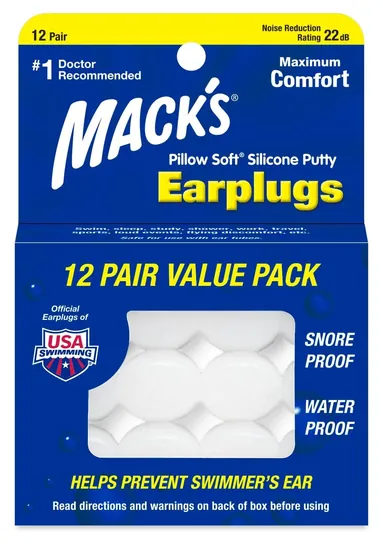
Kids need care. Mack's designed Flightguard for older kids and adults, suggests its putty plugs for children six and under, and says an adult should supervise. Plugs are a choking risk for small children. If you have an ear infection, a bad cold or recent ear surgery, ask a doctor before flying with plugs, and see one if ear pain lasts after landing. Wash reusable plugs with mild soap and warm water and let them dry before storing them in the case.
How we researched this
We compared 19 airplane and travel earplugs, read the makers' instructions, replacement advice and noise ratings for the 9 picks, reviewed a published clinical trial on filter earplugs, analyzed owner feedback on fit and comfort, and checked every brand for recalls with the U.S. Consumer Product Safety Commission.
Frequently asked questions
Do airplane earplugs really prevent ear pain?
Many flyers say filter plugs help, but the one blinded trial we found saw no protection against ear injury on descent. Use them as a comfort aid and keep swallowing, chewing gum or yawning as the plane comes down.
How many flights does a pair last?
It depends on the filter. Cirrus says four to six flights for EarPlanes, Sanohra says up to six, Mack's says replace Flightguard every two to four weeks with frequent use, and Alpine claims about 100 uses for the FlyFit.
Can children wear airplane earplugs?
Older children can wear a child-size plug such as EarPlanes Kids with an adult's help. They aren't for babies or toddlers, and small plugs are a choking risk. Ask a doctor first if your child has ear trouble.
When should I put them in?
Before takeoff and again before the descent begins. Sanohra suggests about 45 minutes before landing. Leave them in until the pressure in your ears feels even after landing.
Will I hear announcements with them in?
Usually yes. Filter plugs cut noise only moderately, so voices and announcements still come through. Deep foam plugs block much more, so a seatmate may need to wake you.
Which earplugs are best for sleeping on a plane?
Plain foam or moldable putty plugs block more noise than filter plugs. Putty sits over the ear opening, which is comfortable against a headrest, while foam blocks the most sound when inserted deep.