The 10 Best Survival Backpacks
Updated by · How we research

Tactical packs, hiking packs and ready-made kits compared on comfort, size and build. The Reebow Gear 3-Day wins on value; the Osprey Kestrel 38 carries best. When users buy our independently chosen editorial recommendations, we may earn commissions to help fund the Wiki.
Water is the load that breaks most survival pack plans. Ready.gov counts a gallon per person per day, and three days of that weighs about 25 pounds before any food or gear. So most adults do better with a 30- to 40-liter bag and a filter than a giant rucksack. This list covers tactical packs, hiking packs and ready-made kits.


Editor's Notes
November 1, 2026, by Ezvid Wiki Editors:
The Reebow Gear 3-Day now leads this list. It's cheap, tough enough for a bag that lives in a closet or a car, and it's one of only two old picks still worth buying. The other is the First My Family 4 Person kit. The Sustain Supply Co. Comfort2, Osprey Exos 48, 3V Gear Paratus Operator's and Emergency Zone Urban can't be bought now, and the Mardingtop 65+10L was nearly sold out and overlapped two new frame packs. The Mardingtop 28L takes over from the Mardingtop Tactical, and the Redfora Complete Earthquake kit and an old house-brand hiking pack are gone too.
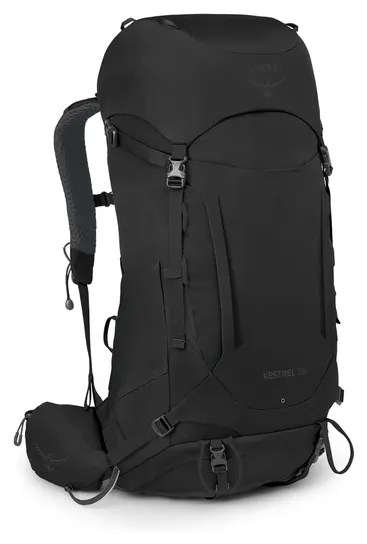
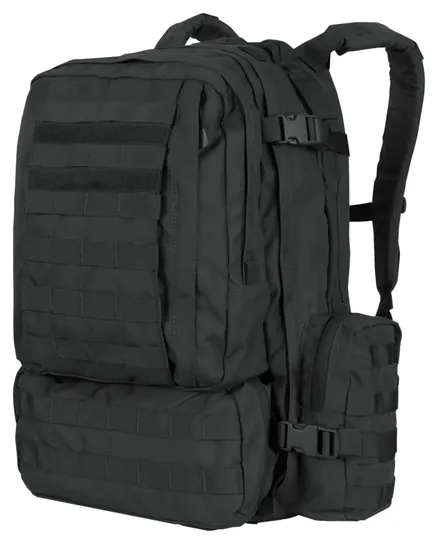
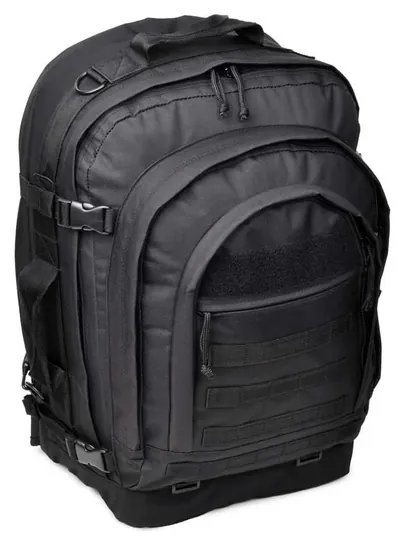
The page still covers three kinds of bag: tactical packs, hiking packs for walking out, and ready-made kits, which now sit at the end. New picks include the Osprey Kestrel 38, the Condor 3 Day Assault Pack and the Sandpiper of California Bugout. The best evidence here was a three-month field test of bug-out packs by Survival Stoic, backed by makers' warranty terms, Ready.gov's kit list and the complaints that keep coming up about thin waist belts and loose zipper pulls on budget packs.
Earlier notes
April 16, 2020, by Melissa Harr:
Due to availability issues, we've opted to remove the First Aid Global Disaster Pack and the Ultimate Arms Gear Wise Company 5-Day; the Ready America 70280 Emergency Kit was also removed over worries about missing masks and gloves. But there are plenty of handy ready-to-use kits available, including the popular Sustain Supply Co. Comfort2. It can keep two people fed and hydrated for up to 72 hours, and unlike many, it includes a stove so you don't have to eat cold, unappetizing meals. If your budget doesn't allow for this slightly high-priced option, there's also the Redfora Complete Earthquake. It comes in a variety of sizes to accommodate from 1 to 6 people, but the included backpack isn't the best quality, so you may want to replace it.
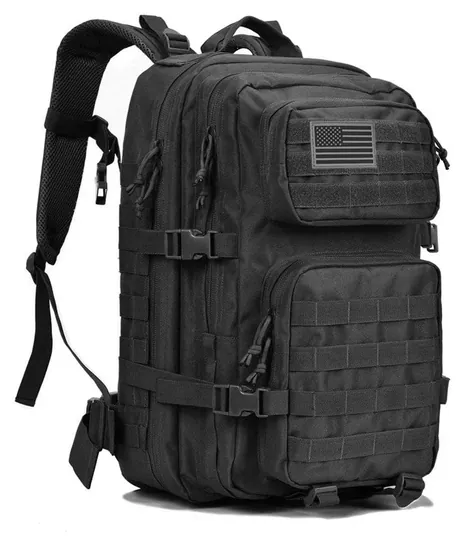
For those who need such a replacement bag, or for those who want to construct their own bug out kit from the ground up, we've kept a selection of backpacks to help you do just that. These include several with survivalist styling and features, including the 3V Gear Paratus Operator's and the Mardingtop Tactical. With these, adding and organizing survival items is a breeze thanks to their MOLLE webbing and ample pockets. The Reebow Gear 3-Day is another well-regarded choice, although its straps are not the strongest of the bunch.
We've also selected a couple of internal frame backpacks, such as would be used for hiking. They don't have tactical styling, so they're a good choice for those who prefer "gray man" strategies. These include the Osprey Exos 48 and the AmazonBasics Hiking. As you can probably guess, the Osprey is both the more expensive and the more durable of the two, but the AmazonBasics model is nevertheless a workable choice for those on a budget. It's offered in several sizes for your convenience.
Special Honors
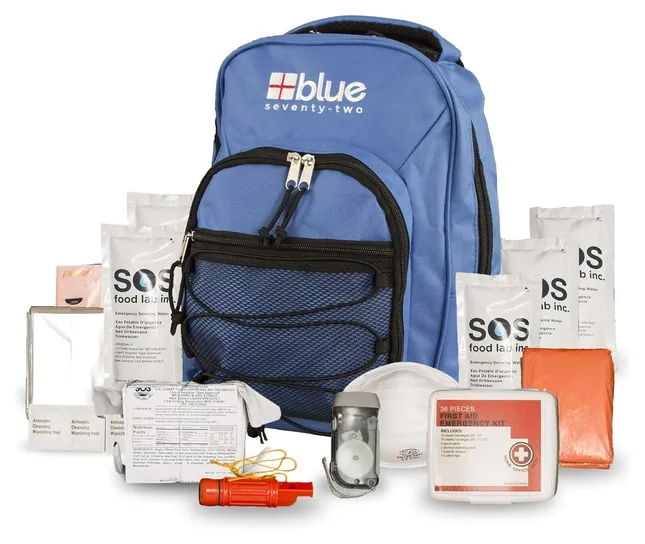
Uncharted Supply Co. Uncharted Supply Co. sells premium ready-made kits on its own site, including the one-person Seventy2 Core and the two-person SEVENTY2.0 Pro. They cost far more than the kits above, but they suit buyers who want higher-grade gear packed for them. unchartedsupplyco.com
Echo-Sigma Echo-Sigma builds ready-made bags for specific jobs, from one- to three-day get-home bags to week-long bug-out bags, a pet pack and a power-outage bag. It's worth a look for a stocked bag that fits one scenario. echo-sigma.com
How Big A Pack You Actually Need
No one carries three days of it on foot, so pack a liter or two plus a filter or purification tablets, and plan your route past water.
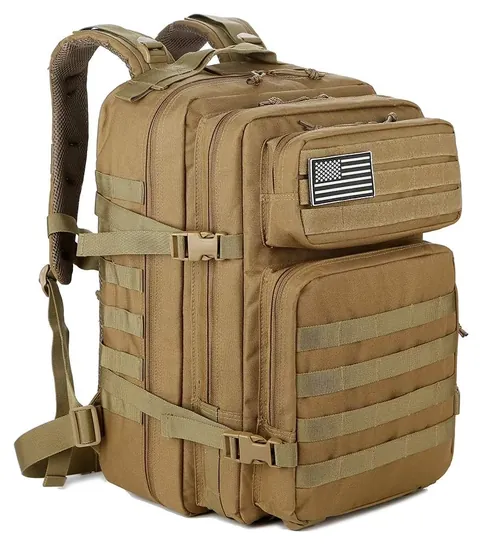
Most people pack too much. Survival Stoic, which carried bug-out packs in the field for months, suggests 30 to 40 liters for most adults and says to cut gear before you buy a bigger bag. A 40-liter pack like the Reebow Gear 3-Day holds three days of food, a shelter layer, first aid and a filter.
Water is the reason. Ready.gov counts one gallon per person per day, and a gallon weighs a little over 8 pounds. No one carries three days of it on foot, so pack a liter or two plus a filter or purification tablets, and plan your route past water.
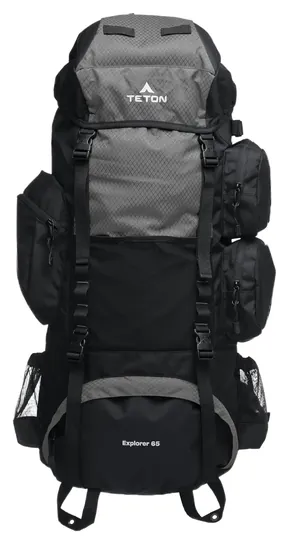
Go bigger, 50 to 65 liters, only when the plan needs it: cold-weather sleeping gear, gear for small children, or several days on foot. A big pack tempts you to fill it, and a loaded bag you can't carry for hours is no help. Load yours fully and walk a few miles with it before you count on it.
Tactical, Hiking Or Ready-Made
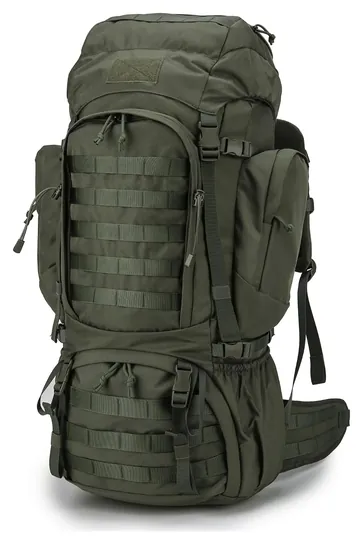
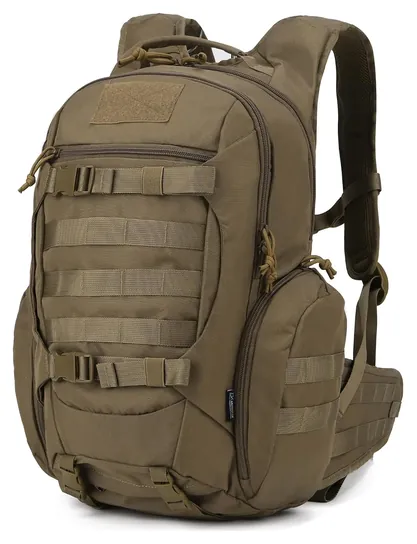
Tactical or assault packs are cheap, tough-looking and covered in MOLLE webbing, a grid of sewn straps for attaching pouches. They suit a bag that sits in a closet or trunk. Their weak point is the waist belt: on budget models it's a thin strap, so the weight rides on your shoulders. They also look military, which some people would rather avoid in a crowd.
Hiking packs, like the Osprey Kestrel 38, have a frame and a padded hip belt that move most of the weight to your hips, which matters over several miles. They lack webbing, but their plain look draws less notice. Osprey also promises to repair damage to its packs for any reason under its All Mighty Guarantee.
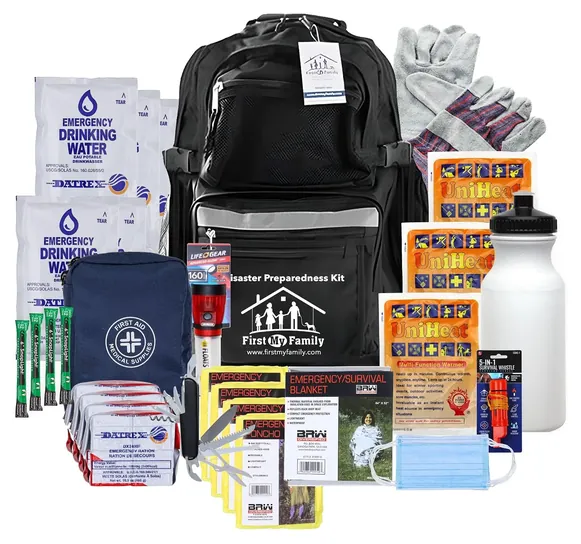
Ready-made kits put food, water and first aid in a bag in one purchase. Treat them as a start, not a finished plan. CNN Underscored found that most of the ready-made bags it reviewed lacked one or two items experts recommend, and kit packs are usually basic.
Packing, Rotating And Flying With It
Ready.gov's basic kit list covers water, food, a battery or hand-crank radio, a flashlight, first aid, a whistle, a dust mask, a multi-tool, local maps and a phone charger. Add prescriptions, copies of documents, cash and a change of clothes, and pack for children or pets if you have them.
Supplies don't last forever. Emergency food bars and water pouches in most kits are rated for about five years, and batteries, light sticks and medicines expire sooner. Put a reminder on your calendar to check the bag every six months to a year and swap anything near its date.
Keep the bag out of a plane's cabin. The TSA bars knives from carry-on bags, and many kits include a knife, a multi-tool or fire starters, so they go in checked luggage, if at all. Store the bag in a cool, dry place, and air it out and wipe the zippers after a wet trip.
How we researched this
We compared 20 packs and ready-made kits, read maker pages and spec sheets for the 10 picks, studied a field test of bug-out packs and a published review of a hardshell pack, analyzed owner feedback, and checked each brand against the U.S. Consumer Product Safety Commission's recall database. We found no independent lab tests for the budget tactical packs or the kits.
Sources (10)
- Survival Stoic: best bug-out bag backpacks (field test)
- Ready.gov: build a kit
- TSA: knives
- Osprey: All Mighty Guarantee (osprey.com)
- Sandpiper of California: Bugout Bag
- CNN Underscored: best bug-out bags
- Off Grid Web: Hazard 4 Pillbox review
- Uncharted Supply Co.: survival systems
- Echo-Sigma: emergency kits
- CPSC recalls
Frequently asked questions
What should go in a survival backpack?
Ready.gov's basic list is water, food, a radio, a flashlight, first aid, a whistle, a dust mask, a multi-tool, local maps and a phone charger. Add medicines, cash, document copies, a change of clothes and a water filter.
How big should a survival backpack be?
For most adults, 30 to 40 liters is enough for three days. Go to 50 to 65 liters only for cold-weather sleeping gear, children's gear or several days on foot.
Is a tactical or a hiking backpack better for survival?
A tactical pack is cheap, tough and easy to add pouches to, which suits a bag stored at home or in a car. A hiking pack with a frame and hip belt is far more comfortable for walking long distances and looks less conspicuous.
Should I buy a pre-packed kit or build my own?
A pre-packed kit gets you started fast. Most still miss some items, so add medicines, a filter, a radio, cash and clothes, and check the expiration dates on food and water.
Can I take a survival backpack on a plane?
Not as a carry-on if it holds a knife or other blades, which the TSA bars from the cabin. Put those items in checked luggage or leave them at home.