The 10 Best Science Fiction Books
Updated by · How we research

Classics and modern hits compared on story, big ideas and how easy they are to start. Frank Herbert's Dune leads; Project Hail Mary is the easiest first read. When users buy our independently chosen editorial selections, we may earn commissions to help fund the Wiki.
Science fiction's awards are the closest thing it has to an independent test: fans vote on the Hugo, fellow writers pick the Nebula, and novels that win both are rare. This list leans on that record and on decades of readers coming back, and it's for anyone choosing a first science fiction novel or hunting for the next one.


Editor's Notes
November 1, 2026, by Ezvid Wiki Editors:
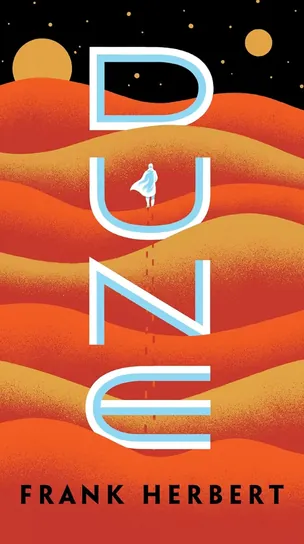
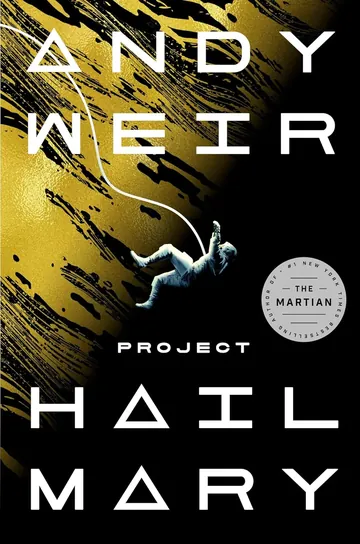
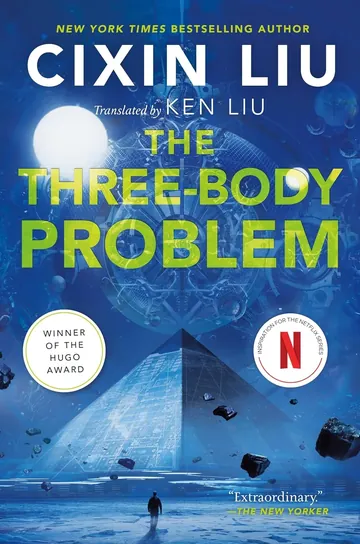
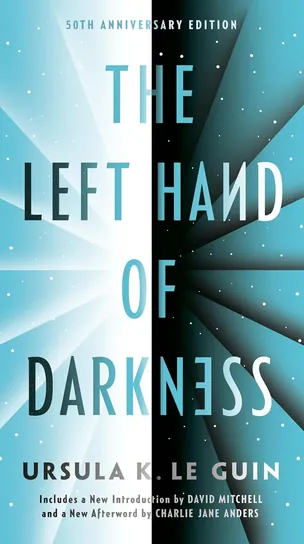
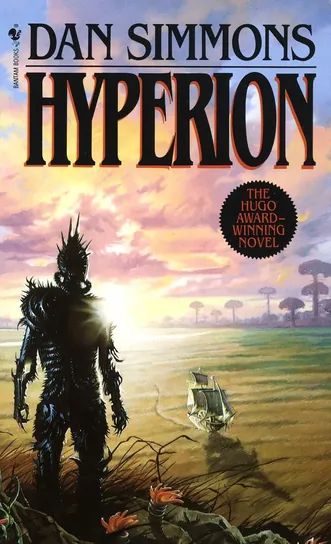
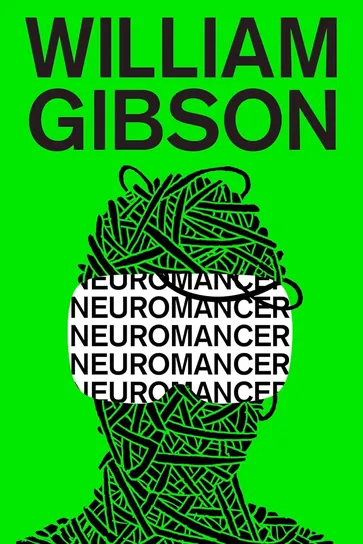
Dune is back, and it now leads the list. An earlier version swapped Dune and Ender's Game out for newer titles on the theory that fans already know them. But most people looking for the best science fiction are looking for exactly those books, so both returned, along with Project Hail Mary, The Three-Body Problem, The Left Hand of Darkness, Hyperion and Neuromancer.
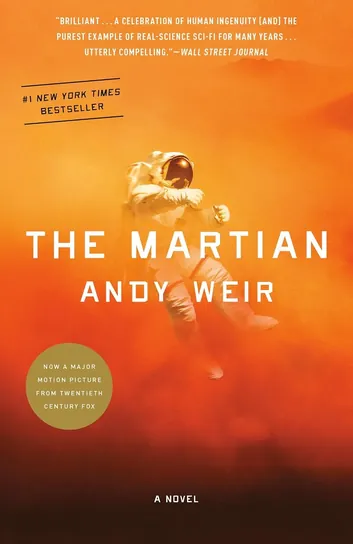
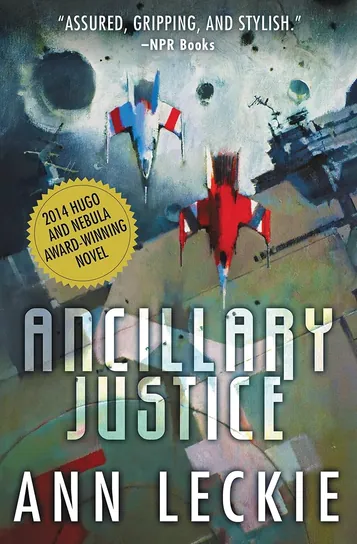
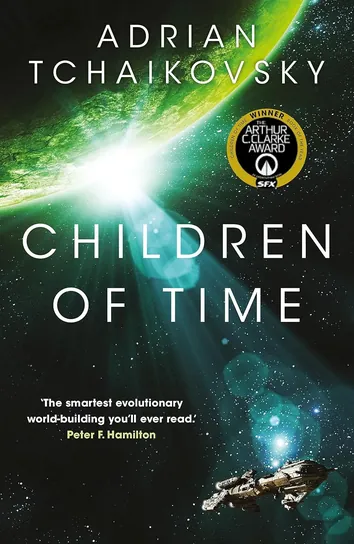
The Martian, Ancillary Justice and Children of Time stay. Wool, Dark Matter, Ready Player One, Infinity Born, Old Man's War, House of Suns and Red Rising are gone. Wool's print edition was nearly sold out, Red Rising's war-school story covers the same ground as Ender's Game, and the rest didn't hold up against the award winners.
The evidence here is the Hugo, Nebula and Arthur C. Clarke records, critics' all-time lists and how steadily each book is still read decades on. If you're new to the genre, start with Project Hail Mary or The Martian, then try Dune.
Earlier notes
April 25, 2019, by Quincy Miller:
While "Dune" and "Ender's Game" are no doubt titans of the genre, they're also likely to be among the first titles fans read when discovering science fiction. We felt those looking for fresh stories would benefit from newer options, which is why we swapped out those classics for "Dark Matter" and "Infinity Born". Note that this not a critique of those books per se, but rather an acknowledgment that fans likely don't need to be reminded just how good they are by the likes of us.
Wool is another fresh addition; it was a self-published sensation, and for good reason. While post-apocalyptic fiction isn't always considered a part of the genre, this novel has plenty else in its corner — and plus, it's just too good to leave off.
Special Honors
Libby Libby is the free app that public libraries use to lend ebooks and audiobooks. With a library card you can borrow most of the novels on this list without buying them, and audiobook holds are often shorter than print. Wait times vary by library. libbyapp.com
Internet Speculative Fiction Database The Internet Speculative Fiction Database is a free, volunteer-run catalog of science fiction and fantasy. It lists every edition, series order and award nomination for an author, which helps when you want the next book in a series or a winner you missed. isfdb.org
Where To Start If You're New
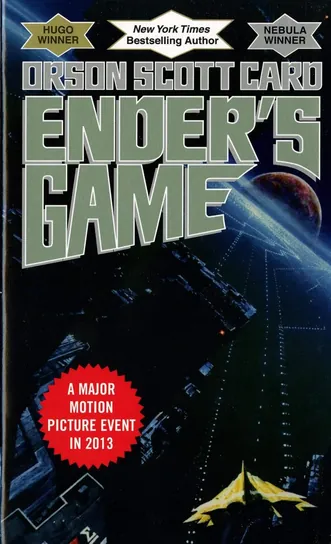
Ender's Game is also quick and works for teens, though its violence is hard-edged.
The easiest way in is a self-contained book with a clear goal. Project Hail Mary and The Martian both follow one person solving problems to survive, with the science explained in plain talk, and neither needs a sequel. Ender's Game is also quick and works for teens, though its violence is hard-edged.
The heavier classics reward patience. Dune runs close to 900 pages in its mass-market edition, according to Wikipedia's entry on the novel, and its first chapters lean on invented words. The Left Hand of Darkness is under 300 pages but slow to warm up. Neuromancer is short, yet its prose is so dense that many readers restart it once.
Also check whether a book stands alone. The Three-Body Problem, Hyperion and Ancillary Justice all end with the larger story unfinished, so plan on the next book. Children of Time wraps up its own plot even though sequels exist.
What The Big Awards Tell You
Three prizes do most of the work in sorting science fiction. The Hugo Awards are voted on by members of each year's World Science Fiction Convention, so they reflect what dedicated fans loved. The Nebula Awards are chosen by members of the Science Fiction and Fantasy Writers Association, so they're closer to a peer verdict. The Arthur C. Clarke Award is picked by a small British jury and often favors more literary books.
A novel that wins both the Hugo and the Nebula has pleased fans and writers at once. Dune, The Left Hand of Darkness, Neuromancer, Ender's Game and Ancillary Justice all did, and Ancillary Justice took the Clarke the same year. Neuromancer also won the Philip K. Dick Award, which honors paperback originals.
Awards aren't everything. Project Hail Mary was a Hugo finalist rather than a winner, and The Martian won no major novel prize, yet both are among the most widely recommended starting points.
Read First Or Watch First
Many of these books have screen versions, and the order you choose changes the experience. Denis Villeneuve's Dune films (2021 and 2024) cover the first novel, and a third film based on Dune Messiah is due December 18, 2026, according to the film's Wikipedia entry. Reading the book first helps with the names and politics the films skip.
Netflix adapted The Three-Body Problem as 3 Body Problem in 2024, moving much of the action to England. The Martian became a Ridley Scott film in 2015, and Project Hail Mary reached theaters in March 2026 with Ryan Gosling as the teacher. The Ender's Game film came out in 2013.
Tie-in printings often carry a movie or streaming badge on the cover, as several picks here do. The text inside is the same novel, so pick whichever cover or format you like. Mass-market paperbacks are the cheapest and smallest; trade paperbacks and hardcovers have larger, easier type.
How we researched this
We compared about 20 science fiction novels, checked each against the Hugo, Nebula, Arthur C. Clarke and Locus award records, read publishers' details and critics' all-time lists, and weighed how steadily readers still pick each one up. Books carry no safety recalls, so we noted mature content instead.
Sources (13)
- Wikipedia: Dune (novel)
- Wikipedia: Project Hail Mary
- Wikipedia: The Martian (Weir novel)
- Wikipedia: The Three-Body Problem (novel)
- Wikipedia: Hyperion (Simmons novel)
- Wikipedia: The Left Hand of Darkness
- Wikipedia: Ancillary Justice
- Wikipedia: Neuromancer
- Wikipedia: Children of Time (novel)
- Wikipedia: Ender's Game
- The Hugo Awards
- SFWA: The Nebula Awards
- The Arthur C. Clarke Award
Frequently asked questions
What is the best science fiction book of all time?
Dune is the title named most often. It won the first Nebula for best novel, shared the Hugo, and still shapes the genre. The Left Hand of Darkness and Neuromancer come up nearly as often among critics.
What science fiction book should a beginner read first?
Project Hail Mary or The Martian. Each is a single, self-contained story with short chapters and plain explanations of the science.
What's the difference between hard and soft science fiction?
Hard science fiction builds its plot on real physics and engineering, as The Martian does. Soft science fiction cares more about societies, politics and people, as The Left Hand of Darkness and Dune do.
Do I need to read the sequels?
For The Three-Body Problem, Hyperion and Ancillary Justice, yes, if you want the full story. Dune, Children of Time and Ender's Game end cleanly enough to stop after one book.
Are these books OK for teens?
Ender's Game and The Martian are common teen reads, though The Martian has heavy swearing. Hyperion has graphic violence and sex, and Neuromancer includes drug use, so they suit older readers.