The 10 Best Screenwriting Books
Updated by · How we research

Ten screenwriting books compared by approach, depth and edition, from beat sheets to the business. Save the Cat! is the best first read for new writers. When users buy our independently chosen editorial recommendations, we may earn commissions to help fund the Wiki.
Nearly every structure system taught to screenwriters, from three acts to fifteen beats to the hero's journey, describes patterns in finished films, not rules a script must obey, and their authors openly disagree. These books suit new writers drafting a first feature, working writers stuck on a rewrite and anyone curious how Hollywood decides what gets made.


Editor's Notes
November 1, 2026, by Ezvid Wiki Editors:
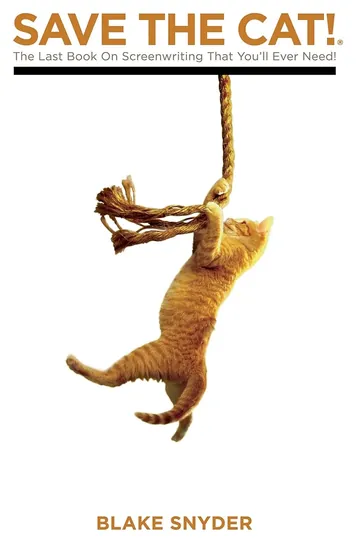
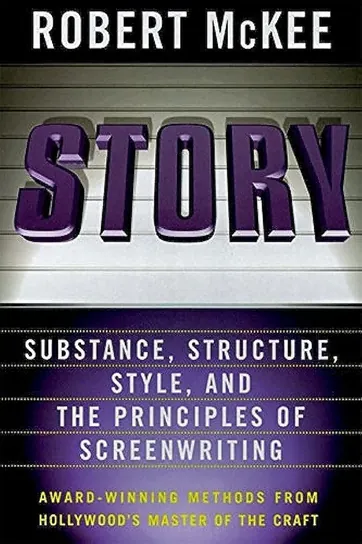
Save the Cat! now leads this list. Its beat sheet is not the last word on structure, but it gets a beginner from an idea to an outline faster than anything else here, and Robert McKee's Story follows for writers who want the deep version.
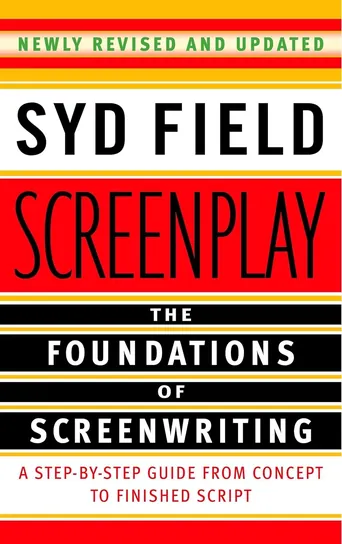
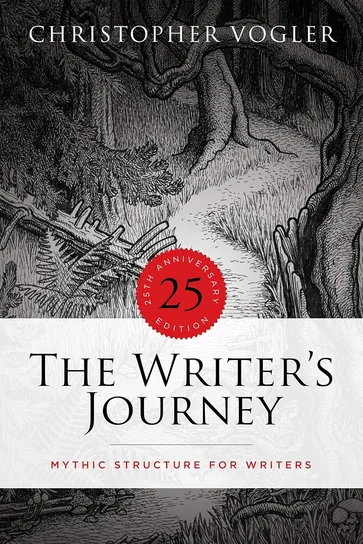
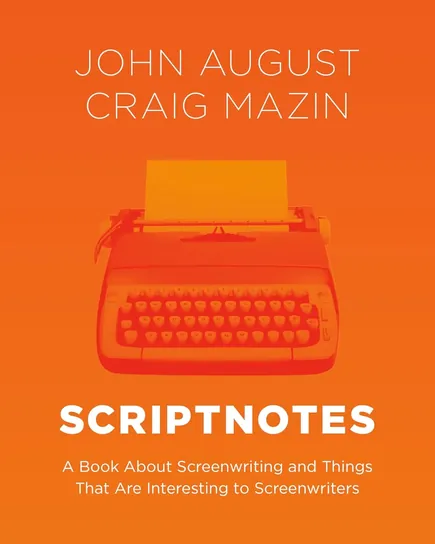
We brought this page back after finding writing-resource sites that still link to it. Nine of the earlier picks stay. Your Screenplay Sucks! is gone: we found little outside discussion of it, and its fix-it checklist overlaps The Screenwriter's Bible. Scriptnotes, a new book from the hosts of a long-running podcast, takes its place, and The Writer's Journey is now listed in its 25th anniversary edition. Syd Field's Screenplay stays, though copies were scarce when we checked.
With craft books, the evidence is each book's record: when it first appeared, which edition is current, who teaches from it, and what rival teachers and folklorists have argued against it. Read two with opposing models before trusting either one.
Earlier notes
November 6, 2019, by Daniel Imperiale:
One could easily make the argument that Hollywood movies have become more formulaic over the years. Whether or not you think this is a bad thing, it has resulted in an environment in which screenwriting books have a lot of the same things to say about structure. Where they have an opportunity to vary is in the understanding of how and why certain structures prevail on screen, how to build unique and compelling characters within those structures, and how to interpret your story in the context of film history in a way that can inform the particular structural tools you should apply.
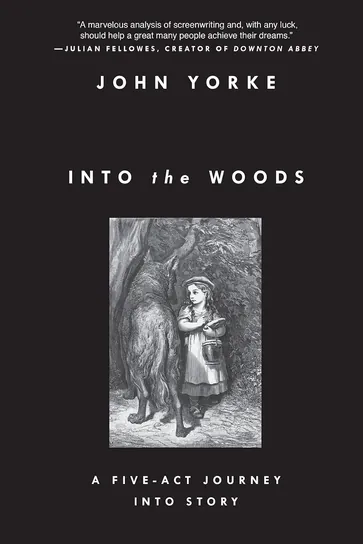
The heavy hitters in this category have all remained so for many years, with some titles reaching back into the heyday of American independent cinema, so the list as a whole didn't see a big shakeup. The arrival of John Yorke's fantastic Into The Woods is an exception that forced us to remove another tome from the ranking, and we chose Making a Good Script Great for the chopping block, as it was perhaps the most remedial volume in the bunch.
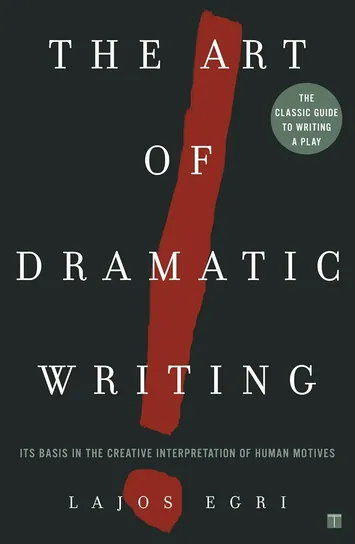
The Art Of Dramatic Writing is likely the best option for character development, as it teaches writers to begin with a premise and develop their characters in relation to it, where Christopher Volger's The Writer's Journey works more from a hero's journey perspective, which — if you're not careful — can result in passive protagonists who let the story drive them, rather than the other way around.
Special Honors
Writers Guild Foundation Library The foundation keeps a library and archive of scripts and writing history, with research visits by appointment and talks with working writers. wgfoundation.org
Scriptnotes Podcast John August and Craig Mazin's weekly show about screenwriting and the business has run since 2011. The main episodes are free, and it pairs well with their book. scriptnotes.net
Pick By Where You Are In The Process
Once a draft exists and something feels off, the longer books earn their weight.
A first book should get you writing, not reading. Save the Cat! and Syd Field's Screenplay are the usual on-ramps because each gives one model you can apply to an outline the same week. Field's three-act paradigm, first published in 1979, sets up the story in the first act, turns it with a plot point, and puts a midpoint roughly halfway through a 120-page script (Wikipedia: Syd Field). Snyder's 2005 beat sheet splits the same ground into 15 named beats (Wikipedia: Blake Snyder).
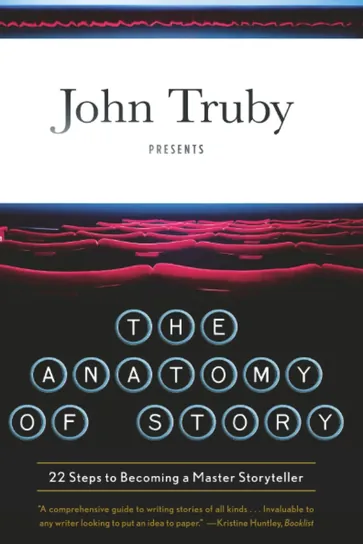
Once a draft exists and something feels off, the longer books earn their weight. Robert McKee's Story grew out of a seminar he started at the University of Southern California in 1983, and film courses still assign it (Wikipedia: Robert McKee). John Truby's Anatomy of Story and Lajos Egri's Art of Dramatic Writing start from character instead of act breaks, which helps when the plot works but nobody on the page feels alive.
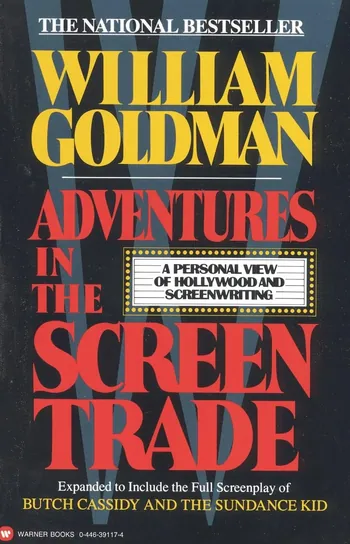
If the question is how the business works, read William Goldman. Adventures in the Screen Trade, from 1983, is where his line "Nobody knows anything" comes from (Wikipedia).
Structure Models Disagree, And That Helps
Count the systems and they don't agree: three acts for Field, 15 beats for Snyder, 22 steps for Truby, five acts for John Yorke, 12 stages for Christopher Vogler. Truby openly rejects Field's paradigm as formulaic (Wikipedia: John Truby). Critics have blamed Save the Cat for same-shaped studio films, and The New York Times asked whether it caused that trend or simply described it (Wikipedia: Blake Snyder). McKee answers his own critics by pointing out that his principles go back to Aristotle.
Vogler's hero's journey adapts Joseph Campbell's monomyth, and folklorists such as Alan Dundes have argued that Campbell picked the myths that fit his pattern (Wikipedia: Hero's journey). Yorke, a former BBC drama executive, argues that the five-act shape sits under all of these (Wikipedia: John Yorke).
The practical lesson is to use each model as a lens on a draft you already have. If two models describe your story's problem the same way, you have probably found it.
Format, Editions And Reading Real Scripts
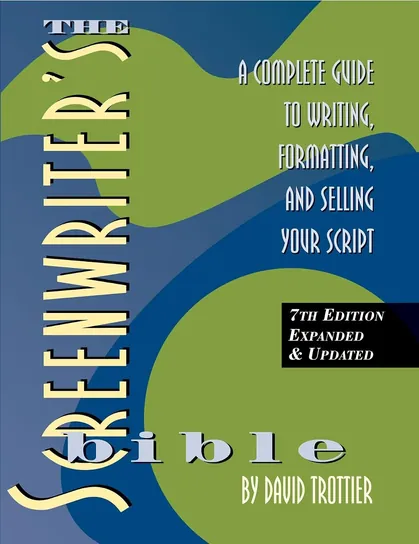
Structure books say little about how a script should look on the page. For scene headings, transitions, montages and phone calls, a format reference such as The Screenwriter's Bible (seventh edition, 2019) or Christopher Riley's The Hollywood Standard (third edition, 2021) does that job. Script software handles margins, but not every judgment call.
Check the edition before you buy. Field's Screenplay was revised in 2005, and Vogler's The Writer's Journey reached its 25th anniversary edition in 2020 (Wikipedia). Older editions teach the same craft, but their advice about the market and technology ages fastest.
No book replaces reading produced screenplays. The Writers Guild Foundation runs a library and archive of scripts, and the hosts of Scriptnotes have discussed craft and the business weekly since 2011 (Wikipedia: Scriptnotes).
How we researched this
We compared 16 screenwriting books, confirmed the current edition, publisher and page count of each, read published background on every author and method, including criticism from other teachers and scholars, and judged each book on what it teaches and who it suits. Updated November 1, 2026 by Ezvid Wiki Editors.
Sources (14)
- Wikipedia: Blake Snyder
- Wikipedia: Robert McKee
- Wikipedia: Syd Field
- Wikipedia: John Truby
- Wikipedia: Lajos Egri
- Wikipedia: John Yorke (producer)
- Wikipedia: Adventures in the Screen Trade
- Wikipedia: William Goldman
- Wikipedia: The Writer's Journey
- Wikipedia: Hero's journey
- Wikipedia: Scriptnotes
- Scriptnotes
- Writers Guild Foundation
- Save the Cat!
Frequently asked questions
What is the best screenwriting book for beginners?
Save the Cat! by Blake Snyder is the quickest way from an idea to an outline. Syd Field's Screenplay is the classic alternative and teaches the three-act model it made famous.
Is Save the Cat a formula?
It can be used as one. Snyder's 15 beats describe how many studio films are built, and critics say tying them to page numbers encourages formulaic scripts. Use the beats to diagnose a draft, not to fill one in.
Who came up with three-act structure?
Aristotle described a whole story as having a beginning, a middle and an end. Syd Field turned that into the three-act paradigm with plot points in his 1979 book Screenplay, and most later systems respond to his.
Is the hero's journey a rule every story follows?
No. Christopher Vogler adapted it from Joseph Campbell's monomyth, and folklorists argue Campbell chose the myths that fit. It helps with quest stories and less with quiet dramas.
Is screenwriting easier than writing a novel?
It is different, not easier. A script is shorter and leaner, but it must follow a strict format and tell the story through what can be seen and heard. Books like Story and The Anatomy of Story cover both forms.