The 9 Best Radiator Stop Leaks
Updated by · How we research

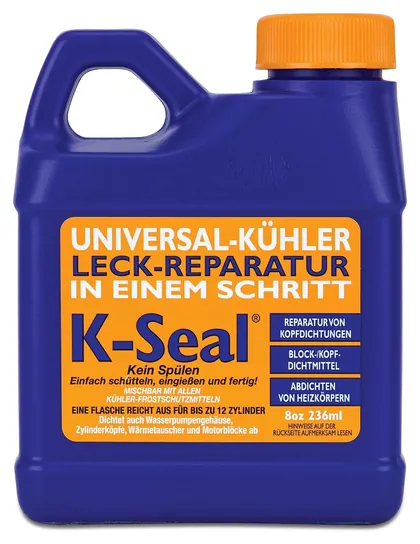
Nine cooling-system sealers compared by what they plug, coverage and heater-core risk. K-Seal ST5501 is our pick for small radiator and water pump leaks. When users buy our independently chosen editorial recommendations, we may earn commissions to help fund the Wiki.
A radiator stop leak buys time, not a cure. It rides along with the coolant and plugs pinholes and seeping seams, but it can't fix a split hose, a cracked plastic tank or a blown head gasket. It suits drivers with a slow drip who need a few more months before a proper repair, and anyone who wants a spare bottle in the trunk.


Editor's Notes
October 19, 2026, by Ezvid Wiki Admin:
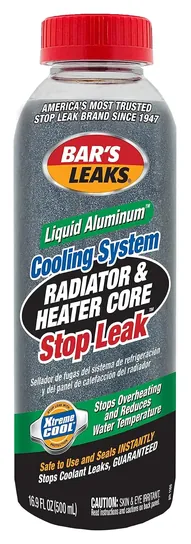
K-Seal ST5501 stays on top. It covers the widest set of small cooling-system leaks, from radiator pinholes to water pump weeps, and needs no draining. Bar's Leaks Liquid Aluminum is the value pick, and the K-Seal HD now has a clear role for trucks, tractors and RVs.
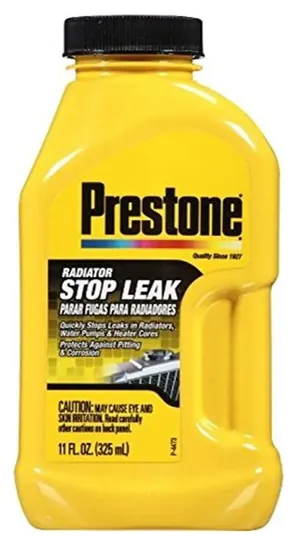
We dropped the Bar's Leaks Concentrate, which costs far more per ounce than the same maker's other bottles, and the AlumaSeal, now sold only as one small powder card at a steep price. New are the Bar's Leaks 1199, the cheapest dose here, and the Prestone AS145, which is unusual in stating the largest crack it can close.
The ranking leans on each maker's dose charts and the warnings printed on the bottles, plus mechanic and forum accounts of leaks that came back and heater cores that clogged. No lab has run a side-by-side test of coolant sealers that we could find. A stop leak is a stopgap, so the buyer's guide also covers when the radiator itself needs replacing.
February 12, 2021:
There haven't been any recent advances in radiator stop leak additives, so our recommendations remain the same. We do want to point out, though, that if you're not careful, this kind of additive could make some problems worse, by damaging other coolant system components like the water pump. That's not to say these don't work for some people, but rather, it's very important to exercise caution and follow the directions closely. Also, these are, more often than not, only temporary fixes, and should be followed up with actual repair before too long. If you find yourself using multiple stop leaks without success, or if your vehicle needs repeated additive uses, your best bet is to get it fixed in order to avoid long-term damage.
October 02, 2019:
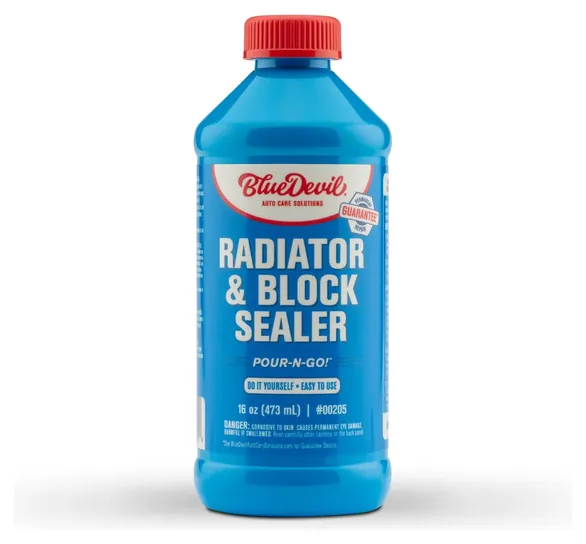
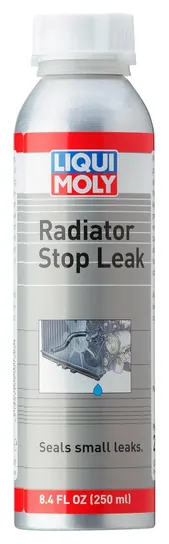
Removed Irontite Ceramic because it is not meant to seal radiators. Its primary use is sealing head gaskets and engine blocks. Added Liqui Moly 20132 and BlueDevil 205. The BlueDevil is widely used and can be very effective for sealing cracks when an immediate visit to a mechanic's shop is not an option.
Many of these products claim to offer permanent leak solutions. While some of them may or may not seal leaks for long periods of time, they will never be an actual substitution for part replacement. Never rely on these products for long-term service - its best to get the leaking part replaced rather than risk getting stranded because the seal failed or the crack expanded. All of these products can work very well in the short term to prevent significant engine damage caused by overheating.
Opening a coolant system can be extremely dangerous and may result in severe burns. Always allow the engine to cool before attempting to remove the radiator cap or any other component. Working on engines is best left to trained automotive technicians to avoid personal injury or damage to equipment.
Special Honors
ASPCA Animal Poison Control Center If a dog or cat may have licked spilled coolant, call a vet or the ASPCA's 24-hour poison line at 888-426-4435 right away. Ethylene glycol poisoning can look mild at first, and treatment works best within hours. The center charges a consultation fee. aspca.org
What A Stop Leak Can And Can't Seal
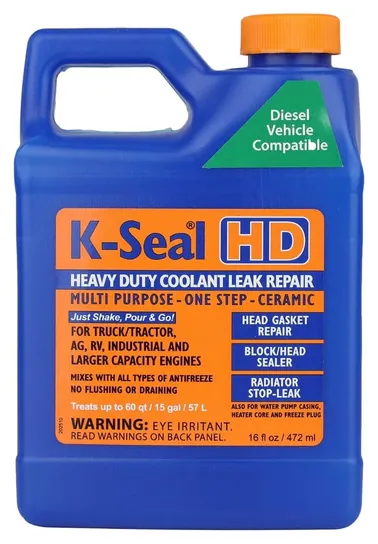
The K-Seal HD label itself says it is not for hose leaks or oil-to-coolant leaks.
A stop leak works on small holes it can reach from inside: pinholes in a radiator core, a seeping seam, a weeping freeze plug or a slow water pump weep. The sealer travels with the coolant, and where coolant escapes, its particles, fibers or silicate lodge in the gap and harden. Bar's Leaks says its Liquid Aluminum seals plastic, aluminum and metal radiators, heater cores and gaskets, but that severe leaks such as a blown head gasket need a different product. Liqui Moly is narrower still: small leaks, hairline cracks and porous solder joints.
Some leaks are not stop-leak jobs at all. A split or soft hose, a loose clamp, a cracked plastic end tank, a bad radiator cap and coolant mixing with oil all need parts. The K-Seal HD label itself says it is not for hose leaks or oil-to-coolant leaks. If you can't see where the coolant goes, a shop can pressure-test the system for a small fee, which beats guessing.
Treat any sealer as a way to buy time. Makers call their fixes permanent, and many do hold, but a review comparing K-Seal and Bar's Leaks notes leaks that returned weeks or months later. Replace the radiator when the leak comes back after a second dose, a tank is cracked, the engine has overheated, or you are topping up coolant every day. Driving on with low coolant risks a warped head or a failed head gasket, which costs far more than a radiator.
Liquid, Pellets Or Tablets, And The Heater Core Question
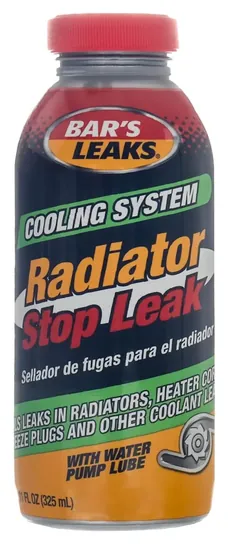
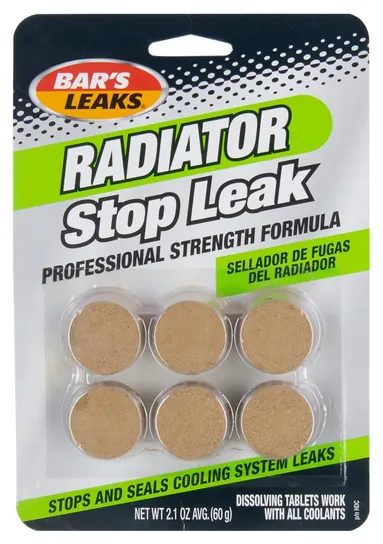
Most stop leaks are liquids you shake and pour, such as K-Seal, which uses fine ceramic fibers and needs no flush. Pelletized formulas like Bar's Leaks 1199 dissolve in the coolant and are aimed at larger leaks. Tablets come pre-measured, two per gallon of cooling capacity on the Bar's HDC card, which makes them handy to carry but slower to dose a big engine. The Drive's buying guide notes that powders must be measured carefully, because too much can clog.
The heater core is where trouble usually shows up. It's a small radiator behind the dashboard with narrow tubes, and any sealer that carries particles or fibers can settle there, especially in a dirty system or after an overdose. Mechanics and forum posters describe flushing heater cores many times to clear old sealer. No test ranks brands for this, so follow the label dose exactly and flush a rusty or sludgy system before you add anything; Prestone and the Bar's tablet card both say so. BlueDevil says its formula has no solids or fibers, which should lower the risk, but that is the maker's claim.
Coolant type matters less than people fear. K-Seal, Bar's Leaks and Liqui Moly say their sealers mix with conventional and long-life coolants and suit aluminum and plastic radiators. Most directions ask you to run the engine to full temperature with the heater set to hot, so the sealer reaches the heater core and the leak sees full pressure. Check the coolant level for several days afterward.
Using It Safely: Hot Caps, Pets And Disposal
Never open a radiator cap on a hot engine. The system runs under pressure with coolant above boiling, and opening it can spray scalding fluid and steam, as a New South Wales safety alert on a radiator scald describes. Let the engine cool fully, cover the cap with a thick rag, turn it slowly and keep your face to the side. The Bar's tablet card carries the same warning, and K-Seal says to take great care if adding it to a warm engine.
Most coolant is ethylene glycol, which tastes sweet and is poisonous to pets and children in small amounts. The ASPCA warns that cats are especially sensitive, and PetMD says early treatment is critical. Wipe up drips, keep bottles closed and out of reach, and don't let a leak puddle on the driveway. Some sealers carry their own warnings: the Liqui Moly can lists ethylene glycol and sodium silicate, and K-Seal labels note California's Proposition 65 warning for ceramic fibers.
A sealer doesn't change how coolant should be handled. Take drained coolant to a parts store or a local hazardous waste site rather than a storm drain, and keep up normal coolant changes, using the type your owner's manual calls for. Never pour a cooling-system sealer into the oil or the fuel tank.
How we researched this
We compared 16 cooling-system sealers, read the maker directions, dose charts and bottle warnings for the 9 finalists, studied mechanic and forum accounts of leaks that returned and heater cores that clogged, and checked every brand against the U.S. Consumer Product Safety Commission's recall records, which list no stop-leak recalls. We found no independent lab test of coolant stop leaks, so the order rests on documented claims, coverage, ease of use and track record.
Sources (11)
- K-Seal: K-Seal coolant leak repair
- Bar's Leaks: Liquid Aluminum 1186
- Bar's Leaks: Radiator Stop Leak 1199
- Liqui Moly: Radiator Stop Leak 20132
- The Drive: Best radiator stop leak
- Glenn Said: K-Seal vs Bar's Leaks
- NSW Resources: Safety alert 06-03, radiator scald
- ASPCA: The dangers of antifreeze and your pets
- PetMD: Antifreeze poisoning in dogs
- California OEHHA: Proposition 65 warnings
- SaferProducts.gov recall search
Frequently asked questions
What is the best radiator stop leak?
For most small radiator, freeze plug and water pump leaks, K-Seal ST5501 is the best all-round choice: no flush, any antifreeze and a wide list of repairs. Bar's Leaks Liquid Aluminum does a similar job for less money.
Do radiator stop leaks really work?
On small pinholes and seeps, often yes, at least for a while. They won't fix split hoses, cracked plastic tanks, bad caps or large cracks, and some repairs fail again after weeks or months.
Can stop leak clog my heater core?
It can. Sealers with particles or fibers can settle in the heater core's narrow tubes, mostly after an overdose or in a dirty system. Use the exact dose on the label and flush rusty coolant first.
Are stop leak tablets as good as liquid?
They seal the same kinds of small leaks. Tablets are pre-measured and easy to carry, but you need two per gallon, and one card treats only about three gallons.
When should I replace the radiator instead?
Replace it when a leak returns after a second dose, a tank is cracked, the engine has overheated, or you top up coolant every day. Driving low on coolant can ruin a head gasket.
Is it safe to open the radiator cap to add stop leak?
Only when the engine is cold. A hot system is under pressure and can spray scalding coolant. Wait until it cools completely, then open the cap slowly with a rag over it.