The 10 Best Portable Generators
Updated by · How we research

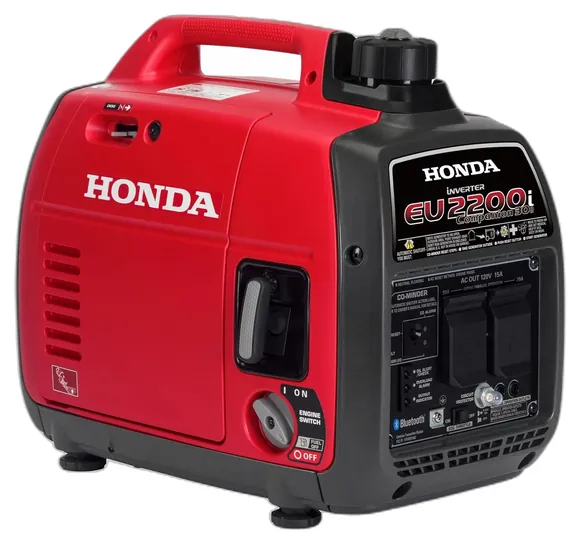
Inverter, dual-fuel, open-frame and battery models compared on running watts, noise and CO shutoffs. The Honda EU2200i Companion leads for quiet power. When users buy our independently chosen editorial picks, we may earn commissions to help fund the Wiki.
Size a generator by its running watts, not the big peak number on the box, and add the surge of the largest motor you'll start. A 2,200-watt inverter handles a fridge and lights for camping or a short outage; central air and well pumps need a big open-frame unit and a transfer switch. Every engine model here must run outdoors.


Editor's Notes
October 27, 2026, by Ezvid Wiki Editors:
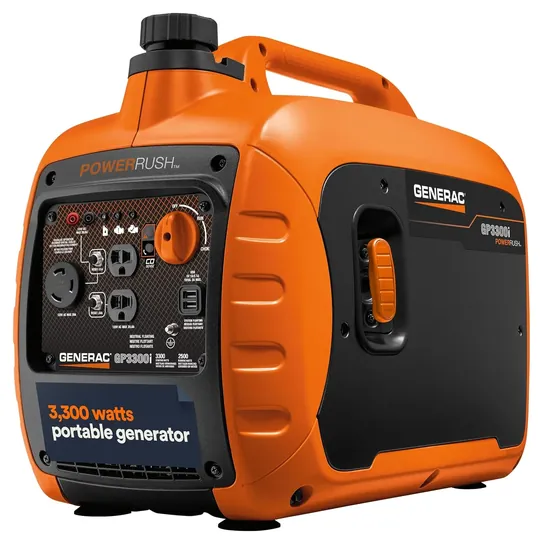
The Honda EU2200i Companion takes the top spot. It's the gas generator here with independent measurements behind it, including how long it kept a fridge running on half a gallon. The old leader, the Generac iQ3500, is still sold, but its price has more than doubled, so Generac's smaller and newer Generac GP3300i replaces it.
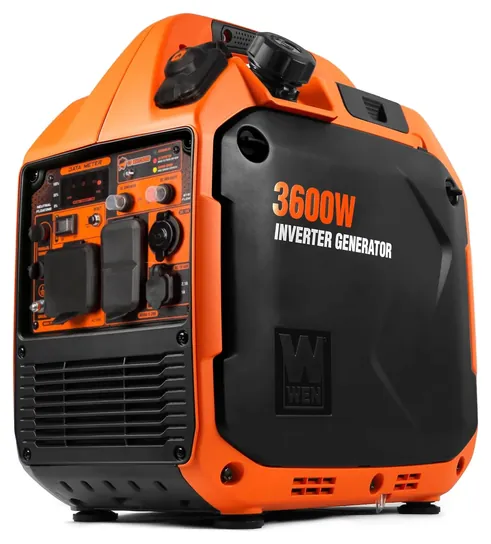
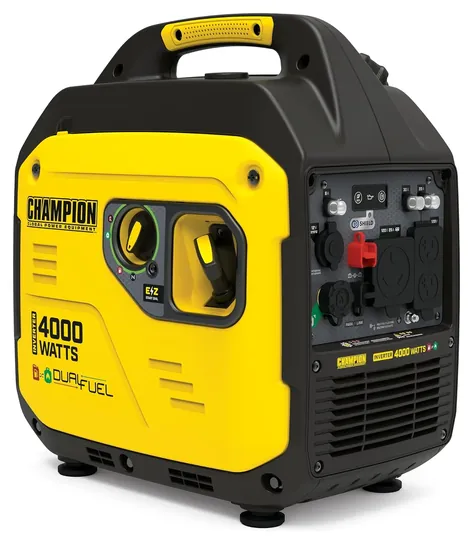
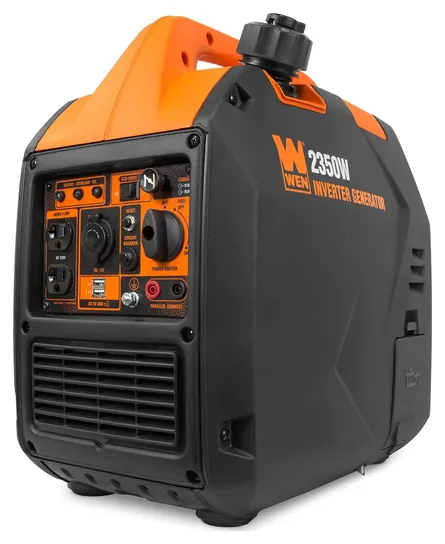
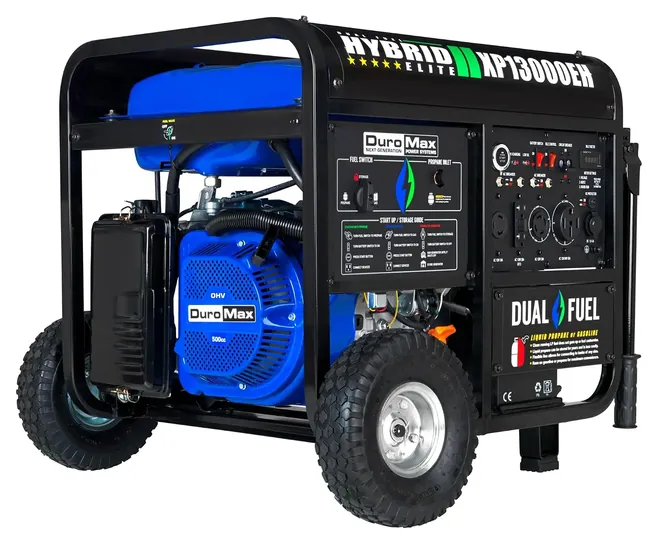
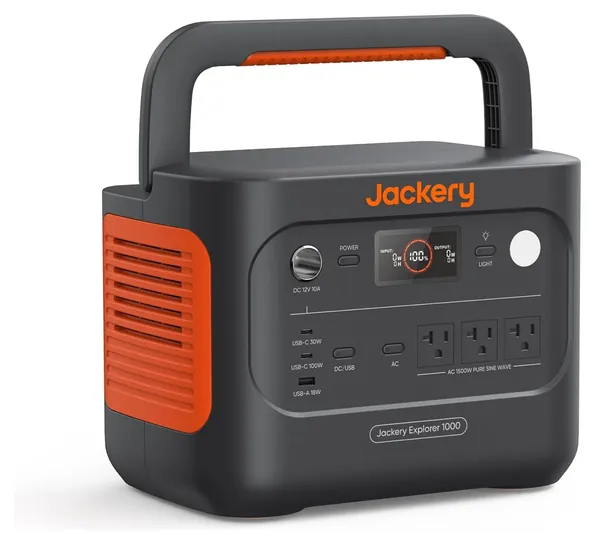
Six earlier picks can't be bought new anymore: the Champion RV Ready, Generac 7117, Yamaha EF1000iS, DuroMax XP4850EH, Westinghouse iGen2200 and Wen 56200i. The Ego Nexus and Meterk Power Station went over price and availability concerns. The WEN DF360iX and Champion 201050 bring dual fuel for storm season and campsites, the DuroMax XP13000EH handles whole-house loads, and the Jackery Explorer 1000 v2 is there for anyone who can't run an engine at all.
For each pick we compared the maker's running and starting watts, run time, outlets and warranty with Bob Vila's measured noise and run times, and searched the CPSC recall database brand by brand. Generac's 2026 recall doesn't include the GP3300i, and Honda's 2019 and 2020 recalls were fixed by dealers.
Earlier notes
December 10, 2020, by Chris Gillespie:
Traditionally when people think about generators they imagine a noisy, smelly engine pumping out fumes. Modern iterations however are now much smaller and lighter, making them portable, and much quieter giving them more versatility in their range of uses. In fact, with recent developments in technology, some are completely battery-powered and can even be recharged using solar panels.
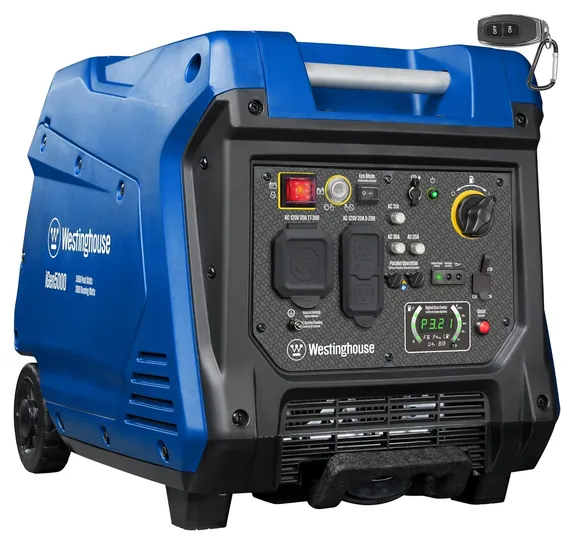
In this update to the ranking, we switched several models for their most up-to-date counterparts, removed some older models that lacked functionality, and included a couple of battery-only options to reflect the latest innovations in technology. We swapped the Westinghouse WH2200i with the Westinghouse iGen2200, which now features two 120V 20A AC outlets, but instead of a cigarette lighter socket, this unit comes with two 5V DC USB ports that are dedicated to charging sensitive electronics like smartphones and tablets. Similarly, the new version of the Honda EU2200i carries the same name as the last model, however, this one utilizes Bluetooth technology to connect to Honda's smartphone app, allowing the user to monitor how many hours of run-time are left, receive service and oil change reminders, and turn it on and off. We also added the Generac iQ3500, which is part of the same range as the Generac 7117, a popular choice due to its efficiency and easy to use controls. This larger model has a 3500-watt output and has a fully enclosed steel casing, making it up to 40 percent quieter than others in its class. This along with a digital display that provides information on power usage, remaining run time, and fuel levels makes it a great all-round option with enough power to run most household appliances.
The two Battery-powered additions are the EGO Nexus, which uses four, 56-volt lithium-ion batteries to produce an output of 2000-watts. It is capable of powering any home appliance and can even run all your lights and TVs for several hours. The much smaller Meterk Power Station only produces 300-watts but is a great choice for camping trips or picnics as it can be recharged from a wall outlet, a car battery, or through a solar panel. It also features type A and C USB ports for charging your smartphone, tablet, or laptop.
December 8, 2019, by Kaivaan Kermani:
For this update, I wanted to add some larger models that bordered the upper end of the portability scale (around 120-130 pounds), since generators with smaller capacities can easily be substituted with portable ac power supplies. As models become larger (in capacity), it becomes harder for ac supplies to match generators in capacity without getting very expensive, which means that these portable generators have a monopoly on the market, and we can highlight some unique models.
I updated the DuroMax XP4400E with the DuroMax XP4850EH; the latter is only 10 lbs heavier, but has a noticeably higher starting and running power rating. Unfortunately, I had to remove Anker Powerhouse as it really had no place in this list as such a low-capacity model. I removed the Briggs and Stratton 30651 and replaced it with the slightly cheaper Rainier R4400 which has about 5 times as much capacity (8 hours at 25% load (1700W) for the Briggs and Stratton vs. 18 hours at 25% load (3600W) for the Rainier). I also updated the Honda EU2000 to the newer Honda EU2200i – a more efficient model with an updated engine which gave it a slightly larger capacity and better ventilation and airflow among other benefits, which makes this already-reliable model even more reliable.
I still think that the Generac 7117 is the best model in terms of overall economy and while the Honda EU2200i probably slightly edges out the Generac 7117 in overall performance and reliability, its about twice as expensive. On the other hand, the Champion RV Ready has the largest capacity.
Special Honors
Generac Home Standby Generators If outages are frequent and long, a home standby generator may make more sense than any portable. Generac's standby units sit permanently on a pad outside, run on natural gas or propane, and start on their own through an automatic transfer switch when the power drops. They need a licensed electrician and usually a permit, and they cost far more than a portable, but there's no refueling and no cords to run. generac.com
Running Watts, Surge And Which Type Fits
Running, or rated, watts is what it can supply hour after hour.
Every generator carries two ratings. Running, or rated, watts is what it can supply hour after hour. Starting, or peak, watts is a short burst for motors as they kick on. Add up the running watts of everything you need at once, then add the start-up surge of the biggest motor, usually a fridge, sump pump or air conditioner. In Bob Vila's tests, the 1,800-running-watt Honda EU2200i kept a refrigerator going for about four hours on half a gallon, but a unit that size won't run central air.
Inverter generators change engine speed to match the load, which saves fuel, cuts noise and produces clean power with low distortion for laptops and medical devices (Wikipedia). Most land between 2,000 and 5,000 watts. Open-frame generators run at a fixed speed. They cost less per watt and reach 13,000 watts and more, but they're loud: Bob Vila measured 88.5 decibels at five feet from a Westinghouse open-frame model advertised at 68.
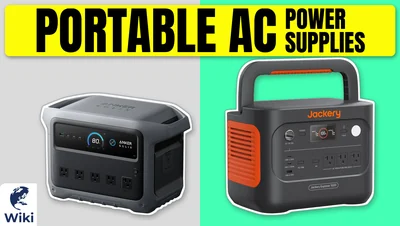
Battery power stations such as the Jackery Explorer 1000 v2 make no fumes and can sit indoors, but a 1,070-watt-hour battery covers hours of use, not days. They suit apartments, CPAP machines and short outages, and they pair well with a gas unit outside.
Gas, Propane And Getting Power Into The House
Dual-fuel models run on gasoline or propane. Gasoline gives a little more power, but it goes stale in storage, so add a stabilizer or run the carburetor dry before putting the generator away; the WEN picks have a fuel shutoff that does this. Propane keeps in its tank for years and burns cleaner, at a small cost in output. The Champion 201050, for example, drops from 3,000 to 2,700 running watts on propane but runs up to 25 hours on it.
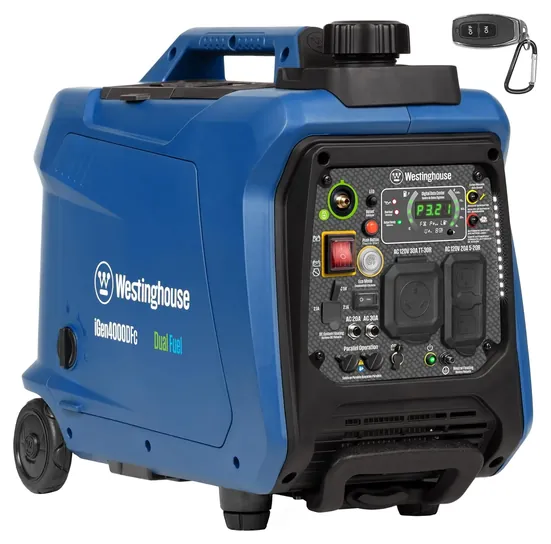
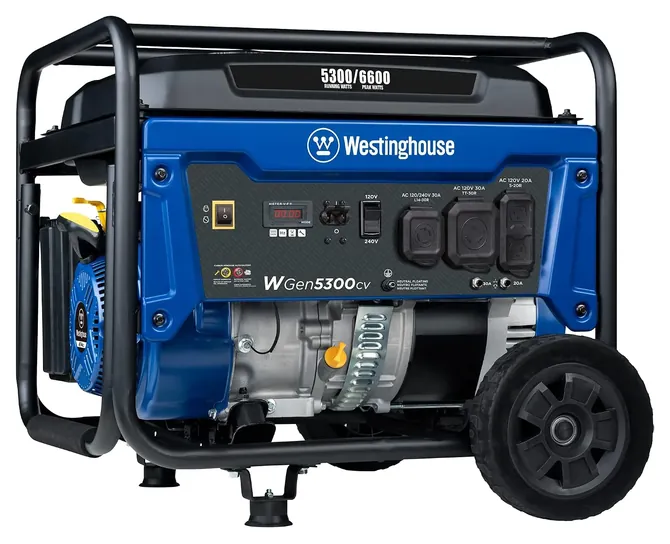
Extension cords are fine for a few appliances. Use heavy-duty outdoor cords, as Ready.gov advises. To power household circuits, hire an electrician to install a transfer switch or an interlock kit and a power inlet. The generator then plugs in through a twist-lock outlet, like the L14-30R on the Westinghouse WGen5300cv or the 50-amp outlet on the DuroMax XP13000EH. A 120/240-volt unit is needed for 240-volt loads such as a well pump.
Never plug a generator into a wall outlet with a double-ended cord. That backfeeds power into the grid and can harm utility workers or people in other buildings (Wikipedia). For campers, the TT-30R outlet found on most picks here matches a standard 30-amp RV cord.
Carbon Monoxide, Placement And Recalls
Carbon monoxide is the main danger. A 5.5-kilowatt portable generator puts out as much of it as six cars, and running one in a home, garage or shed is dangerous even with ventilation (Wikipedia). Ready.gov says to run generators and keep fuel outdoors, at least 20 feet from windows, doors and attached garages, and to install working carbon monoxide alarms on every level of the home.
Most picks here shut themselves off when carbon monoxide builds up around the unit. That's a backstop, not permission to run one in a garage. Let the engine cool before refueling, store fuel in approved cans away from the house, and keep the generator dry under an open canopy rather than running it in the rain.
We searched the CPSC recall database for every brand on the list. Honda recalled the EU2200i in 2019 over a fuel valve leak and in 2020 over an inverter part that can short after saltwater exposure; dealers fixed both. Generac's 2026 recall covers about 149,400 GP-series generators sold from May 2025 to February 2026, but not the GP3300i. Westinghouse's 2020 recall covered dual-fuel units built late in 2019. If you buy used, check the serial number.
How we researched this
We compared 19 current generators and power stations, read the makers' published power, run time, outlet and warranty figures for the 10 picks, set them against Bob Vila's measured noise and run-time results and a spec roundup from BestHomeGear, and checked every brand against the U.S. Consumer Product Safety Commission's recall database. Safety guidance comes from Ready.gov. Updated October 27, 2026 by Ezvid Wiki Editors.
Frequently asked questions
How big a portable generator do I need for home backup?
Add the running watts of what must stay on, such as a fridge, furnace fan, lights and sump pump, plus the start-up surge of the largest motor. For those essentials a 3,000- to 4,000-watt inverter usually does it. Central air, a well pump or an electric water heater calls for a large open-frame unit and a transfer switch.
Can a 2,200-watt generator run an air conditioner?
A small window unit, possibly. Central air, no. A 2,200-watt inverter like the Honda EU2200i Companion supplies about 1,800 running watts, which suits a fridge, lights and electronics.
How many types of generator are there?
For portable power there are three: inverter generators, open-frame or conventional generators, and battery power stations. Home standby generators are a fourth kind, wired in permanently and fueled by natural gas or propane.
Which generators are the most fuel efficient?
Inverter generators, because they slow the engine at light loads. The economy modes on the Honda, Westinghouse and Generac inverters do exactly that. Propane doesn't stretch fuel further, but it stores far longer than gasoline.
How far from the house should a portable generator be?
Ready.gov says outdoors only and at least 20 feet from windows, doors and attached garages, with carbon monoxide alarms on every level of the home. Point the exhaust away from the house.