The 6 Best Point Of Sale Systems
Updated by · How we research

Six point of sale systems compared on hardware, payment processing terms and contracts. The Square Register (2nd Gen) leads for shop and cafe counters. When users buy our independently chosen editorial recommendations, we may earn commissions to help fund the Wiki.
Most checkout hardware sold today works with only one company's card processing, so buying a point of sale system really means signing up for a payment service. Those fees and contract terms usually cost more over a year than the device does. This list is for small shops, cafes, salons and market sellers choosing a first system or replacing an old register.


Editor's Notes
October 26, 2026, by Ezvid Wiki Admin:
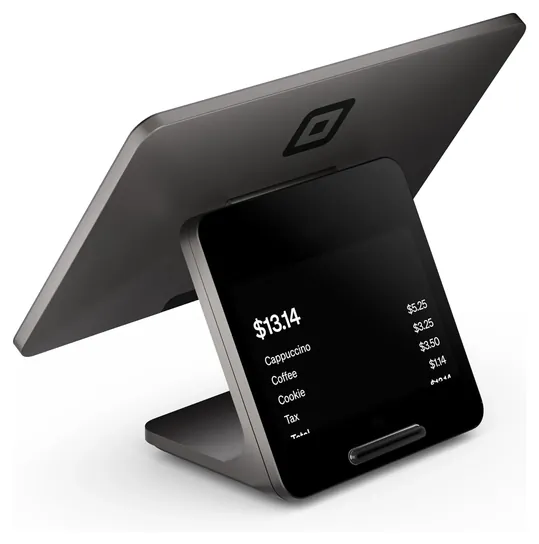
The Square Register (2nd Gen) now leads this list. It's a complete two-screen counter setup with no contract, and Square spells out its fees and offline rules more plainly than anyone else we looked at. Little from 2019 survived. The Clover C101 is no longer supported, the Square Stand, Perfect POS Retail and the Epsilont bundle are unavailable, and the Datio Base Station is an aging iPad dock that's nearly out of stock. We dropped the NRS POS Plus over a steady pattern of owner complaints about faulty hardware and billing, and the Clover Flex because the one seller offering it ships the first-generation model tied to its own merchant account.
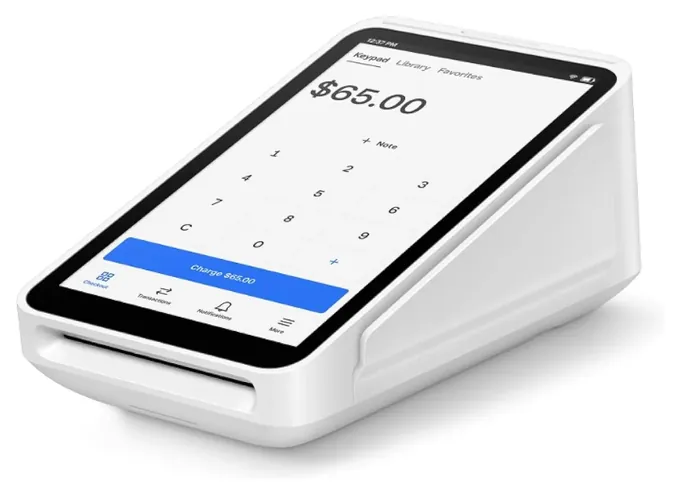
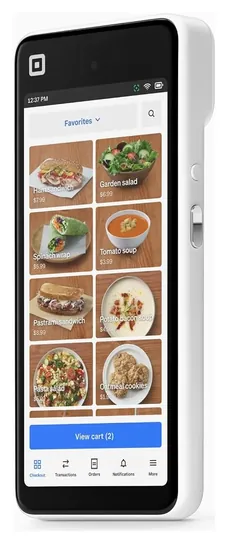
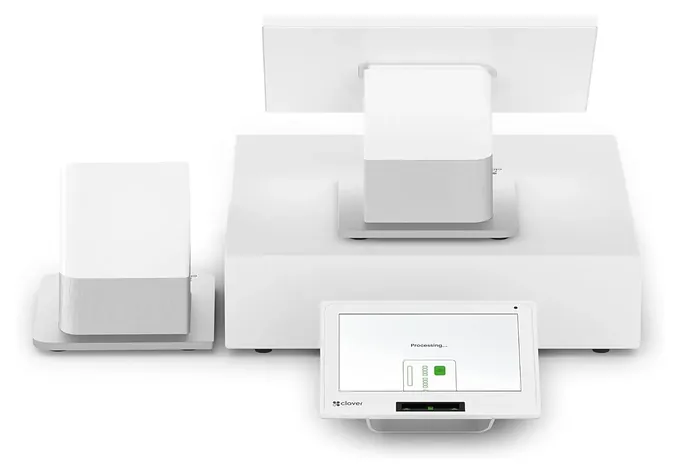
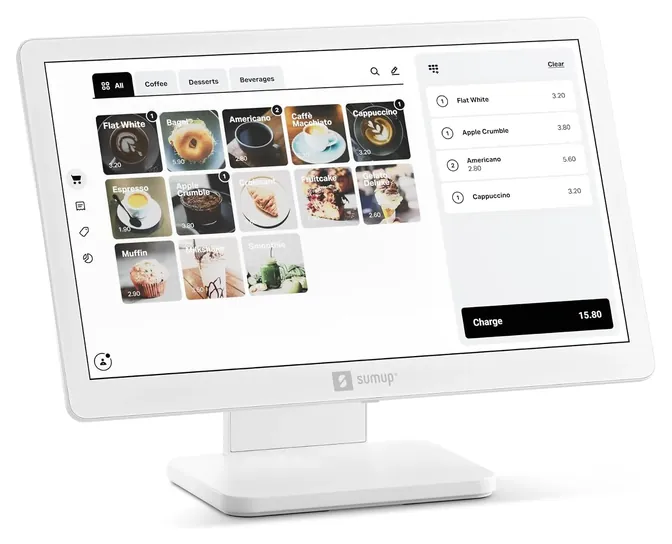
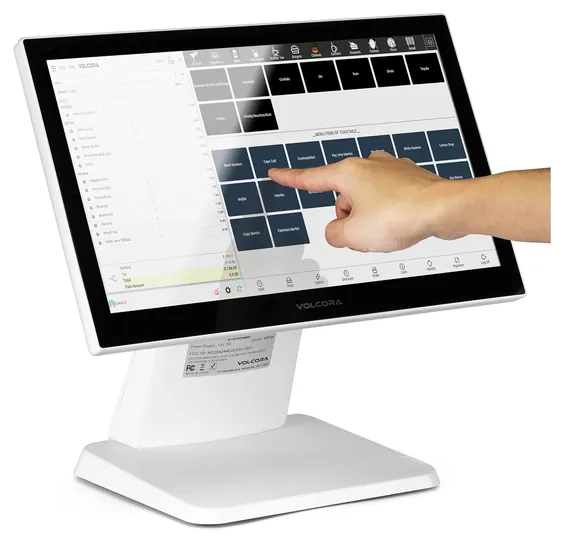
The Square Terminal stays, since it's still the simplest all-in-one checkout around. New are the Square Handheld for tableside and pop-up selling, the Clover Station Duo for counters that want a printer and cash drawer in the box, the SumUp POS Lite for owners who want no monthly fee, and the Volcora POS Terminal for shops that bring their own software.
The fine print decided more here than the hardware did. We read Square's hardware and offline-payment pages, the fee schedules for Clover and SumUp, each seller's processing terms and the PCI Security Standards Council's merchant guidance. We stopped at six because the rest of what's on sale is reseller duplicates, bare card readers or unbranded boxes with little track record.
January 04, 2021:
When choosing your POS system, you'll need to take more than just looks and functionality into account, as many are only compatible with specific payment processors. With this in mind, we did our best to include not only high-quality options that offer a lot of features, but also options for several payment processors. Square is, without a doubt, one of the most popular companies, especially with small businesses, and, as such, many of their models have found their way onto our list. If you need something small and portable from them, you'll want to consider the Square Terminal, but if you prefer something with a large screen and advanced features, the Square A-SKU-0373 will be a better option. While Clover may not be a household name like Square, they too, make some excellent models with a lot of useful features. For example, the Clover C101 has a 14-inch HD display and software that can do everything from tracking inventory to managing employees. Competing with the Square Terminal is the Clover Flex Merchant, which is also a small, handheld device that can be brought tableside to diners or used at festivals and other outdoor markets.
January 22, 2019:
It's a shame that pretty much every decent option out there requires some kind of subscription service and a signed contract before some items will even ship. Some units, like the Datio Base Station, make it a little easier by doing everything through their app and making the function of their hardware dependent on the presence of their software. A little favor was also given to complete systems, as a POS without a cash drawer and/or a card reader seems like a bad idea.
Special Honors
Lightspeed POS Designed to work with iPads, Lightspeed POS systems are fully mobile and cloud based. They have dedicated software for specific industries, such as restaurants and retail, and allow for month-to-month usage rather than a long-term contract. lightspeedhq.com
Toast Toast is an all-in-one package that includes both software and hardware. It is specifically designed for restaurants and has features well suited to handling in-person dining as well as online ordering for pick-up or delivery customers. toasttab.com
Shopify POS Shopify POS links in-store sales to a Shopify online shop, so both share one product catalog, one stock count and one customer list. It runs on an iPhone or iPad with Shopify's card readers, or on its own POS Go handheld, and it needs a paid monthly Shopify plan. It makes the most sense for sellers who already sell online with Shopify. shopify.com
Choose The Payment Processor First
With most point of sale systems, the hardware decides who handles your card payments, and the processing fees are the bigger bill over time.
With most point of sale systems, the hardware decides who handles your card payments, and the processing fees are the bigger bill over time. Square hardware runs only Square's software and processing. Its free plan charges 2.6% plus 15 cents for each tap, dip or swipe, with no long-term contract (Square pricing). SumUp also skips the monthly fee and charges 2.6% plus 10 cents for in-person payments (SumUp).
Clover works differently. Clover sells direct, but banks and independent resellers sell it too, and whoever sells you the device usually owns the processing deal. ExpertMarket's 2026 review lists Clover's own plans at 2.3% to 2.6% plus 10 cents and notes that the cheapest plan needs a 36-month commitment (ExpertMarket). A reseller's low hardware price is often made back through processing, so ask for the full agreement and look for early termination fees, equipment leases and monthly minimums before you sign.
If you plan to add a surcharge or a cash discount to offset card fees, check your state's rules and your card network's terms first. The software can apply it, but that doesn't make it legal everywhere.
Countertop, All-In-One Or Handheld
A countertop system has a large staff screen and usually a second screen facing the customer for tips and signatures. The Square Register connects by Wi-Fi or Ethernet and adds printers, scanners and drawers as accessories. Clover's Station Duo is often sold with the printer and cash drawer already in the box (Clover).
An all-in-one terminal puts the card reader, screen and receipt printer in one cordless unit. The Square Terminal prints its own receipts, but it needs Square's optional Hub for a cash drawer, a barcode scanner or wired internet. A handheld goes further: the Square Handheld scans barcodes with its camera and prints only through a separate network printer.
A plain Windows terminal is a computer with a touchscreen and the old serial and USB ports that receipt printers and drawers use. You bring the checkout software and a card reader your processor supports. Cash drawers on any of these setups usually pop open on a signal from the receipt printer through a small phone-style cable, so buy a drawer your system lists as compatible (Volcora sells both drawers and terminals).
Offline Mode, Card Security And Internet
Internet outages happen at the worst times. Square's devices can keep taking cards offline, but those payments are only processed when the device reconnects, and they're declined if it stays offline more than 24 hours after the first one. You carry the risk for any card that turns out to be expired or declined (Square Register). A phone hotspot as a backup connection is cheap insurance.
Every business that takes cards falls under the PCI Data Security Standard, whatever its size, and your processor tells you which checks you owe each year (PCI Security Standards Council). Certified payment terminals that encrypt card data at the reader keep that work light. A do-it-yourself setup with a Windows computer and a separate reader leaves more of it on you.
The same council's advice for small merchants is practical: look over card readers for skimmers, change default passwords, keep software updated, and only let your vendor connect remotely when you know who they are and why.
How we researched this
We compared 18 point of sale systems, terminals, card readers and accessories and screened eight in depth. We read Square's hardware, pricing and offline-payment pages, SumUp's and Volcora's maker pages, Clover's plans as reported by ExpertMarket, each seller's processing terms, the PCI Security Standards Council's merchant guidance and patterns in owner feedback, and we checked every brand for recalls with the U.S. Consumer Product Safety Commission. We found no independent lab tests of these devices.
Frequently asked questions
What is a point of sale system?
It's the checkout setup a business uses to ring up sales and take payment: a touchscreen or terminal, a card reader, the software that tracks items and sales, and a payment processor. Many setups add a receipt printer, a cash drawer and a barcode scanner.
Which point of sale systems are the most popular?
Square, Clover, Toast, Shopify POS and Lightspeed come up on nearly every 2026 roundup. Square and Clover dominate small shops and cafes, Toast is built for restaurants, and Shopify suits sellers who also run an online store.
Do I have to sign a contract?
Not with Square or SumUp, which charge per sale with no long-term contract. Clover terms depend on who sells it; bank and reseller deals often run several years and can carry early termination fees, so read the agreement first.
Can I use my own payment processor?
Not on Square or SumUp hardware. Clover devices are tied to the processor that sold them. A plain Windows terminal works with any checkout software and any card reader that software supports.
Does a point of sale system work without internet?
Partly. Square devices can take cards offline, but the payments are declined if the device doesn't reconnect within 24 hours, and the business bears the risk of any card that fails. Cash sales still work.