The 10 Best Oil Additives
Updated by · How we research

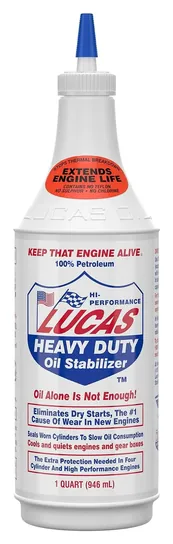
Ten oil additives compared by job: stabilizers, ceramic, zinc, diesel cleaners and flushes. Lucas Heavy Duty Oil Stabilizer leads for worn, older engines. When users buy our independently chosen editorial recommendations, we may earn commissions to help fund the Wiki.
A good motor oil already carries its own blend of cleaners, anti-wear zinc and friction reducers, so most healthy engines need nothing extra. Additives earn their place on narrower jobs: quieting a worn motor, protecting a classic flat-tappet cam, freeing sticky diesel injectors or flushing sludge once. This list is for drivers facing one of those problems.


Editor's Notes
October 23, 2026, by Ezvid Wiki Admin:
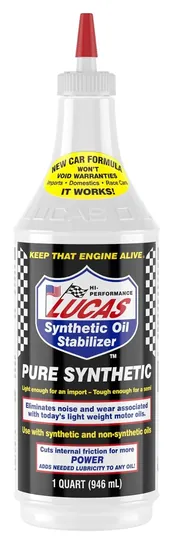
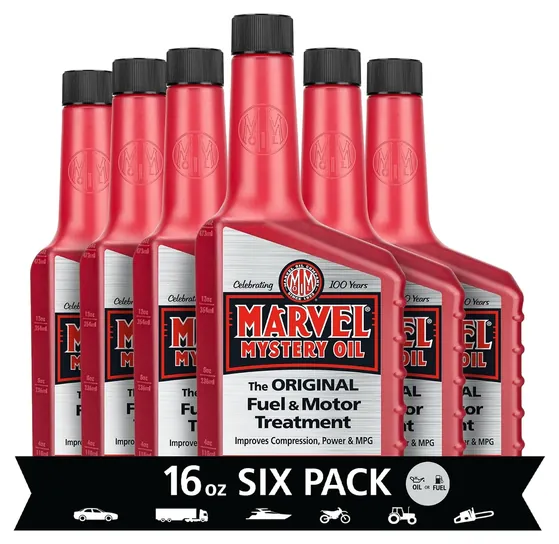
Lucas Heavy Duty Oil Stabilizer is the new top pick. Most people shopping for an additive have an older engine that burns, leaks or rattles, and a cheap thickener is the honest answer for that. Lucas Pure Synthetic stays for newer engines on thin oil, now in the quart bottle, and Marvel Mystery Oil, Rislone Hy-per Lube ZDDP, Red Line Break-In, BG MOA and Archoil AR9100 stay too.
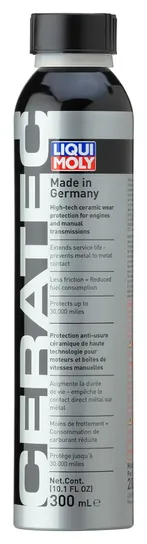
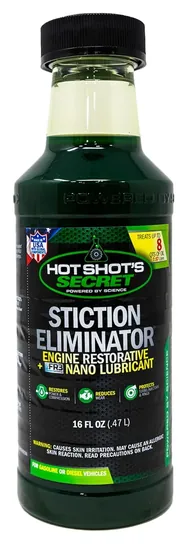
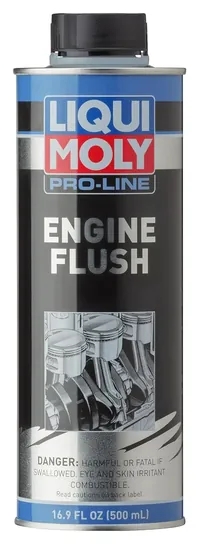
We dropped Rev-X Stiction Fix, which now costs far more for two small bottles, BestLine Engine Treatment, whose replacement rests on the maker's own friction figures, and the Liqui Moly MoS2 treatment, which can upset wet motorcycle clutches. zMax is now sold only in a kit with a fuel formula, so it went too. New picks fill gaps readers ask about: Liqui Moly Cera Tec for wear, Hot Shot's Secret Stiction Eliminator for diesel injectors and Liqui Moly Pro-Line Engine Flush for one-time cleaning.
No lab or magazine has published a test of these bottles that we could check, so we leaned on makers' dosing charts, Rislone's zinc and phosphorus figures, the FTC's warranty guidance and years of enthusiast forum threads, and we treated every wear percentage as a sales claim.
November 03, 2020:
Everybody wants their car to operate smoothly and run well for as long as possible. Despite that, most don't take any preventative steps to ensure that happens. Something as simple and affordable as using one of the oil additives on this list may help prevent expensive fixes down the line, and even extend the service life of the internal components of your engine.
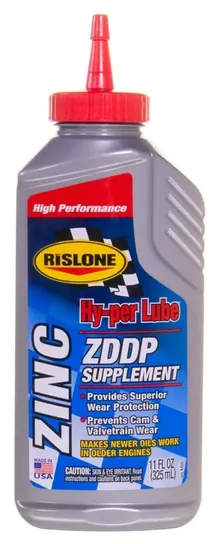
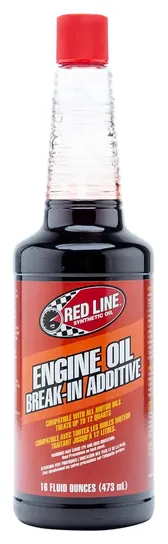
Marvel Mystery MM13R is one of the most versatile options here simply because it works as both an oil additive and a fuel treatment in gasoline engines. Conversely, Rislone ZDDP Supplement is probably the least versatile as it should only be used in older vehicles. In cars and trucks with gasoline systems manufactured before 1997, it can be used at full strength, but it is also suitable for use at half strength in those manufactured before 2005. In diesels, it is suitable for use in vehicles manufactured before 2007. At the opposite end of the spectrum we have Red Line 81403 Break-in, which is intended to be used during the break-in period on new motors.
High-performance engines would do well with Lucas Pure Synthetic Stabilizer, Rev-X Stiction Fix, and BestLine Engine Treatment, all of which are effective at mitigating excess engine heat by reducing friction and increasing the film strength of your engine oil. Both Rev-X Stiction Fix and BestLine Engine Treatment are free of solids and Teflon, too.
While zMax 51-212 may not be well suited to very warm climates or engines that run very hot because of its low flash point, it does a good job of reducing carbon build up, and thereby helping to reduce emissions, making it a good choice for old vehicles that may be having trouble meeting emissions standards testing.
April 09, 2019:
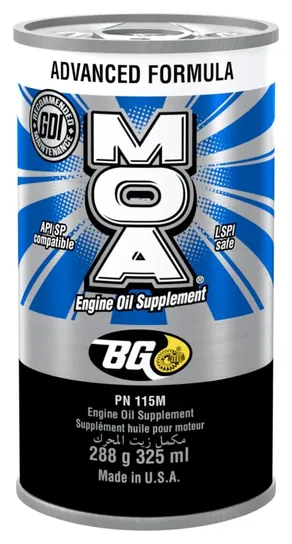
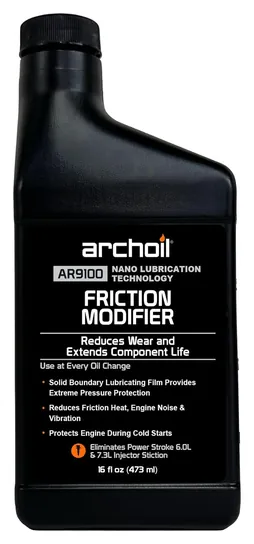
Extending the life of your engine can be as simple as pouring one of these additives into it. Yet for some reason, many vehicle owners don't bother to do so. If you are one of the few people who know better, you'll find exactly what you are looking for here. Anyone who owns a classic vehicle will be well-served by Rislone Supplement Concentrate, since it contains high levels of zinc. Red Line 81403 Break-in also contains zinc, but not as much as Rislone, so it is just as well-suited to newer and older cars. Lucas 10131 Stabilizer is safe to use in gas, diesel, and high-performance engines, so no matter what type of ride you have, you can't go wrong with it. Rev-X Stiction Fix is another option that works well in diesel and gasoline engines. Marvel Mystery MM13R is both a fuel and oil additive, making it extremely versatile, plus it is also very affordable. If you live in a cold climate, Archoil AR9100 Friction Modifier and BG MOA Supplement are smart choices, since they can help cut down on thickening, proving good cold start protection. Whichever formula you choose from this list, your vehicle and wallet will thank you.
Special Honors
Blackstone Laboratories Blackstone Laboratories is an independent lab that analyzes used oil samples you mail in and reports wear metals, fuel or coolant contamination and how much life the oil had left. A test before and after an additive is the only way an owner can see whether it changed anything inside the engine. blackstone-labs.com
Do You Need An Additive At All?
An older engine that burns oil or knocks on a cold start may quiet down with a thick stabilizer.
Finished motor oil is already a recipe: base oil plus detergents, dispersants, zinc-based anti-wear compounds, viscosity modifiers and friction modifiers, balanced by the oil maker to meet a standard (Wikipedia: Motor oil). Pouring more chemistry on top can shift that balance, which is why many mechanics say a healthy engine on the right oil needs nothing extra. Your owner's manual is the first stop: use the oil grade and change interval it lists, and don't treat any bottle as a reason to stretch that interval (Cadence Petroleum).
Additives make sense when there's a specific problem. An older engine that burns oil or knocks on a cold start may quiet down with a thick stabilizer. A classic engine with a flat-tappet cam may need extra zinc. A diesel with sticky injectors may need a cleaner. Long-running owner forums tend to agree that most bottles only work for about one oil change before you'd need to add more (Bob Is The Oil Guy forum).
Worried about your warranty? The Federal Trade Commission says a warranty stays in effect when you use aftermarket parts, and a dealer must show that the part caused the damage before denying coverage (FTC). That's a reason to keep receipts and oil-change records, not a promise that any additive is harmless.
Match The Bottle To The Job
Stabilizers are thick liquids that raise the oil's viscosity. They can cut smoke, leaks and noise in a worn engine, but a thicker oil isn't what a modern engine with tight clearances and a 0W-20 spec was designed for, so pick a lighter synthetic stabilizer there or skip it.
Friction reducers use ceramic particles, molybdenum compounds or esters to coat metal surfaces. Molybdenum disulfide turns oil black and can make a motorcycle's wet clutch slip, so check the label before using one in a bike that shares engine and clutch oil (Wikipedia: Motor oil).
Zinc boosters add ZDDP, the anti-wear compound older flat-tappet camshafts relied on. Modern oils carry less of it because phosphorus can damage catalytic converters. Rislone, for example, scales its dose by model year, says not to overfill and says its supplement isn't meant for break-in (Rislone). Break-in additives use the same zinc to protect a new cam in its first miles.
Diesel stiction treatments target the oil-driven HEUI injectors in older Ford Power Stroke and Navistar engines, where burnt-oil residue makes the injectors stick on cold mornings (Hot Shot's Secret). Engine flushes are a different tool entirely: they go in just before an oil change and come out with the old oil.
How To Add One Without Causing Trouble
Add the additive at an oil change so you can measure it against fresh oil, and use one at a time so you know what made a difference. Follow the label's dose, which often depends on the engine's age or oil capacity, and never overfill the crankcase: check the dipstick after the bottle goes in, and drain a little if the level sits above the full mark.
Marvel's own chart is a good example of how doses change with age: a full bottle for gas engines from 1996 and older, about half for 1997 to 2004 and about a quarter for 2005 and newer (Marvel Mystery Oil). Hot Shot's Secret calls for 4 ounces per quart of oil on the first treatment and 2 ounces at later changes (Hot Shot's Secret).
With a flush, follow the clock. Pour it into warm oil, idle the engine for the time on the label, then drain and refill right away, with a new filter. Don't drive on it. Take the old oil and filter to an auto parts store or recycling center rather than the trash, and wear gloves: some labels, including Marvel's, carry a California Prop 65 warning.
How we researched this
We compared 18 oil additives across stabilizers, friction reducers, zinc boosters, diesel stiction cleaners and flushes, read the makers' dosing charts and product pages for the 10 finalists, analyzed owner feedback and long-running enthusiast forums, read the FTC's warranty guidance, and checked every brand against the U.S. Consumer Product Safety Commission's recall database. Wear and friction percentages are reported as maker claims. Updated October 23, 2026 by Ezvid Wiki Admin.
Sources (8)
- Wikipedia: Motor oil
- FTC: Auto warranties and auto service contracts
- Rislone: Hy-per Lube Zinc ZDDP Supplement
- Hot Shot's Secret: Stiction Eliminator
- Marvel Mystery Oil: Original
- Cadence Petroleum: 6 Best Oil Additives
- Bob Is The Oil Guy forum: What oil additives make a difference?
- CPSC SaferProducts.gov
Frequently asked questions
Do oil additives work?
For narrow jobs, often yes: a thick stabilizer can quiet and slow oil burning in a worn engine, zinc helps older flat-tappet cams, and stiction cleaners can free sticky diesel injectors. For a healthy engine on the right oil, there's little to gain. Wear-reduction percentages on labels are the makers' own claims.
Will an oil additive void my car's warranty?
Not by itself. The FTC says a warranty stays in effect when you use aftermarket parts, and the maker or dealer has to show that a part caused the damage before refusing coverage. Follow the oil grade and change interval in your owner's manual and keep your records.
Can a zinc additive hurt my catalytic converter?
It can. Phosphorus from ZDDP can shorten a converter's life, which is why modern oils limit it. Zinc boosters are meant for older engines; ask the maker before adding one to a late-model daily driver.
Can I mix two oil additives?
It's better not to. Each one changes the oil's balance, and stacking them makes it hard to tell what helped or hurt. Use one at a time, at the labeled dose.
Is diesel exhaust fluid an oil additive?
No. Diesel exhaust fluid, or DEF, is a urea solution that goes into its own tank and is sprayed into the exhaust to cut emissions. It never touches the engine oil, and it should never go in the crankcase or the fuel tank.