The 9 Best Kama Sutra Books
Updated by · How we research

Translations, illustrated editions and modern guides to the Kama Sutra compared, from Burton's 1883 version to the Doniger and Kakar Kamasutra, our top pick. When users buy our independently chosen editorial choices, we may earn commissions to help fund the Wiki.
Barely a quarter of the Kama Sutra is about sex. Most of the ancient Sanskrit text is advice on courtship, marriage, friendship and living a cultured life, which surprises readers who expect a position manual. This list sorts real translations from the art books and modern guides that borrow the famous name, so you can find the one you actually want.
At a Glance
-
1
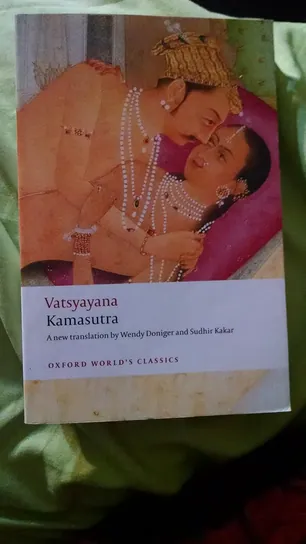
 Doniger and Kakar Kamasutra
$12
-
2
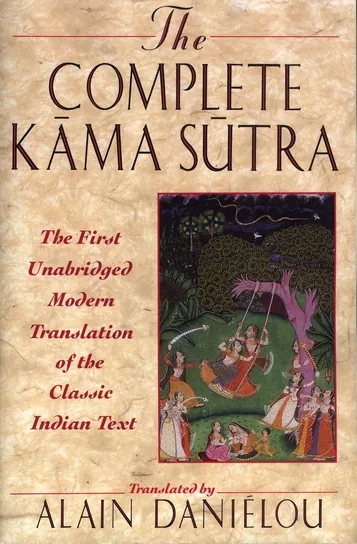
 Daniélou's Complete Kama Sutra
$21
-
3
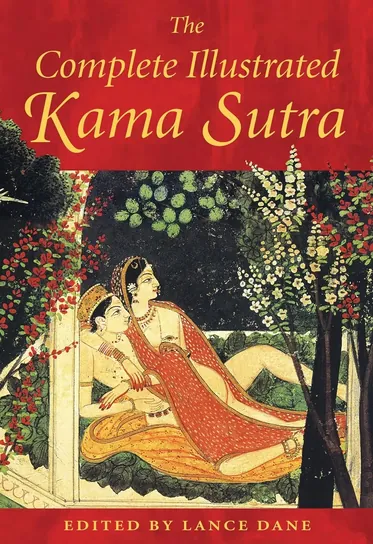
 The Complete Illustrated Kama Sutra
$20
-
4
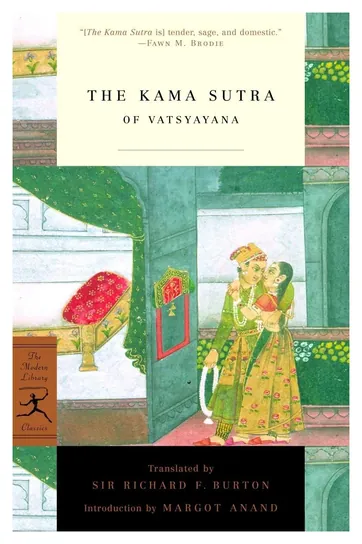
 Modern Library Kama Sutra
$18
-
5
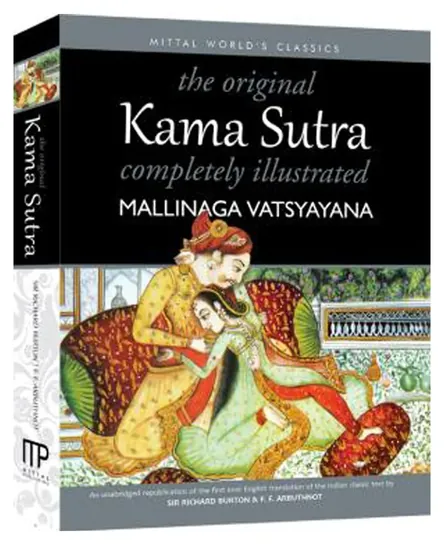
 Mittal's Original Kama Sutra
$29
-
6
 DK's A Position A Day
$16
-
7
 Cayman's Book of Sex Positions
$12
-
8
 Nitya Lacroix's Modern Guide
$16
-
9
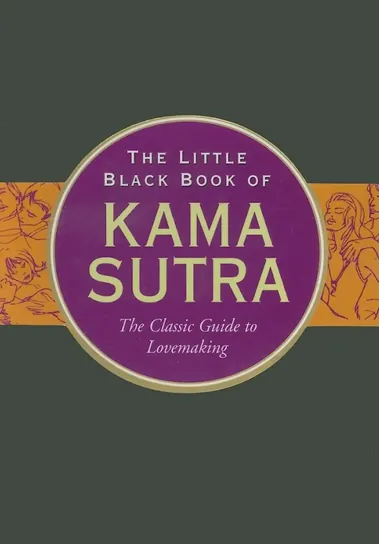
 Peter Pauper Little Black Book
$17
Editor's Notes
November 1, 2026, by Ezvid Wiki Editors:
The Doniger and Kakar Kamasutra now leads the list, because most people searching for the best Kama Sutra book want the real text, and this frank, modern translation is also the cheapest of the full versions. Daniélou's Complete Kama Sutra stays as the fullest version, now in paperback, and The Complete Illustrated Kama Sutra stays for its art. We added the Modern Library Kama Sutra, Burton's famous 1883 version, and a lavish slipcase edition of the same text.
On the lighter side, DK's A Position A Day and The Little Black Book of Kama Sutra stay, joined by two newer guides. The Kama Sutra Workout and Sex Positions have disappeared from sale, the Chopra book is down to scarce copies, and the Beginner's Guide was too thin, so they're gone.
To rank the translations we leaned on what Sanskrit scholars have written about them, keeping in mind that the sharpest critic of Burton, Wendy Doniger, co-wrote the rival version.
Earlier notes
August 14, 2020, by Tina Morna Freitas:
While there aren't new, good quality books published about the Kama Sutra every year, we did widen the scope of our selections to include a few more modern perspectives on the ancient text.
Focusing solely on the physicality of the practice, the Kama Sutra Workout combines fitness with sexuality. While everyone knows that lovemaking can burn a few calories, this book actually identifies the muscle groups being worked and even rates each position by how well it raises your heart rate and improves your flexibility.
At the opposite end of the spectrum we also added The Seven Spritual Laws of Love. Noted guru Deepak Chopra weaves his signature advice on modern spirituality with the timeless relationship advice of the classic. From a cultural perspective it's also refreshing to have this update written by an Indian author.
April 24, 2019, by Tina Morna Freitas:
While a lot of people think the Kama Sutra is just a picture book of complicated sex positions, the reality is that the original illustrations are considered works of art and there is a lot of text involved, including advice and philosophy about intimacy and love, in addition to the creative love-making. To create a helpful list we included choices for those interested in the scholarly origins of the practice, plus more modern interpretations for those people just looking for sexual inspiration.
The “Complete Illustrated Kama Sutra” is ranked first for all 64 of the famous postures the 269 artistic images from art collections around the world, making for an erotic and educational experience. On the opposite end of the spectrum, the racier “A Position A Day” rounds out the list for those uninterested in history and would rather just learn new positions.
Special Honors
Project Gutenberg Burton's 1883 translation is in the public domain, and Project Gutenberg offers it free as a plain ebook. It's the easiest way to sample the text before buying a modern translation or an illustrated edition. gutenberg.org
What the Kama Sutra Actually Is
The Kama Sutra is a Sanskrit text credited to Vatsyayana Mallanaga.
The Kama Sutra is a Sanskrit text credited to Vatsyayana Mallanaga. Scholars usually date the version we have to the third century CE, and it gathers older teachings on pleasure into one handbook (Wikipedia). It runs to seven parts and 36 chapters. Only one part, about 10 chapters, deals with sexual union. The rest covers how a cultured man of means should live, how to court and choose a wife, how a wife runs a household, affairs, courtesans, and a short closing section on tonics and charms.
The idea of the Kama Sutra as a position manual comes mostly from partial versions and modern books that use the name. If you want to know what the text says, you need a full translation. If you want ideas for the bedroom, a modern guide will serve you better, and that's fine, as long as you know it isn't the ancient work.
Choosing a Translation
Three English translations matter. Richard Burton's circle produced the first in 1883. It was printed privately and couldn't be published openly in Britain or the U.S. until 1962 (Wikipedia). It is in the public domain, so free and very cheap copies are everywhere, including the Modern Library edition. Its wording is Victorian and indirect.
Alain Daniélou's 1994 translation is complete, keeps the verse numbers and adds two commentaries. Wendy Doniger and Sudhir Kakar's 2002 translation, now an Oxford World's Classics paperback, aims for plain, frank English. Doniger has argued that Burton's version is full of small errors that add up, including passages about women's pleasure (University of Chicago Magazine). She co-wrote a rival translation, so read that as an informed but interested view. Her essays on the text, collected in Redeeming the Kamasutra, are a good next step (Complete Review).
Art Books and Modern Guides
Illustrated editions pair a translation with Indian paintings, often Mughal and Rajput miniatures from the 16th to 19th centuries. These paintings came long after the text, but they're the reason many people buy a copy as a gift. Check whose translation an illustrated edition uses: many reprint Burton's, since it is free to use (Wikipedia).
Modern guides such as DK's A Position A Day borrow the name and keep only the bedroom chapter's spirit. They're idea books, not medical sources. Couples dealing with pain, low desire or other sexual health concerns should talk to a doctor or a licensed sex therapist. Burton's circle also put two later love manuals into English, the Ananga Ranga and The Perfumed Garden, and some anthologies bundle them with the Kama Sutra.
How we researched this
We compared 17 Kama Sutra editions and guides, from full translations to pocket gift books. We read what Sanskrit scholars and book reviewers have written about the main translations, checked each book's publisher, translator, length and contents, read the back-cover details where the publisher's page was unavailable, and looked at long-term reader feedback patterns. No neutral side-by-side study of the translations exists, and the best-known critique of Burton comes from a rival translator, which we note on the page.
Frequently asked questions
Who wrote the Kama Sutra?
It is credited to Vatsyayana Mallanaga, who compiled older teachings into one Sanskrit text, most likely in the third century CE. Almost nothing else is known about him.
Is the Kama Sutra mostly about sex?
No. Only one of its seven parts deals with sexual positions and technique. Most of the book covers courtship, marriage, household life, affairs and the life of a cultured city dweller.
Which Kama Sutra translation is the most accurate?
No neutral comparison exists. Scholars generally regard the Doniger and Kakar and the Daniélou translations as more faithful than Burton's 1883 version, which is dated and contains known errors.
Can I read the Kama Sutra for free?
Yes. Burton's translation is in the public domain, and free ebook copies are available from Project Gutenberg. Very cheap print reprints of it are often poorly formatted.
Are modern Kama Sutra guides the real Kama Sutra?
No. Books like DK's A Position A Day borrow the name and focus on positions. They're fine for ideas, but they don't translate the ancient text.