The 10 Best Keto Diet Books
Updated by · How we research

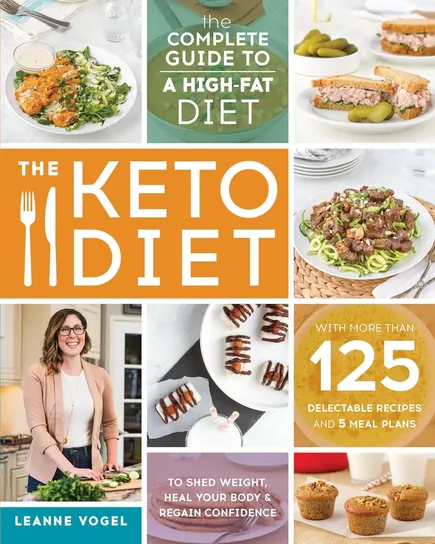
Ten keto books compared by author training, safety advice, science and recipes. The Keto Diet by Leanne Vogel leads as the most complete beginner guide. When users buy our independently chosen editorial recommendations, we may earn commissions to help fund the Wiki.
Most popular keto books come from bloggers and coaches, not clinicians, and few spell out who should skip the diet: people on diabetes or blood pressure drugs, pregnant women, and anyone with kidney, liver or pancreas disease. This list sorts the strongest by purpose, from quick starters and family cooking to physician-written science and supervised epilepsy care.
At a Glance


Editor's Notes
November 1, 2026, by Ezvid Wiki Editors:
The Keto Diet by Leanne Vogel takes the lead because it puts the basics, food lists, meal plans and a deep recipe section in one inexpensive book. We weighed each title by who wrote it and whether it admits the diet's limits, read the one independent review that scored a finalist's science, and checked the books' health claims against a 2026 medical review of who should not try keto.
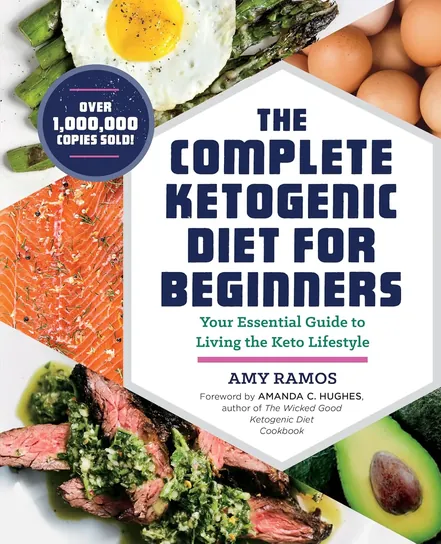
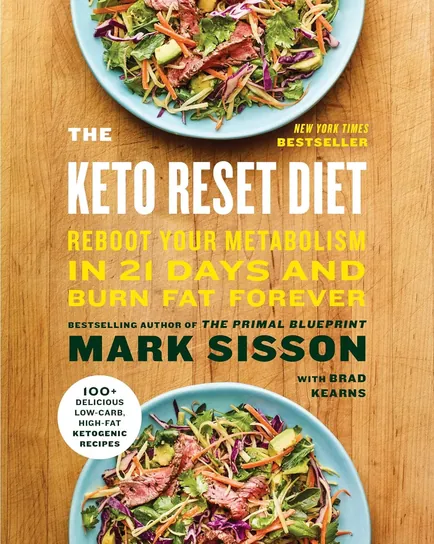
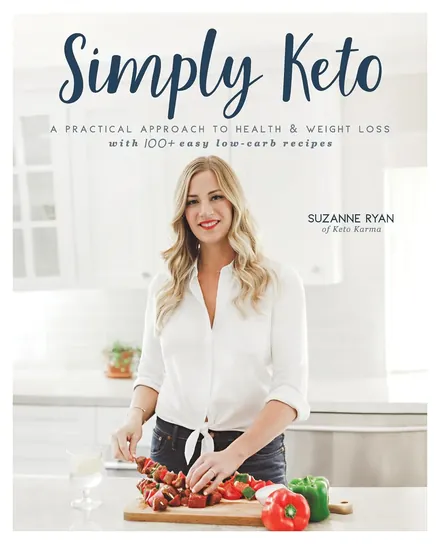
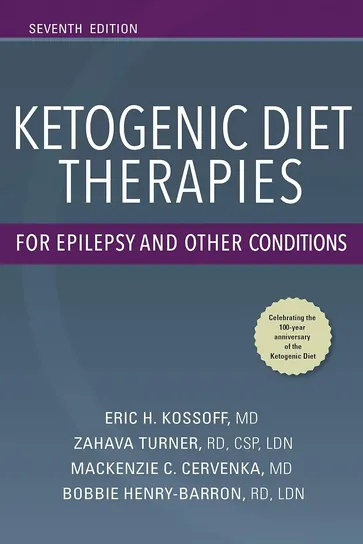
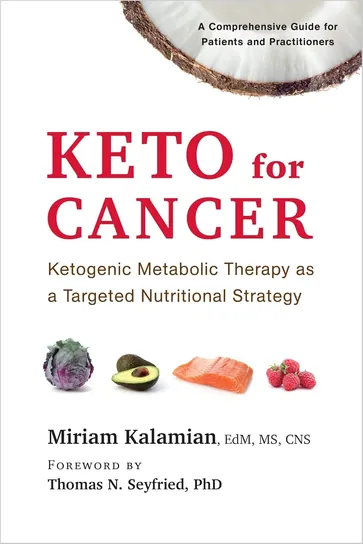
New here are The Complete Ketogenic Diet for Beginners, The Keto Reset Diet, Simply Keto and Keto for Cancer. The epilepsy handbook moved to its seventh edition, now called Ketogenic Diet Therapies for Epilepsy and Other Conditions. We let go of Keto Quick Start and Keto: The Complete Guide to Success because stronger beginner guides cover the same ground, Dr. Colbert's Keto Zone Diet for thin outside evidence, and The Wicked Good Ketogenic Diet Cookbook because it's a recipe book. Josh Axe's Keto Diet came close, but its promise to reverse disease goes further than the research does.
Earlier notes
October 31, 2019, by Gia Vescovi-Chiordi:
Before starting any new diet, it's critical that you arm yourself with knowledge from trusted professionals and consult with a nutritionist or physician, otherwise you may put yourself at risk. One of these keto diet books will help you get the information you need, and, along with a good cookbook, have you well on your way to transitioning to your new lifestyle once you get the all-clear from a doctor.
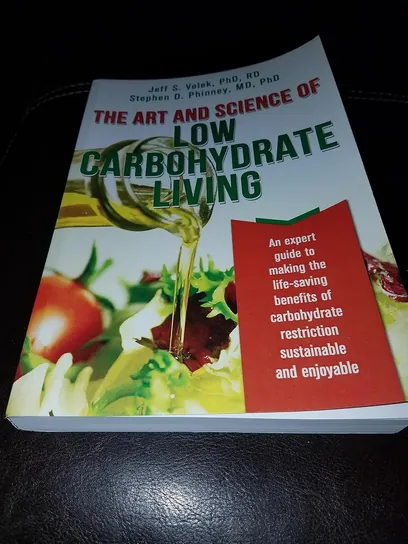
Although it's relatively helpful, we let go of Mistakes You Need to Know due to its incomplete nature. With only 70 pages, we felt we could replace it with something more useful, and so added the exhaustive The Art and Science of Low Carbohydrate Living in its stead. This selection is perfect if you want an in-depth background on keto and low-carb diets from a medical perspective that isn't confusing or overly technical.
We also scrapped the Essential Cookbook to make way for Keto Quick Start, which not only has a plethora of recipes but also provides a roadmap for first-timers to ease into keto, which is extremely helpful if you're confused or unsure of the diet to start.
All of the books on this list are meant to inform and teach, with the added benefit that some have meal plans and recipes, like Wicked Good, The Complete Guide, and Complete Guide to Success. Be aware that with Wicked Good, the macros for some recipes aren't as balanced as some would like, which can make meal planning a bit difficult if this is your only reference book. When balanced with other cookbooks and online recipes, it serves as a great supplement.
We prioritized books written by experienced nutritionists, physicians, and scholars, and opted for volumes written in an engaging tone, with plenty of research-based evidence, as well as recipes, eating guides, meal plans, and tips for personalization.
Special Honors
The Charlie Foundation for Ketogenic Therapies Families using keto for epilepsy can find free diet guides, recipes and a directory of keto therapy programs from this nonprofit, founded by the parents of a boy whose seizures were brought under control by the diet. charliefoundation.org
Who Wrote It, And Do They Say Who Should Stop?
Anyone taking insulin, sulfonylureas, SGLT2 inhibitors or blood pressure drugs needs a clinician to adjust doses, because blood sugar and blood pressure can drop fast.
A keto book is only as careful as its author. Physicians and registered dietitians wrote some of the books here, sports scientists and researchers wrote others, and bloggers and coaches wrote the rest. That doesn't make a blogger's recipes worse, but medical advice deserves a medical source. Look at the cover and the author page, and check the date: most popular keto books came out between 2011 and 2019.
The better test is whether a book names the people who shouldn't try the diet on their own. A 2026 review in the Annals of Medicine lists rare metabolic disorders that rule keto out entirely, and conditions that call for a doctor first: advanced kidney disease, acute liver failure or pancreatitis, familial high cholesterol, gallbladder problems, pregnancy and breastfeeding, being underweight, and a history of eating disorders. Anyone taking insulin, sulfonylureas, SGLT2 inhibitors or blood pressure drugs needs a clinician to adjust doses, because blood sugar and blood pressure can drop fast.
What Keto Can And Can't Do
Keto started as a medical diet. Doctors have used it since the 1920s for epilepsy that drugs don't control, and a Cochrane review summarized on Wikipedia found that about four in ten children on it had their seizures cut by at least half. That use is run by a neurologist and a dietitian, often starting in hospital.
For weight loss, the picture is more modest. Low-carb diets tend to beat low-fat diets over the first months, but the edge shrinks, and at two years they do no better than balanced diets in the trials pooled by Cochrane (Wikipedia: Low-carbohydrate diet). The diet you can stick with matters most. For type 2 diabetes, the American Diabetes Association calls carb reduction the approach with the most evidence for blood sugar, and very-low-carb eating a viable option for some people.
For cancer, there's no clinical evidence that keto treats it, and the American Institute for Cancer Research notes that no major cancer organization recommends it. Patients who try it need close supervision.
The First Weeks: Keto Flu, Salt And Cholesterol
Many people feel tired, headachy or queasy in the first week or two, often called keto flu. Cutting carbs makes the body shed water along with sodium, potassium and magnesium, and most books tell readers to add salt or broth. They don't agree on how much: Red Pen Reviews faulted one well-known book for advising extra sodium without citing support. Ask your doctor before adding salt if you have high blood pressure or heart or kidney disease. Constipation is common too.
Have your cholesterol checked a few months in. Long-term low-carb eating raises total and LDL cholesterol in many people, and the American College of Cardiology advises talking to a clinician before starting, and avoiding the diet if you already have hardened arteries (Wikipedia: Low-carbohydrate diet). Ketoacidosis is rare on the diet but can be life-threatening, especially with SGLT2 inhibitor drugs.
How we researched this
We compared 21 keto diet books, checked the author credentials, publisher and edition of the 10 finalists, read the one independent review that scored a finalist's scientific accuracy, analyzed reader feedback patterns, and compared each book's health claims with a 2026 medical review of keto's risks and with published evidence summaries on weight loss, diabetes, epilepsy and cancer.
Sources (7)
- Annals of Medicine: The ketogenic diet is not for everyone (2026)
- Red Pen Reviews: The Art and Science of Low Carbohydrate Living
- Wikipedia: Ketogenic diet
- Wikipedia: Low-carbohydrate diet
- American Institute for Cancer Research: The ketogenic diet and cancer treatment
- Springer Publishing: Ketogenic Diet Therapies for Epilepsy and Other Conditions, Seventh Edition
- Wikipedia: Jeff Volek
Frequently asked questions
What is the best keto diet book for beginners?
The Keto Diet by Leanne Vogel covers the most ground in one book. If you want something short to start with, The Complete Ketogenic Diet for Beginners by Amy Ramos is a quick read.
Is the keto diet safe for everyone?
No. People with certain rare metabolic disorders should never try it, and people with kidney, liver, pancreas or gallbladder problems, pregnant or breastfeeding women, and anyone on diabetes or blood pressure drugs need a doctor's help first.
Does keto work better than other diets for weight loss?
Only a little, and mostly in the first months. At two years, trials find low-carb diets do about as well as balanced ones. The diet you can stick with is the one that works.
What's the difference between keto and the modified Atkins diet?
The modified Atkins diet is a looser medical version used for epilepsy. It limits carbs without weighing food or limiting calories and fluids, and it can usually start at home rather than in hospital.
Are older keto books out of date?
Partly. The basics hold up, but many popular titles came out between 2011 and 2019, before newer trials on long-term weight loss and cholesterol. Read health claims in older books with that in mind.