The 9 Best Horse Boots
Updated by · How we research

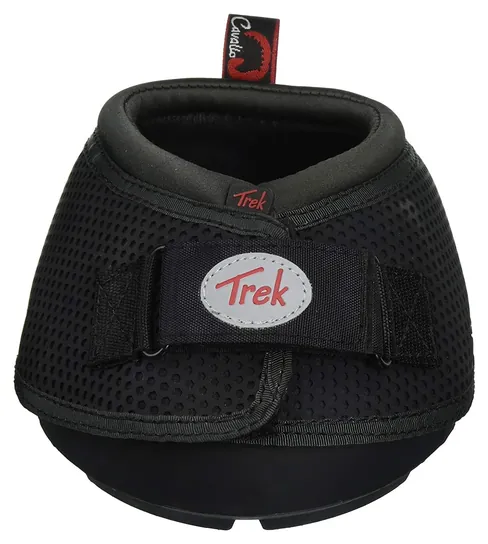
Hoof boots, bell boots and therapy boots for barefoot and shod horses, compared on fit, closure and use. The Cavallo Trek leads for everyday trail riding. When users buy our independently chosen editorial picks, we may earn commissions to help fund the Wiki.
Most boot trouble comes down to fit and time. A hoof boot that's the wrong size twists or flies off at the trot, and any boot left on too long traps heat around the tendons. This list covers hoof boots for riding a barefoot horse, bell boots that guard the heels, and therapy boots for a sore foot.


Editor's Notes
October 26, 2026, by Ezvid Wiki Admin:
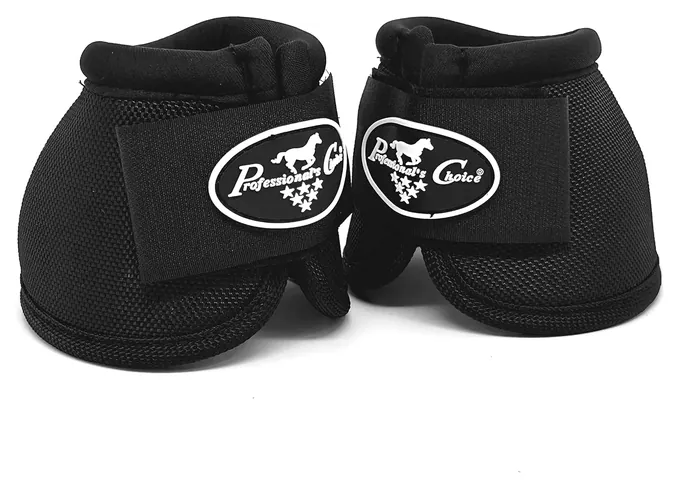
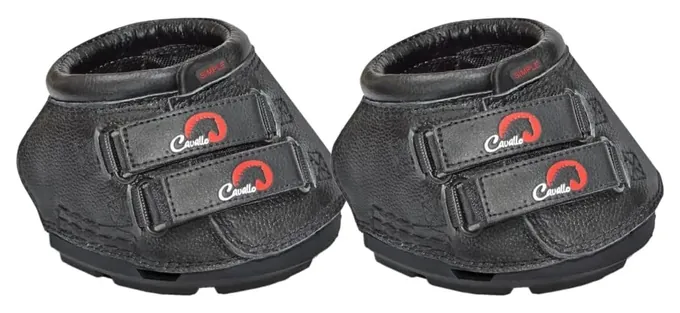
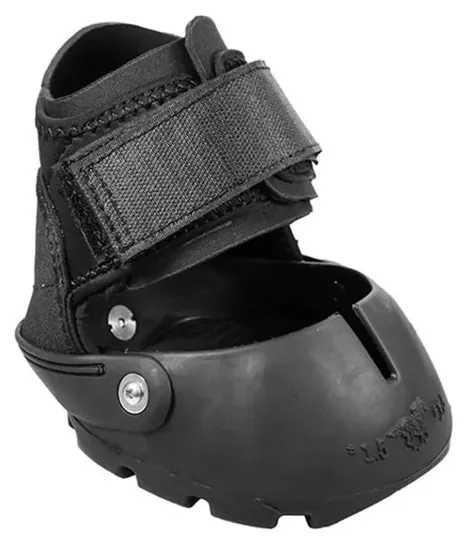
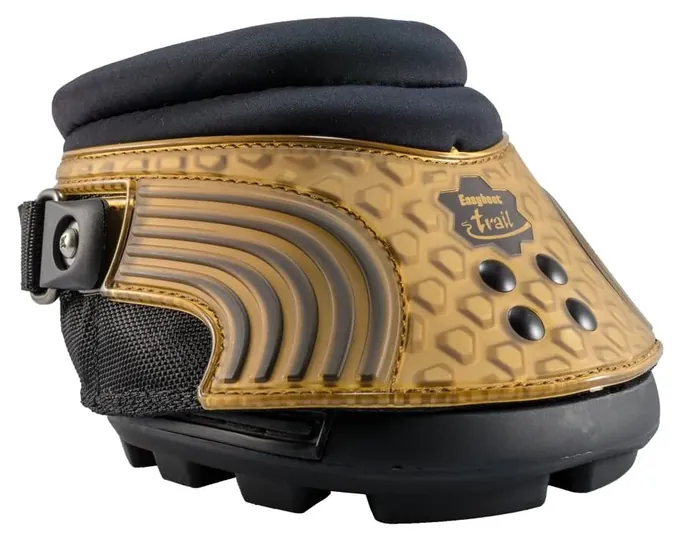
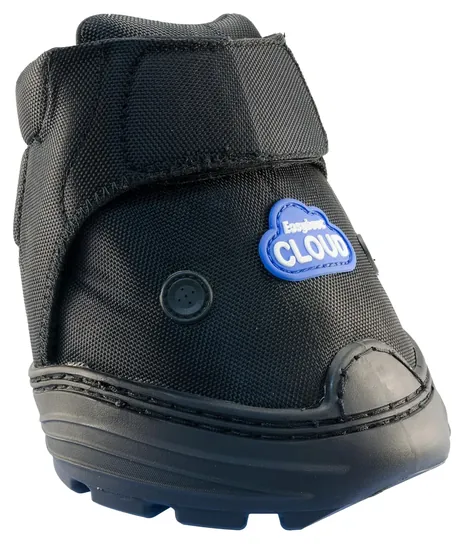
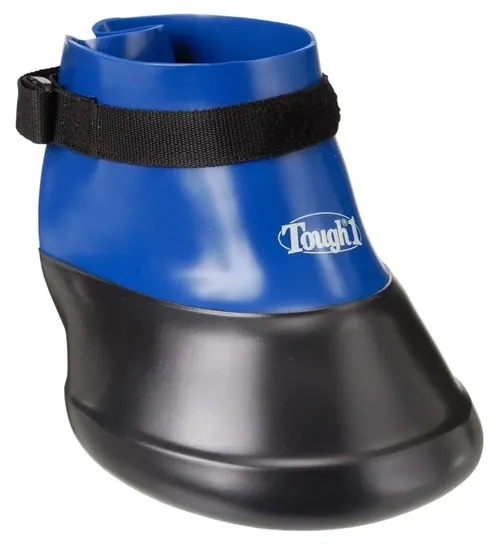
The Cavallo Trek takes the top spot. It slips on with one strap, fits either front or hind and is sold one boot at a time, which suits most trail riders with a barefoot horse. The Cavallo Simple, Professional's Choice Ballistic Bell Boot, Easyboot Cloud and Tough 1 Hoof Saver stay.
Six old picks are gone. The Horze Advanced ProTec, Veredus Olympus, Pelham Ascot Apollo and the 2016 Easyboot Glove are unavailable, the Iconoclast Orthopedic has left our sellers, and no seller posted a current price for the Professional's Choice Ice Boots. The Easyboot Glove Soft takes the old Glove's place.
That leaves no splint or open-front leg boots on the list for now, since none we screened was in stock. The buyer's guide still covers how to choose and fit them.
Nobody seems to run head-to-head trials of hoof boots, so the deciding evidence here was fitting advice from farriers and tack shops, makers' sizing charts and a 2022 study that tracked leg temperature under boots and wraps.
October 22, 2019:
Horse boots are used for a variety of different reasons, so we included the best options for some of the most common.
If you've made the choice to let your horse go barefoot (without metal shoes), then they'll most likely need protection when they go out for a ride. The Cavallo Simple has a flexible, protective sole, plus the top of the boot covers just like a bell boot, so it performs double duty if you have a horse with a tendency to overreach.
The Easy Boot Glove is preferred by some riders for its more open feel and the molded neoprene that will feel natural for the horse. At the same time, the more rugged tread performs better on more challenging terrain.
We included a selection of therapeutic boots the Tough 1 Hoof Saver that can provide continuous access to medication while not being as limiting as a wrap. It's easy to soak your horse's foot with this boot on as well.
Special Honors
Renegade Hoof Boots Renegade makes its Viper and Classic hoof boots in the U.S. and sells them direct in a long list of colors. The boots use a cable and strap system that riders adjust to the foot, and the company offers free sizing help with a size swap if the first pick doesn't fit. Replacement straps and parts are sold separately, which keeps a worn boot going. renegadehoofboots.com
Scootboot Scootboots are light, strapless urethane hoof boots from Australia, sold direct. Before you buy, the company's sizing team reviews photos and measurements of each hoof and recommends a model and size, with fit support and exchanges if it's wrong. That service helps with the feet that charts struggle to size. scootboots.com
Start With The Job: Hoof, Bell Or Leg Boot
Dover notes that open-front boots are common in jumper classes but not hunters, and dressage tests don't allow boots at all.
The word "boots" covers three different jobs. Hoof boots go on the foot itself and stand in for shoes on rocky trails, during a move to barefoot, or while a sore foot heals. Bell boots sit around the pastern and cover the heel bulbs and coronet band, so a hind foot that reaches too far can't cut the heel or pull a front shoe. Leg boots, such as splint, brushing and open-front tendon boots, protect the cannon and fetlock from knocks by the opposite leg (Dover Saddlery).
Therapy boots are a fourth group. Cushioned boots and soaking boots are for a foot problem your vet or farrier is already treating, and most are not made for riding. A soaking boot holds a poultice or medicated soak in place of a tape wrap.
Check the rules before you show. Dover notes that open-front boots are common in jumper classes but not hunters, and dressage tests don't allow boots at all. Bell boots on a barefoot horse are optional, but they're cheap insurance for any horse that overreaches or wears shoes.
Measure After A Trim, And Measure Every Foot
Most hoof-boot failures come back to fit. Measure each foot right after a fresh trim: width across the widest point, and length from the toe to the back of the heel buttresses. Fronts and hinds are usually different, and Dover advises the bigger size if a hoof falls between two (Dover Saddlery). Buying boots sold singly makes mixed sizes cheaper.
Charts only get you close. Hoof-care practitioner Pete Ramey told American Farriers Journal that you have to try boots on, and that long toes, low heels and oblong front feet are the hardest to fit (American Farriers Journal). Cavallo's own chart warns that the Simple doesn't suit a hoof wider than it is long. A boot that turns on the foot or comes off at the trot is the wrong size or the wrong shape, and a foot that grows out between trims can outgrow a snug boot.
Hoof boots are for riding and rough ground, not for days of turnout. Take them off after the ride, and check for rubs at the heel bulbs and coronet band each time.
Heat, Wear Time And Care
Every boot warms the leg. In a 2022 study in the Journal of Equine Veterinary Science, Brock and Spooner found that each boot and wrap they tried kept the leg warmer than a bare leg for the full three hours after a 20-minute workout, and they warned that tendons could reach damaging temperatures (Europe PMC record). Rubber and neoprene hold the most heat, and mesh or nylon breathes better for long summer work (Horse Racing Sense). Put boots on for the work and take them off after, unless your vet says otherwise.
For leg and bell boots, you should be able to slide one finger under the top, and the straps should close on the outside of the leg, pointing toward the tail. Hose grit out of nylon and rubber boots after a muddy ride, condition leather so it doesn't crack, and let boots dry fully. In a wet season, two sets that take turns drying help keep skin and hooves healthy.
How we researched this
We screened more than 30 horse boots across hoof, bell, leg and therapy types, read makers' sizing charts and fitting guides from Dover Saddlery and American Farriers Journal, read a 2022 veterinary study on leg temperature under boots and wraps, looked at owner feedback patterns, and checked every brand against U.S. Consumer Product Safety Commission recalls. None of the brands here has a recall on record.
Sources (11)
- Dover Saddlery: How to select horse boots
- Dover Saddlery: How to select hoof boots for riding
- American Farriers Journal: hoof boot fit
- Brock L, Spooner H. Equine boots and legwraps on leg surface temperature, J Equine Vet Sci 2022
- Horse Racing Sense: Boots for horses, types and when to use them
- Cavallo: Sport hoof boots
- EasyCare
- Equine Fusion jogging shoes
- Renegade Hoof Boots
- Scootboot
- U.S. Consumer Product Safety Commission recalls
Frequently asked questions
Can a horse wear hoof boots all day?
Riding hoof boots are meant for the ride, not for days of turnout. Take them off afterward and check for rubs. Therapy boots can stay on longer, but only on a plan from your vet or farrier.
How do I measure my horse for hoof boots?
Measure right after a trim. Take the width at the widest point and the length from toe to heel buttress on each foot, since fronts and hinds differ. If a hoof falls between sizes, most fitters suggest the larger one.
Does a barefoot horse need bell boots?
Not always. Bell boots protect the heel bulbs from overreaching, so they help any horse that clips its front heels, shod or not. On a shod horse they also help stop pulled shoes.
How tight should bell boots and leg boots be?
You should be able to slide one finger under the top. Straps close on the outside of the leg and point toward the tail.
Can I leave boots on overnight?
Not unless your vet advises it. Boots hold heat and moisture against the leg and hoof, which can lead to rubs, skin problems and hot tendons.
Are boots allowed in the show ring?
It depends on the class. Open-front boots are common in jumpers, hunters usually show without them, and dressage tests don't allow boots. Check your association's current rules.