The 10 Best Electrical Engineering Textbooks
Updated by · How we research

Ten electrical engineering textbooks compared by course, from circuits to power and control. Fundamentals of Electric Circuits leads for its steady practice. When users buy our independently chosen editorial picks, we may earn commissions to help fund the Wiki.
No single book teaches electrical engineering. A degree moves through a shelf of subjects, from circuits and electronics to fields, control and power, and most programs settle on one or two classic texts for each. Older editions often work almost as well for self-study. This list suits students buying for a course, self-learners mapping a path and hobbyists who want theory.
At a Glance
-
1
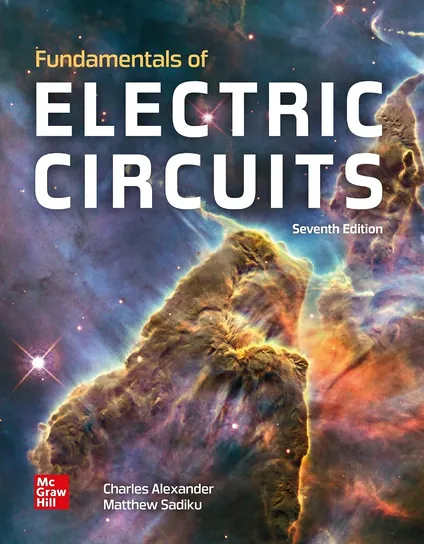
 Fundamentals of Electric Circuits
$185
-
2
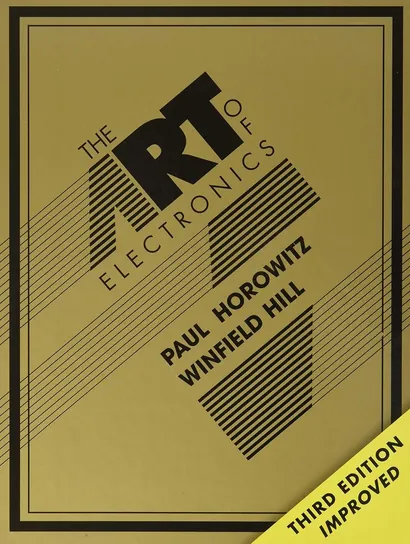
 The Art of Electronics
$97
-
3
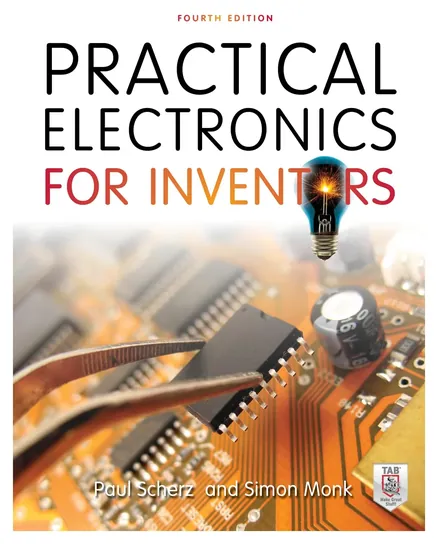
 Practical Electronics for Inventors
$33
-
4
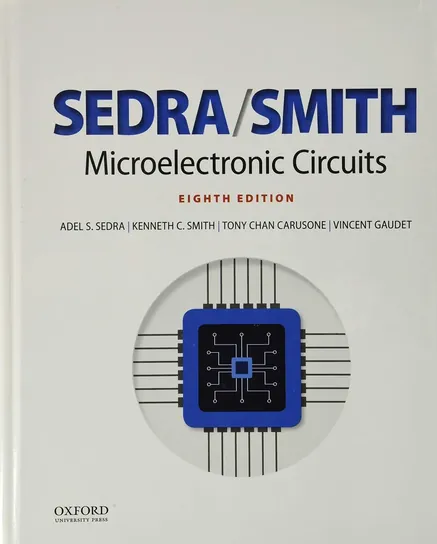
 Sedra/Smith Microelectronic Circuits
$150
-
5
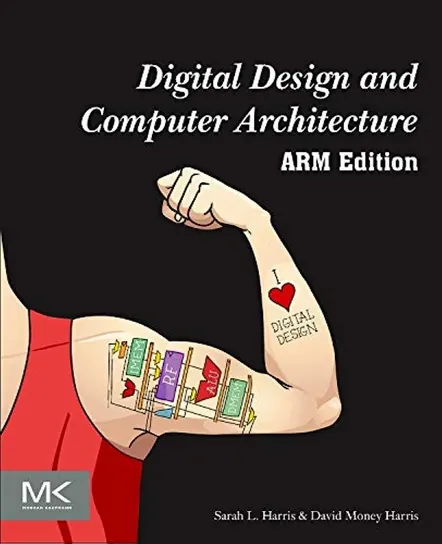
 Digital Design and Computer Architecture
$72
-
6
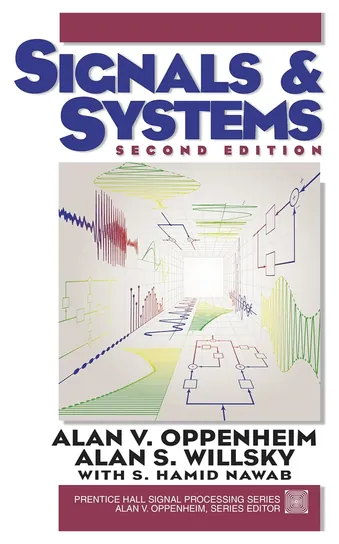
 Signals and Systems
$245
-
7
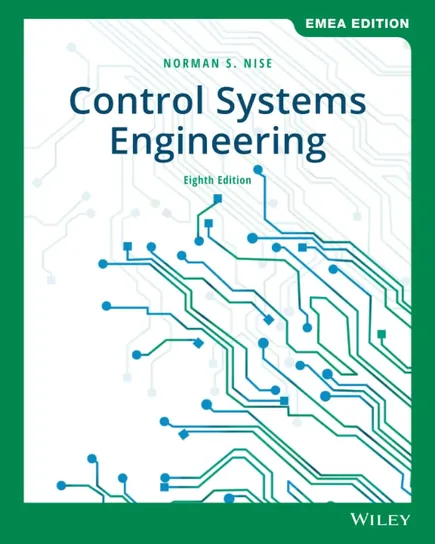
 Control Systems Engineering
$250
-
8
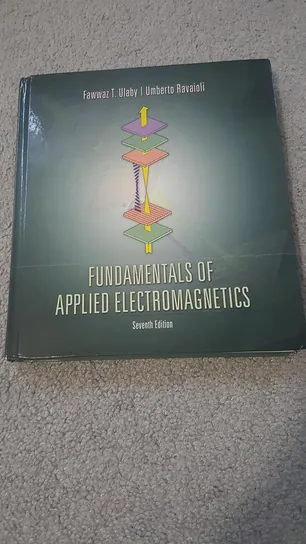
 Fundamentals of Applied Electromagnetics
$173
-
9
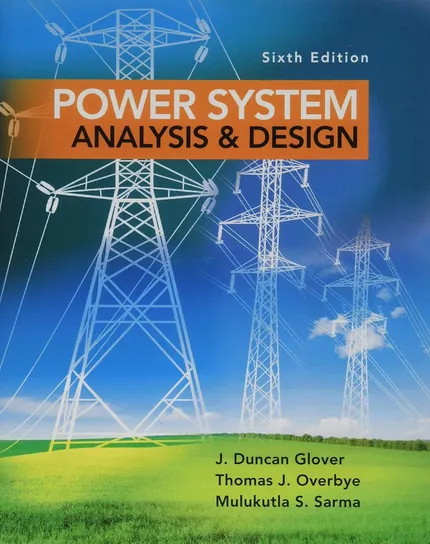
 Power System Analysis and Design
$143
-
10
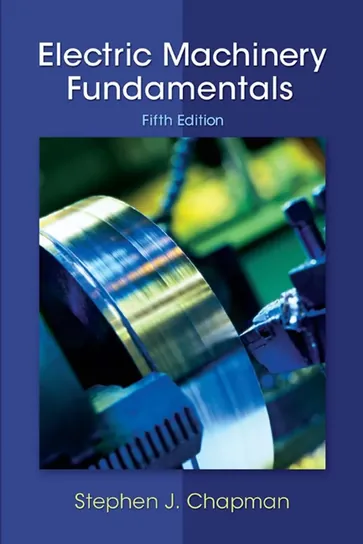
 Electric Machinery Fundamentals
$196
Editor's Notes
October 26, 2026, by Ezvid Wiki Admin:
Fundamentals of Electric Circuits now sits on top, because nearly every degree starts with circuit analysis and this book makes practice part of every example. We rebuilt the list as a shelf, with one standard text per core subject: Microelectronic Circuits for transistors, Signals and Systems, Control Systems Engineering, Fundamentals of Applied Electromagnetics, Power System Analysis and Design, Electric Machinery Fundamentals and Digital Design and Computer Architecture. The Art of Electronics joins as the design reference engineers keep, and Practical Electronics for Inventors stays as the friendly way in.
The math primer, the exam study guide, the repair manual, the pocket databook and a few general overviews are gone, because they aren't the books courses teach from. To choose, we matched books against university syllabi, including MIT's open course pages, and against long forum threads where engineers compare the texts they still reach for. If your algebra is shaky, fix that first.
December 07, 2020:
Like our previous editor noted, this category is a complex one no matter how you slice it, so we did our best to select texts that don't get bogged down in jargon and prioritize clear language and useful examples. We felt the list was a little too stacked toward beginners, and so cleared out a few older, simplistic options like Electrical Engineering 101 and The Beginner's Guide To Electrical Engineering. These are still a solid choice if you're a layperson or just starting out, but Basic Electricity, Electrical Engineering for Non-Electrical Engineers, and even the newly-added Practical Electrical Engineering should serve introductory students just fine.
Also joining the ranks today is Fundamentals of Electric Circuits, which we brought on at the expense of Introductory Circuit Analysis Global Edition. Each of these texts is highly-lauded and extremely well done, with the former having a slight edge and lots of great pedagogy. The main reason Fundamentals took the place of Introductory Circuit Analysis, however, is because it is much more recent and we felt it would be repetitive to keep both around. Fundamentals is also useful for beginner courses for students in a range of other majors.
In addition to options for DIYers and hands-on students like How To Diagnose And Fix Everything Electronic and Practical Electronics For Inventors, we wanted a reference guide to help readers with the volume of formulas, symbols, abbreviations, and equations they need to remember. That guide is the Engineers' Practical Databook and would work alongside many engineering textbooks for those still in school as well as out in the field. It's light and easy to carry, too.
March 20, 2019:
The textbooks in this category are dedicated to a pretty complex study, the math and graphics of which can be dizzying to anyone very new to it. It was important, then, that we place a serious emphasis on the voice in which each entry is written, so that readers might have a chance to guide themselves through a given work without being overwhelmed. Introductory Circuit Analysis, despite its rather dry name, actually has one of the clearest voices around, and its focus on diving headlong into the math and helping you understand it might make it one of the most valuable such books on the market. Still, we wouldn't want a list that only catered to people who'd never designed their own circuits or deconstructed and reconstructed complex electrical devices, so we included some great options for more advanced readers like the FE exam study guide and the offering from the expansive Know It All series.
Special Honors
MIT OpenCourseWare MIT publishes full course materials for free, including lecture notes, problem sets and exams for its circuits, signals, electromagnetics and power classes. It pairs well with the books on this list, since several of its courses assign them, and it shows what a real syllabus expects week by week. ocw.mit.edu
LibreTexts Engineering LibreTexts is a nonprofit open-textbook library that hosts free engineering books, including introductory electric circuits and electronics texts. The quality varies by title, but it's a no-cost way to preview a subject or find extra explanations before buying a hardcover. eng.libretexts.org
Build The Shelf Course By Course
Power, control and electromagnetics can follow in whatever order your interests take you.
Electrical engineering isn't one subject, so don't look for one book. A typical degree starts with circuit analysis, then moves to electronics (diodes and transistors), signals and systems, electromagnetics, control, digital design and, for many students, power systems and machines. Each subject has a short list of standard texts, and the right choice is usually the one your course names.
MIT's open course pages show how this works. Its signals class lists Oppenheim and Willsky's Signals and Systems, and its circuits class used Agarwal and Lang's Foundations of Analog and Digital Electronic Circuits (MIT 6.002 syllabus). Students on the EEVblog forum report the same pattern: Sedra and Smith for electronics, with lighter circuits books such as Irwin and Nelms as an easier option and Schaum's outlines for extra worked problems.
If you're learning on your own, a sensible order is a build-it-yourself book first, a circuits text second, then electronics and signals. Power, control and electromagnetics can follow in whatever order your interests take you.
The Math Comes Before The Circuits
Every university text here assumes calculus. MIT lists physics of electricity and magnetism plus differential equations as the starting point for its circuits course (MIT 6.002), and its signals course builds on the same base. Expect complex numbers in AC circuits, and Laplace and Fourier transforms by the end of the first circuits book.
That's why beginners on Physics Forums are often steered away from The Art of Electronics as a first book, even though it's praised, and toward gentler circuit analysis texts. If your algebra and trigonometry need work, start with a book from our list of precalculus textbooks before you buy a circuits text.
Hobby books such as Practical Electronics for Inventors keep the math light on purpose. They're a fine way in, but they won't carry you through exam problems in a degree course.
Editions, Formats And Fake Copies
Engineering textbooks are sold in numbered editions, and a new edition mostly reshuffles problems and adds topics. For self-study, one or two editions back is usually fine and far cheaper. For a class, match the edition your instructor names, because homework numbers change. International editions, such as Wiley's EMEA version of Control Systems Engineering, can differ from the U.S. book in problem sets and binding.
Publishers also sell digital versions and rentals. McGraw Hill offers eBook rental, loose-leaf print and its online homework system for Fundamentals of Electric Circuits, and Elsevier keeps extra material for the ARM edition of Digital Design and Computer Architecture online. Check that a course needs an access code before you pay for a bundle.
Counterfeits are a real problem for popular titles. The authors of The Art of Electronics warn about pirated print copies; buy from the publisher or a reputable seller, and be wary of prices far below the norm.
How we researched this
We compared 21 current electrical engineering books, checked publishers' pages and university course syllabi for the 10 finalists, and read long discussions among students and working engineers about the texts they use. No independent lab tests exist for textbooks, so we ranked them on course coverage, clarity, practice problems and value. Printed books have no recall history. Updated October 26, 2026 by Ezvid Wiki Admin.
Sources (8)
- McGraw Hill: Fundamentals of Electric Circuits
- The Art of Electronics (authors' site)
- Elsevier: Digital Design and Computer Architecture, ARM Edition
- MIT OpenCourseWare 6.003 Signals and Systems syllabus
- MIT OpenCourseWare 6.002 Circuits and Electronics syllabus
- EEVblog forum: What university electrical engineering textbooks to order?
- Physics Forums: Good books in Electrical Engineering
- CPSC recalls search
Frequently asked questions
What is the best electrical engineering book for beginners?
Practical Electronics for Inventors is the gentlest start: light math and lots of circuits to build. When you're ready for the theory a degree uses, move to a circuits text such as Fundamentals of Electric Circuits.
Is electrical engineering math heavy?
Yes. Expect calculus, differential equations and complex numbers from the first circuits course, then Laplace and Fourier transforms. MIT's circuits and signals courses both list differential equations as a starting point.
Are EEE books different from electrical engineering books?
No. EEE (electrical and electronics engineering) programs, common in South and Southeast Asia, teach the same subjects and often use the same standard texts for circuits, electronics, signals and power.
What are good power engineering textbooks?
Power System Analysis and Design covers the grid, from power flow to faults and protection. Electric Machinery Fundamentals covers motors, generators and transformers. Students interested in converters often add a power electronics text.
Can I use an older edition of an engineering textbook?
For self-study, usually yes: the core material changes little between editions. For a class, use the edition your instructor names, because problem numbers and sometimes chapter order change.
Do I need a separate book for the FE exam?
Yes. The Fundamentals of Engineering exam has its own reference handbook and study guides. Course textbooks teach the material, but exam prep books focus on timed practice in the exam's format.