The 10 Best Dehumidifiers
Updated by · How we research

Ten dehumidifiers compared by real drying power, noise, drainage and warranty, from closet minis to basement units. The Midea Cube 35 leads for most homes. When users buy our independently chosen editorial recommendations, we may earn commissions to help fund the Wiki.
Since 2019, the Energy Department has rated dehumidifiers in cooler air, so the same machine now earns a much smaller pint rating, and many sellers still advertise huge numbers measured in a steamy lab. Independent day-long runs often find a fraction of that. This guide is for anyone fighting a musty basement, a damp bedroom or a closet that grows mildew.


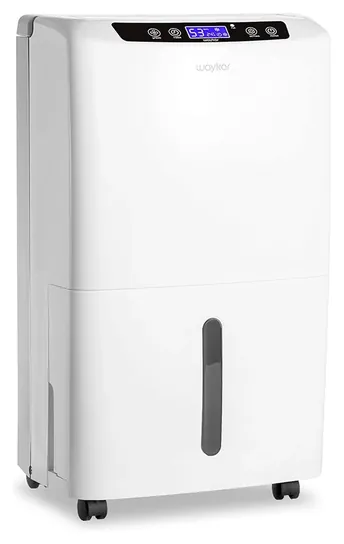
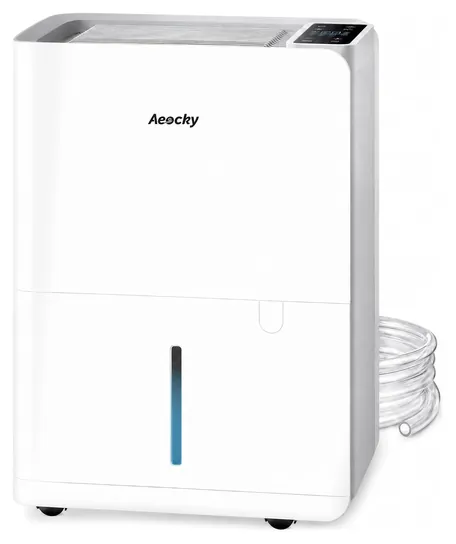
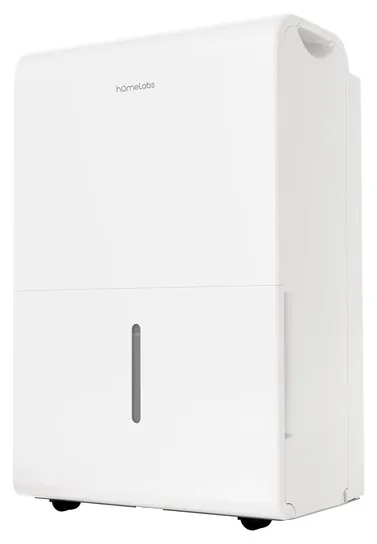
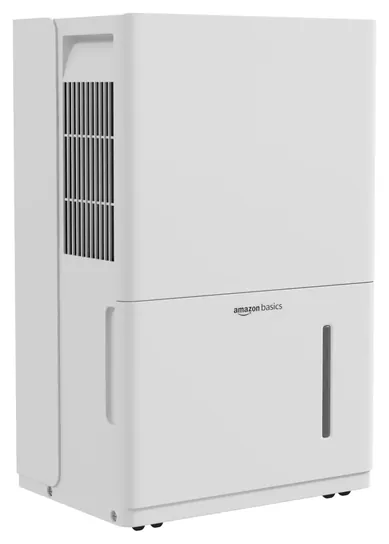
Editor's Notes
October 27, 2026, by Ezvid Wiki Editors:
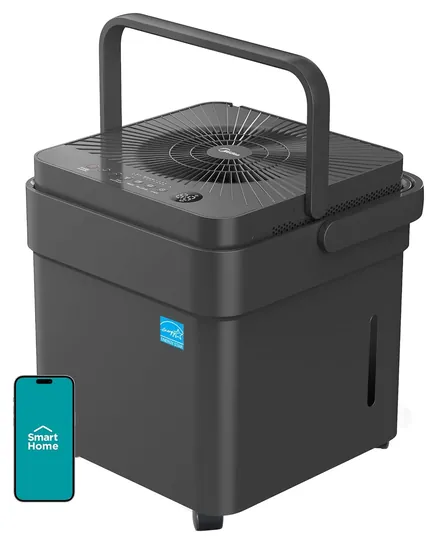
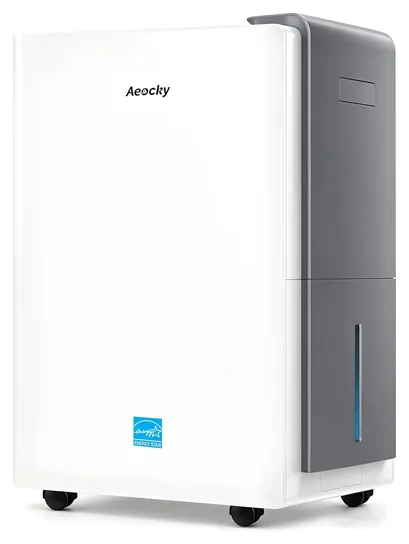
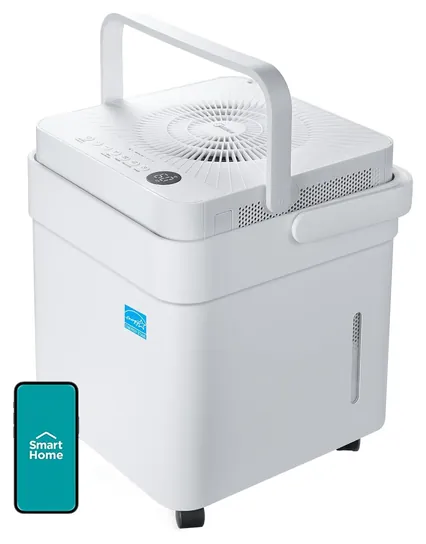
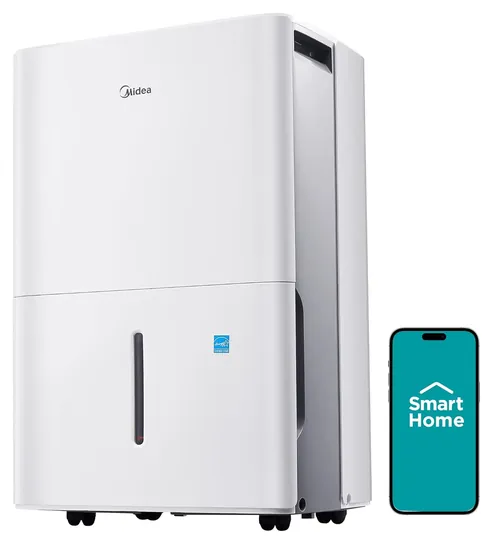
The Midea Cube 35 is the new pick for most homes. It dries a damp basement well, runs quieter than most compressor units, and folds into its own bucket when the damp season ends. For a truly wet basement, the AEOCKY Rhea 003 pulled the most water in a home lab's day-long runs and used the least power doing it.
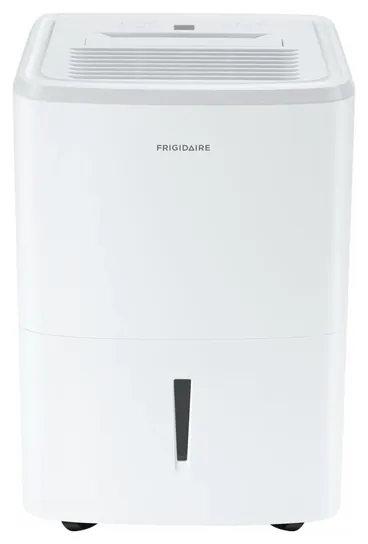
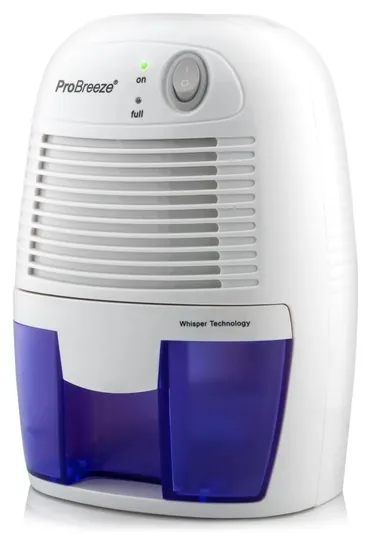
Seven of the nine earlier picks are gone. The Waykar PD1201B, GE Appliances APER50LZ, DeLonghi Energy Star 45 Pint and Honeywell TP70WK have no current listings, and the Frigidaire FFAP5033W1 and AlorAir Storm LGR Extreme are unavailable. The Crane Moisture Removal went too, since one closet-size unit is enough. The hOmeLabs HME031003N and the Pro Breeze PB-02 stay. New arrivals include the Midea Cube 20, the Frigidaire FHDD5034Y1, the Waykar PD160B and a 50-pint unit with a built-in pump for basements without a floor drain.
What changed the ranking most was seeing how far marketing pint claims run ahead of lab results: one unit sold as a 50-pint machine removed under six pints in a day. We also leaned on ENERGY STAR's sizing table and the long record of dehumidifier fire recalls at the CPSC, none of which covers a model here.
Earlier notes
March 17, 2021, by Will Rhoda:
It wound up being quite a busy round of updates for us, with several models needing to be replaced or removed. We swapped out the AlorAir Sentinel HDI90 for the AlorAir Storm LGR Extreme – which looks to be a very similar unit, only offered with app connectivity and four, fun colorways – and eliminated the Black & Decker BDT70, EcoSeb Classic DD322EA, Keystone Electronic KSTAD70B and Frigidaire FFAD7033R1, all due concerns related to availability — although we were able to replace our latter loss with a like-branded new entry.
The Frigidaire FFAP5033W1 is a 50-pint unit with a two-gallon reservoir, and in terms of power, it’s quite comparable to our second new addition, the GE Appliances APER50LZ. Both of these models feature built-in pumps that allow you to place them as far as 16 feet away from the nearest drain during continuous operation, and both are backed by one-year warranties, although the Frigidaire model comes with an additional three years of coverage on its sealed components.
Our last new addition was the Waykar PD1201B, and it’s easily the most powerful model we ranked today, with a 296-pint rating that allows it to pull up to 37 gallons of moisture out of the air in a single day. It isn’t the most affordable unit out there, but considering it’s industrial abilities, it is quite an attractive appliance.
If continuous drainage is a must for you, we maintain a separate list of dehumidifiers with built-in pumps. And, if some of the choices toward the bottom of this list are just to small for you, them maybe you’d rather jump over to our lit of whole-house dehumidifiers.
January 26, 2020, by Daniel Imperiale:
We removed a couple of items from our last selection due to durability issues, with the Friedrich 50-Pint D50BPA posing a particular problem with both lifespan and warranty service. In their places, we found some great new models like the Crane Moisture Removal, which is compact and quiet enough to use at your bedside while sleeping.
Features like automatic shutoffs and high CFM were important, but you'll notice that as you move your way up the list there are more models that use their integrated hygrometers to turn their compressors on and off, effectively giving you more exact control over the specific humidity in a space than other options would. This is a particularly important feature if you're trying to maintain a cigar vault or a set of instruments in a controlled space. We also prefer models that offer drainage hookups and allow you to run them continuously, as these are the most useful in very damp basements and other areas where persistent humidity is a big problem.
Special Honors
Santa Fe Dehumidifiers Santa Fe, an AprilAire brand based in Madison, Wisconsin, makes whole-house ventilating dehumidifiers that tie into a home's ductwork, along with heavy-duty free-standing units for basements. They're usually installed by an HVAC contractor, and the company's site has a sizing guide and a performance calculator for picking a model. santa-fe-products.com
Quest Climate Quest, part of Therma-Stor in Wisconsin, builds commercial and industrial dehumidifiers for grow rooms, warehouses and other spaces with heavy moisture loads. Its site offers a performance calculator, maintenance and cleaning guides, and an error-code lookup for owners of its machines. questclimate.com
Pints Per Day: How To Read The Ratings
In June 2019 the Department of Energy moved its test from 80 degrees to 65 degrees, closer to a real basement.
Every dehumidifier is sold by how many pints of water it can pull from the air in a day, but that number depends on the test. In June 2019 the Department of Energy moved its test from 80 degrees to 65 degrees, closer to a real basement. The same machine now earns a smaller number: ENERGY STAR says a unit once rated at 70 pints is now rated at roughly 40 to 45, and an old 50-pint unit at about 30.
Many sellers go further and quote a peak figure measured at 95 degrees and 95 percent humidity, which is how a mid-size unit ends up advertised as a 120- or 140-pint machine. Independent runs at ordinary room conditions bring those numbers down to earth. In HouseFresh's 24-hour tests, the AEOCKY Rhea 003 removed about 20 pints, the Midea Cube 35 about 14 and the AEOCKY Boreas 001, sold on a 50-pint peak claim, under 6.
For sizing, ENERGY STAR's dehumidifier guide suggests 20 to 30 pints (current test) for a small to medium room that feels damp, 30 or more for a large one, and 40 to 50 or more for a wet space with seeping walls or standing water. It also says to oversize rather than undersize: a bigger unit reaches the target faster and then cycles off.
Choosing A Type And A Way To Drain It
Nearly all home dehumidifiers use a compressor: a fan pulls air across a cold coil, and the water drips into a bucket. They work best above about 65 degrees. In a colder basement or garage the coil can ice over, so look for automatic defrost, or consider a desiccant unit, which absorbs moisture without a cold coil and keeps working in cool air. Thermoelectric minis, the palm-size units sold for closets and bathrooms, have no compressor and remove only a cup or so a day. Large commercial units for flood cleanup are a different class and usually rented.
Then decide where the water goes. A bucket works in a bedroom but fills within hours in a damp basement and gets heavy when full. Almost every full-size unit takes a standard garden hose, so if there's a floor drain lower than the outlet, it can run nonstop. Keep the hose sloping downhill the whole way. If the only drain is a sink or a window above the unit, you need a model with a built-in pump. HouseFresh notes that pumps and app controls add cost and parts that can fail, so pay for them only when you need them.
Other features worth having: a built-in humidity setting that turns the compressor on and off, auto restart after a power cut, a washable filter and caster wheels. A longer warranty is worth a few extra dollars, since compressors and pumps are the parts that fail.
Target Humidity, Mold And Safe Use
The EPA advises keeping indoor humidity below 60 percent, ideally between 30 and 50 percent, to keep mold from taking hold. A cheap hygrometer tells you whether a dehumidifier is getting you there, and it's a useful check on the machine's own sensor, which can read high or low. A dehumidifier prevents mold by keeping a space dry; it doesn't remove mold that's already growing, which has to be cleaned or cut out. Close doors and windows while it runs, leave a little space around the unit for airflow, and wash the filter every few weeks.
Fire is the safety story in this category. Gree recalled dehumidifiers sold under a dozen brands, including Frigidaire, Danby and Kenmore, and reannounced the recall after about 450 fires and $19 million in property damage. A 2023 recall covered 1.56 million more units made from 2011 to 2014. Midea recalled units sold from 2003 to 2013 under dozens of brands in 2016. If yours is more than about 10 years old, look up its model number at the CPSC's recall site. Plug any dehumidifier straight into a wall outlet, not a power strip or thin extension cord, and keep it clear of curtains. When one wears out, take it to an appliance recycler, since the coil holds refrigerant.
How we researched this
We compared 19 dehumidifiers, from closet minis to commercial flood dryers. We read the Department of Energy and ENERGY STAR rules on capacity testing and room sizing, the EPA's moisture and mold guide, and published lab results from HouseFresh, which measured water removal, power use and noise for several models here. We also weighed picks from Wirecutter, RTINGS and Weather.com, owner feedback on reliability and sensors, and makers' specs, and checked every brand against Consumer Product Safety Commission recall records. We found no independent long-term reliability data for any current model.
Frequently asked questions
What size dehumidifier do I need?
Go by how damp the space is as well as its size. Under the current test, ENERGY STAR suggests 20 to 30 pints for a small to medium damp room, 30 or more for a large one, and 40 to 50 or more for a wet basement. When in doubt, size up.
What humidity should I set it to?
Between 30 and 50 percent, per the EPA, and never above 60 percent for long. Around 45 percent is a common setting for basements. Check with a separate hygrometer, since built-in sensors can be off.
How much does a dehumidifier add to the electric bill?
A compressor unit draws roughly 300 to 650 watts on high. At a typical U.S. rate, a 400-watt unit running 12 hours a day costs well under a dollar a day, and less once the room is dry and it cycles off.
Do I need a model with a pump?
Only if the nearest drain is higher than the unit, such as a laundry sink or a window. If there's a floor drain, a garden hose sloping downhill does the job with no extra parts to fail.
Will a dehumidifier get rid of mold?
No. It keeps a space dry enough to stop new mold from growing, but existing mold has to be cleaned or removed, and the moisture source, such as a leak, still needs fixing.
Can I run one in a cold basement or garage?
Compressor units lose ground below about 65 degrees, and their coils can ice. Pick one with automatic defrost, or use a desiccant unit, which keeps working in cool air.