The 9 Best Dead Blow Hammers
Updated by · How we research

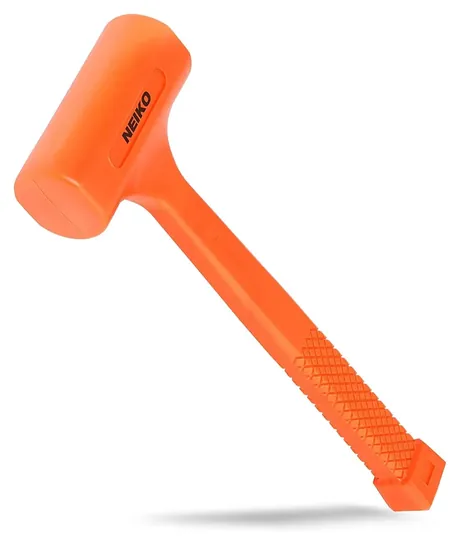
Nine dead blow hammers compared by weight, build, faces and warranty, from a half-pound tapper to a four-pound model. The Neiko 02847A is the best all-rounder. When users buy our independently chosen editorial selections, we may earn commissions to help fund the Wiki.
A dead blow hammer's head is hollow and partly filled with loose steel shot. When it hits, the shot keeps moving for an instant, so the blow lands solid and the hammer barely bounces back. That makes it the right tool for seating bearings, knocking joints together or tapping a panel without a dent, and a two-pound head suits most garages.


Editor's Notes
October 27, 2026, by Ezvid Wiki Editors:
The Neiko 02847A now leads the list. It costs very little, its two-pound weight suits most garage jobs, and a popular buying guide reached the same verdict.
Seven of the ten earlier picks had dropped out of reach. The Estwing CCD26, Nupla 10066 and Halder Secural have no current stock, the Nupla STP24 Strike Pro shows no price, and the ABC Hammers ABC3DB and Shop Iron 63008 seem to be discontinued. The Lixie 200H-MH can't be ordered to U.S. addresses right now, so Lixie moves to the special honors. The Stanley Proto J57-533 and Wiha 80230 had too little owner feedback for their prices.
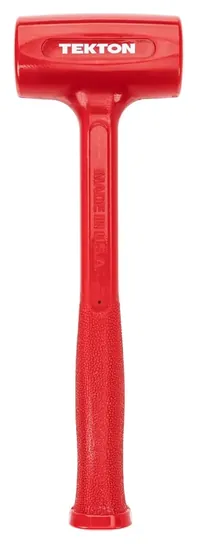
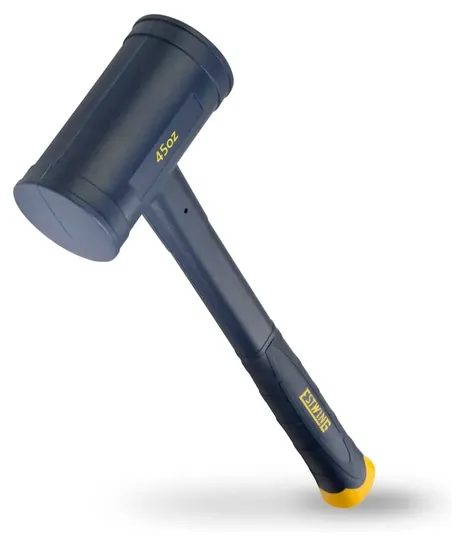
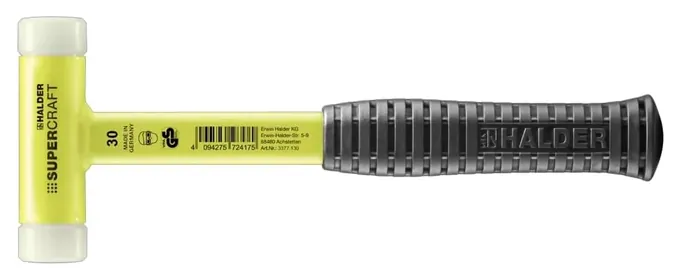
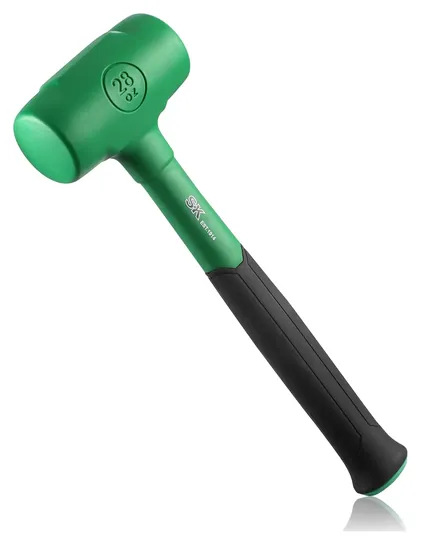
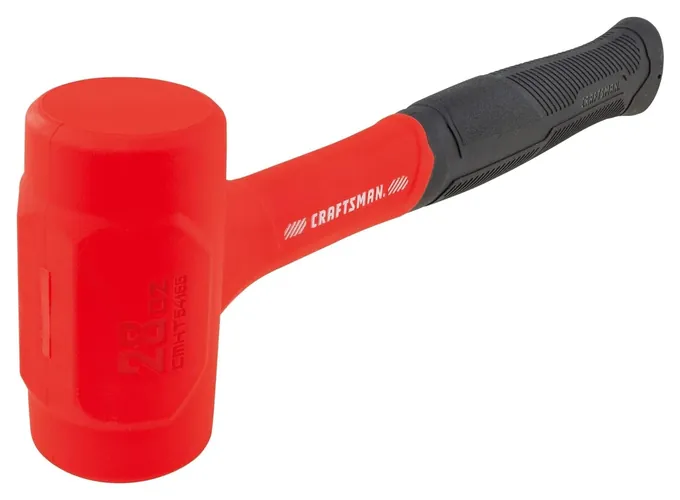
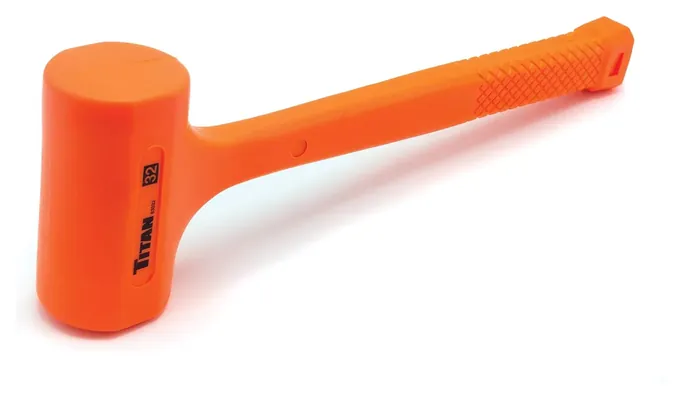
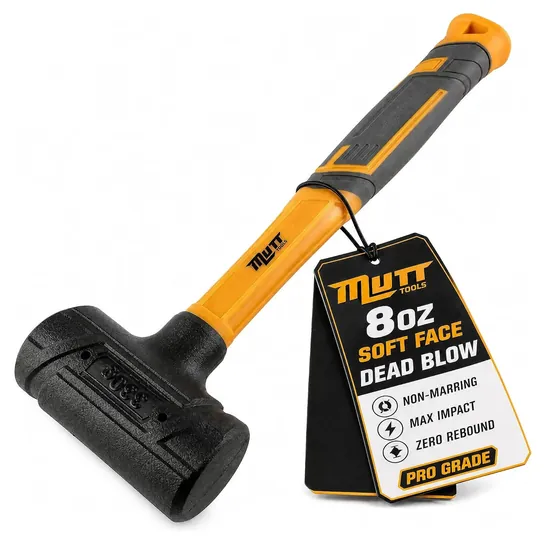
The Capri Tools C099 stays for heavy work. The Estwing CCD45 replaces its smaller sibling, and the Halder SuperCraft Hi-Viz replaces the Secural with swappable faces. New picks add an American-made Tekton HDB30026, middleweights from SK and Craftsman, the budget Titan 63032 and an eight-ounce Mutt Tools HT04AC for tight spots.
The best evidence came from Fine Woodworking's look at hot-cast mallets, a masonry contractor's sizing advice and Tekton's own warranty page. A recall search turned up no dead blow hammer recalls for any brand here.
Earlier notes
September 3, 2020, by Rafael Perez:
Removed the Tekton 30709 and the Stanley Compo-Cast in favor of the Estwing CCD26 and the Stanley Proto J57-533.
Deadblow hammers are versatile but should not be used for things like driving nails or for chisel work. Nails will tear up polyurethane and, like with chisel work, there really is no point to spreading out the force of impact over time. You want all of the impact hitting at once to drive a nail successfully. When carving or chiseling a joint, you're not necessarily moving the hammer in a way that makes any use of the inertia of the internal sand or shot. Most of the time, blows are very short and shallow, which means that the shot isn't actually completing the move from stationary, to the back of the casing, and then forward to the face. Not to mention it blunts your impact. So your cut may end up coming up short, and you'll need to swing harder to get the results you would get from a solid mallet.
In auto maintenance and many other jobs, a dead blow like the Stanley Proto J57-533 is indispensable. A common situation is one where you're removing a brake rotor and it's rust welded to the wheel hub. if you pull out a normal peening hammer, you'll definitely destroy the rotor. With the Stanley Proto, you can knock it loose with no damage, even when striking the friction surface. Since it comes with a slim face as well, you have recourse when the standard head is spreading out the force of impact too much to be effective.
March 26, 2019, by Christopher Thomas:
Dead blow hammers are typically filled either with sand or with tiny metal balls called "shot" because they resemble the metal pieces that make up buckshot. If you're working with sensitive materials like auto body panels or laminate flooring, you may need to do some whacking without leaving a mark, so one of these is what you'll need. If they'll only see occasional use, Tekton makes a number of fine options that are both simple and functional. The same can be said for Capri and ABC. For one that's simple and also of professional quality, check out the Stanley. Like many of their products, it's very well engineered and should last a long time. Precision tasks like gunsmithing and work with other small tools may call for one like the Shop Iron, which weighs only a half-pound. Nupla offers a couple mid-range options that are perfectly functional, and in fact, may serve very well for anyone working in extreme conditions. If you're looking for a more refined model for full-time use, Lixie, Halder, and Wiha all make exceptional hammers that are hard to beat, and can accomplish a wide range of tasks, while holding up well for an extended time.
Special Honors
Trusty-Cook Dead Blow Hammers Trusty-Cook casts polyurethane tools in Indiana. Its standard dead blows are hot-cast around shot and a steel handle, come in a wide range of weights, and earned a recommendation from Fine Woodworking's editor at large, who prefers the 21- and 26-ounce sizes for woodworking. They're sold direct and through woodworking dealers. trustycook.com
Lixie Hammers Lixie has made mallets, hammers and sledges in the U.S. for more than 75 years. Its dead blows use replaceable screw-in faces on a hickory handle, so you can match the face to the job and replace it when it wears. Lixie sells through industrial distributors, listed on its site. lixiehammers.com
What's Inside, And Why It Doesn't Bounce
When the face strikes, the shot is still moving forward, so it arrives a split second later and stretches the impact over a longer moment.
A dead blow hammer has a hollow head partly filled with loose steel shot, or sand in older designs. When the face strikes, the shot is still moving forward, so it arrives a split second later and stretches the impact over a longer moment. That lowers the peak force and cancels most of the rebound, so the head stays on the work instead of springing back at you (Wikipedia: Dead blow hammer). Sand damps a little more but wears itself down over time, which is why modern hammers use steel shot.
Most dead blows wrap that head in cast polyurethane, which won't mar paint, chrome, wood or sheet metal, and run a steel rod through the handle so an overstrike can't snap it. Fine Woodworking's editor at large describes the Trusty-Cook versions as polyurethane hot-cast around shot and a steel handle (Fine Woodworking). A one-piece cast body is cheap and tough. A steel-tube head with replaceable faces, as on Halder's mallets (Halder), costs more but lets you swap a worn or wrong face instead of the whole tool.
Mechanics use them to seat bearings and seals, tap brake parts and wheel covers, and coax body panels. Woodworkers knock joints together and drive assemblies square, and flooring installers tap boards tight.
Picking A Weight
Weight matters more than anything else. Masonry contractor Andriy Boyko, quoted in Bob Vila's guide, calls a 16-ounce hammer a good all-rounder and suggests 32 ounces for bigger jobs (Bob Vila). For woodworking, Fine Woodworking's reviewer prefers 21 and 26 ounces, enough to close a stubborn joint without bruising it.
A rough guide: 8 to 16 ounces for small assemblies, tight engine bays and furniture; 24 to 32 ounces, about two pounds, for general garage work; 45 ounces to 4 pounds for axles, frames and stubborn steel. Sledge-style dead blows go up to about 12 pounds, but that's demolition and heavy equipment work, and few people need one.
Most makers sell the same hammer in several weights, so pick the weight first and the brand second. Tekton, for example, runs from 8 ounces to more than 50 on its dead blow hammer page. If you can, hold one before you buy, because balance and handle length matter as much as the number.
Faces, Care And Safety
A dead blow is for persuading, not driving. Don't use it on nails, chisels, punches or other hardened steel. Sharp points can pierce the jacket, and Bob Vila's guide notes reports of split heads from that kind of use. Check the head now and then. A cracked jacket or a rattle of leaking shot means it's time to retire the hammer.
Many sellers call their dead blows spark resistant. That means the polyurethane face shouldn't throw sparks the way steel does. It isn't the same as a non-sparking rating, which applies to special bronze or copper alloy tools made for explosive atmospheres, and none of the makers here claims one.
Wear safety glasses when you strike metal or anything that can chip, and keep a firm grip with the flared end against your palm. Hard nylon faces, like Halder's, can mark soft wood and fresh paint, so try a hidden spot first. We searched the U.S. Consumer Product Safety Commission's recall database for every brand on this list and found no dead blow hammer recalls. Tekton's warranty page is a good model of what to look for: no time limit and no receipt.
How we researched this
We compared 19 dead blow hammers, including every hammer from the old list, and studied nine in depth. We read Tekton's spec and warranty pages, Fine Woodworking's review of Trusty-Cook mallets, Bob Vila's buying guide with a masonry contractor's sizing advice, sellers' spec pages where maker sites wouldn't load, and patterns in owner feedback, and we checked every brand for recalls with the U.S. Consumer Product Safety Commission.
Frequently asked questions
What is a dead blow hammer used for?
It delivers a solid hit without bouncing back or marring the surface. Mechanics use one to seat bearings and seals, tap brake parts and free stuck pieces. Woodworkers use it to knock joints together, and flooring installers tap boards tight.
What is inside a dead blow hammer?
Loose steel shot, or sand in some older designs, fills part of a hollow head. Most heads are wrapped in polyurethane, and many have a steel rod running through the handle.
How does a dead blow hammer work?
The loose shot keeps moving after the face hits, so it lands a split second later. That spreads the blow over a longer moment and cancels most of the rebound, so more of the swing goes into the work.
What size dead blow hammer should I get?
About two pounds suits most garages. Pick 8 to 16 ounces for small assemblies and tight spaces, 21 to 26 ounces for woodworking, and 45 ounces or more for axles and frames.
Can I use a dead blow hammer on nails or chisels?
No. Sharp points can pierce and split the polyurethane jacket, and hardened steel tools need a steel hammer. Use a dead blow on flat surfaces and assemblies.
Is a spark-resistant dead blow hammer safe around flammable vapors?
Not necessarily. Spark resistant means the plastic face shouldn't spark like steel. Work in explosive atmospheres needs tools rated non-sparking, usually made of bronze or copper alloys.