The 10 Best Contract Law Books
Updated by · How we research

Law school study aids and plain-English guides for business readers, compared by edition, format and depth. Examples & Explanations: Contracts leads. When users buy our independently chosen editorial picks, we may earn commissions to help fund the Wiki.
Most American contracts courses assign a casebook that teaches through court opinions rather than plain explanations, so students lean on study aids that spell out the rules and drill them. Those aids supplement the class, and current editions matter at exam time. Business owners and curious readers need something else: clear guides to reading, drafting and negotiating real agreements.
At a Glance
-
1
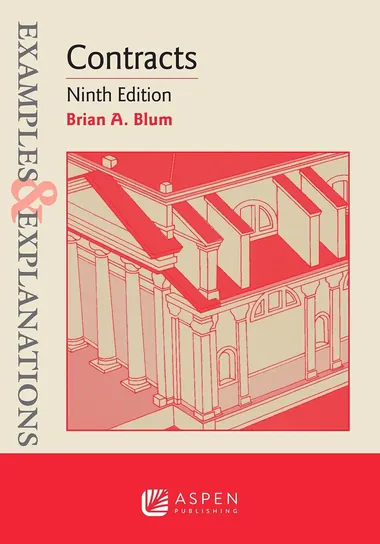
 Examples & Explanations: Contracts
$64
-
2
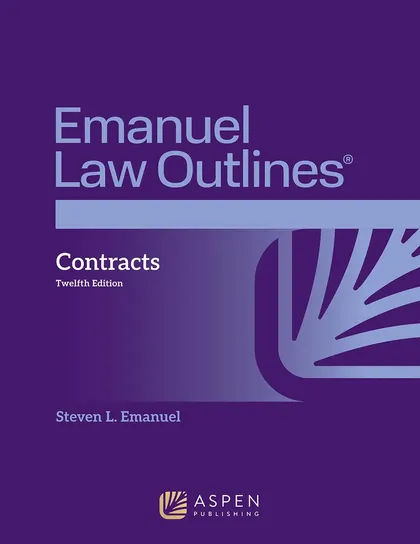
 Emanuel Law Outlines: Contracts
$41
-
3
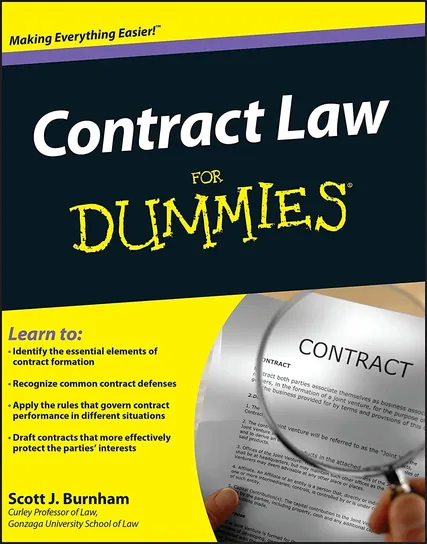
 Contract Law For Dummies
$15
-
4
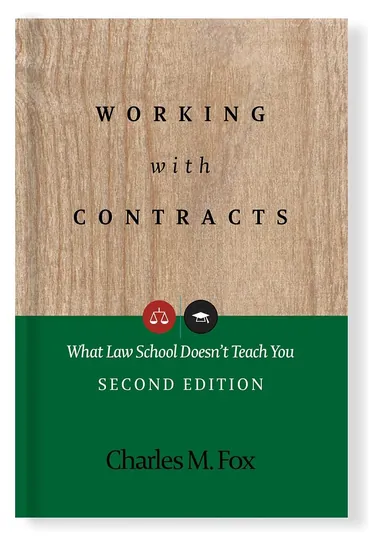
 Working With Contracts
$31
-
5
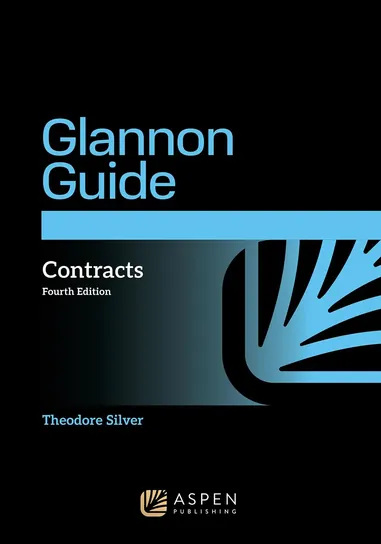
 Glannon Guide to Contracts
$70
-
6
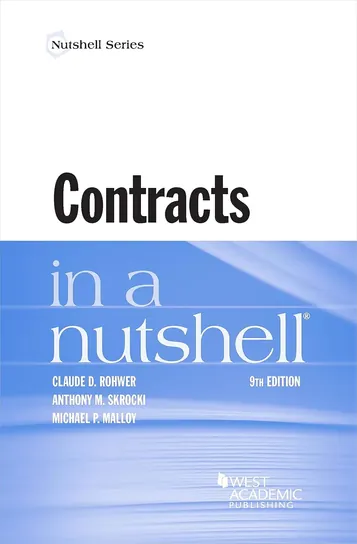
 Contracts in a Nutshell
$65
-
7
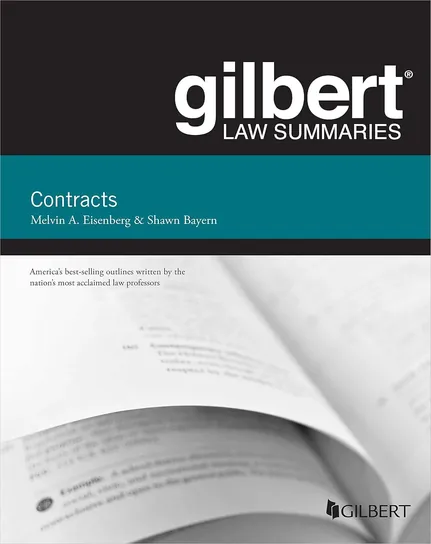
 Gilbert Law Summaries: Contracts
$65
-
8
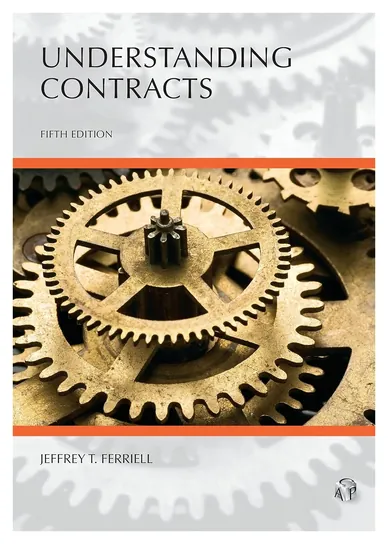
 Understanding Contracts
$53
-
9
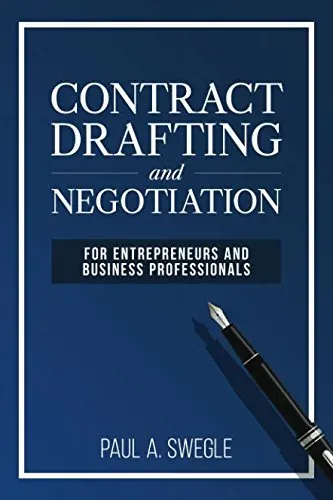
 Contract Drafting and Negotiation
$29
-
10
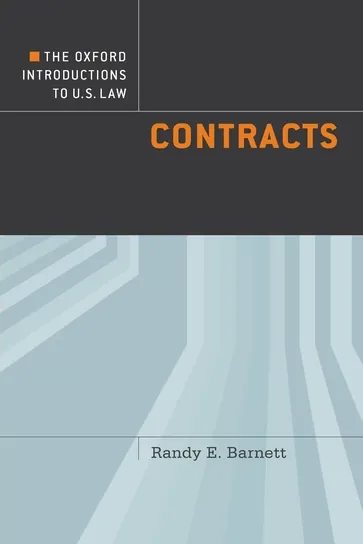
 Oxford Introductions: Contracts
$29
Editor's Notes
October 26, 2026, by Ezvid Wiki Admin:
Most readers here are law students, so Examples & Explanations: Contracts now leads in its 2025 ninth edition: explaining a rule and then making you work problems with model answers is what helps most before an exam. We added Emanuel Law Outlines: Contracts, Glannon Guide to Contracts, Contracts in a Nutshell and Understanding Contracts, all in current editions that law school library study guides list for first-year students. Contract Law For Dummies stays for readers outside law school, and Working With Contracts and Contract Drafting and Negotiation cover real-world deals.
Concepts and Case Analysis in the Law of Contracts, Basic Contract Law For Paralegals, Principles of Contract Law and The Law of Contracts and the Uniform Commercial Code are gone, because of old editions, very high prices or a narrow course focus. Study aids don't get lab tests, so we went by the 1L guides at Brooklyn Law School, the University of Georgia and Penn State Dickinson Law, plus publishers' edition details. One trap: a pocket book with a near-identical Nutshell title covers English law, not American.
December 11, 2020:
During our latest update, we wanted to maintain the balance our list had between options good for beginning students, laypeople, professionals, and entrepreneurs, as well as advanced students. While many concepts in US contract law remain the same year after year, the law is not static, and so we wanted to bring on a few texts revised or written in the last two years or so. We felt we could say goodbye to Contract Law for Legal Professionals to make room for the more recent Principles of Contract Law. This one covers all the foundational aspects you need to know and uses an informal style to get the point across without needless filler or jargon. It's been revised thoroughly for obtuse language to ensure things are crystal clear and has plenty of examples and illustrations.
We also decided to remove Contracts: The Essential Business Desk Reference. Although it can still be helpful, much of what is included in it can be found online or in other texts, and we felt the spot would be better served with something that actively teaches the reader important concepts. That void was filled by Contract Drafting and Negotiation, an option aimed toward entrepreneurs. It was written by an attorney who has served as in-house general counsel to twelve different companies across industries, with a career negotiating and documenting commercial contracts. It's a pretty breezy read and covers all the basics with the businessperson in mind, going over risks and hazards and attempting to protect key interests of both parties without blockading deals. Business professionals looking to get briefed on the ins and outs of the legal system may also want to pick up one of these business law textbooks.
Among the other changes we made was bringing Gilbert Law Summaries on Contracts to its most recent 15th edition. This one is a great supplement to coursework but isn't meant to be a standalone textbook, so be sure to grab something more robust as well. If you're new to all this, The Law of Contracts and the Uniform Commercial Code is geared toward the learner who has very little knowledge in the subject, making it great for beginners but tedious if you already have some background.
March 20, 2019:
Contract law is a confusing area for not just students and laymen, but also many practicing attorneys as well. Reading one of these texts, or at least keeping them on hand for reference can be very helpful. If you are currently in school, say your first or second year, Concepts and Case Analysis in the Law of Contracts, The Oxford Introductions to U.S. Law: Contracts and Gilbert Law Summaries on Contracts are great options as they will relate to much of what you are currently learning in your coursework. Working With Contracts, Examples & Explanations for Contracts, and The Law of Contracts and the Uniform Commercial Code are ideal for those nearing graduation, or ex-students who have just graduated, since they do a very good job of preparing you for actual practice. For the laymen out there, whether they be business professionals who often sign documents and want a better understanding of the many confusing terms or somebody who is planning to enter a formal law education soon, we have included Contract Law For Dummies and Contracts: The Essential Business Desk Reference, as these are easy to digest and written in simple English without getting overly technical. Paralegals will be best served by Contract Law for Legal Professionals and Basic Contract Law For Paralegals.
Special Honors
Coursera: American Contract Law I Yale Law School professor Ian Ayres teaches this online course, which walks through most of the topics in a first-year contracts class, case by case, along with the sales-of-goods rules in the Uniform Commercial Code. You can watch the lectures free, and a paid certificate track adds graded assignments. It's a good preview before law school or a refresher for business readers. coursera.org
CALI The Center for Computer-Assisted Legal Instruction is a nonprofit run by member law schools. Its online lessons cover first-year subjects including contracts, with interactive questions that explain each answer, and it also publishes free casebooks. Students at member schools register with an authorization code from their school's library. cali.org
Casebooks, Outlines And Practice Books
Casebooks are assigned, often cost well over a hundred dollars, and teach by making you dig the rule out of the cases.
A first-year contracts class usually runs on a casebook, a collection of court opinions with notes and problems. Casebooks are assigned, often cost well over a hundred dollars, and teach by making you dig the rule out of the cases. Study aids sit beside them, and each type does a different job. The University of Georgia law library's guide to study aids sorts them well: a Nutshell is a short, plain-language overview for orientation; outlines such as Emanuel and Gilbert check that you've grasped the basic rules; the Understanding series sits between an outline and a treatise; and Examples & Explanations chapters end with problems and model answers for exam practice.
Match the type to the moment. A Nutshell or an Understanding chapter helps before you read a hard case. Problems, from Examples & Explanations or the multiple-choice Glannon Guides, matter most in the last month of the term. An outline is for review, not for learning a topic from scratch. Penn State Dickinson Law's study aids guide makes the key point plainly: study aids supplement your course work and never replace it, and your professor's advice on which to use comes first.
Get The Current Edition And The Right Country's Law
Contract doctrine moves slowly, but casebooks and study aids are revised every few years with new cases and new problems. For exam prep, buy the edition your library lists as current. Brooklyn Law School's 1L contracts guide lists the ninth edition of Examples & Explanations (2025), the twelfth of Emanuel (2023), the fourth Glannon Guide (2024), the fifth Understanding Contracts (2023) and the ninth Contracts in a Nutshell (2022). Older editions sell cheaply and are fine for general reading, but a used copy two editions back can miss cases your professor assigns.
Check the country, too. American contract law is mostly judge-made common law, plus Article 2 of the Uniform Commercial Code for sales of goods, which most U.S. courses teach side by side (Cornell's Legal Information Institute posts the full text of UCC Article 2). Books written for English, Australian or Canadian law use different cases and sometimes different rules. A Sweet & Maxwell pocket book titled Nutshells Contract Law, for example, covers English law, not the West Academic Nutshell American students use.
Books For Business Readers And Drafters
If you sign contracts rather than study them, skip the outlines. You need to know how agreements form, which promises are enforceable and what remedies follow a breach, and Wiley's Contract Law For Dummies cheat sheet gives a free taste of that ground. For reading and drafting real documents, Charles Fox's Working With Contracts, a Practising Law Institute title, explains representations, covenants, conditions and boilerplate clause by clause; contract drafting writer Ken Adams reviewed its second edition when it came out. Paul Swegle, who has taught at Seattle University School of Law, aimed his drafting and negotiation guide at founders and managers.
No book replaces advice on a specific deal. These titles help you spot problems and ask better questions, and for a dispute or a contract worth real money, have a lawyer licensed in your state read it before you sign.
How we researched this
We compared 22 contract law books, including casebooks, treatises, outlines, practice books and plain-English guides, and confirmed each finalist's current edition, page count and publisher with publishers and law library catalogs. We read the first-year contracts and study aid guides from the Brooklyn Law School, University of Georgia and Penn State Dickinson Law libraries, looked at long-term reader feedback, and screened out books written for English or Australian law.
Sources (12)
- Brooklyn Law School: 1L Contracts study aids guide
- University of Georgia Law Library: types of study aids
- Penn State Dickinson Law: study aids guide
- Aspen Publishing: Examples & Explanations for Contracts, Ninth Edition
- Aspen Publishing: Glannon Guide to Contracts, Fourth Edition
- Adams on Contract Drafting: review of Working With Contracts, second edition
- Seattle University School of Law: Paul Swegle
- Cornell Legal Information Institute: UCC Article 2
- Dummies: contract law
- Yale: American Contract Law I
- CALI
- National Jurist: best law school study aids
Frequently asked questions
What is the best book for learning contract law?
For law students, Examples & Explanations: Contracts, because it pairs each rule with problems and model answers. For non-lawyers, Contract Law For Dummies is the easiest start.
Is Contract Law For Dummies good enough for law school?
It's a good warm-up before classes start, but it was published in 2011 and isn't built for exams. Once the course begins, switch to an outline or a problem book.
Can a study aid replace the assigned casebook?
No. Law library guides stress that study aids supplement your course work. Professors test on the cases and problems they assign, so read those first and follow your professor's advice on aids.
Is an older edition OK?
For general reading, yes. For exams, use the current edition, because new editions update cases, examples and problems.
What is UCC Article 2?
It's the part of the Uniform Commercial Code that governs sales of goods. Most U.S. contracts courses teach it alongside the common law rules that cover services and other deals.
Can I learn contract law for free?
Yale's American Contract Law I course on Coursera has free lectures, and CALI offers interactive lessons to students at member law schools.