The 8 Best Caller Id Displays
Updated by · How we research

Landline caller ID boxes and big-screen phones compared on line type, readability and scam blocking. The CPR V5000 is our pick for a copper phone line. When users buy our independently chosen editorial picks, we may earn commissions to help fund the Wiki.
Caller ID arrives as a short burst of data between the first and second ring, and a display shows it only if your line has Caller ID service. Many cable and fiber home phones now run over the internet, where a lot of these boxes don't work. That matters most to households fielding scam calls on a home phone, especially older relatives.


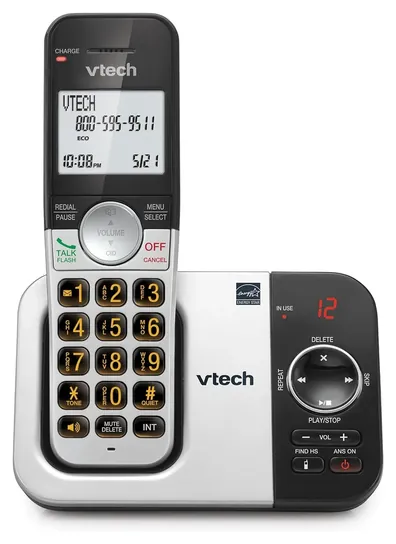
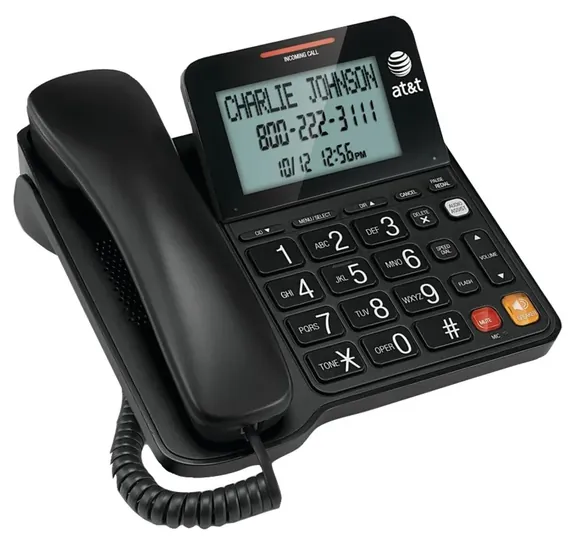
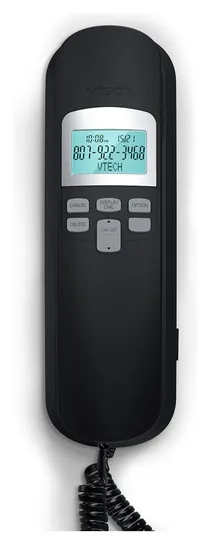
Editor's Notes
November 1, 2026, by Ezvid Wiki Editors:
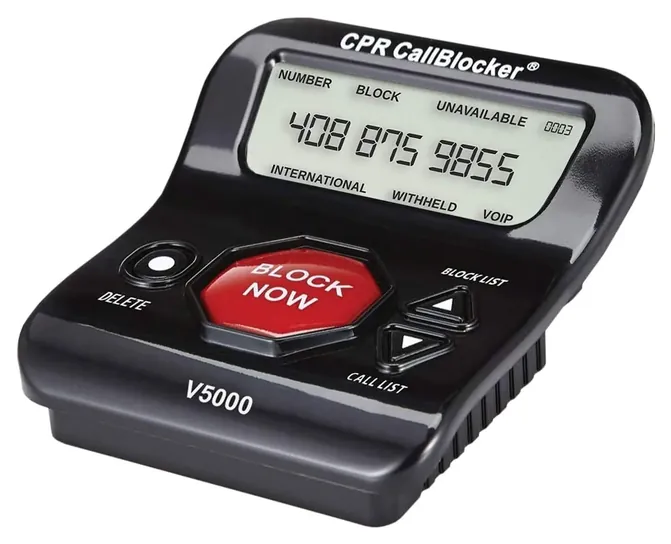
The plain caller ID box is close to extinct. The few still for sale are leftover stock at collector prices, so this list covers what replaced them: call blockers with a screen, and phones with displays big enough to read without glasses. The CPR V5000 leads because it shows the caller, blocks known scam numbers on its own and stops a new one with a single press, with no power cord.
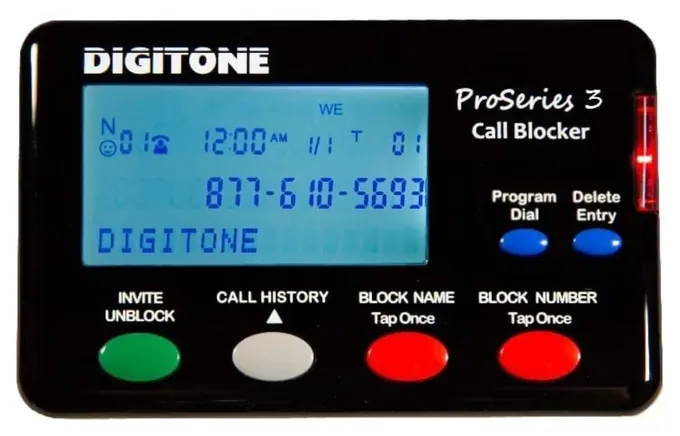
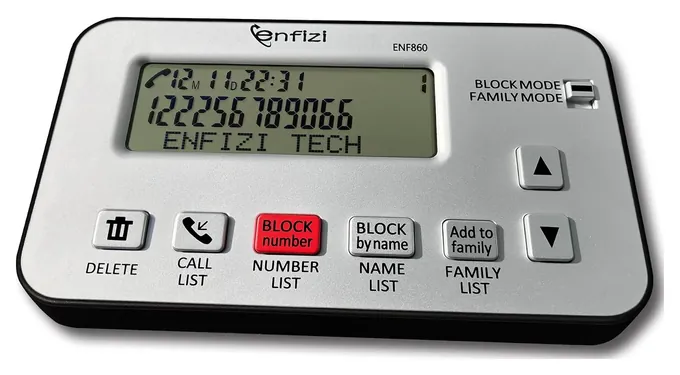
The facts that mattered most were the makers' line-compatibility notes. CPR and Enfizi say their boxes need an old-style copper line, while Digitone says the Digitone ProSeries 3 works on cable and internet phone service too. The only side-by-side trial we found was one TV station's viewer trying two blockers at home, so we leaned on those notes and on long-running owner patterns.
We left out a talking caller ID box that owners found hard to hear and read, a few generic blockers with tiny screens, and the CPR V100K, which repeats the V5000's design with a bigger list but thinner praise.
Special Honors
Nomorobo Landline Protection Nomorobo's landline service screens known robocallers before the phone rings on supported VoIP and digital home lines, the kind where many plug-in blockers don't work. It runs on the provider's side, so there's no box to install. Check its site to see whether your provider is supported. nomorobo.com
Check Your Phone Line Before You Buy
And the device has to understand the kind of line you have.
Caller ID data is a short signal the phone company sends between the first and second ring, and a display or blocker decodes it (HowStuffWorks). Two things have to be true for any of these to work. Your line needs Caller ID service, which some carriers include and others charge for. And the device has to understand the kind of line you have.
That second point trips up most buyers. CPR says the V5000 works only on traditional analog service, naming carriers such as AT&T, Verizon, Frontier and CenturyLink, and not on internet-based service such as Vonage, Ooma or Xfinity Voice (CPR Call Blocker). Enfizi says the same about the Enf860. Digitone claims its ProSeries 3 works on cable, DSL, fiber and VoIP lines.
A quick way to tell: if your phone cord runs to a modem or a box from your cable or internet company, your line is almost certainly VoIP. Ask the provider whether it passes Caller ID name and number to the phone port before buying a separate box. A phone with its own caller ID screen, plugged into that port, usually shows the caller either way.
What A Call Blocker Can And Can't Stop
No box stops every unwanted call, and the makers say so. Scammers rotate and fake numbers, and a faked number can look like a neighbor's or a local business. The FCC explains that caller ID spoofing with intent to defraud is illegal, and it has pushed carriers to authenticate caller ID, but a number on the screen still isn't proof of who's calling (FCC).
Real-world results match that. When ABC15 had a viewer who got 10 to 15 junk calls a day try a CPR V5000 and a Digitone ProSeries for about five days, many suspected telemarketing calls still rang through on both, and most had to be blocked by hand. He found the two similar and preferred the CPR's big block button (ABC15).
The strongest setting is an allow-list, called family or invite mode on these boxes: only numbers you approve can ring. It suits a parent who answers every call, but a pharmacy, a doctor's office or a delivery driver will be turned away until you add them. Report scam calls at ReportFraud.ftc.gov, and put your number on the National Do Not Call Registry, knowing that scammers ignore it.
Screens, Power And Blackouts
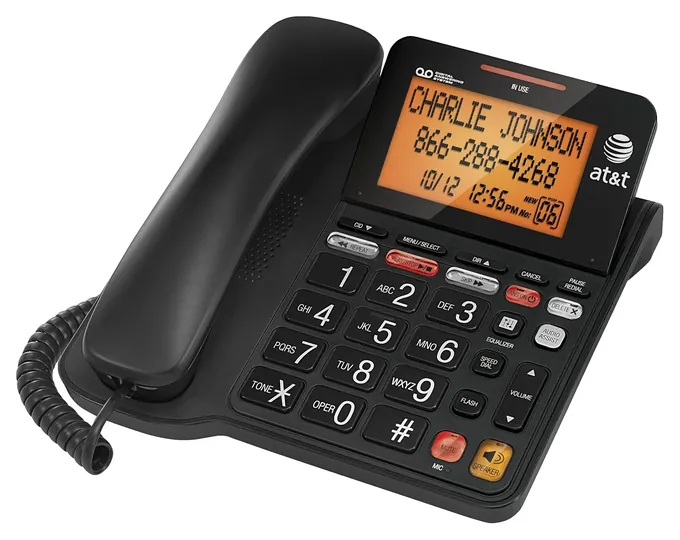
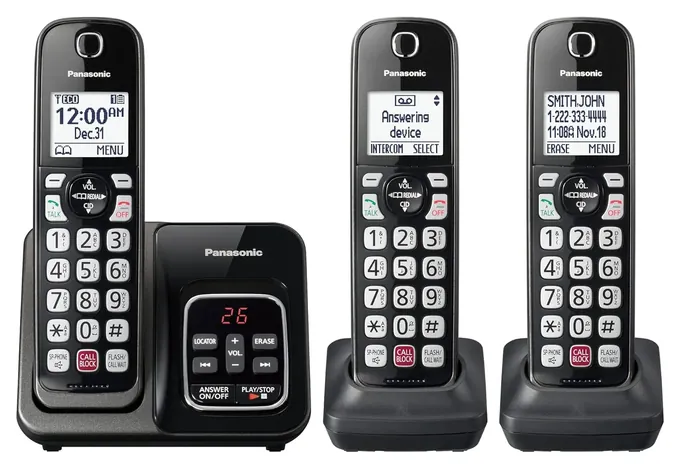
Readability is the reason most people buy a caller ID display, and it varies more than the specs show. Look for a backlit screen, large digits and a stand that tilts the display toward you. Owners of several big-screen phones still find them dim from a low angle, so place the phone where you'll look at it straight on. For low vision, a phone that speaks the caller's name, such as some Panasonic cordless sets, can matter more than screen size.
Power decides what works in an outage. Boxes that run on phone-line power, like the CPR and Enfizi models, need no outlet. Corded phones such as the AT&T CL4940 can make plain calls without power, but their caller ID needs batteries or the adapter. Cordless phones go dead when the power does, because the base needs an outlet. If your line is VoIP, the modem needs power too, so keep a charged cell phone for emergencies. A corded phone on a copper line remains the most dependable choice in a blackout.
Use the maker's replacement batteries in cordless handsets. Some third-party replacement packs have been recalled for fire risk in the past (CPSC).
How we researched this
We compared 20 caller ID boxes, call blockers and phones with caller ID screens, and screened eight in depth. We read the makers' compatibility notes and published specs, a TV station's home trial of two call blockers, the FCC's guidance on caller ID spoofing and patterns in owner feedback, and we checked every brand for recalls with the U.S. Consumer Product Safety Commission. Talking caller ID boxes and generic blockers with small screens were screened out.
Frequently asked questions
Will a caller ID box work with cable or internet phone service?
Often not. CPR and Enfizi say their blockers need a traditional analog line. Digitone says its ProSeries 3 works with VoIP, cable and fiber lines. A phone with a built-in caller ID screen, plugged into your modem's phone port, usually shows callers on any line type.
Do I need to pay for Caller ID service?
Every device here needs Caller ID from your phone company. Without it, the screen stays blank and a blocker can't tell one call from another. Some carriers include it, and others add a monthly charge.
Can a call blocker stop every scam call?
No. Scammers change and fake numbers all the time. A blocker stops known numbers and lets you block new ones with a button. An allow-list mode, where only approved numbers ring, is the closest thing to stopping everything.
Does caller ID work during a power outage?
Line-powered blockers keep working on a copper line. Corded phones can make calls without power, but most need batteries or the adapter for caller ID. Cordless phones and VoIP modems stop working until the power comes back.
Can I get caller ID on my TV or a smartphone app instead?
Apps such as Truecaller work on cell phones, not on a home landline. Some cable and fiber providers show home-phone caller ID on the TV or in their own app, so ask yours. For a VoIP home line, a provider-side service such as Nomorobo can screen robocalls.