The 10 Best Binding Machines
Updated by · How we research

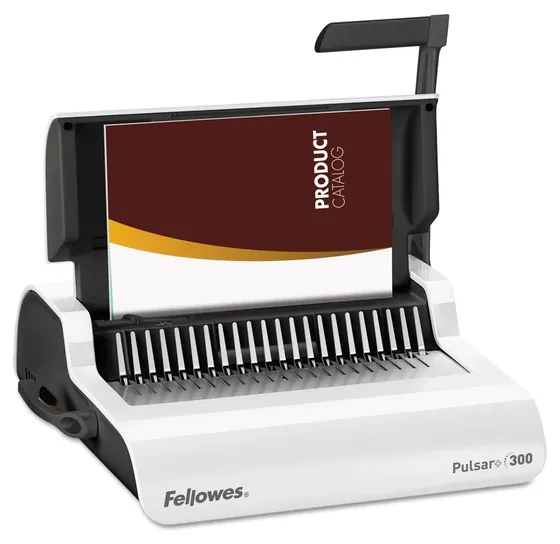
Comb, coil, wire and thermal binders compared on punch capacity, spine thickness and supply costs. The Fellowes Pulsar+ 300 is the best fit for most offices. When users buy our independently chosen editorial choices, we may earn commissions to help fund the Wiki.
Every desktop binder lists two capacities, and the smaller one matters more: how many sheets it punches per pull. A 12-sheet punch can still finish a 400-page book, one small batch at a time. Comb, coil and wire machines punch holes, while thermal machines glue pages into a ready-made cover. These picks suit home offices, classrooms and crafters.


Editor's Notes
November 1, 2026, by Ezvid Wiki Editors:
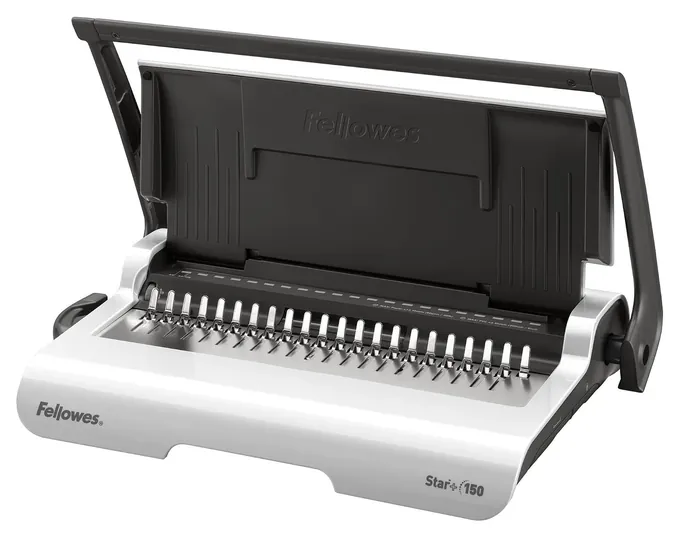
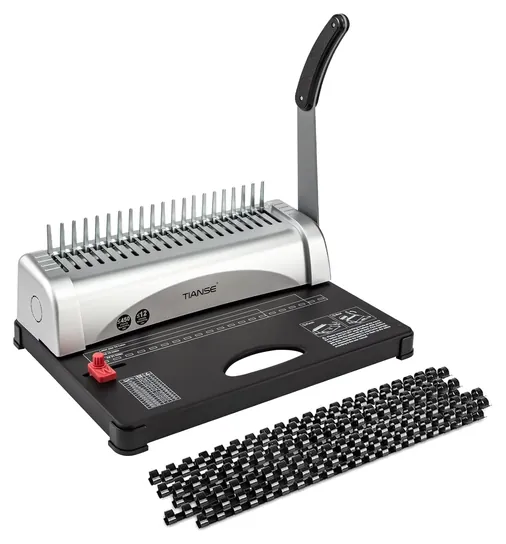
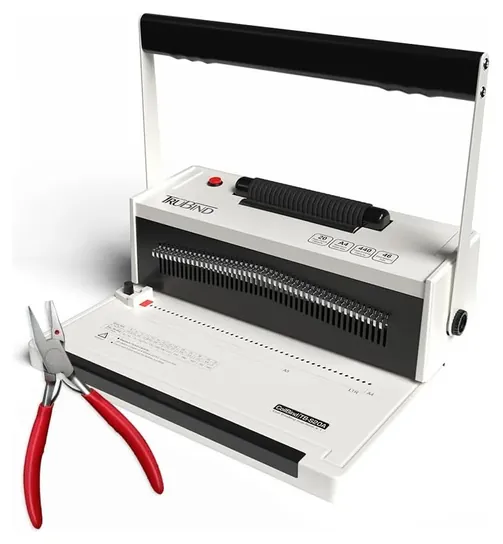
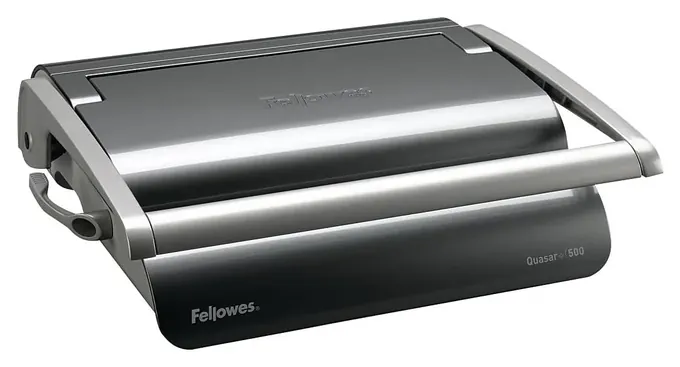
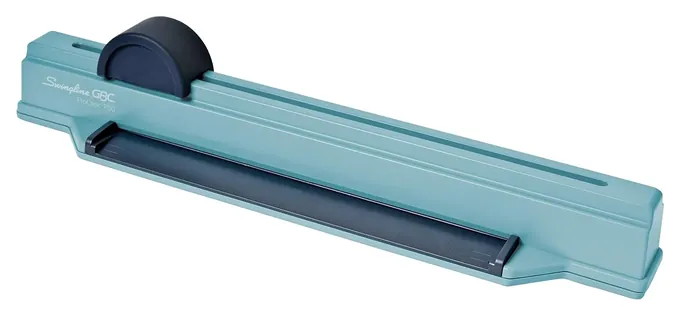
Most readers should start with the Fellowes Pulsar+ 300. It sits between the small home machines and the heavy office ones, with a punch strong enough for weekly jobs and a comb wide enough for a long report. The Fellowes Star+ 150, the TIANSE BM-1245, the Fellowes Helios 60, the TruBind TB-S20A and the Fellowes Quasar+ 500 stay. The Swingline Desktop entry now points to the GBC ProClick P50, the punch sold under that listing today.
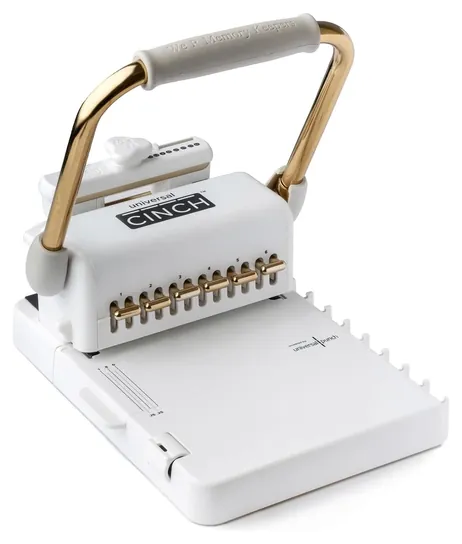
We dropped the two Akiles machines because their prices climbed into print-shop territory with very little stock or owner feedback behind them, and Akiles moved to the special honors. The Yaegoo Thermal went out of stock for good, and the original Cinch gave way to the We R Universal Cinch, which takes both coil and wire.
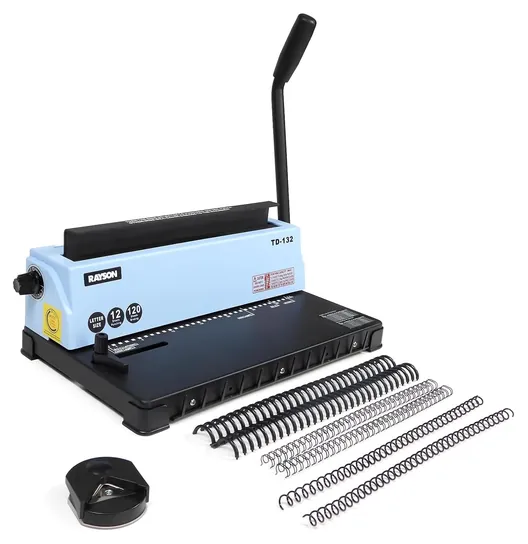
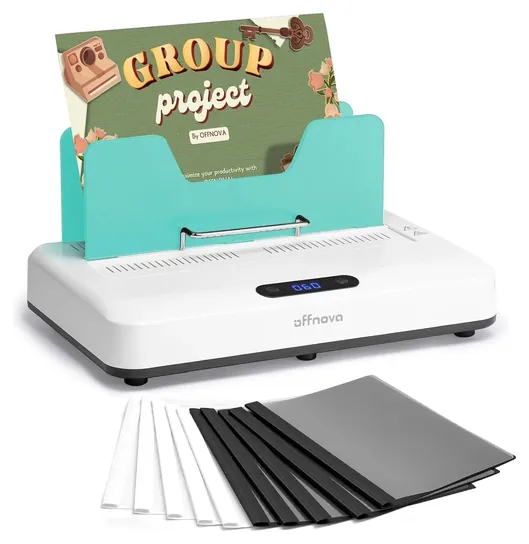
New are the Rayson TD-132 for wire binding on a budget and the OFFNOVA TB-60, a cheap thermal binder with little track record, which we say plainly in its entry.
Our evidence was the punch and binding capacities each maker publishes, sorted apart because sellers often blur them, plus owner reports of jammed punches and worn dies, which ruled out several cheap comb machines. Many readers arrive looking for a book binding machine, so the guide explains what a desktop binder can and can't do with a manuscript.
Earlier notes
November 10, 2020, by Edmund Dawson:
Binding machines can utilize a number of different spines: combs, coils, wires, or thermal covers. We compiled this list so that the whole spectrum was covered, with at least two of every type being offered. We kept the Fellowes Star Plus and the Fellowes Quasar+ as solid comb-binding options, but also added the popular Tianse 21-Hole in place of the Pfeiffer Plastic, which has become temporarily unavailable.
We felt no need to change the coil options such as the TruBind TB-S20A, and the more expensive, electronically-powered, Akiles Coilmac-ER 41, although with the latter, you may want to consider spending that kind of money on something that produces better looking documents than flimsy coil-bound ones.
Wire-bound presentations tend to look more professional, but you don't have the luxury of being able to unthread your spine on and off should you need to change a page or two post-binding. We kept the somewhat pricey Akiles WireMac-31, and the remarkably useful (and moderately priced) We R Memory Keepers Cinch, both of which adopt the mechanism of pressing wire rings together.
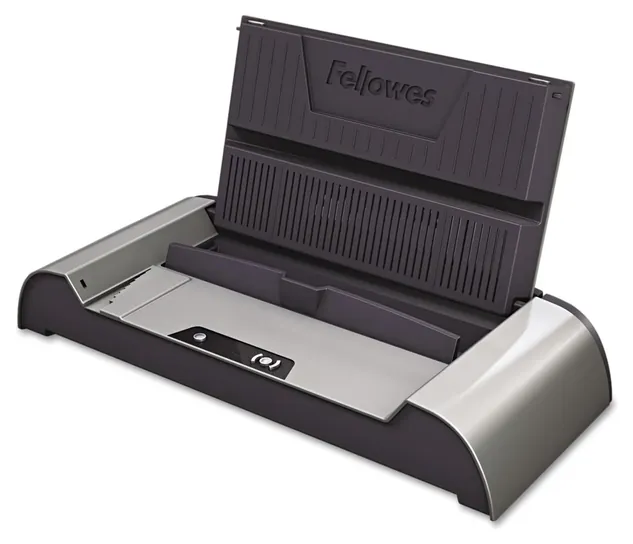
For thermal binding, we kept the Fellowes Helios 60, and added the slightly more budget-friendly Yaegoo Thermal in place of the Akiles Rubicoil. Thermal options greatly reduce the hassle of binding, but it can get a little expensive when you start buying the special adhesive covers instead of simple plastic spines.
Finally, we removed the Swingline GBC in favour of the Swingline Desktop. Both these models use the special ProClick spines made by the same manufacturer, which are more expensive than regular combs and coils, but the latter is a much cheaper, unobtrusive, and lightweight way to experiment with this type of binding.
June 25, 2019, by Melissa Harr:
At this time, there are more than an adequate number of binding machines out there, so we decided to replace the SylArtDesign SAD-B30e due to availability issues. When it comes to top models, though, we still like the We R Memory Keepers Cinch, the Fellowes Star Plus, and the Akiles Coilmac-ER 41. There is one issue with the We R Memory Keepers model, however. You have to be cautious before you punch your papers, as it sometimes feels like they're inserted all the way, when they're actually not. As you can imagine, this will easily cause misalignments, but you can prevent this issue by working slowly and methodically. Fortunately, the latter two don't suffer from such an issue, although they each have one tiny drawback. In the case of the Star Plus, it's the instruction manual, which could be clearer; as to the Coilmac-ER 41, well, its price will place it out of the reach of casual users and some teachers. We have also decided to keep the Fellowes Helios 60, a thermal model, even though it doesn't seem to be the best for large booklets. For the best results, you'll probably need to play around with it some, as its operation can take some getting used to. But if you don't want to fool with combs and wires (and recognize its limitations), it's a fine alternative.
Special Honors
Akiles Akiles builds heavier punch-and-bind machines for print shops and busy offices, including WireMac wire binders, CoilMac coil binders with electric inserters, and DuoMac machines that do both. They cost several times more than home machines, so they make sense when binding is a daily job. akiles.com
Smith Printing Hardcover Binding Smith Printing binds letter-size pages into hardcover books, can stamp a title or logo on the cover, and quotes custom sizes on request. It's an option for a thesis, family history or manuscript that needs a true case binding, which no desktop machine can make. smithprinting.net
Comb, Coil, Wire Or Glue
Most desktop binders punch a row of holes and then close a spine through them.
Most desktop binders punch a row of holes and then close a spine through them. The spine you pick sets the look and how the finished book behaves.
Comb binding uses a plastic spine with 19 rings for letter paper or 21 for A4. It's the cheapest kind to run, and you can pry the rings open later to add a page. The book lies flat, but it can't fold back on itself.
Coil binding, also called spiral binding, threads a plastic coil through round holes. The book opens flat and folds all the way around, which suits notebooks, manuals and anything mailed. Turning the coil in by hand gets tiring, so busy offices buy a machine with an electric inserter.
Wire binding slides pages onto a C-shaped twin-loop wire, then squeezes it round with a closer. It looks the most polished and also folds back fully. Holes come in set spacings: 3:1 (three holes per inch) for thinner books and 2:1 for thicker ones, and the wire must match the punch.
Thermal binding needs no holes at all. A cover with a glue strip in its spine goes into a heated slot, the glue melts around the page edges, and the book sets in a minute or two. A guide to document binding types recommends it for reports and small print runs. The bind is permanent, and each document uses up a cover.
Punch Capacity Versus Binding Capacity
Sellers print two numbers, and they're easy to mix up. Punch capacity is how many sheets the machine cuts through in one pull, usually rated for ordinary 20-pound copy paper. Binding capacity is the thickest spine it can close. A machine with a 12-sheet punch and a 450-sheet binding capacity will bind a 450-page book, but you'll pull the handle around 40 times to get there.
So the punch number decides how tiring the job is. For a few reports a month, 12 to 15 sheets is fine. For weekly batches, look for 20 or more. Never force a thicker stack than the rating: it's the top cause of jammed and bent punch pins, and card stock or plastic covers count as several sheets each. Some cheap machines ship with oil on the punch, so run a few scrap sheets through before your first real job.
Spines are sized by thickness. On comb machines, the Fellowes trays include a gauge that tells you which comb fits your stack; Wikipedia's comb binding entry puts the standard range at about 16 sheets for the thinnest comb up to roughly 425 for a two-inch one. Wire and coil come in their own size runs, and the spine pitch has to match the holes your machine punches.
Can A Desktop Machine Bind A Real Book?
Not in the bookstore sense. Bookbinding for printed books means sewn or glued signatures inside a hard case, done by hand with craft tools or on large shop machines. A desktop thermal binder comes closest to a paperback, since perfect binding also glues the page edges into a wraparound cover, but the thermal cover is a ready-made folder, not printed artwork.
For planners, journals and short-run zines, a coil or wire punch gives a clean, lasting result. For a thesis, family history or novel draft that needs a hard cover, a binding service is the practical route.
Two safety points. Punch levers and dies pinch, so keep fingers clear and never punch staples or paper clips. Thermal plates get hot enough to burn, so let the machine cool before moving it. We checked each brand here against the Consumer Product Safety Commission recall list and found no binding-machine recalls.
How we researched this
We compared 21 binding machines across comb, coil, wire and thermal types, read the makers' punch, binding and warranty figures for the finalists, analyzed owner feedback for jams, weak punches and worn parts, and checked each brand against U.S. Consumer Product Safety Commission recall records. We found no independent lab tests that name these models.
Frequently asked questions
What is the best binding machine for home use?
For occasional reports, school projects and recipe books, a small comb binder like the Fellowes Star+ 150 is enough. It punches 15 sheets at a time and binds books of about 150 pages.
Is thermal binding better than comb binding?
It's different. Thermal binding needs no punching and looks neater, but the bind is permanent and every document needs a glue cover. Comb binding is cheaper per book and lets you add pages later.
What size comb do I need?
Match the comb to the stack's thickness. Most comb machines include a gauge, and comb sizes run from about 16 sheets for the thinnest to roughly 425 sheets for a two-inch comb.
Can I bind a book at home?
You can bind notebooks, planners and manuscripts with a coil, wire or thermal machine. A sewn or hardcover book needs hand bookbinding tools or a binding service.
What's the difference between coil and wire binding?
Coil is a plastic spiral that bends without denting and comes in many colors. Wire is a metal twin loop squeezed shut with a closer; it looks sharper but can be crushed. Both let a book fold all the way back.