
The 10 Best Amplified Bibles
Updated by · How we research

Ten Amplified Bibles compared by study helps, type size, parallel versions and binding. The Zondervan Amplified Study Bible leads for its notes, maps and index. When users buy our independently chosen editorial choices, we may earn commissions to help fund the Wiki.
The Amplified Bible is not a paraphrase. The Lockman Foundation keeps a word-for-word base text and adds bracketed shades of meaning from the Hebrew and Greek, which is why its pages look busy. Nearly every print edition sold new today carries the 2015 update. These editions suit readers who want a second Bible for word study, devotions or teaching.
At a Glance
-
1
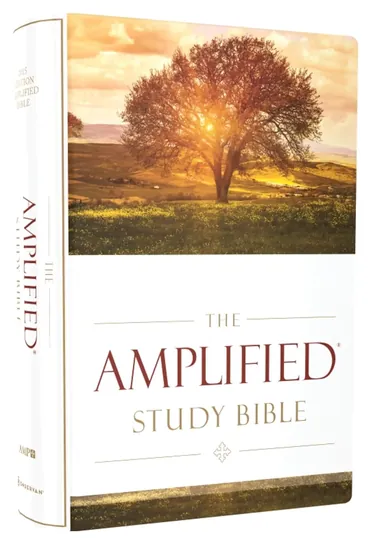
 Zondervan Amplified Study Bible
$27
-
2
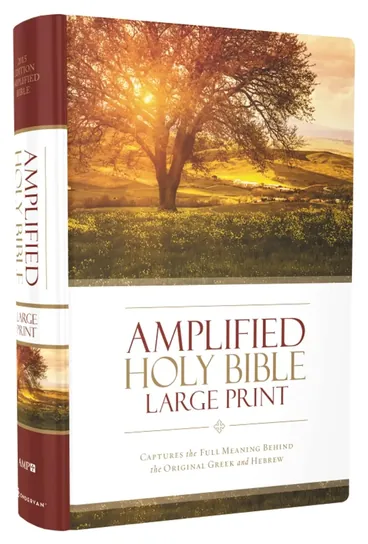
 Amplified Holy Bible Large Print
$32
-
3
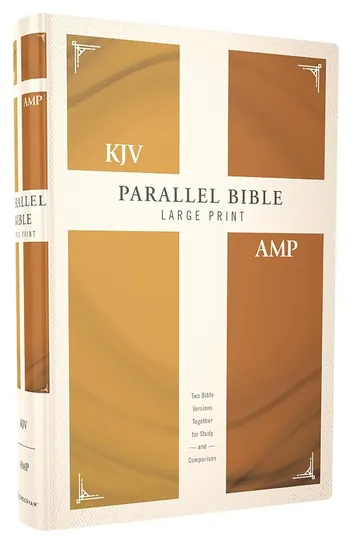
 KJV Amplified Parallel Bible
$22
-
4
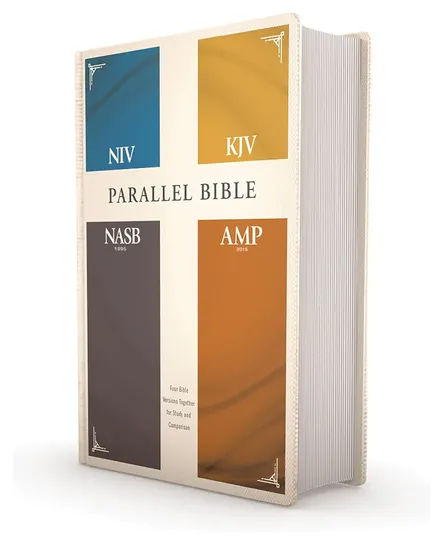
 NIV/KJV/NASB/Amplified Parallel Bible
$30
-
5
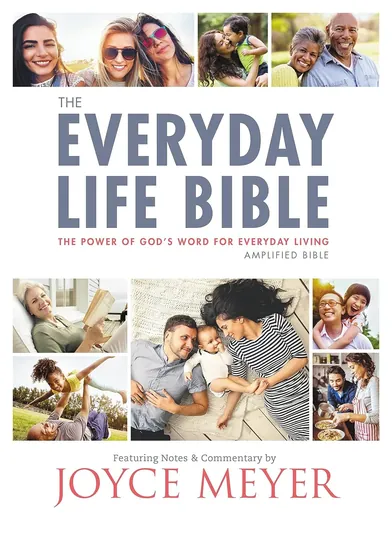
 Everyday Life Bible
$13
-
6
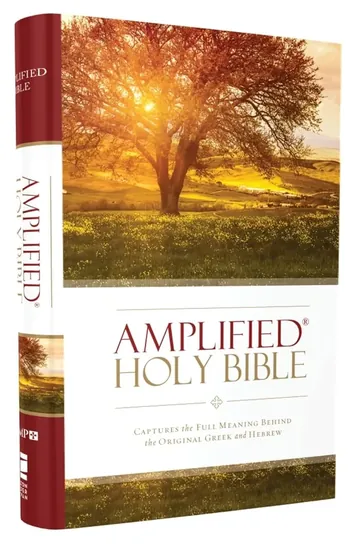
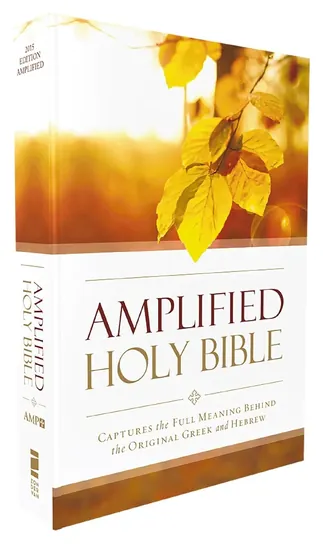
 Amplified Holy Bible Hardcover
$15
-
7
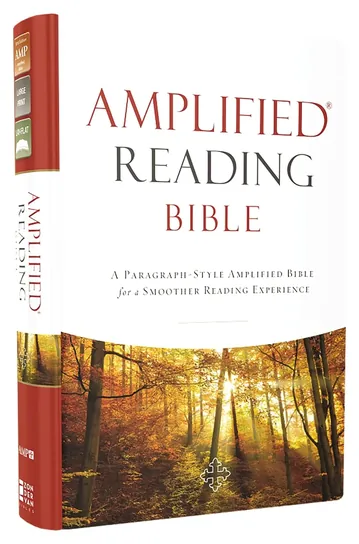
 Amplified Reading Bible
$28
-
8
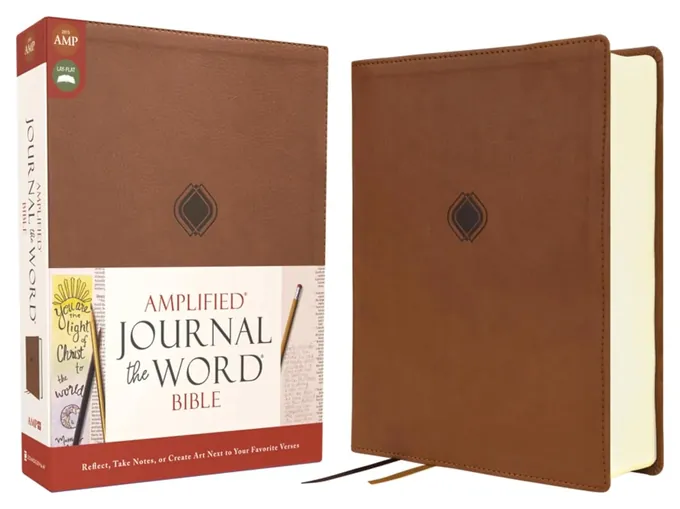
 Amplified Journal the Word Bible
$28
-
9
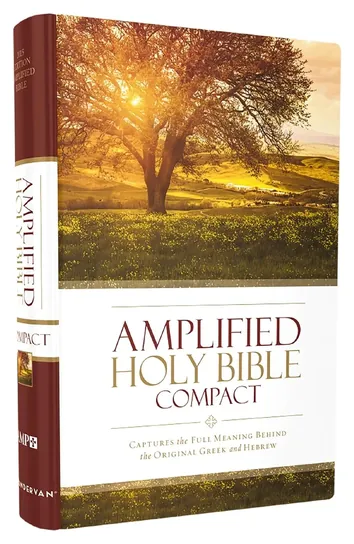
 Amplified Holy Bible Compact
$17
-
10
 Amplified Outreach Bible
$6
Editor's Notes
October 26, 2026, by Ezvid Wiki Editors:
The Zondervan Amplified Study Bible now leads this list. It is the only edition that pairs the Amplified text with real study notes, maps and a topical index, and "best amplified study bible" is what most readers search for when they land here. If you want notes built on another translation, see our study Bibles list; for pictures, try illustrated Bibles.
We added the NIV/KJV/NASB/Amplified Parallel Bible, which replaces the out-of-stock Classic Comparative, along with the Amplified Journal the Word Bible for note-takers and the Amplified Outreach Bible for churches buying in bulk. The KJV Amplified Parallel Bible, the Amplified Holy Bible Compact and the Everyday Life Bible point to their current printings. The Cross-Reference and Topical Reference editions are out of print or carry an older text, the Hendrickson parallel is a 2008 edition that's hard to find, and the Battlefield of the Mind Bible overlaps the Everyday Life Bible, which has the same author's commentary.
The ranking leans on the Lockman Foundation's own key to its brackets and italics, the publishers' edition charts for type size and page counts, and scholars' cautions about how much weight the amplifications can bear. Use any of these as a second Bible beside a standard translation.
Earlier notes
June 9, 2020, by Gia Vescovi-Chiordi:
Amplified Bibles represent a kind of middle ground between original translations and study bibles. They offer help with the nuance and subtle shades of meaning that get lost when you don't understand the language used without being saturated with extra notes and pedagogy. We curated this list to appeal to people of all stripes, whether you're in need of a comparative selection that places several translations side by side, like the Classic Comparative Amplified Bible, or want to go further than Greek and Hebrew to find a text that includes Aramaic words and phrases too, like the Amplified Bible Topical Reference does.
Some readers are wary of this type of Bible, as they have garnered a reputation for being clunky, random, and confusing over the years. Thankfully, publishers like Zondervan and others have tried to rectify this and streamlined the reading experience so that the amplifications help, instead of hinder, the text and your overall understanding. That being said, an amplified bible shouldn't be the only source you turn to. Think of it as a method for gaining more of a particular perspective in addition to what you've learned via discussions with friends and family and self-study.
Today we said goodbye to the Thinline Lay Flat, which is a fine choice but has nothing much to set it apart from its peers except for its compact size, which the Amplified Bible Compact Hardcover also boasts. Instead, we felt the Paragraph-Style Amplified Bible would be a welcome new addition. It does away with the usual dual-column layout and is formatted with paragraphs that flow well, so you can enjoy an unfettered reading experience. This helps facilitate better comprehension in the long run and can help offset reading fatigue during long study sessions.
Special Honors
BibleProject BibleProject is a nonprofit animation studio that produces short-form, fully animated Bible videos and other resources to make the biblical story accessible to everyone, everywhere. They create free videos, podcasts, articles, illustrations, posters, and more to help you on your learning journey. bibleproject.com
The Lockman Foundation The nonprofit that owns the Amplified text sells its own TwoTone editions, which print the amplified words in soft gray instead of brackets, along with study editions and the rules for quoting the translation in church materials. lockman.org
Bible Gateway Read the current Amplified Bible and the Classic Edition free online, side by side with dozens of other translations, before deciding which print edition to buy. Its search also covers the word lookups a concordance would. biblegateway.com
Know Which Amplified Text You're Getting
The New Testament appeared in 1958, the full Bible in 1965, and an expanded edition followed in 1987.
The Amplified Bible comes from the Lockman Foundation, which owns the text and licenses most print editions to Zondervan. Its history explains the two versions on the market. The New Testament appeared in 1958, the full Bible in 1965, and an expanded edition followed in 1987. That 1987 text is now sold as the Amplified Bible, Classic Edition (AMPC). The current Amplified Bible (AMP) is the 2015 update, which Lockman says reads smoothly with or without the bracketed additions and adds more amplification in the Old Testament (Wikipedia).
Nearly every edition sold new carries the 2015 text, but older printings still circulate, and listings often merge editions. Check the copyright page for a 2015 or later date if you want the modern wording. If a quote from an older sermon or book doesn't match your Bible, it was probably taken from the Classic Edition. You can read both side by side for free at Bible Gateway (AMP, AMPC) before you buy.
How To Read The Brackets, And How Far To Trust Them
The marks carry meaning. In Lockman's key, parentheses give a word's sense in context, brackets add background or clarify a theological term, and italics mark words implied by the original language. Italic connectors such as "and" or "or" introduce an alternate shade of meaning. Lockman's newer TwoTone editions drop most brackets and print the amplified words in soft gray instead (Lockman Foundation).
Scholars respect the idea but warn about the method. Gordon Fee and Mark Strauss credit the Amplified for admitting that one English word rarely captures a Greek or Hebrew one, yet say it has been more popular than it deserves. Linguist James Barr called the underlying mistake illegitimate totality transfer: listing several meanings can suggest all of them apply in every verse, when context usually picks one (Wikipedia). The practical answer is to read the Amplified next to a standard translation such as the NIV, ESV or NASB and treat the brackets as a word study, not as the text itself.
Study Notes, Parallels Or Plain Text
Match the edition to the job. The study edition adds about 5,000 notes, theological articles, book introductions, maps and a topical index (Faith Gateway); it's the closest thing to a concordance in current Amplified editions. Plain text editions have no notes at all, because the amplifications are meant to do that work. Joyce Meyer's commentary edition takes a third path, with practical notes for daily life (Hachette Book Group).
Parallel editions put the Amplified next to the KJV, or next to the NIV, KJV and NASB at once. They're the best way to see what the amplifications add, but they double or quadruple the page count, and the four-version book drops to type under 8-point. Type size matters more than usual with this translation, since brackets and italics make each line busier; the large print edition is 12-point. Hardcovers cost less and protect the pages in a bag. Leathersoft covers add flexibility and ribbons. Thin Bible paper in any edition can show heavy ink, so use fine pens for notes.
How we researched this
We compared 20 current and older Amplified Bible editions from three publishers, read the publishers' pages and edition charts for the 10 picks, used the Lockman Foundation's key to the amplification marks and published scholarly critiques of the translation, and looked at owner feedback on paper, type size and binding. Printed books have no product recall listings to check.
Sources (7)
- Lockman Foundation: What is the Amplified Bible (AMP)?
- Bible Gateway: Amplified Bible (AMP) version information
- Bible Gateway: Amplified Bible, Classic Edition (AMPC)
- Wikipedia: Amplified Bible
- Faith Gateway: Amplified Study Bible
- Lockman Foundation shop: Amplified Study Bible
- Hachette Book Group: The Everyday Life Bible
Frequently asked questions
What is the Amplified Bible?
It's an English translation from the Lockman Foundation that keeps a formal, word-for-word style and adds alternate meanings, definitions and explanations in brackets, parentheses and italics. Lockman says it's not a paraphrase.
Is the Amplified Bible accurate?
Its base text is a serious formal translation. The added words are interpretations, not part of the original, and scholars warn that listing several meanings can suggest more than a verse says. Use it beside a standard translation.
What translation is the Amplified Bible based on?
The original New Testament drew on the American Standard Version of 1901 and Greek texts such as Westcott-Hort and Nestle, and the Old Testament on the Revised Standard Version and Kittel's Hebrew text. The 2015 update revised it throughout.
Which Amplified Bible does Joyce Meyer use?
Her publisher says she chose the Amplified for her personal reading. Her own edition, the Everyday Life Bible, pairs the Amplified text with her notes and comments.
Is there an Amplified Bible with a concordance?
None of the current editions here advertises a full concordance. The Amplified Study Bible's topical index is the closest, and free online search at Bible Gateway covers word lookups.
What's the difference between an Amplified Bible and a study Bible?
An Amplified Bible builds extra meanings into the verses themselves. A study Bible keeps the text plain and puts notes at the bottom of the page. The Amplified Study Bible does both.