The 10 Best Anger Management Books
Updated by · How we research

Ten anger books compared, from CBT and DBT workbooks to Thich Nhat Hanh and a parenting guide. Anger Management for Everyone, by two psychologists, ranks first. When users buy our independently chosen editorial recommendations, we may earn commissions to help fund the Wiki.
Anger itself is a normal emotion, not a disorder; the harm comes from how it gets expressed, in shouting, threats or grudges that wear down health and relationships. The books below teach the skills therapists use, but reading alone changes little, because the work is in the exercises. Most are for adults working on their own temper, and one is for parents.
At a Glance
-
1
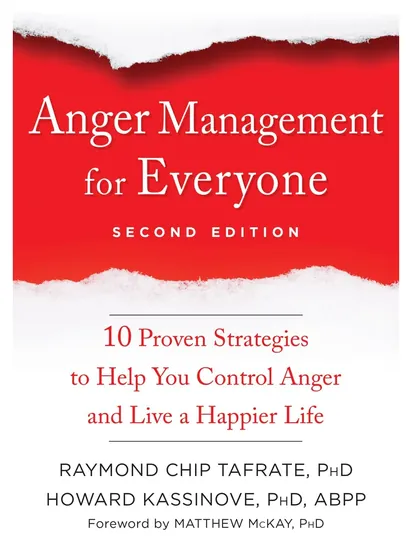
 Anger Management for Everyone
$24
-
2
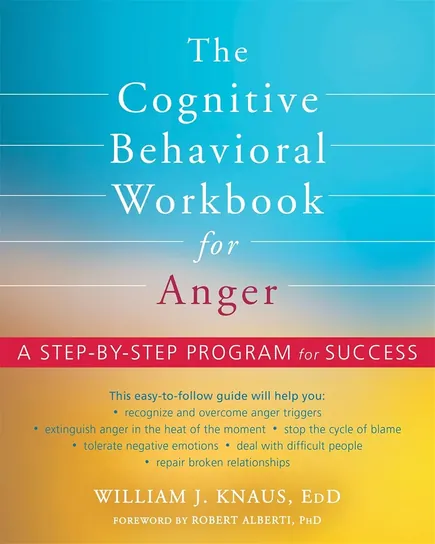
 The Cognitive Behavioral Workbook for Anger
$24
-
3
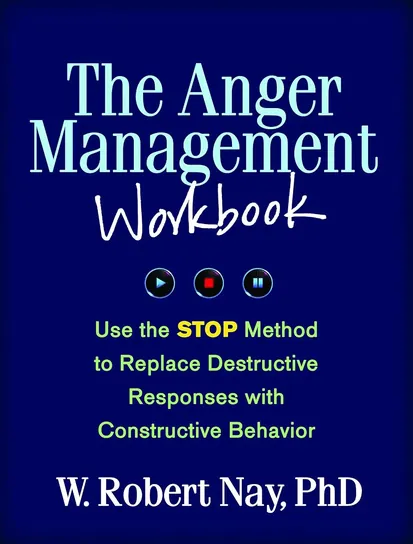
 The Anger Management Workbook
$20
-
4
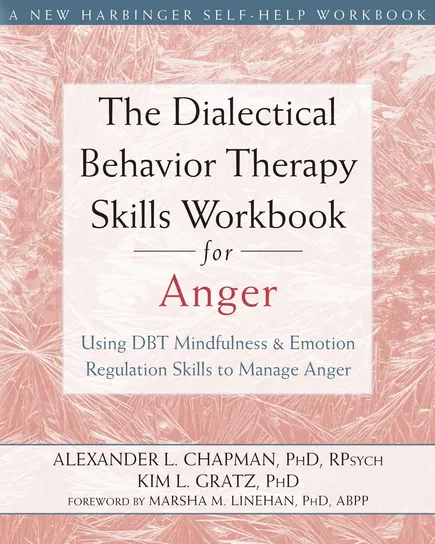
 The DBT Skills Workbook for Anger
$18
-
5
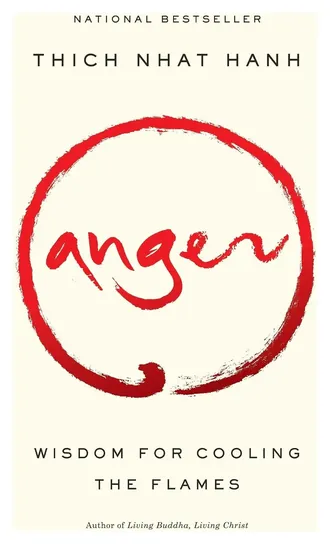
 Anger: Wisdom for Cooling the Flames
$8
-
6
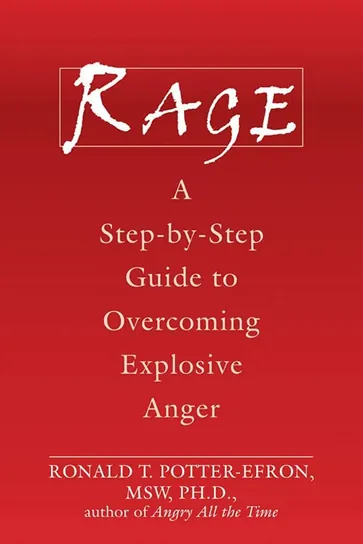
 Rage
$19
-
7
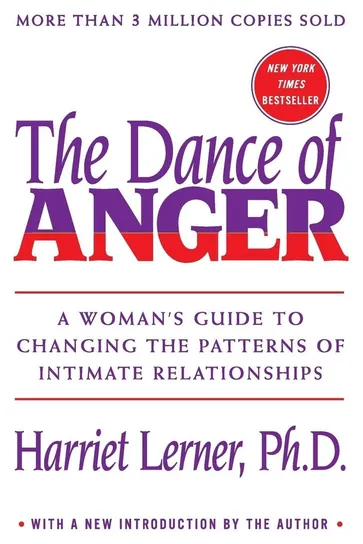
 The Dance of Anger
$10
-
8
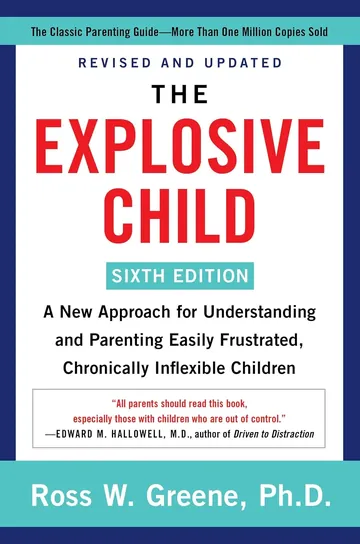
 The Explosive Child
$11
-
9
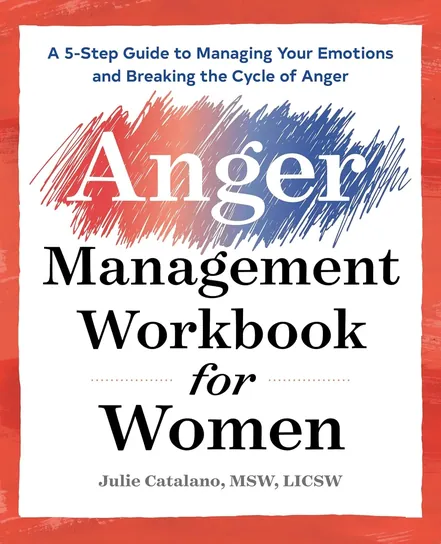
 The Anger Management Workbook for Women
$10
-
10
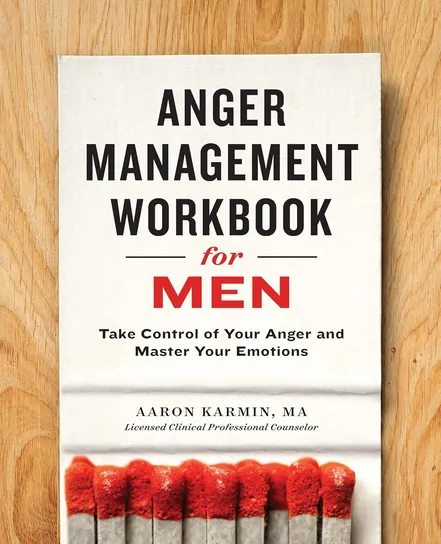
 Anger Management Workbook for Men
$9
Editor's Notes
November 1, 2026, by Ezvid Wiki Editors:
Anger Management for Everyone now leads, because its second edition turns two clinical psychologists' work into ten skills that any adult can practice, with new material on sleep, hunger and relaxation. The page now covers self-help for adults with one parenting book, and we judged each title by its authors' clinical background, the method it teaches and how much practice it builds in, checked against NHS and American Psychological Association guidance on anger.
New to the list are workbooks built on cognitive behavioral therapy, dialectical behavior therapy and the STOP method, plus Rage and two workbooks written for women and for men. The Explosive Child stays in its sixth edition. The Cow in the Parking Lot is out of stock, When I Feel Angry is a picture book for preschoolers, and Anger Management For Dummies lost out to slimmer workbooks. The Anger Trap, Healing the Angry Brain and Unoffendable also left, as older, overlapping or off-topic titles.
Earlier notes
November 5, 2019, by Gia Vescovi-Chiordi:
You don't have to have serious rage issues for anger to infiltrate and negatively affect the wellbeing of yourself and those around you. Irritation, frustration, passive-aggressiveness, the silent treatment, and more are all insidious forms of anger that many of us don't even realize we're engaging in. One of the volumes on this list can help anyone who feels they're getting in the way of their happiness, or who has a loved one whose anger is affecting their quality of life. And like with any other self-help book, understand that there is no one size fits all approach, so don't get discouraged if the first one you pick up doesn't solve all your problems.
With all that being said, these selections are not meant to be a substitute for psychiatric help or medication, so if you are truly struggling, consider seeking out a licensed professional as well. While an anger management book is a great start, if you find that it is not helping you make the changes you want, it may be time to seek further guidance.
People who want to begin incorporating mindfulness techniques and principles into their lives will benefit from Wisdom for Cooling the Flames, which uses a humble writing style to bring ancient advice to modern lives. If you'd like something a little more balanced with Western thought, then The Anger Trap and The Cow in the Parking Lot are both good options. The Cow in the Parking Lot is also very interactive, so if you're looking for a selection that allows you to get your thoughts on paper, that's the one to choose.
On its face, Anger Management For Dummies might seem like it's been watered-down, but it's an in-depth, comprehensive book written by PhD-holding psychologists that's helpful for adults and teens. And if you're looking for something for a youngster specifically then The Explosive Child is worth considering. Written by a distinguished clinician, this insightful and compassionate read provides plenty of evidence-based, actionable guidance.
Joining the ranks today is Unoffendable: Just One Change, an extremely easy-to-read volume that targets Christians specifically but is an entertaining and enlightening tome for anyone who wants to eliminate righteous anger to pave the way for more forgiveness, humility, and joy. It's especially helpful if you're feeling inundated with (and angered by) headlines meant to infuriate and polarizing discussions at home and in the workplace.
Special Honors
Lives in the Balance Ross Greene's nonprofit offers free videos, guides and planning sheets for his Collaborative & Proactive Solutions approach, the method behind The Explosive Child. It's a useful companion for parents and teachers who want to try the method before or alongside the book. livesinthebalance.org
Workbook Or Read-Through Book
Mindfulness books, such as Thich Nhat Hanh's, train noticing and calming rather than analysis.
Anger books come in two kinds. Workbooks give you something to do on every page: rate a flare-up, list your triggers, rewrite the thought that set you off. Read-through books explain why anger happens and what to change, with fewer exercises. If you want results, start with a workbook; if you want to understand yourself or someone close to you first, start with a read-through book.
Then pick a method. Cognitive behavioral therapy, or CBT, works on the thoughts and habits behind an outburst, and it is what Anger Management for Everyone and William Knaus's CBT workbook teach. The NHS describes CBT as a short, structured course with practice between sessions, and self-help books follow the same pattern (NHS: CBT). Dialectical behavior therapy adds mindfulness and ways to ride out strong feelings, which suits anger that comes on fast and stays (New Harbinger: DBT Skills Workbook for Anger). W. Robert Nay's STOP method boils the process down to one routine you can run in the moment. Mindfulness books, such as Thich Nhat Hanh's, train noticing and calming rather than analysis.
Match the book to the reader too. Some are written for women or for men, one deals with rage that feels out of control, and The Dance of Anger looks at anger inside families and couples. A parent dealing with a child's meltdowns needs a different book again.
How To Get Something Out Of An Anger Book
Reading about anger changes little on its own. The skills these books teach are the ones the NHS lists for coping: notice anger early, pause before you react by counting or breathing slowly, get regular exercise, talk it through with someone outside the situation, and avoid using alcohol or drugs to cope (NHS: anger).
A simple routine helps. Keep a short anger log for a couple of weeks: what happened, what you thought, how strong it felt, what you did. Do one exercise a day rather than a chapter a night, and rehearse your pause when you're calm so it's there when you're not. Workbooks have write-in pages; if you borrow a copy or buy an ebook, use a notebook. Several publishers, including Guilford and New Harbinger, post free printable worksheets for their titles.
Expect progress, not a cure. The American Psychological Association notes that anger is a normal emotion that can push people to solve problems; the aim is to stop it from turning into aggression or chronic hostility, which harm health and relationships (APA: anger).
When A Book Isn't Enough
A book is not therapy. The NHS advises seeing a doctor if you can't cope with your anger, if self-help isn't working, or if you are behaving violently or abusively, and it notes that anger can be a sign of trauma, anxiety or depression (NHS: anger). In the U.S., the APA psychologist locator lists licensed psychologists by area and specialty, and many therapists run structured anger management groups.
If anyone at home is being hurt, threatened or frightened, reading is the wrong first step. The National Domestic Violence Hotline helps both people experiencing abuse and people worried about their own behavior, by phone, text or chat.
For children, the right book depends on age and the reasons behind the outbursts, which can overlap with ADHD, anxiety or autism. Ross Greene's nonprofit, Lives in the Balance, explains his collaborative approach for free, and a pediatrician is a good first call.
How we researched this
We compared 21 anger books, including workbooks, trade books and parenting titles, and read the publishers' descriptions and author credentials for the 10 finalists. We checked current editions and availability, left out children's titles and unproven self-published books, and weighed each against NHS and American Psychological Association guidance on managing anger. Updated November 1, 2026 by Ezvid Wiki Editors.
Sources (11)
- New Harbinger: Anger Management for Everyone, 2nd ed.
- New Harbinger: The Cognitive Behavioral Workbook for Anger
- Guilford Press: The Anger Management Workbook (STOP)
- New Harbinger: The DBT Skills Workbook for Anger
- New Harbinger: Rage
- Harriet Lerner: The Dance of Anger
- Lives in the Balance
- NHS: Anger
- NHS: Cognitive behavioural therapy
- American Psychological Association: Anger
- National Domestic Violence Hotline
Frequently asked questions
Can a book replace anger management classes or therapy?
No. A good book teaches the same skills, and the NHS counts self-help CBT as a reasonable first step. If your anger isn't improving, or anyone is being hurt or threatened, see a doctor or a licensed therapist.
What is the difference between anger and aggression?
Anger is an emotion. Aggression is behavior meant to hurt someone or something. The American Psychological Association draws this line, and most anger books aim to keep the first from becoming the second.
What is the difference between CBT and DBT anger workbooks?
CBT workbooks focus on changing the thoughts and habits that fuel anger. DBT workbooks add mindfulness and skills for riding out intense feelings, which helps when anger comes on fast and lingers.
Is anger always bad?
No. Anger can signal that something is wrong and push you to fix it. It becomes a problem when it is frequent, intense, long-lasting or comes out as aggression.
Are these books suitable for children or teens?
No, they are written for adults. The Explosive Child is for parents of children with frequent outbursts; for a child's own reading, look for books matched to the child's age.