The 10 Best Wrestling Headgear
Updated by · How we research

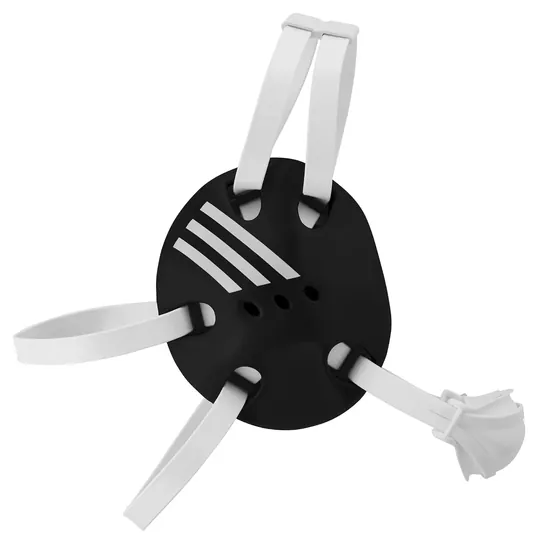
School rules require ear guards for wrestlers. Ten hard-shell, vented and soft guards compared on fit, weight and hearing; the Adidas Response AE100C is first. When users buy our independently chosen editorial choices, we may earn commissions to help fund the Wiki.
Headgear protects ears, not brains, a sports-medicine group says, so don't count on any guard to prevent a concussion. It does stop the rubbing and blows that cause cauliflower ear, and high school and college rules require it. Wrestlers choose between hard shells and soft foam cups, and vented designs make it easier to hear the coach.


Editor's Notes
October 19, 2026, by Ezvid Wiki Admin:
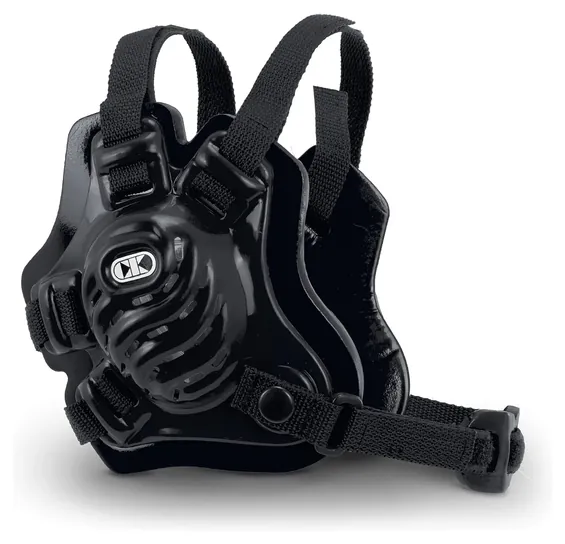
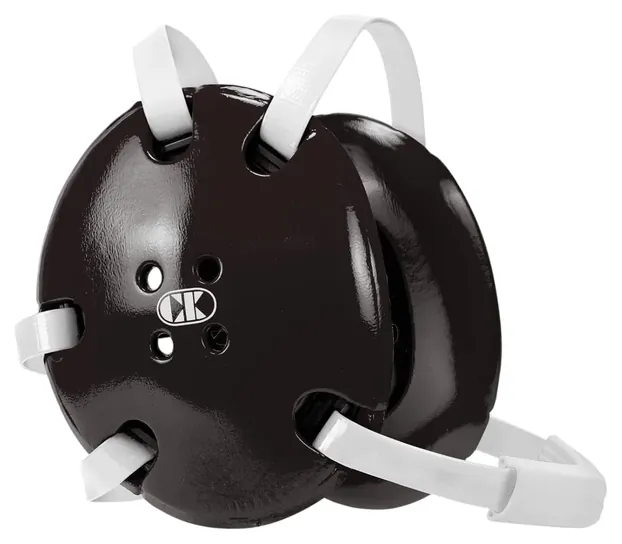
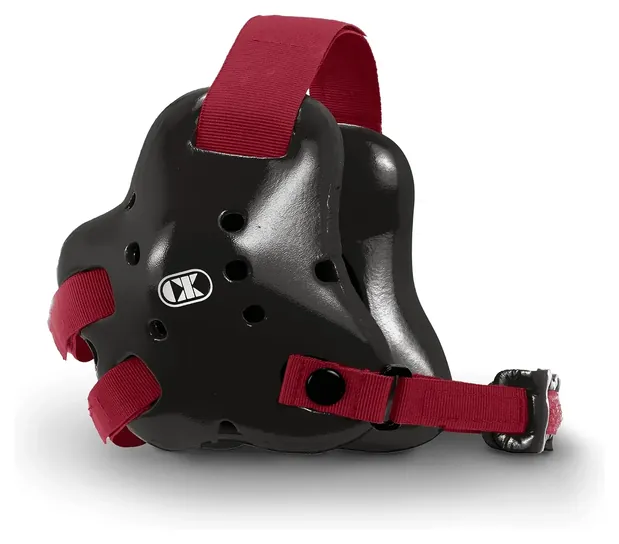
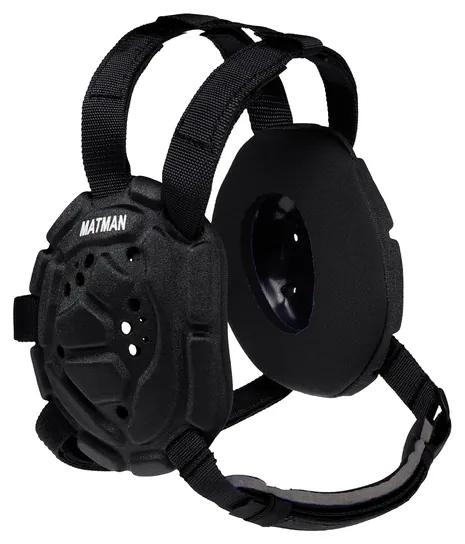
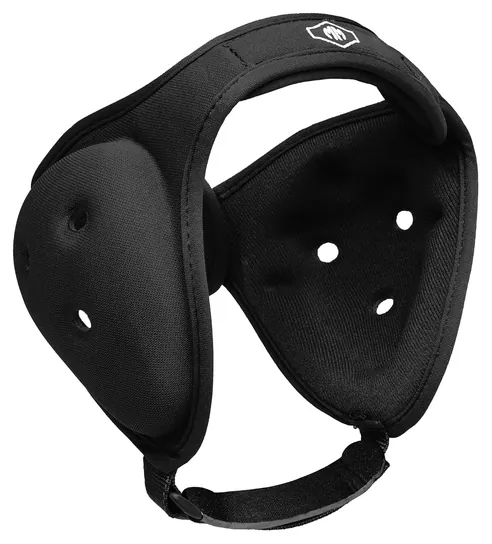
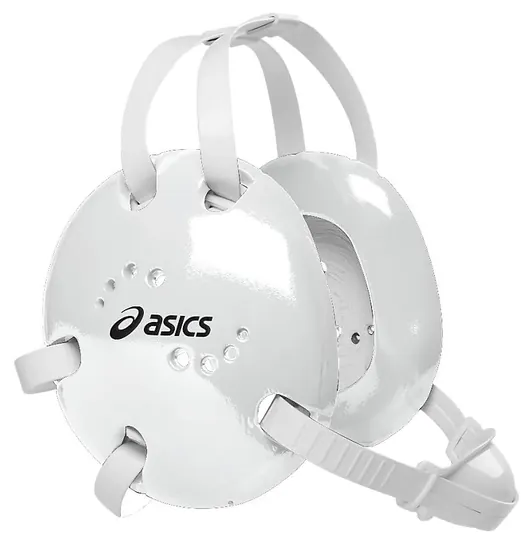
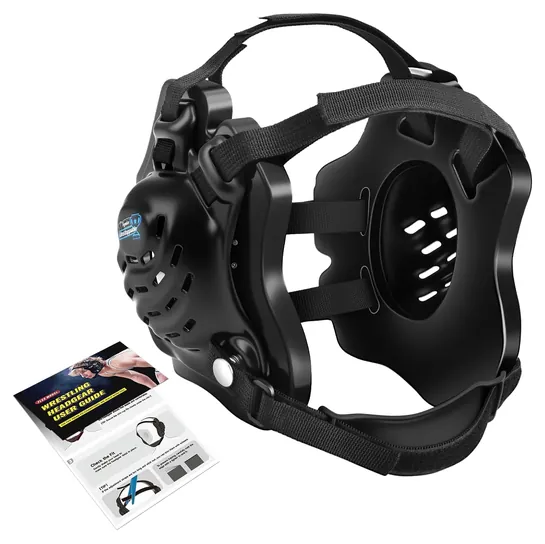
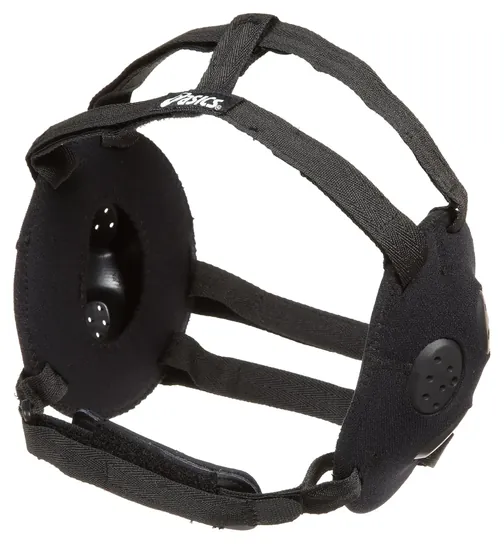
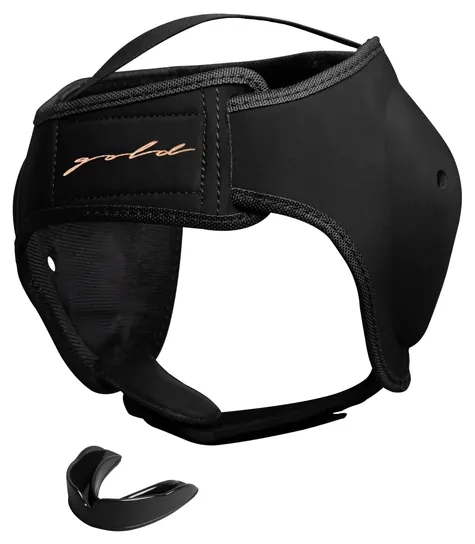
Wrestling headgear doesn't change much, and most of the old list still holds up. The Adidas Response AE100C, Cliff Keen F5 Tornado, Cliff Keen Signature and Cliff Keen Fusion all stay, along with the Asics Gel Headgear as a low-cost option and the Gold BJJ Headgear for jiu jitsu players. We dropped the Matman Halo, the Asics Aggressor and the Venum Kontact Evo because they're no longer available, and the Geyi Joker, a pricey decal version of a standard foam guard. New picks include the Matman Medalist and the Matman Dynasty, which put soft covers over hard cups, plus the Asics Snap Down and the Trymaker Headgear.
Wrestling headgear has no published lab tests we could find, so the picks rest on makers' and retailers' specs, two independent roundups, owner reports and recall records. One thing worth knowing before you buy: a sports-medicine group says headgear protects ears, not brains, so don't count on any of these to prevent a concussion.
March 31, 2021:
It was a fairly fast round of updates for us, as virtually all of our previous picks were still available and presenting as great choices for the category. The only exception was the Asics Snap Down, but being as our rankings already included some representation for the company – in the form of the arguably superior Asics Aggressor, as well as the Asics Unisex – we had no problem with replacing the Snap Down with the Geyi Joker — one of many flashy offerings from the brand, this one featuring a portrait of a menacing villain that bears a strong likeness to the iconic Batman villain (although it wasn’t made immediately obvious whether or not this was a licensed product).
Note that, while the wrestling-specific headgear included on this list may have some viability for other forms of grappling, like jiu jitsu, it isn’t an ideal form of protection for sparring sessions that involve striking. If that’s what you’re interested in, then you may want to hop over to our rankings for MMA headgear.
January 08, 2020:
While not quite as vital as picking the right singlet or shoes, choosing solid headgear is still pretty important, especially if you're practicing hard enough and often enough to risk developing cauliflower ear.
Picking the right headgear can be tricky, as many are adjustable, one-size-fits-all models, and so you may not know if the fit is right until you try one. Thinking critically about the construction and style of various selections is paramount to your comfort and can prevent the hassle of making a return. Things like deep ear cups, thick straps, 2, 3, or 4-strap designs, chin cups, and material all play a big part in how your gear will feel. You may have to try a few before you get the perfect one.
Our latest update saw the removal of the Asics Unrestrained, which became unavailable. We added the unisex Asics Snap Down in its stead, as well as the thoughtfully designed Cliff Keen Fusion, which brought this list up to an even 10 items. The Fusion is a top of the line model that's made with extremely high-quality materials and boasts a trademarked “On-The-Fly” Strapping System and sleek-profiled ear cups that are snug, yet still give enough room for a comfortable fit.
If you like the classic headgear look, then you can't go wrong with the Matman Halo, which also happens to be very well made and economically-priced. The drawback to its strong plastic-like material is that it feels stiff at first and takes a while to break in, but once it molds to your head shape it will seem like it's barely there.
Special Honors
WrestlingMart Throwback WrestlingMart, a retailer that sells only wrestling gear, makes its own Throwback ear guard: a classic hard plastic cup with foam padding, six large holes per cup for hearing, adjustable straps and a cushioned chin strap. It comes in more than two dozen color pairs, and a custom version lets a team pick its own colors, which makes it a practical choice for coaches outfitting a whole roster. wrestlingmart.com
Hard Shell, Soft Cover Or Soft Guard
Then there are soft guards with no rigid shell, made mostly for jiu jitsu and MMA.
Wrestling ear guards come in three broad types. The classic is a hard plastic or polycarbonate cup inside foam, held by four straps, like the Cliff Keen Signature. Vented molded shells such as the Cliff Keen Tornado are the newer take, built to be lighter and let more sound through. Soft-covered guards put a neoprene or fabric cover over a hard insert, which is gentler on a partner's face but holds more sweat.
Then there are soft guards with no rigid shell, made mostly for jiu jitsu and MMA. They're comfortable for open mats but are a poor fit for school wrestling. High school rules from the National Federation of State High School Associations call for ear guards made for wrestling that are rigid and padded, with a locking adjustment so they can't come off or rotate (NWCA summary of the rule). Since 2022, a maker's logo may appear only on the ear cups, no larger than 2.25 square inches per cup (WIAA). A hair cover has to attach to the ear guards, and a bandanna doesn't count.
College wrestlers need ear protection too. The NCAA considered making it optional in 2025 and dropped the idea (NCAA). Rules vary by state and league, so check yours before buying a soft or heavily decorated guard.
Fit, Straps And Hearing The Coach
A guard only works if it stays put. The cups should sit squarely over the ears without pressing them flat, and no strap should let a cup slide forward over the face. Set the straps before the season, recheck them before each match, and expect to adjust again as foam breaks in (Gear Report).
Four straps, two over the top and two behind the head, are the standard and give the most ways to tune the fit. Three-strap designs like the Cliff Keen Fusion are quicker to set. Halo-style guards, with a single band around the head, are the simplest but tend to slip, and Gear Report warns that a stiff band can cut the face when it moves. Under the jaw, a padded chin strap or a chin cup keeps the guard from riding up; a basic cup can slide toward the mouth.
Hearing matters more than many first-time buyers expect. Thick foam cups muffle a coach's voice, while open vents or extra holes let more sound through. Sizing is mostly one size with adjustable straps, and several adult models adjust down for youth wrestlers. Small children may need a dedicated kids size, measured by head circumference.
What Headgear Does And Doesn't Prevent
Ear guards exist to prevent auricular hematoma, the injury behind cauliflower ear. Repeated rubbing or a hard blow can make blood collect between the skin and the cartilage of the ear. If a doctor doesn't drain it promptly, usually within about a week, the cartilage can scar into a permanent lump (Sports Med Today). A 2024 study of wrestlers with cauliflower ear also linked the injury to hearing loss (American Journal of Audiology).
What headgear doesn't do is prevent concussions. A 2024 position statement from the Association of Ringside Physicians found no evidence that headguards prevent concussion or other brain injury, while noting a marked drop in ear injuries among wrestlers who wear them (Physician and Sportsmedicine). The authors also note that athletes may take more risks when they feel protected.
Care is simple but easy to skip. Hard shells wipe down with warm, soapy water, and Cliff Keen says to keep its guards out of the washing machine and dryer. Fabric and neoprene covers need regular hand-washing because they soak up sweat. A guard that smells or has cracked cups, split foam or worn hook-and-loop is due for replacement.
How we researched this
We compared 16 wrestling ear guards, read makers' and retailers' product details and care instructions, two independent roundups, the high school and college rules on ear guards and a sports-medicine position statement, analyzed owner feedback, and checked every brand for recalls with the U.S. Consumer Product Safety Commission. We found no independent lab tests of wrestling headgear.
Sources (11)
- Cliff Keen: The Fusion
- Gear Report: Best high school wrestling headgear
- Grappler's Graveyard: Best wrestling headgear
- Reddit r/wrestling: headgear that stays on and lets you hear
- deWeber et al., Association of Ringside Physicians position statement, Phys Sportsmed 2024
- Sports Med Today: Auricular hematoma
- American Journal of Audiology, 2024: cauliflower ear and hearing
- NWCA: 2019 proposed high school wrestling rule changes
- WIAA: Ear guards and manufacturer's logo
- NCAA: Men's wrestling rules changes, June 2025
- U.S. Consumer Product Safety Commission recalls
Frequently asked questions
Does wrestling headgear prevent concussions?
No. The Association of Ringside Physicians found no evidence that headguards prevent concussion or other brain injury. They do sharply cut ear injuries such as cauliflower ear, which is what they're designed for.
Is headgear required in wrestling?
Yes, in U.S. high school and college wrestling. High school rules require rigid, padded ear guards made for wrestling, and the NCAA kept ear protection mandatory after considering an optional rule in 2025. Youth clubs and leagues set their own rules.
What types of wrestling headgear are there?
The main types are classic hard cups inside foam, vented molded shells, soft-covered guards with a hard insert, and soft guards with no rigid shell. Soft guards suit jiu jitsu but usually don't meet school wrestling rules.
How should wrestling headgear fit?
The cups should cover the ears without pressing them flat, and the straps should keep the guard from sliding or rotating. A chin strap or chin cup should sit on the chin, not over the mouth. Recheck the straps before every match.
Can I wear a bandanna under my headgear?
Not in high school matches. A hair cover has to be attached to the ear guards, and a bandanna isn't a legal hair cover.
How do I clean wrestling headgear?
Wipe hard shells with warm, soapy water or antibacterial wipes after practice. Hand-wash fabric or neoprene covers and let them air-dry. Cliff Keen says to keep its guards out of the washing machine and dryer.