The 9 Best Toddler Sunglasses
Updated by · How we research

Bendable frames, straps, polarized lenses and age fit compared across nine toddler sunglasses. The Babiators Navigator leads for its tough frame and guarantee. When users buy our independently chosen editorial recommendations, we may earn commissions to help fund the Wiki.
Cheap toddler sunglasses usually do protect little eyes: when researchers checked 126 children's pairs from U.S. stores, most of them very inexpensive, every one blocked UV light as labeled. So your money buys fit, toughness and a strap. This page is for parents of kids roughly one to four who need shades that survive chewing, bending and stroller tosses.


Editor's Notes
November 1, 2026, by Ezvid Wiki Editors:
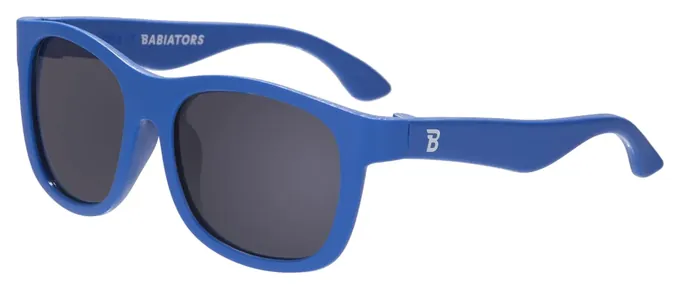
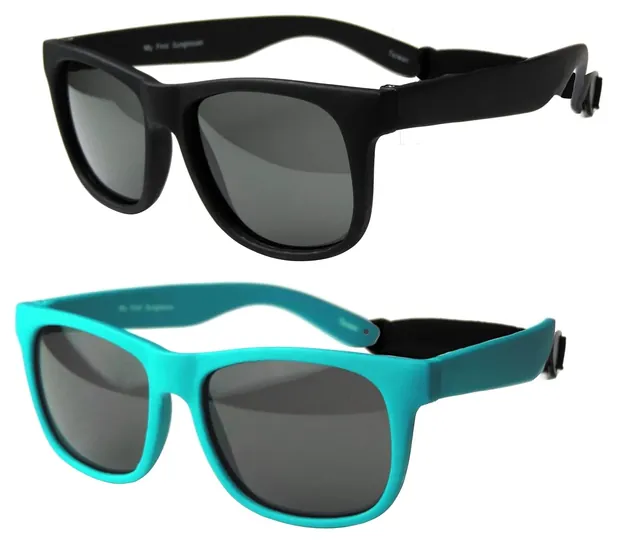
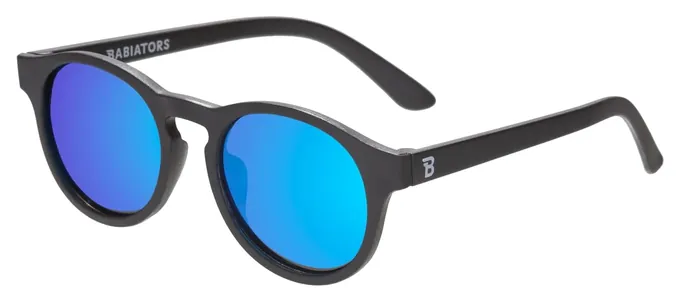
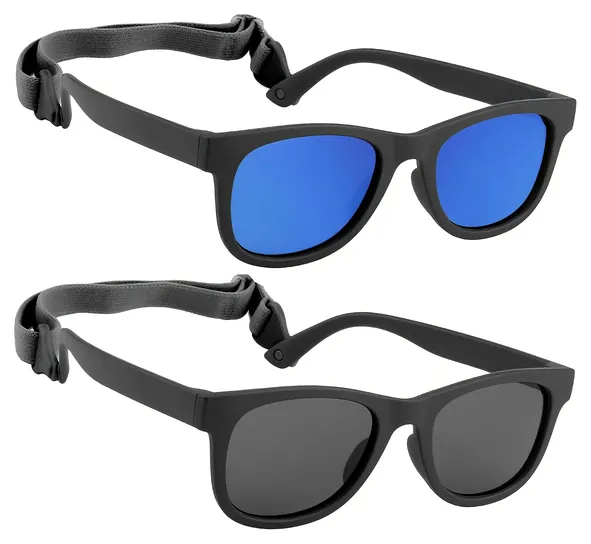
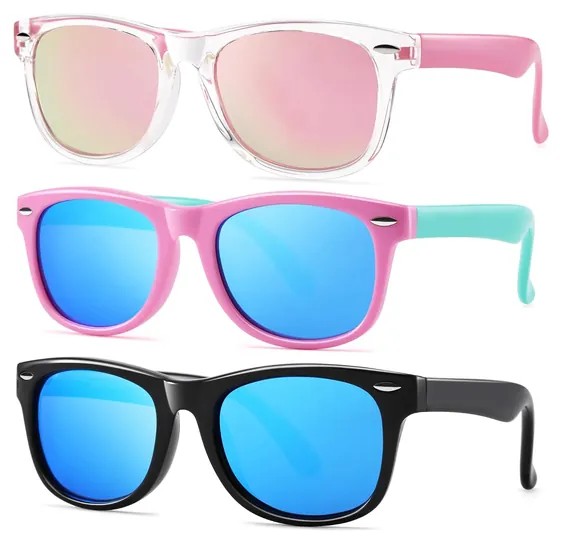
The Babiators Navigator now leads this list. The Babiators Aviator that used to sit near the top is gone, and the Navigator carries the same bendable rubber build and breakage guarantee in a squarer shape. The Babiators Keyhole stays as the polarized option, and the Bib-On Vintage stays, now sold as a 2-Pack with straps.
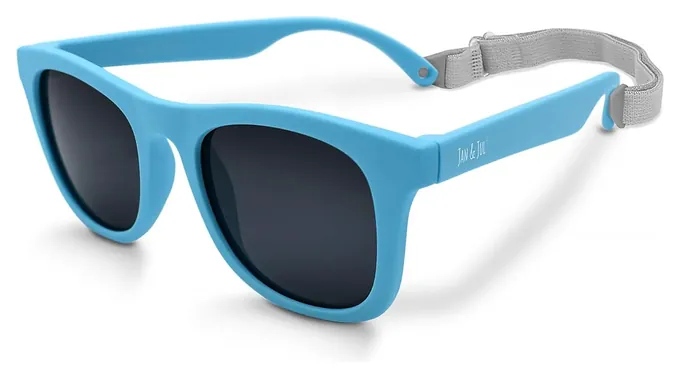
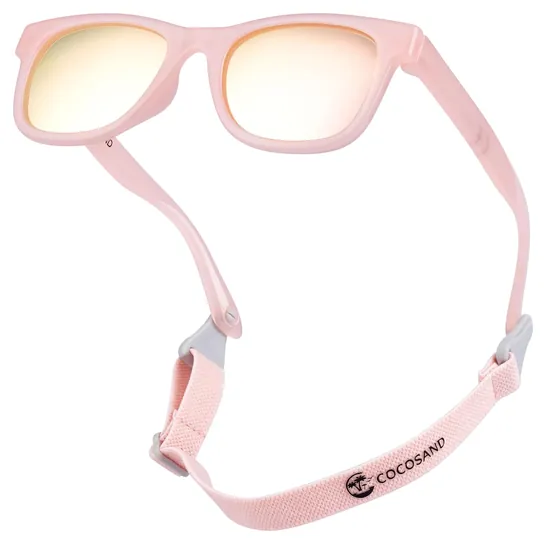
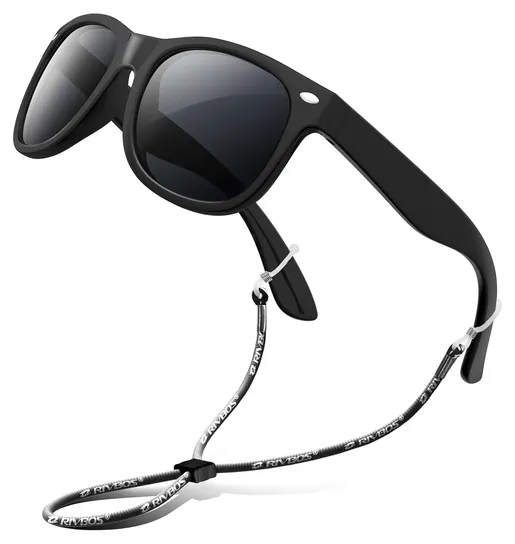
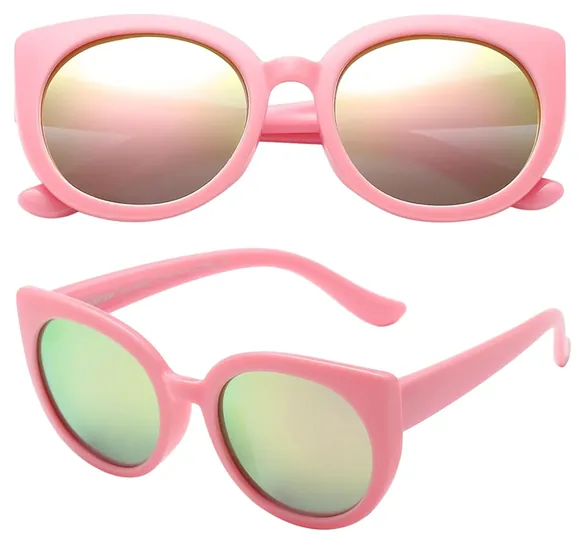
The biggest surprise was a 2019 study in which every one of 126 children's sunglasses from U.S. stores blocked UV, most of them very cheap ones. That's why most of this list costs little, and why we judged the rest on fit, straps and toughness. New picks include the Jan & Jul Xplorer and Cocosand Flexible Polarized for strap fans, the Rivbos RBK004 for preschoolers, the PolarSpex Cat Eye and two multipacks.
The Kushies, Coolsome, Wodison, Leico Hello Kitty, Kidz Banz and PolarSpex Super are out for thin evidence, overlap or a metal frame. The Real Kids Shades Explorer turned up nowhere for sale.
Earlier notes
June 18, 2020, by Karen Bennett:
Although most parents are vigilant about protecting their toddler’s skin with sunscreen, fewer regularly outfit their tot with a pair of UV-protective sunglasses. Today we added a pair to our list that provide full UV protection, the Babiators Blue Series. Their polarized lenses also help to reduce harsh glare, so objects appear crisper and clearer. They come in neutral black or fun shades like turquoise and melon, and are equipped with an elastic strap to keep them in place on your child’s head. If your toddler enjoys these, you can opt for two larger sizes as they grow, which will accommodate kids up to 10 years of age. This model joins the Babiators Aviator on the list, which are another high-quality pair that stand up to a toddler’s rambunctious play. Note that both of these come with a replacement guarantee, whereby the manufacturer will send a new pair should the original one become lost or broken within the first year. For another sturdy set that come in a package of two, we added the Bib-On Vintage, which also feature a flexible build that can stand up to twisting and bending without problem. You can choose from among three color combinations, including navy and teal, pink and fuchsia, and black and teal. Their matte finish won’t show fingerprints, and you can buy them with a little extra peace of mind, knowing a portion of each sales goes to charity.
For a pair that provides a lot of bang for your buck, look to the PolarSpex Super, which come in an array of fun designs like stars and stripes, plaid patterns, and even Pete the Cat. They’re also available in several solids for those who like something less busy. Their lenses are made to reduce glare, and soft hinges make sure they don’t cause scratches when your little one puts them on or takes them off. They come with a high-quality storage case. A budget-friendly choice that carries a simple, timeless aesthetic are the Coolsome Flexible, which come in basic black and include a handy strap so they can be hung from your child’s neck when they’re not in use. These too come with a handy drawstring storage pouch.
In today’s update, we removed the Julbo Looping, amidst reports of these running small and breaking rather easily, as well as the Lalana Polarized, which aren’t very flexible, so they too can break rather easily when handled by toddlers. For safety’s sake, always supervise babies and young children with their sunglasses, and choose a pair that won’t break or shatter when dropped, or that could cut your child with sharp hinges. If you’re looking for a pair of shades for older children, check out our list of best sunglasses for kids.
Special Honors
Roshambo Eyewear Babylist named Roshambo its top overall pick for toddlers. The maker sells its bendable frames in baby, toddler and kid sizes on its own site, so parents can move up a size as a child grows. roshambo.com
UV Protection Is The Easy Part
Look for a label that says UV400 or 100% UVA and UVB protection.
Look for a label that says UV400 or 100% UVA and UVB protection. Babylist's advice, drawing on pediatric guidance, is to want at least 99% UV blocking, and it points out that a dark tint by itself says nothing about UV (Babylist).
The good news is that UV blocking has become cheap. In a study published in Medical Research Archives, researchers bought 126 pairs of children's sunglasses at U.S. stores, most of them very inexpensive, and measured them. Every pair blocked UV, and none had a false label (Medical Research Archives). The study covered store-bought pairs, not every online seller, so a stated UV400 rating is still the thing to check.
Polarized lenses are a different feature. They cut glare off water, sand and snow, which helps at the beach or on the slopes, but they add no UV protection. Babylist calls them nice to have, not essential. A pair labeled "FDA approved" is using a marketing phrase, since the FDA doesn't approve individual sunglasses.
Fit, Straps And Frames That Survive A Toddler
Toddler sunglasses get bent, chewed, sat on and thrown. The frames that last are one-piece molded rubber or TPE plastic with no metal hinge to snap and no paint to chip. Lucie's List points parents toward impact-resistant lenses for the same reason (Lucie's List). Most picks here are molded this way, and several makers say their frames are free of BPA and phthalates.
Fit matters as much as the lens. Babylist suggests a snug pair that covers from the eyebrows to the middle of the cheeks and curves toward the ears, so light can't slip in from the sides. Sizes follow age, and they aren't standard across brands. A pair sized for babies is outgrown around age two, and a pair sized for kids three to ten can slide off a two-year-old. Check the maker's age range before buying.
A strap is the single best way to keep sunglasses on a child who keeps pulling them off. Wide elastic or neoprene bands are the most comfortable. A thin cord works too, but take it off at nap time and in the car seat. Short sessions help a reluctant toddler get used to wearing them, and a wide-brimmed hat is the backup when they won't.
Guarantees, Recalls And When To Start
Babiators is the best-known brand with a replacement guarantee, but its terms changed. Since April 2025, its guarantee covers pairs that break within a year of purchase, not pairs that get lost. You have to register within 30 days, and you pay a shipping fee for the replacement (Babiators). Most cheaper brands offer a general satisfaction promise instead.
We found no recalls for any brand on this list in the U.S. Consumer Product Safety Commission's database (CPSC). Past recalls of children's sunglasses, mostly in the 2000s and early 2010s, involved lead paint on licensed character frames and lenses that could pop out and become a choking hazard. That history is a good reason to favor unpainted, one-piece frames.
Babies under six months should mostly stay out of direct sun, so shade and a hat come first. After that, sunglasses can be worn at any age as long as they fit. Snow and water reflect sunlight, so winter outings and beach days are when sunglasses help most.
How we researched this
We compared 20 toddler and kids' sunglasses, read each maker's published specs, sizing and age ranges and Babiators' guarantee terms, used a 2019 study of UV blocking in children's sunglasses and fit advice from Babylist and Lucie's List, weighed owner ratings, and checked every brand against U.S. Consumer Product Safety Commission recall records.
Frequently asked questions
What should I look for in good toddler sunglasses?
Start with a label that says UV400 or 100% UVA and UVB. Then look for a bendable one-piece frame, shatter-resistant lenses, a strap if your child pulls them off, and an age range that matches your child.
Do cheap toddler sunglasses block UV?
Usually, yes. A study of 126 children's pairs bought at U.S. stores, most of them very inexpensive, found that every one blocked UV. Still check for a UV400 or 100% UV label.
Do toddlers need polarized sunglasses?
No. Polarized lenses cut glare off water and snow, which is nice at the beach, but they don't add UV protection. A non-polarized pair with full UV blocking protects just as well.
How do I get my toddler to keep sunglasses on?
Use a pair with an elastic strap, start with short sessions and build up, and let your child pick a color they like. A wide-brimmed hat is a good backup.
Are flexible frames better than hinges for toddlers?
For most toddlers, yes. A one-piece rubber or TPE frame has no hinge to snap or pinch fingers, and it springs back after being bent or stepped on.
When can a baby start wearing sunglasses?
Babies under six months should mostly be kept in the shade with a hat. After that, sunglasses that fit snugly and block UV can be worn whenever the sun is strong.