The 9 Best Sustain Pedals
Updated by · How we research

Nine piano-style and compact sustain pedals compared by polarity, half-pedaling and grip. The M-Audio SP-2 leads for its polarity switch and real-pedal feel. When users buy our independently chosen editorial recommendations, we may earn commissions to help fund the Wiki.
A sustain pedal is only a switch, and the usual trap is polarity: plug one into a keyboard that expects the opposite wiring, and notes ring until you press down. This list is for anyone replacing the flat button that came with a keyboard, and for pianists who want half-pedaling on a digital piano at home.


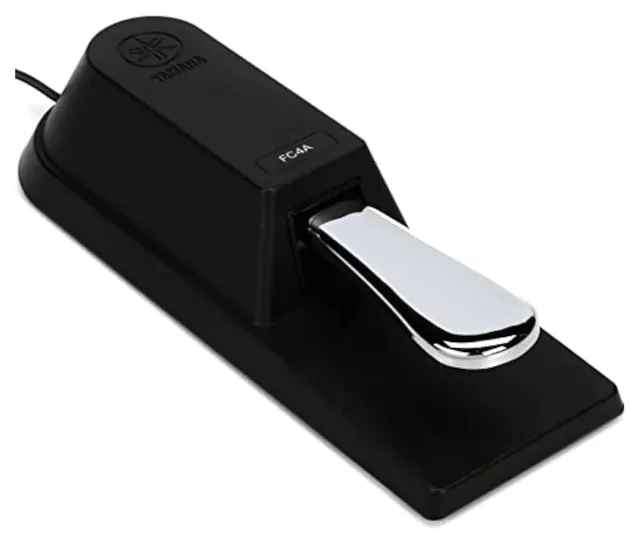
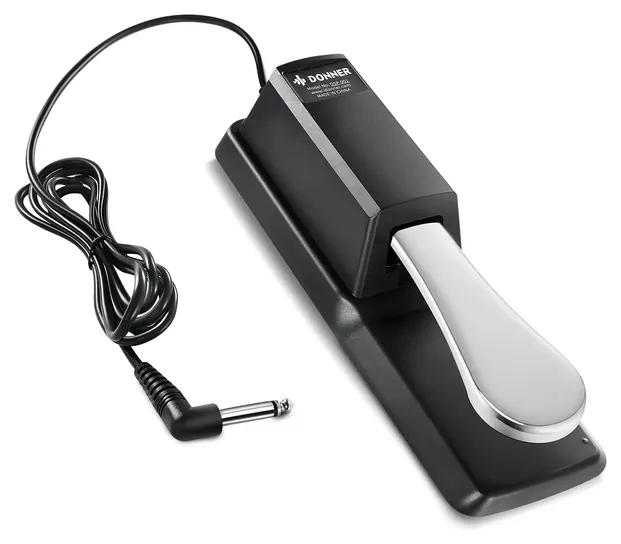
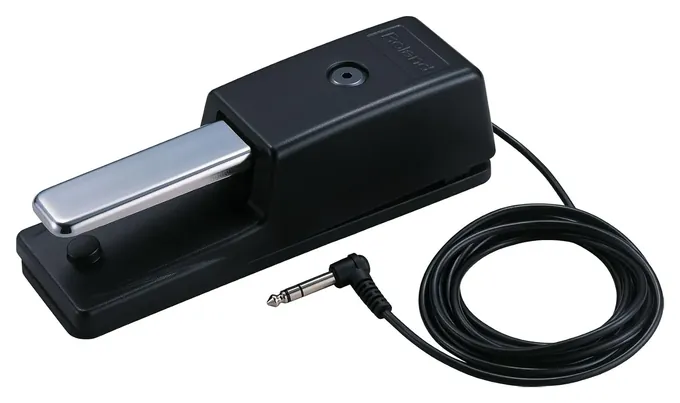
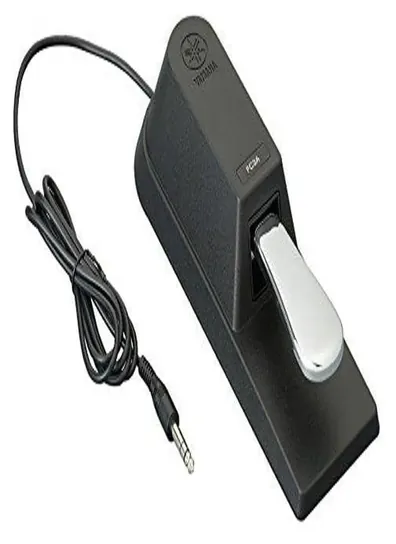
Editor's Notes
October 26, 2026, by Ezvid Wiki Admin:
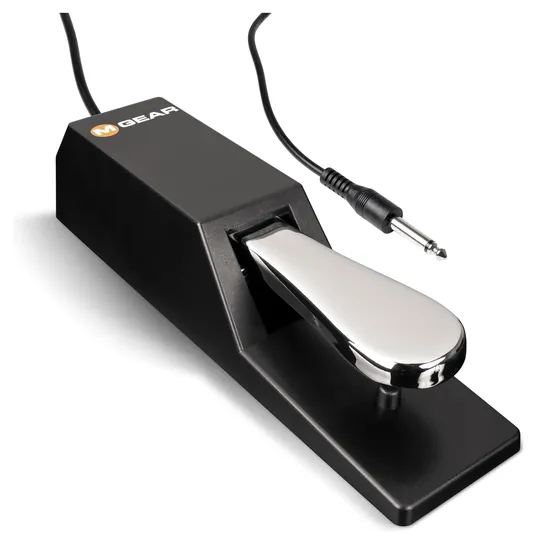
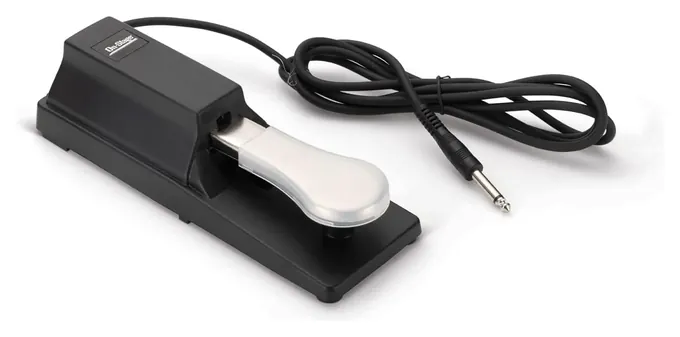
The M-Audio SP-2 now leads. It has a polarity switch, a real chrome lever and one of the longest sales records among keyboard pedals, at a modest price. The Yamaha FC4A, Donner DSP-001, Roland DP-10 and On-Stage KSP100 stay.
Two old picks, the Nektar NP-2 and Auray FP-P1L, have vanished from sale, the HQRP Piano-Style was a rebadged pedal for a few old Yamaha models, and the Antoble ATB-005 has disappeared. We also dropped the Casio SP-20, which now costs more than twice as much as the universal pedals here, any of which works on a Casio.
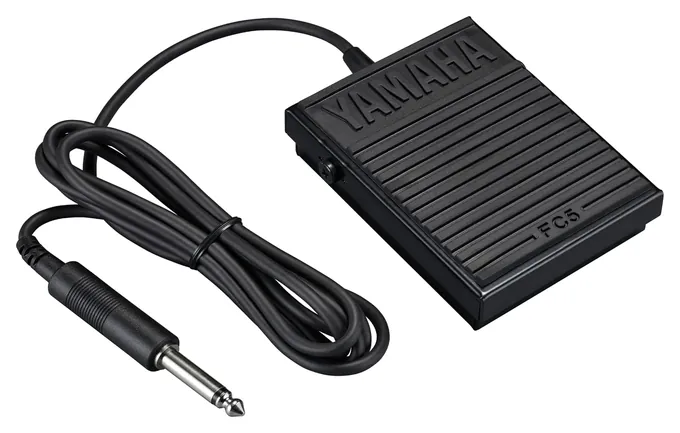
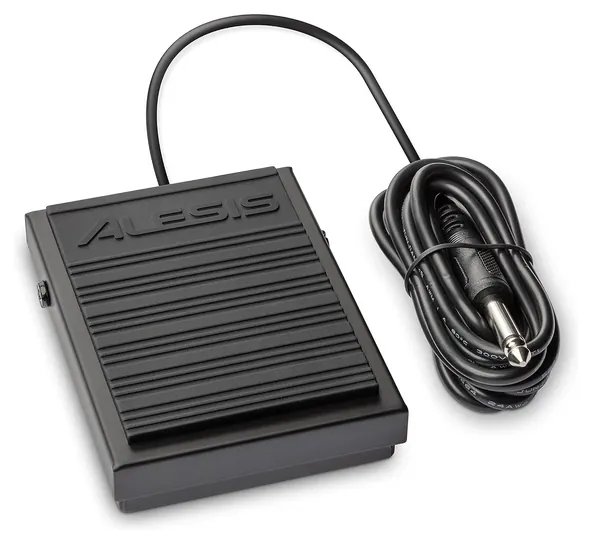
New picks cover half-pedaling, with the Yamaha FC3A and Korg DS-1H, and two compact switches, the Yamaha FC5 and Alesis ASP-1 MKII. We checked each maker's spec and support pages for polarity, plug type and half-damper support, read Roland's and Korg's compatibility notes, and looked for pedal recalls with the CPSC.
January 09, 2020:
If you're in the market for a sustain pedal, you probably already know what they do: they prolong notes and chords to a taper, producing a soft, pleasant sound. On an actual piano, the sustain pedal removes the dampers from the strings to achieve this effect. Since sustain pedals have been in standard use since the Romantic era, a significant number of the classical pieces pianists interpret today have sustained portions written into the sheet music, which means it is nearly impossible to perform a piece accurately without the sustain function, whether it's on a grand piano or an electronic keyboard.
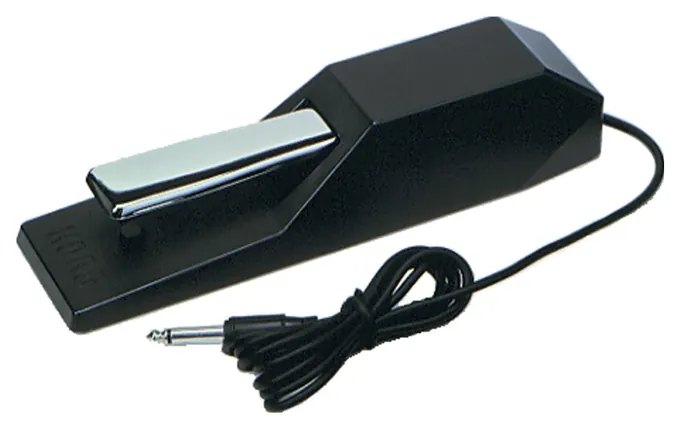
The differences between the products in this list may appear small, but they are important to discerning musicians. Some may prefer pedals that have a teardrop shape, while others may gravitate toward straight pedals. Nearly all of the models featured here have 1/4-inch jacks, and most are compatible with the major keyboard and synthesizer brands. In terms of updates, the Donner DK-1 is a new addition to the list, chosen for its superior sound quality and reasonable price. The Roland DP-10 Real-Feel has been replaced with an updated version of the same model.
How we researched this
We compared 18 keyboard pedals from 14 brands, read maker spec and support pages from M-Audio, Roland, Korg and Alesis plus retailer spec sheets for polarity, plug type and half-damper support, studied long-run buying patterns for the best-selling models, and checked every brand for recalls with the U.S. Consumer Product Safety Commission. We found no independent lab tests of keyboard pedals.
Frequently asked questions
Why does my sustain pedal work backwards?
The pedal's polarity doesn't match the keyboard. Flip the pedal's polarity switch if it has one, or turn the keyboard off, keep your foot off the pedal and turn it back on, since many keyboards read the pedal at startup.
Will any sustain pedal work with my keyboard?
Almost any pedal with a quarter-inch plug and a polarity switch will work as an on-off sustain. Half-pedaling needs a pedal and a keyboard that both support it, usually from the same brand.
What is half-pedaling?
Pressing the pedal partway so notes fade gradually instead of ringing fully or stopping. On a digital piano it needs a continuous pedal, such as the Roland DP-10 or Yamaha FC3A, and a keyboard that reads it.
Can I use a guitar sustain pedal on a keyboard?
No. A guitar sustain or compressor pedal processes audio. A keyboard pedal is a switch that tells the keyboard to hold its notes.
Does a sustain pedal work with a MIDI controller and recording software?
Yes, if the controller has a sustain input. It sends MIDI controller 64, which almost every music program treats as sustain.