The 9 Best Reusable Produce Bags
Updated by · How we research

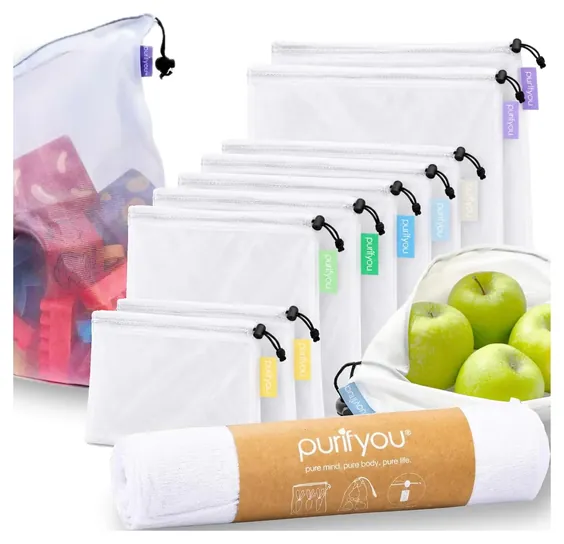
Mesh, cotton and fridge-crisper bags compared on strength, washing and freshness claims. The purifyou Set of 9 leads for its fine, sturdy mesh and weight tags. When users buy our independently chosen editorial picks, we may earn commissions to help fund the Wiki.
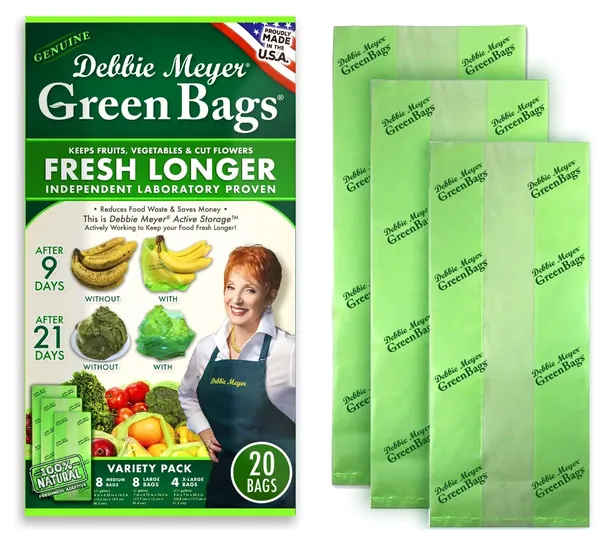
Reusable produce bags mainly cut waste, and the proof that any bag keeps food fresher is weak: a week-long fabric bag trial saw no difference, and green mineral bags helped bananas most. So pick for the job. Sheer mesh suits shopping and bulk bins, cotton suits a plastic-free kitchen, and a damp cloth bag helps when greens wilt in the fridge.


Editor's Notes
November 1, 2026, by Ezvid Wiki Editors:
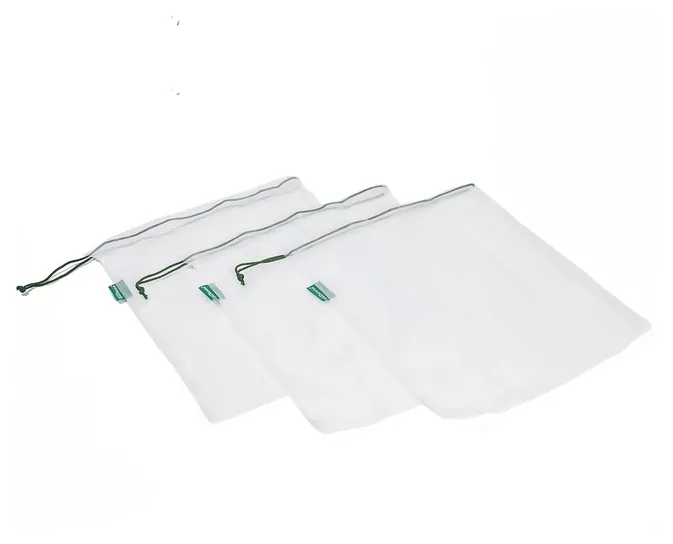
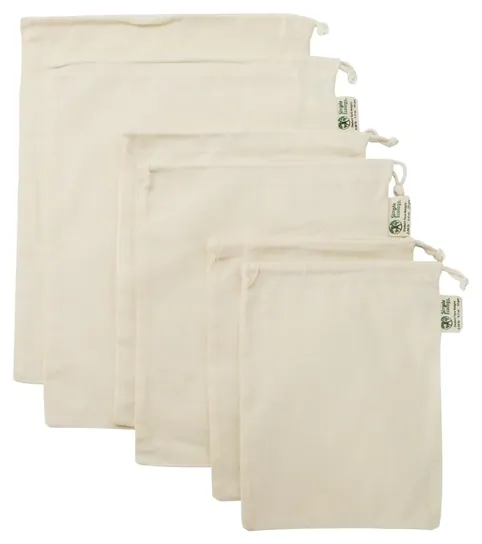
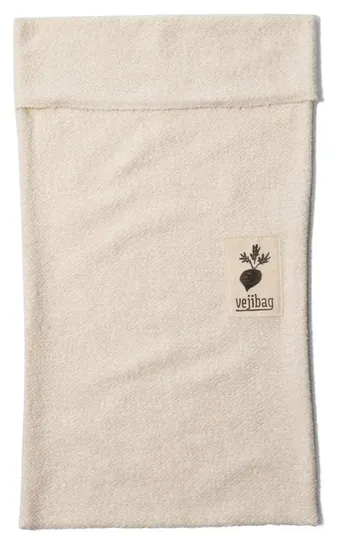
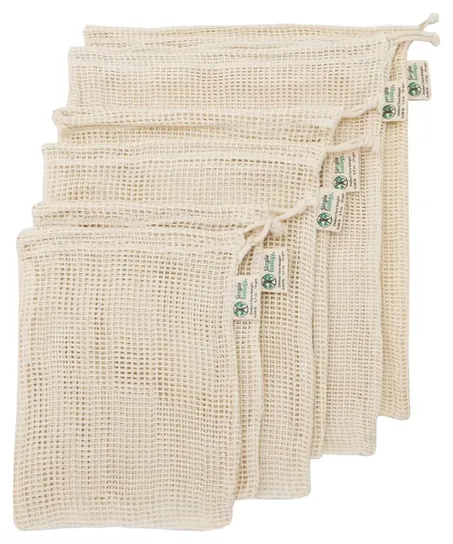
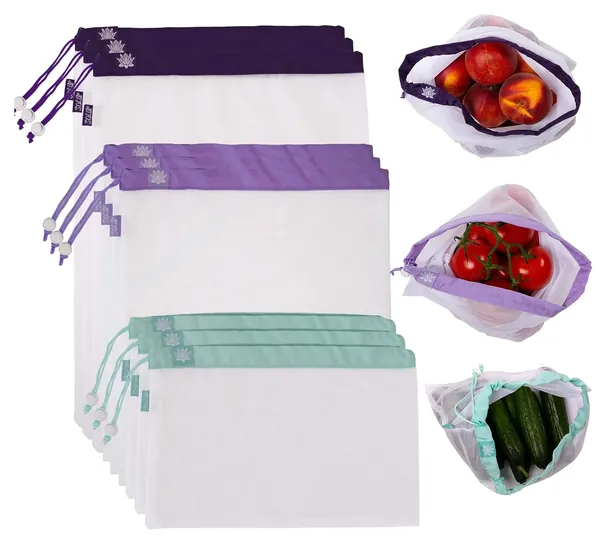
The purifyou Set of 9 takes over first place because it came out on top in America's Test Kitchen's produce bag trials, which loaded each bag with kale, potatoes, a pineapple and dumbbells, stained it with raspberries, washed it again and again and checked whether bulk grains leaked through. The Vejibag Large and the Simple Ecology Organic Cotton Muslin stay for greens, and the Earthwise Set of 9 carries on in a plainer package.
Several old picks weren't produce bags at all: a silicone storage bag, a kitchen rail and a freezable lunch bag are gone. The Flip and Tumble set is no longer sold, EcoRoots had too little behind it and an earlier set of its mesh bags tore in that same trial, and the Lucky Treyvon set had no track record we could check.
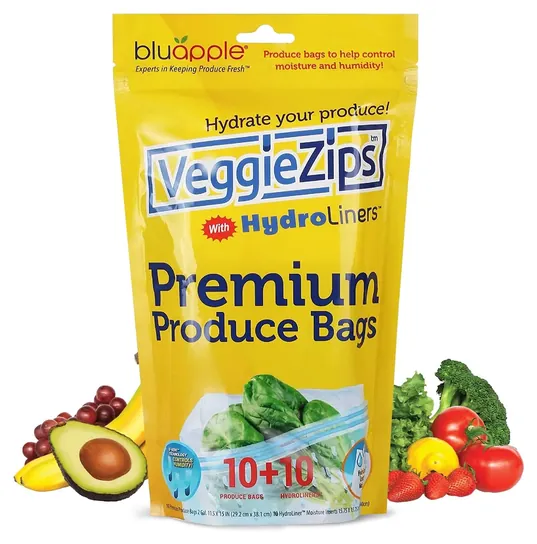
Most readers who find this page want to store produce in the fridge, so three fridge bags join the list. We kept their claims modest, because a fabric bag trial at Reviewed and a university extension review of green bags both found small gains or none.
Earlier notes
September 8, 2020, by Fred Naumann:
If you're the kind of waste-conscious shopper who's made the switch to reusable grocery bags, you've probably guessed that there are better solutions for storing produce than the disposable plastic sacks offered at the store. Fortunately, there are lots of alternatives available, though most options will suit some foods better than others. Fabric bags like the Vejibag 1002L or the Simple Ecology Organic Cotton Muslin retain moisture while releasing gases that might speed ripening, making them perfect for leafy vegetables like lettuce and kale. Meanwhile, the wide netting of the Ikea KUNGSFORS maximizes air circulation for roots and tubers, and stretches to maximize storage space.
Environmental impact is another important consideration - biodegradable selections like the EcoRoots Premium won't pile up in landfills at the end of their lifespan, while the Earthwise Mesh gives discarded plastic bottles a second life to keep them out of the trash. Other items on our list offer versatility, such as the Stasher Silicone Half Gallon, which works as a container when freezing, boiling, or reheating food. And while the PackIt Freezable Picnic makes a great refrigerated shopping bag, you can also use it for its intended purpose as a lunch cooler.
For storage options that will enhance your kitchen's decor, take a look at our lists of countertop and hanging fruit baskets. We've also provided overviews of personal shopping baskets and carts, to help you further reduce waste at the market.
Polyester Mesh Or Cotton
It weighs next to nothing, a cashier can see through it, and it rinses clean and dries fast.
Sheer polyester mesh is the practical choice for shopping. It weighs next to nothing, a cashier can see through it, and it rinses clean and dries fast. In America's Test Kitchen's trial, the polyester bags shed raspberry stains far more readily than cotton ones, and the winning set's fine mesh held even loose grits from a bulk bin.
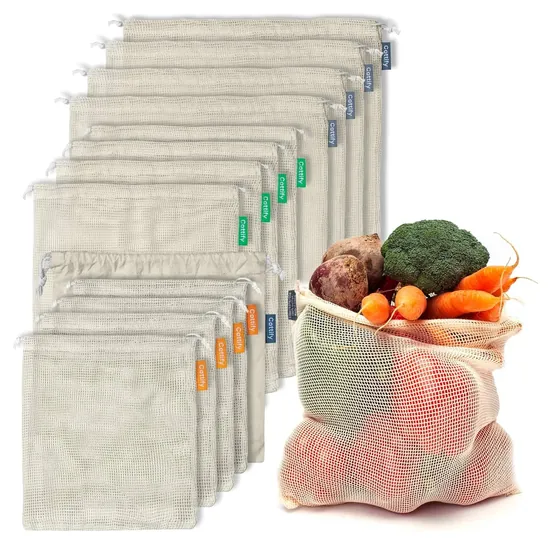
Cotton comes in two forms. Open net, like a string bag, stretches around bulky produce and lets onions and potatoes breathe, but small items slip through the holes. Solid muslin holds a little moisture, which suits greens and herbs, though you can't see inside. Cotton stains more, needs more washing and can shrink in hot water, so wash it cold and hang it to dry unless the maker says otherwise. Look for organic certification such as GOTS if a plastic-free kitchen is the goal.
Will They Keep Produce Fresher?
Not by much, on the evidence so far. Reviewed stored produce in a fabric bag set for more than a week and saw no clear freshness gain. A University of Florida extension review of mineral-treated green bags found them no better than ordinary grocery bags, except with bananas. Bag makers' own claims rest on their own trials.
What does help is the basics. The FDA advises keeping cut and perishable produce at 40 degrees or below and storing it apart from raw meat, poultry and seafood. For greens, the idea behind damp cloth bags and moisture liners is to keep leaves from drying out without leaving them wet enough to rot. Mesh bags are fine for apples, citrus and root vegetables, which mainly need airflow.
At The Store And At Home
Check the bags against your heaviest load. In the trials above, a good large bag held a bunch of kale and about five pounds of potatoes, while weaker sets tore at the side seams or had toggles that slid open. Double-stitched seams and a firm toggle, or a drawstring you can knot, keep a full bag shut.
At a scale, a tag that lists the bag's weight lets the cashier subtract it, and a mesh bag weighs a fraction of an ounce anyway. Most stores welcome your own bags, but rules vary, so ask if you're unsure. At home, rinse the bags after each trip, wash them when they get grubby, and wash any bag that touched leaking meat packaging before using it for produce again, as the FDA's produce safety advice on keeping raw meat apart suggests.
How we researched this
We compared 16 produce and fridge bags, read the makers' sizing, material and care details, used America's Test Kitchen's load, stain and wash trials and a fabric bag freshness trial at Reviewed, weighed owner feedback patterns, and checked every brand against the U.S. Consumer Product Safety Commission's recall records. None had a recall.
Frequently asked questions
Do reusable produce bags keep vegetables fresh longer in the fridge?
Only a little, if at all. Independent trials of fabric bags and mineral-treated green bags found small gains or none, with bananas the main exception. Keep the fridge at 40 degrees or below and give greens a slightly damp cloth or a moisture liner so they don't dry out.
Are mesh or cotton produce bags better?
Polyester mesh is lighter, see-through and easier to rinse clean, so it suits shopping. Cotton is plastic-free and stretches around bulky produce, but it stains more and needs more washing.
How do you wash reusable produce bags?
Follow the maker's directions. Without them, wash cold with a mild detergent and hang the bags to dry. Cotton can shrink in hot water or a hot dryer.
Will I be charged for the weight of the bag?
Most mesh bags weigh a fraction of an ounce, so it barely matters, and bags with a tare-weight tag let a cashier subtract it.
Can I use my own produce bags at any store?
Most stores accept them, but policies vary by store, so ask if you're unsure.