The 9 Best Pour Over Coffee Makers
Updated by · How we research

Cones, flat-bottom drippers, carafes and steep-and-drain brewers compared by cup style, filters and ease. The Hario V60 Ceramic leads for clean, bright coffee. When users buy our independently chosen editorial picks, we may earn commissions to help fund the Wiki.
The cone is only half the story: a gooseneck kettle, a scale and a burr grinder shape the cup as much as the brewer does, and paper or metal decides how clean it tastes. These brewers suit people who would rather control strength and flavor by hand than press a button, whether they make one mug or a full pot.


Editor's Notes
October 19, 2026, by Ezvid Wiki Admin:
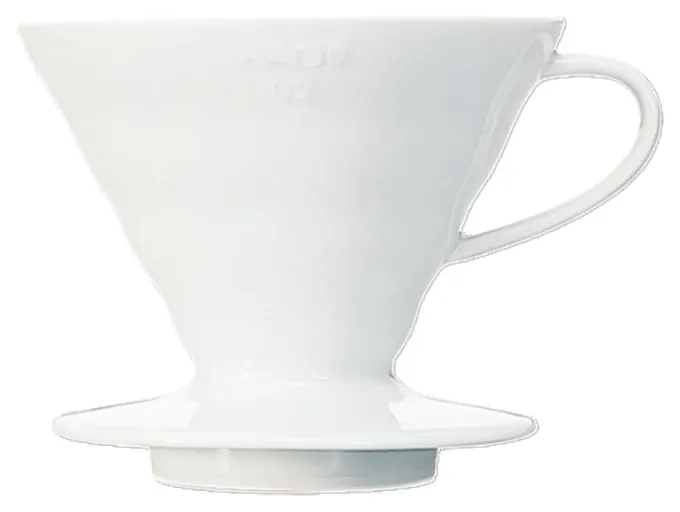
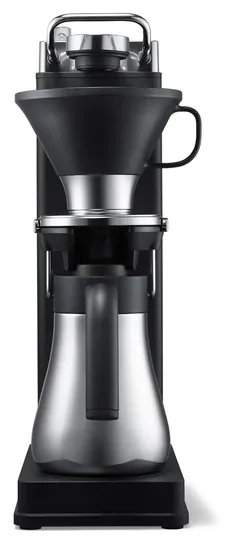
The Hario V60 Ceramic now leads, because a lab comparison that measured brew strength and ran tasting panels picked it as the best cone, and it costs little to own. The page is about hand brewers again: cones, flat-bottom drippers, glass carafes and two steep-and-drain designs, plus the Balmuda The Brew for anyone who wants a machine to do the pouring.
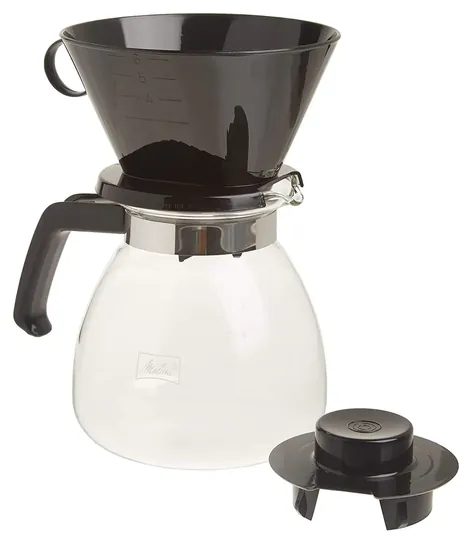
The Chemex Classic, Melitta 10-Cup Pour-Over and Bodum Pour Over stay, the Chemex in its six-cup size and the Bodum in its current cork-band version. The Cuisinart CPO-850 has been discontinued, and the Coffee Gator All-In-One and Cafellissimo Paperless are gone because of availability concerns. The Coffee Gator Brewer overlapped the Bodum with less evidence behind it, and the Oxo Good Grips Auto-Drip made thin coffee in that lab comparison. The Ratio Eight honor went too, since it's a drip machine with a page of its own.
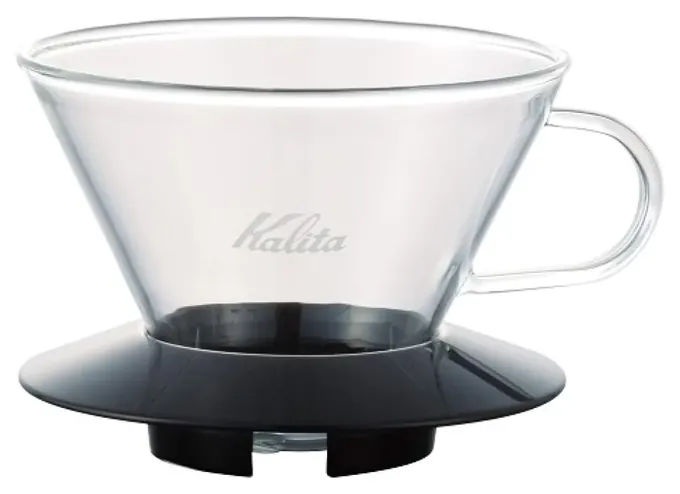
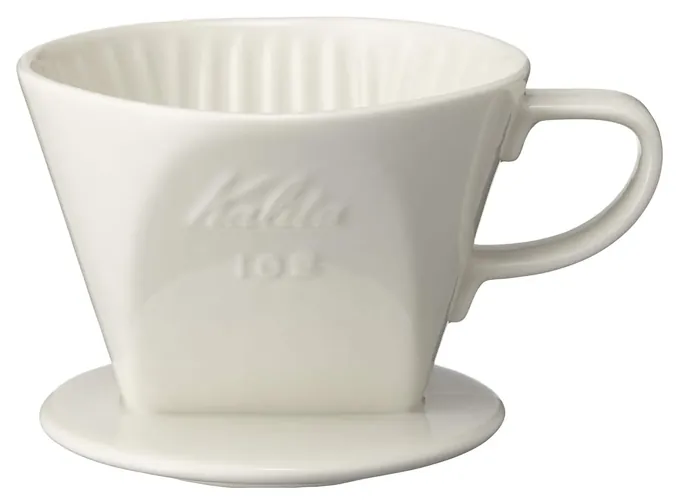
New picks are the Kalita Wave 185, the Hario Switch, the Clever Dripper and the Kalita 102. To choose them, we set America's Test Kitchen's refractometer and tasting results beside each maker's filter, material and capacity details, then looked at how each one holds up in owners' hands and checked every brand for recalls.
July 30, 2021:
We removed a relatively unheard-of model that's no longer available, but the rest of our selection remains the same. The Chemex Classic Series and Coffee Gator Brewer are both self-contained pourover units with carafes and are great for those who consider coffee an exquisite hobby. The Bodum Permanent is similarly well made and great for large batches. On the other hand, the Hario V60 is about as simple, reliable, and easy to use as they get.
February 04, 2020:
Coffee lovers have long adored the pour-over method for its versatility and the control it offers. Our list of brewers was carefully selected to cater to varying aesthetic tastes, experience levels (manual pour-over brewing can take some practice), and time constraints. For example, the newly-added Coffee Gator All-In-One, which came at the expense of the unavailable Diguo Drip Pot, is ideal for busy commuters. It's also great for keeping at the office if you'd rather avoid drip and Keurig machines. It can keep drinks hot for up to six hours and fits in most car cup holders.
If you do have time and want to savor the process, the elegant and simplistic Hario V60 is a reliable option. And while many electric brewers have yet to pass muster according to most aficionados, the Cuisinart CPO-850 and Motif Elements Glass, which is new to this list, are both pretty solid. These are ideal for beginners, people crunched for time, or anyone who wants an automated alternative to drip makers. We removed the KitchenAid Digital due to repeated complaints regarding electric problems, leaking issues, and the fact that the carafe seems to be discontinued, making it impossible to replace once broken.
Our priorities for this list included reliable, quality materials, durability, aesthetics, efficacy, and value for money. We also favored items with satisfaction guarantees and warranties for peace of mind.
October 23, 2018:
Removed Wilbur Curtis Commercial due to complaints about malfunctions. Removed Coffee Gator Standard due to availability issues. Added the Coffee Gator Brewer because of its environmentally friendly design and quality construction.
Cone, Flat Bottom Or Steep And Drain
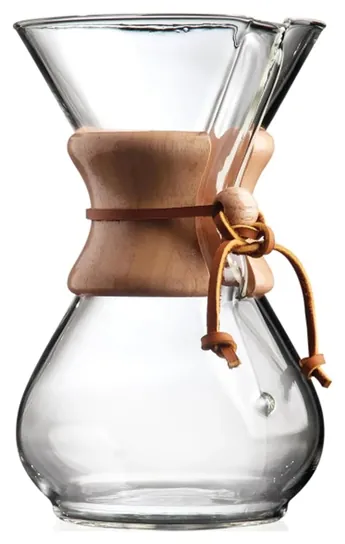
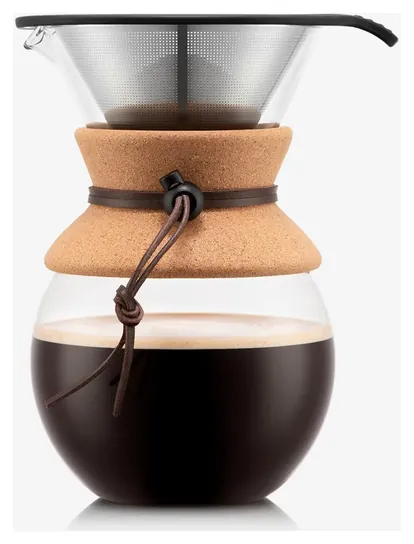
Carafe brewers such as the Chemex and Bodum brew straight into a serving pot, which helps when you pour for two or more.
The shape of the brewer decides how much the pour matters. A cone with one big hole, like the Hario V60, drains fast, so the speed and pattern of your pour change the cup. That suits light roasts and people who enjoy the ritual, but it takes practice. America's Test Kitchen measured brew strength with a refractometer and ran tasting panels, and it found flat-bottom brewers easier for beginners and cones better at bringing out bright, fruity flavors (America's Test Kitchen).
Flat-bottom drippers such as the Kalita Wave hold the grounds in a level bed and let water out through small holes at a steady rate. The cup is more even from one morning to the next. Gear Patrol picked the Wave as its best overall for that reason.
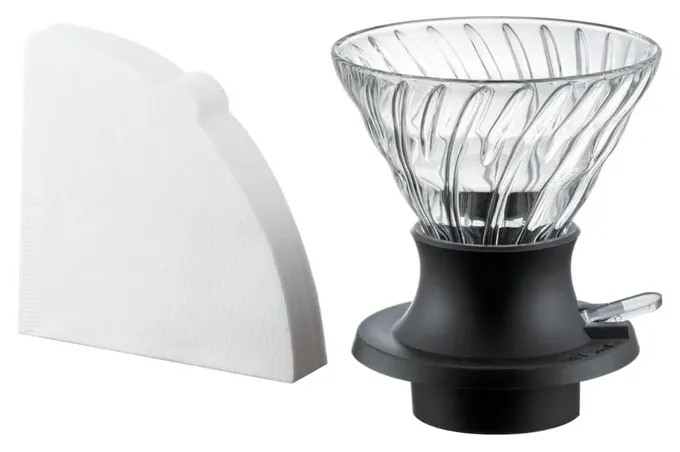
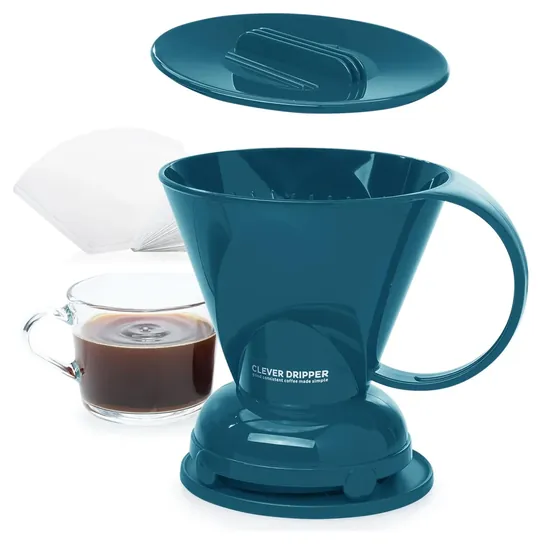
Steep-and-drain brewers, the Hario Switch and the Clever Dripper, add a valve. The coffee sits in the water like a French press, then drains through paper. They are the least fussy way in, though the cup can run strong.
Carafe brewers such as the Chemex and Bodum brew straight into a serving pot, which helps when you pour for two or more. If you'd rather press a button, the Balmuda The Brew automates the pour, and ordinary machines are covered in our guides to drip coffee makers and coffee makers.
The Kettle, Scale And Grinder Matter Too
A pour-over brewer is only part of the setup. A gooseneck kettle, with its thin spout, lets you aim a slow stream at the grounds, and testers agree that a cone like the V60 or a Chemex is hard to use well with a regular kettle (America's Test Kitchen). Flat-bottom and steep-and-drain brewers are more tolerant of a wide spout.
A kitchen scale helps more than any gadget. A common starting point is about 1 gram of coffee for every 16 to 18 grams of water, roughly 22 grams of coffee for a 12-ounce mug. Water just off the boil, around 195 to 205 degrees Fahrenheit, is the usual target. Wet the grounds first and wait 30 to 45 seconds for the "bloom," when trapped gas escapes, then pour the rest in slow circles. A single cup takes about three to four minutes.
Grind matters as much as the pour. Aim for medium to medium-fine, about like table salt, for cones and flat-bottom drippers, and a little coarser for a Chemex. A burr grinder makes even particles. A blade grinder makes dust and chunks, which can clog the filter and give a bitter, sour mix. If the brew drains too slowly and tastes bitter, go coarser; if it rushes through and tastes thin, go finer.
Filters, Glass And Ceramic Care
Paper and metal filters give different cups. Paper traps most of the coffee's oils and fine particles, so the brew is clean and light. Chemex papers are thicker still. Steel mesh filters, like the one in the Bodum Pour Over, let the oils through, so the coffee is fuller, with a little silt at the bottom. Metal filters last for years, but they need a rinse and a scrub so old oils don't turn rancid. Check which paper your brewer needs before you buy: the Kalita Wave and Chemex use their own shapes, while the Clever Dripper and Melitta take common cone filters.
Material changes the temperature. Ceramic holds heat once it's warm, while glass and plastic give it up faster, so rinse any brewer with hot water first. Most glass brewers are borosilicate, which handles hot water but can still crack from a sudden temperature change or a knock. Seattle Coffee Gear's Chemex care guide says to let the glass cool before washing, never to put it in the microwave, and to remove the wood collar and leather tie before cleaning (Seattle Coffee Gear).
For ceramic, buy glazed pieces from known makers. The Food and Drug Administration sets limits on how much lead may leach from ceramic food ware and has warned about some imported pottery (FDA). None of the brands on this list had a recall for a pour-over brewer in the Consumer Product Safety Commission database. Keep hot kettles and carafes out of children's reach.
How we researched this
We compared 18 pour-over brewers and sets, read the makers' specs for the nine picks, weighed America's Test Kitchen's refractometer and tasting results and Gear Patrol's comparison, analyzed owner feedback, and checked every brand for recalls with the U.S. Consumer Product Safety Commission. The 3D models are built from published dimensions.
Frequently asked questions
Is pour-over coffee better than a drip machine?
It can be. By hand you control water heat, pour speed and timing, which many drip machines don't. A good machine is more consistent for a full pot with no effort, so it comes down to whether you enjoy the process.
Do I need a gooseneck kettle for pour-over?
For a cone like the Hario V60 or a Chemex, it helps a lot, because the thin spout lets you pour slowly and evenly. Flat-bottom and steep-and-drain brewers such as the Kalita Wave, Clever Dripper and Hario Switch work fine with a regular kettle.
What grind size is best for pour-over?
Medium to medium-fine, about like table salt, for most cones and flat-bottom drippers, and a little coarser for a Chemex. Adjust by taste: go coarser if the cup is bitter and slow, finer if it is thin and fast.
How long does pour-over take?
About three to four minutes of brewing for one cup, including a 30- to 45-second bloom at the start. A full Chemex or Melitta pot takes a few minutes longer.
Paper or metal filter: which is better?
Paper gives a cleaner, lighter cup and you throw it away. Metal lets oils through for a fuller body with some sediment, costs nothing to run and needs regular scrubbing.
Can you make iced coffee with a pour-over brewer?
Yes. Brew a stronger batch straight onto ice in the carafe, using roughly a third less hot water and replacing it with ice. The Balmuda The Brew also has an iced mode.