The 10 Best Pet Trackers
Updated by · How we research

Cellular GPS, radio and Bluetooth trackers for dogs and cats, compared on accuracy, battery life and fees. The Tractive DOG 6 leads for most dogs. When users buy our independently chosen editorial picks, we may earn commissions to help fund the Wiki.
Most GPS pet trackers stop working the day you stop paying, because live location travels over cell networks and the plan comes with the device. Fee-free trackers do exist, but they rely on radio homing or nearby phones and cover far less ground. This guide is for dog and cat owners choosing the right trade-off for an escape artist.


Editor's Notes
November 1, 2026, by Ezvid Wiki Editors:
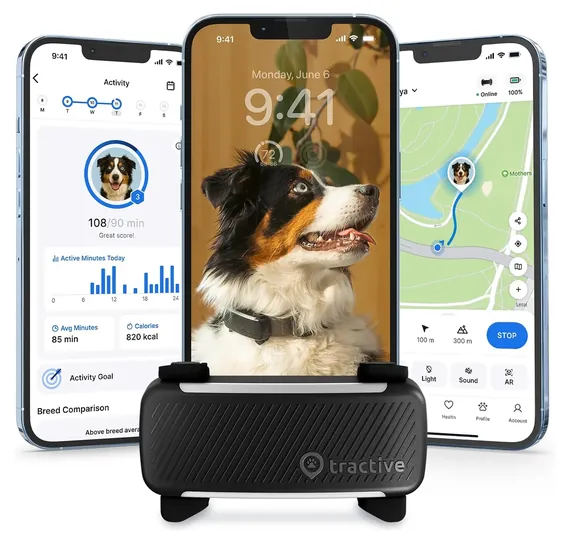
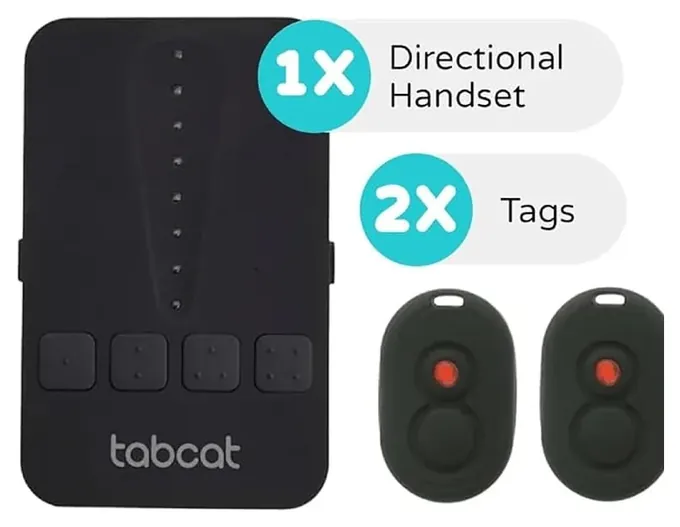
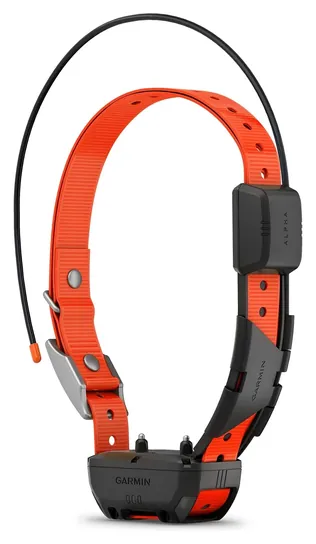
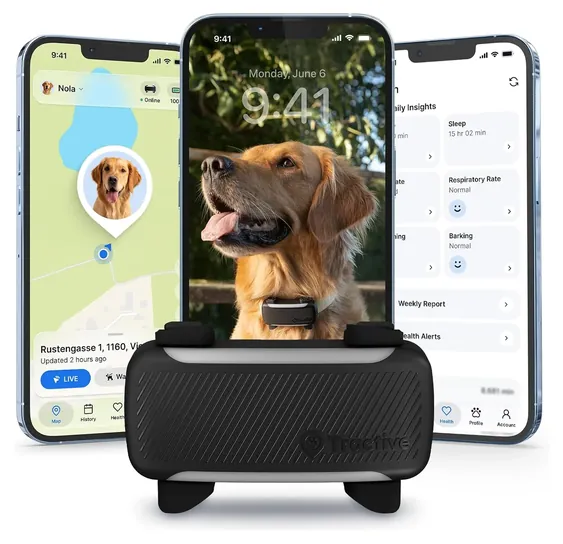
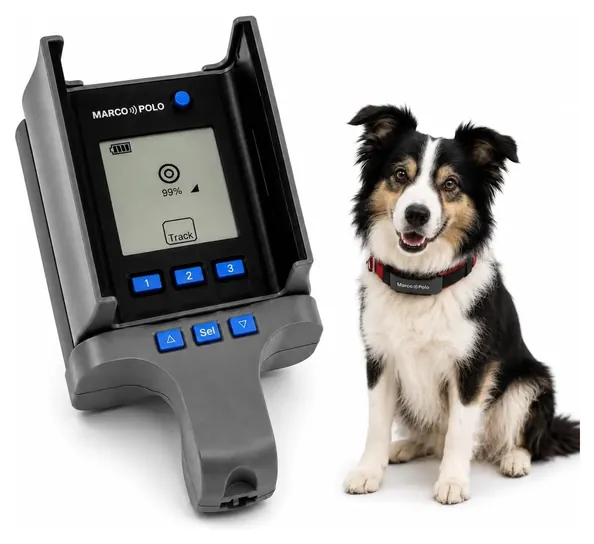
The Tractive DOG 6 now leads. It was the most accurate cellular tracker in independent field tests, it works on all three major U.S. networks, and it doesn't cost much to buy. The catch for every cellular tracker is the monthly plan, so this version also covers the fee-free kinds: the Tabcat V2 and Marco Polo Advanced use radio homing, and the Garmin Alpha TT 25 talks by radio to a handheld.
Only the Marco Polo survives from the earlier version. Whistle shut down its service in 2025, and the Link AKC Plus, PetFon GPS, FitBark GPS, Cat Tailer and Pawfit 2 have left the market. The Tractive 3G ran on 3G networks that U.S. carriers have shut down. We dropped the Dynotag ID and The Cat Caller because they don't track location.
The ranking leans on two field tests that ran several collars side by side through towns and woods, a cat tracker roundup, each maker's battery and plan terms, owner complaints about coverage and fees, and CPSC recall records, which showed nothing for these brands.
Earlier notes
April 29, 2021, by Will Rhoda:
For the most part, this list still seemed to be in good shape, and included some of the best options on the market, but we did identify a few places to improve on things, starting by removing the Loc8tor Tabcat, which wasn’t available at the time of this update’s publication.
We replaced the Link AKC Smart Collar with its logical successor: the Link AKC Plus. Aesthetically, the Plus sports a style that’s quite similar to the company’s original model, but this version benefits from firmware upgrades that improve the unit’s accuracy, and it also offers better battery life.
We added the Pawfit 2 to our list, despite noticing some complaints of questionable accuracy and spotty connectivity with the app. Our leniency in this respect came down to acknowledging that virtually every prominent option in this category had some such complaints attached to it, and appreciating that the Pawfit 2 had some standout features that deserved to be recognized by our rankings.
What were those features? Well, we liked that it issued temperature warnings, which might not be overly useful, but it could also save your four-legged friend’s behind once or twice, if you live in a cold climate and you’re the sort of absent-minded pet owner who has been known to be guilty of leaving your pet outside for longer than you intended. And, we also liked the unit’s text-to-speech functionality, which will identify your pet and let a stranger know where to return it, if it ever gets lost and found before you realize it’s missing. Granted, that’s really just a techy spin on a traditional engraved collar tag, but it still serves a purpose. Last but not least, we liked that it notifies you anytime it’s removed from your pet’s collar, which is a step toward guarding against deliberate petnapping, and not just accidental loss.
If what you’re looking for isn’t so much a loss-prevention device, but rather a capable tracking unit to take your dogs out hunting with, then you might find that you have better luck with our list of GPS dog collars.
March 19, 2020, by Jeff Newburgh:
One of the most important factors to consider with a pet tracker is how well it can ensure an animal's overall safety, regardless of the environment in which it lives. These devices provide you with peace of mind and visibility into your dog or cat's behavioral patterning and physical whereabouts. This is accomplished through a variety of GPS, Bluetooth,and/or cellular network technologies that are built into our selection so that you're always connected to a pet in one way or another.
We've done our best to present options that not only satisfy the expected status quo for keeping Fido as safe as possible, but that also go above and beyond to provide additional insight into a pet's daily life and how they interact with the world around them.
The Whistle Go Explore, for example, provides any combination of email, text, and app alerts when your dog leaves a designated safe zone, but it also offers monthly monitoring and reporting of a pup's scratching, eating, and sleeping behaviors, some of which can clue you into his overall well-being and whether or not preventive measures may be needed. For the more adventurous human-canine duo, we've included the PetFon GPS, which delivers a tracking range of nearly 3.5 miles in open territory.
Self-contained systems like the Eureka Marco Polo eliminate the need for expensive cellular contracts or dependence on GPS technology, which comes in handy if you travel to places with poor network coverage.
For those who want more than just a tracking solution, we've also added the FitBark GPS, as it can be linked with Fitbit, Apple Watch, Apple HealthKit, and Google Fit devices, allowing both human and canine companion to meet their fitness goals together.
Some of our options, like the Loc8tor Tabcat and Cat Tailer, are dedicated to tracking felines when they happen to wander off. From personal experience, I can tell you that cats, as independent as they may be, are even more difficult to track down than many dogs when they have a mind of their own. Just in the last 6 months alone, I've returned a neighbor's lost cat several times after finding him wandering the street (and nearly hit by a car), thinking to myself how useful it would be if his owner were to equip him with a tracker on his collar and not just a phone number engraved into his tag.
Few people want the mental anguish of spending hours posting lost pet flyers around their neighborhood when they could use one of these trackers for added insurance. While these devices may not be miracle workers, they can help to increase the odds of saving your pet's life at the crucial moment and bringing them back home quickly and safely.
Special Honors
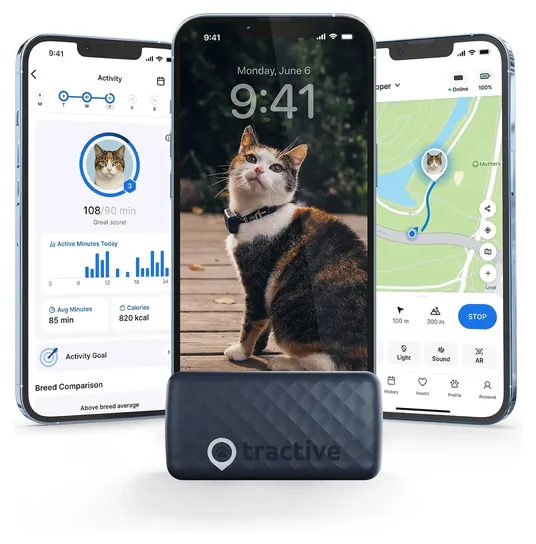
Tractive CAT 6 Mini Tractive's newer cat tracker is smaller than the Smart Cat model and, per the maker, runs up to about a week per charge with power-saving zones. Cats.com named it its top cat tracker. Tractive sells it on its own site, and it uses the same paid plans. tractive.com
AAHA Universal Pet Microchip Lookup A tracker only helps while it's charged and on the collar. The American Animal Hospital Association's free lookup shows which registry holds a microchip number, so you can confirm your pet's chip is registered with current contact details. petmicrochiplookup.org
GPS, Radio Or Bluetooth: Pick The Right Kind
They work anywhere there's signal, across town or across the country, but they need a monthly or yearly plan and they go quiet in dead zones.
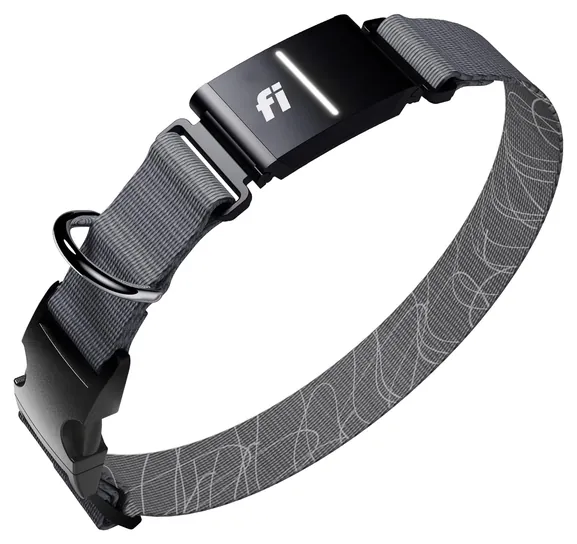
Pet trackers come in four kinds, and the label "GPS" hides big differences. Cellular GPS trackers, such as the Tractive DOG 6, Fi Series 3+ and Life360, find their position by satellite and send it over a cell network to your phone. They work anywhere there's signal, across town or across the country, but they need a monthly or yearly plan and they go quiet in dead zones. Treeline Review and Outdoor Life both ran several collars side by side and found real gaps in accuracy, with some trackers placing a dog a couple hundred yards off.
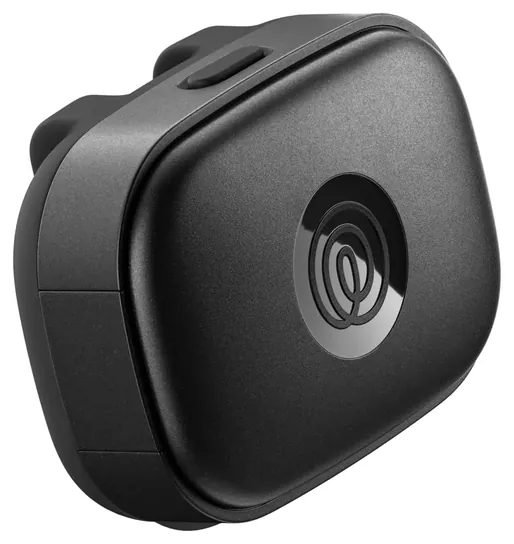
Radio homing trackers, such as the Tabcat V2 and Marco Polo, have no map. A handheld receiver points toward a tag and beeps louder as you close in. They cost nothing to run and excel at finding a cat under a deck, but range is short: Cats.com puts the Tabcat at about 400 feet outdoors. Hunting systems such as the Garmin Alpha TT 25 add GPS to a long-range radio link, reaching miles with no cell service, but they need a handheld and suit bigger dogs.
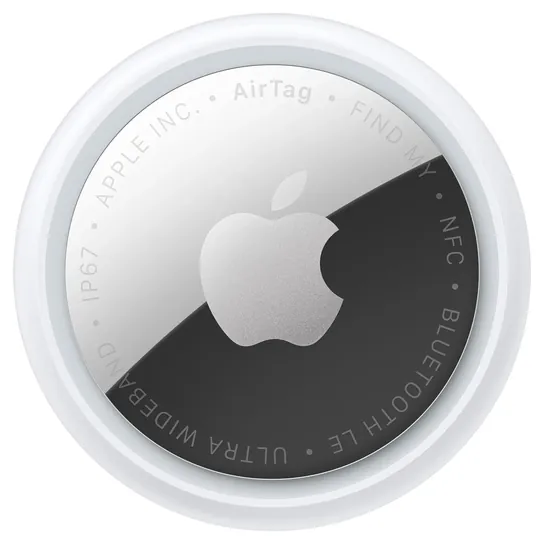
Bluetooth tags, including the Apple AirTag and Samsung Galaxy SmartTag2, borrow other people's phones to report location. They're cheap and fee-free, and they work well in a busy neighborhood, yet they can go silent on a farm or a trail.
Battery Life, Fees And What Happens If The Company Quits
Battery claims depend on settings. Tractive rates its standard dog tracker at up to two weeks if you set your home as a power-saving zone, but about six days without one. Live mode, which updates every few seconds during a search, drains any tracker in hours, so charge on a schedule and keep a cable by the door. Fi claims up to three months for the Series 3+, and Treeline measured about 10 weeks.
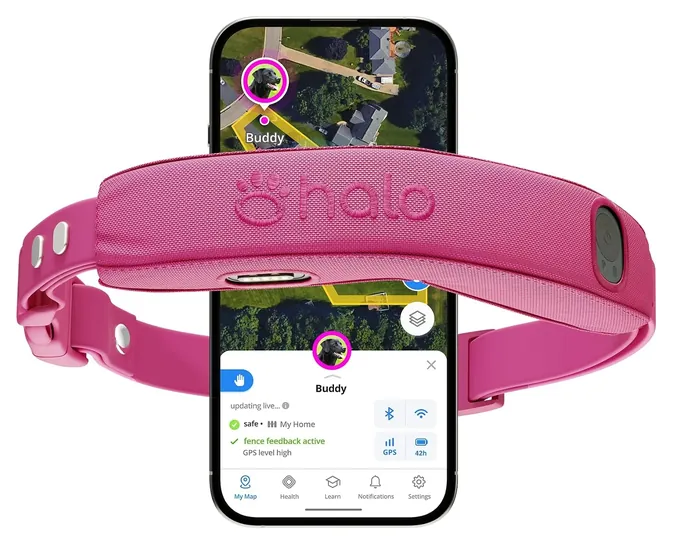
Fees add up faster than the hardware. Tractive's monthly rate drops the more years you prepay, and Tractive's plan page lists the current terms. By Treeline's figures, a year of Fi membership costs more than the Fi collar itself, and Outdoor Life notes the Halo collar needs a monthly plan on top of its high price. Life360 includes a year of its Silver membership with its tracker, then renews. Radio and Bluetooth trackers have no fee at all, so over three or four years they can cost far less.
A cellular tracker only works while its company keeps the servers running. Whistle owners learned this in 2025: after Tractive bought the company, Whistle devices stopped working on Aug. 31, 2025, and owners were offered a switch to Tractive. Check carrier coverage too. Treeline notes that Fi runs on AT&T only, while Tractive uses AT&T, Verizon and T-Mobile.
A Tracker Is Not ID: Microchips, Collars And Safety
No tracker replaces a microchip and a tag with your phone number. The American Veterinary Medical Association says a microchip is not a GPS device; it only helps once someone scans the pet, and only if the chip is registered with current contact details. Trackers run out of charge and fall off. A chip doesn't.
Fit matters as much as features. Tractive sizes its trackers by weight: its standard dog model for dogs over about 9 pounds, the XL for dogs over 44 pounds, and its cat tracker for cats over about 6.5 pounds. Cats should wear a breakaway collar, which pops open if it snags. Cats.com points out the downside: a breakaway collar can leave you tracking a collar in a hedge instead of the cat.
Two safety points apply to some picks. Bluetooth tags such as the AirTag run on a small coin battery that's dangerous if swallowed, so use a sealed, screwed-shut holder on a dog that chews. And collars that add static correction, including the Halo Collar 5 and the Garmin Alpha TT 25, are training tools: both can run on tone or vibration alone, and some countries restrict or ban static collars.
How we researched this
We compared 18 current pet trackers across cellular GPS, radio and Bluetooth types, read the makers' specs and plan terms for the 10 finalists, weighed two independent field tests of GPS dog collars and a cat tracker roundup, analyzed owner feedback on coverage, battery life and fees, and checked every brand against CPSC recall records.
Sources (11)
- Treeline Review: Best GPS dog collars
- Outdoor Life: Best GPS dog collars
- Cats.com: Best cat trackers
- Rebarkable: Best GPS trackers for dogs
- Tractive: GPS tracker for dogs
- Tractive: Whistle transition
- Fi
- Life360: Pet safety
- AVMA: Microchips reunite pets and families
- Wikipedia: Whistle (company)
- CPSC SaferProducts.gov
Frequently asked questions
Is there a pet tracker with no monthly fee?
Yes, but not one with live GPS over the internet. Radio homing trackers such as the Tabcat V2 and Marco Polo Advanced, radio GPS systems such as the Garmin Alpha TT 25, and Bluetooth tags such as the AirTag cost nothing to run. Cellular GPS trackers all need a plan.
Which pet tracker is the most accurate?
Among cellular trackers, Treeline Review's field tests found the Tractive DOG 6 the most accurate, with Fi less precise and Petcube the least. For a pet hiding nearby, a radio homing tracker can point to it more precisely than any GPS map.
Will a GPS tracker find a cat hiding indoors?
Usually not. GPS needs a view of the sky and is only accurate to several yards, so it can't say which shed or crawl space a cat is in. A radio homing tracker such as the Tabcat V2 is built for that job.
How far does a pet tracker work?
A cellular tracker works anywhere with cell signal. The Garmin Alpha TT 25 reaches a handheld up to about 9 miles away. Radio homing tags cover a few hundred feet to about half a mile, and Bluetooth tags need a phone nearby.
What happened to the Pawfit 2 and Whistle trackers?
The Pawfit 2 is no longer sold and has been replaced by newer Pawfit models. Whistle shut down its service on Aug. 31, 2025, after Tractive bought the company, so Whistle devices no longer work.
Does a tracker replace a microchip?
No. The American Veterinary Medical Association treats microchips and collar ID as a pair, and a chip only helps if it's registered with current contact details. A tracker is an extra layer for pets that escape.