The 10 Best Outdoor Thermometers
Updated by · How we research

Dials, glass tubes and wireless displays compared for accuracy, readability and placement. The Newentor Q3 leads with humidity, a forecast and a color screen. When users buy our independently chosen editorial choices, we may earn commissions to help fund the Wiki.
Where you hang it matters more than what you buy: a thermometer in afternoon sun can read several degrees high, while one in open shade, away from walls, reads the air the way weather stations do. This list covers dials and tubes for a quick glance outside, plus wireless displays for anyone who would rather read it from the couch.


Editor's Notes
October 19, 2026, by Ezvid Wiki Admin:
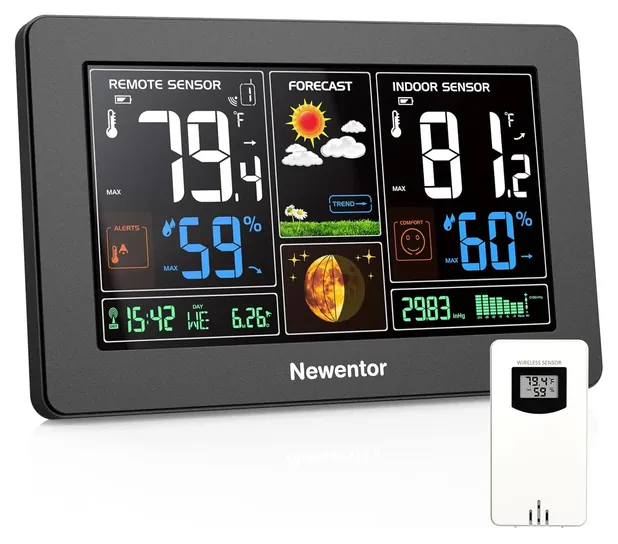
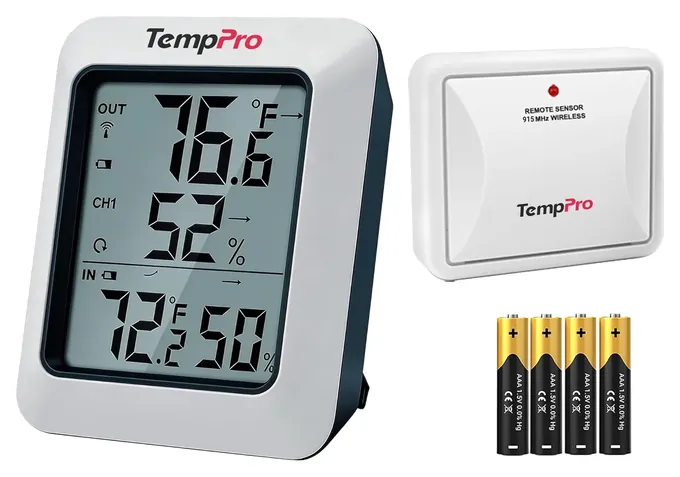
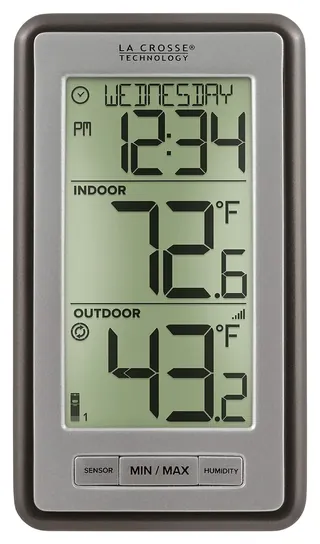
The Newentor Q3 now leads this list. One screen shows indoor and outdoor temperature and humidity, a forecast and the time, and it's the only pick here with a published field check of its sensor's range. That's a change of scope: the earlier version left out wireless indoor/outdoor units, but they're how most people check the weather now, and a sensor you can move into the shade usually beats a dial stuck on a sunny wall.
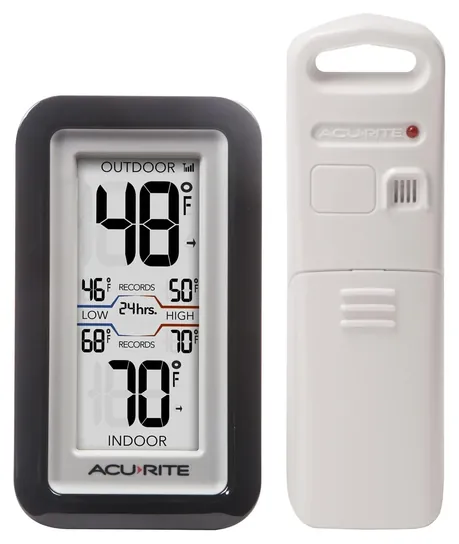
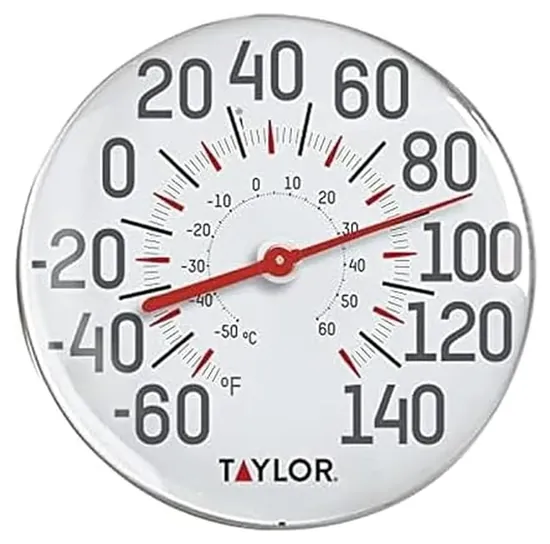
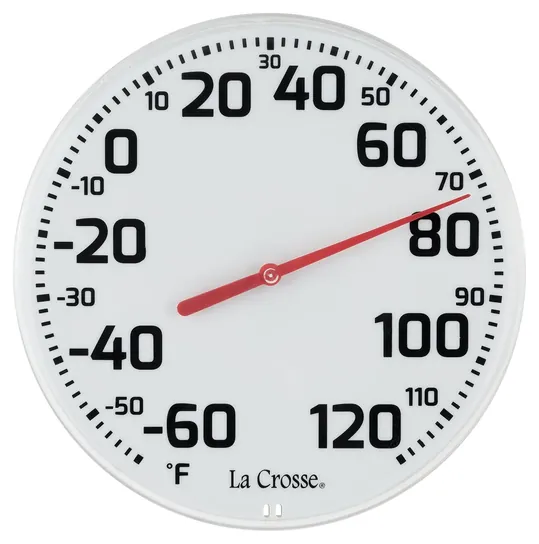
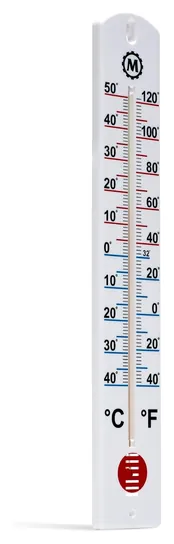
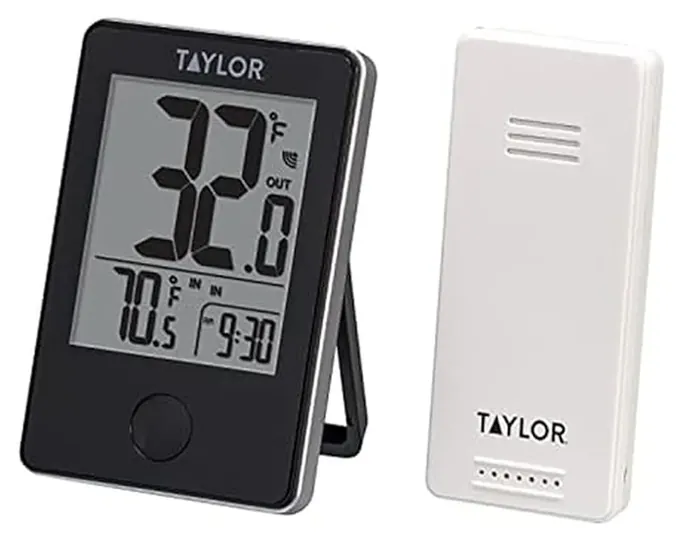
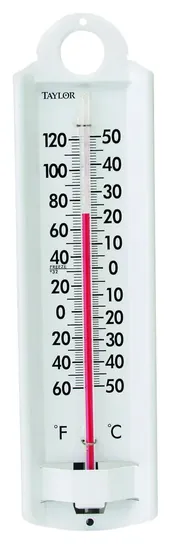
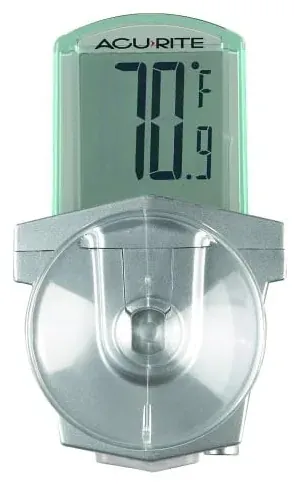
Classic dials and tubes still have a place, so the Taylor Big Read, La Crosse 104-1522, Marathon Vertical and Taylor 5135 cover them, and the AcuRite 00799 covers window mounting. None of the earlier picks made it. The Conant Vermont and WiHoo Metal are no longer for sale, the Wind & Weather Large is gone, and the Taylor Jumbo's page now describes two different dials. We couldn't find the other decorative models in current stock.
Home thermometers don't get lab tests, so we weighed makers' spec sheets against National Weather Service siting rules, one published field comparison and owner feedback, and favored models that make it easy to read the air rather than the wall.
April 27, 2020:
This list required a total overhaul; all but one item has been replaced. Most of the legacy listings were no longer available, and the few that could still be purchased were of exceptionally low quality.
We have only included traditional thermometers designed for outdoor use, omitting indoor-outdoor models that require a sensor to be placed outside to feed a digital display screen inside the house. Designs vary within the category, which includes old-fashioned vertical models with a liquid gauge and clock-style thermometers with a dial — some of which feature hygrometer markings for measuring humidity as well.
Whereas most of these are built to be mounted in a semi-permanent way (such as on a wall, fence post, or tree), the Sun Company Zip-O-Gage is a small, portable unit that fits easily into a pocket or attaches to your gear via a keyring. This one is great for campers and hikers, and it even includes a helpful chart on the back side to help you determine the wind chill based on the current conditions.
Among the more traditional models, some are mounted via a swiveling arm (the Conant Vermont, for example), and others can be attached to a window or any other glass surface via suction cups (such as the Aspects Classic). The SPI Home 33314 may seem pricey when compared with many of the other options, but we note that it serves as a high-quality decorative piece in addition to providing accurate readouts and long-term durability.
Special Honors
Ambient Weather Stations Ambient Weather makes Wi-Fi home weather stations that measure temperature, humidity, wind, rain and UV from one outdoor array, and can share readings to its online network and smart-home apps. They cost several times more than any thermometer here, which is why they sit outside the list, but they're the step up for people who want the whole picture. ambientweather.com
Davis Instruments Davis Instruments makes the weather stations many serious hobbyists and schools use, along with radiation shields, the louvered white housings that keep sun off a temperature sensor while letting air through. A shield is the single biggest accuracy upgrade for any sensor that has to sit in the open. davisinstruments.com
Dial, Tube Or Wireless: Which Kind Fits
Both read only the spot where they hang, and both take a while to settle after the sun moves.
Start with where you'll look. A round dial works by a coiled metal strip that turns the needle as it warms and cools, so it needs no power and reads from across a yard. A tube thermometer is a sealed glass tube of red liquid against a printed scale; it's slim enough for a door frame or post. Both read only the spot where they hang, and both take a while to settle after the sun moves.
A wireless set splits the job: a small sensor goes outside and a display sits indoors. You read it from the couch, and most keep the day's high and low, which a dial can't. Claimed ranges run from about 165 to 500 feet, but walls cut that down; Bob Vila's reviewers measured about 220 feet for a sensor rated at 200. Weather Station Experts puts typical real-world range at 200 to 300 feet and notes that digital units read as accurately as good analog ones.
A window thermometer sticks to the glass and needs no second unit, but sun on the pane can skew it. If you want wind, rain and UV too, that's a full weather station, a bigger purchase covered in the honors below.
Where To Hang It So It Reads True
Most bad readings come from placement, not the instrument. The National Weather Service siting guide calls for shade, open air, grass underfoot and a height of about 4.5 to 6 feet, well away from buildings, pavement, patios and eaves. Few yards allow all of that, so aim for the parts you can control: shade all day, a few feet off the ground, and air moving around it.
Walls are the usual trap. Brick and siding soak up heat by day and give it back at night, so a wall-mounted dial reads warm in the evening. The Royal Meteorological Society treats a north wall as a last resort and advises standing a sensor off the wall rather than flat against it. A fence post on the north or east side of the yard usually beats any wall.
To check a thermometer, set it, or the wireless sensor, in a glass packed with crushed ice and a little water and stir. After a few minutes it should read close to 32 F. Any steady offset is how far off it runs.
Mercury, Batteries And Cold Weather
Many people still search for a mercury outdoor thermometer, but the tube models sold for patios today use a red-dyed liquid instead. Mercury thermometers break into a toxic spill, and the EPA notes that a number of states bar the sale of mercury fever thermometers. If you inherit an old silver-fill outdoor thermometer, handle it gently, and follow the EPA's cleanup steps if it breaks.
Batteries are the weak point of wireless sets in winter. Alkaline cells lose voltage in deep cold, and the sensor can drop out right when you want the overnight low. Taylor rates its 1730 sensor to -40 F only with lithium AA cells, and that advice holds for most brands. Sensor batteries usually last about a year, less in cold climates.
A few sets, such as the Newentor Q3, also set their clocks from the national radio time signal. If that matters to you, our atomic clocks page covers clocks built around that signal.
How we researched this
We compared 19 outdoor thermometers, from dials and glass tubes to wireless displays and a full weather station, read the makers' published specs for the 10 finalists, weighed them against National Weather Service siting guidance and one published field comparison, analyzed owner feedback, and checked each brand for recalls with the U.S. Consumer Product Safety Commission. The 3D models are built from published dimensions.
Frequently asked questions
What is the most accurate type of outdoor thermometer?
Placement matters more than type. Good digital sensors and good dials both land within a degree or two; a wireless sensor wins in practice because you can move it into shade, away from walls.
Do outdoor tube thermometers have mercury in them?
Not the ones sold for patios now. They use a red-dyed liquid. Marathon states its vertical model is mercury-free, and many states restrict mercury thermometers.
Why does my outdoor thermometer read higher than the forecast?
Usually sun or a wall. Direct sun, warm siding and nearby pavement all push readings up, especially in late afternoon and evening. Move it to full shade and stand it off the wall.
Where should I put an outdoor thermometer?
In shade all day, about 4 to 6 feet up, with air moving around it, ideally on a post on the north or east side, over grass rather than concrete. Keep non-waterproof sensors under cover.
How do I check if my outdoor thermometer is accurate?
Put it, or the wireless sensor, in a glass of crushed ice and a little water and stir. It should settle at about 32 F. The difference is its offset.