The 10 Best Men's Compression Socks
Updated by · How we research

Pressure level, fabric and sizing compared across ten men's compression socks for work, travel and sport. The Sockwell Circulator is our pick for everyday wear. When users buy our independently chosen editorial recommendations, we may earn commissions to help fund the Wiki.
For most men, 15 to 20 mmHg is the place to start: it's the moderate level sold without a prescription, while firmer 20 to 30 socks call for a doctor's advice first. Fit matters as much as pressure, and it comes from a calf measurement, not shoe size alone. These picks suit desk days, long shifts, flights and runs.


Editor's Notes
October 26, 2026, by Ezvid Wiki Editors:
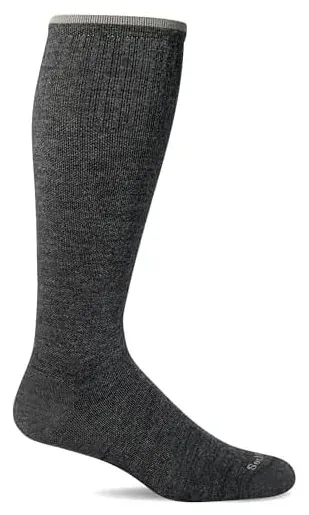
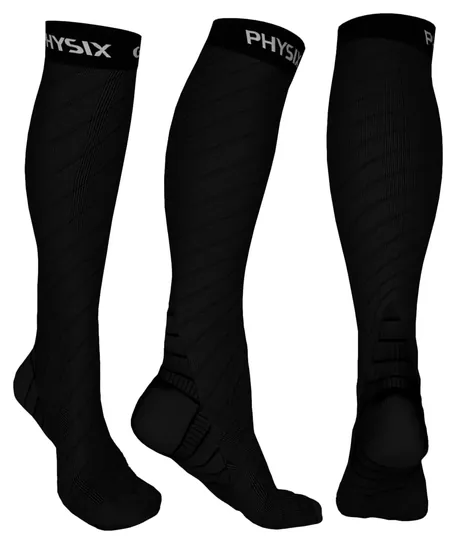
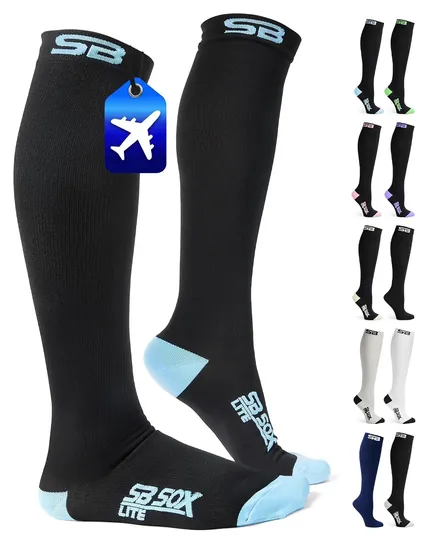
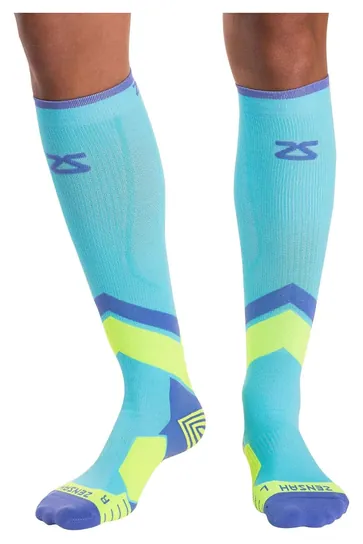
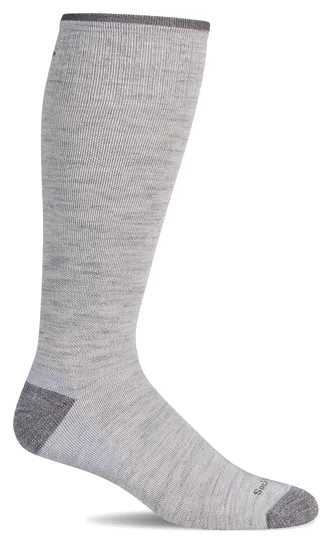
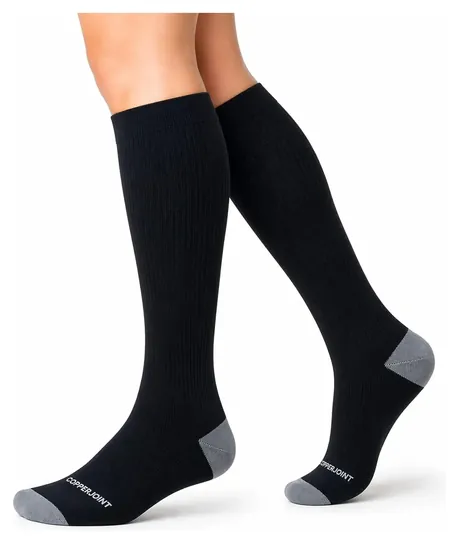
The Sockwell Circulator now leads this list. It sits at the 15 to 20 mmHg level most men should start with, and its merino and bamboo blend wears like a regular good sock instead of a medical one. The Physix Gear 20-30 mmHg, SB Sox Lite, Sockwell Elevation Firm, Zensah Tech+ and CopperJoint Long stay on, though we give copper no credit for anything beyond marketing.
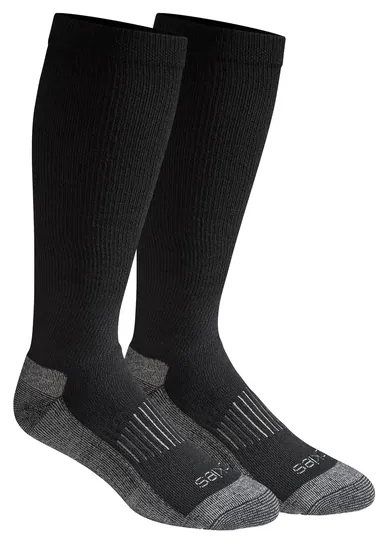
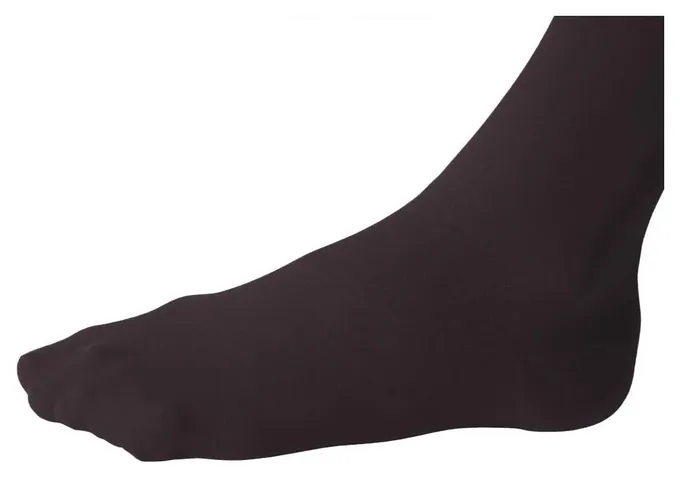
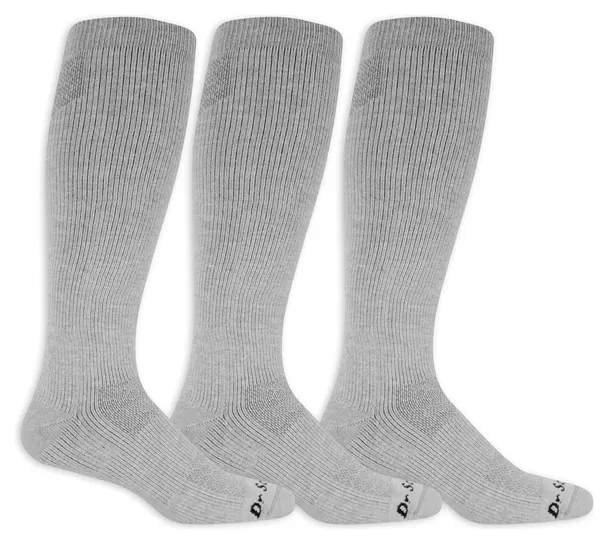
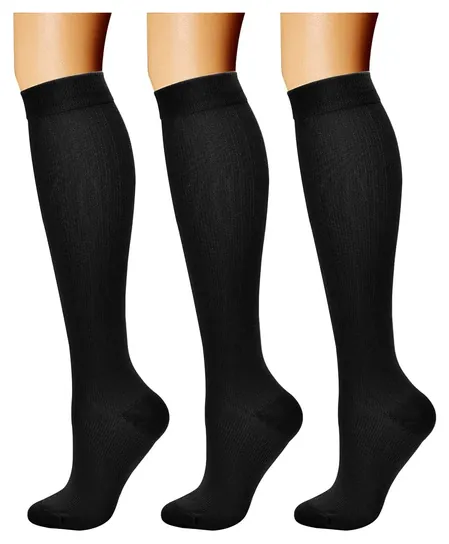
The Smartwool PhD Pro Mountaineer and Vitalsox Silver Drystat Series have been pulled from sale, and the Wanderlust Stamina Travelers and Medipeds four-pack have disappeared from stores as well. The Mojo Sports Elite now leads to a different, firmer sock that overlaps the Physix, so it's gone too. New picks fill gaps the old list left: mild work socks from Dickies and Dr. Scholl's, a dress-style option from Jobst and a cheap three-pack from Charmking.
Most pressure figures in this category come straight from the makers, and only medical brands hold their socks to clinical standards. The strongest outside evidence we found was NBC Select's two-year wear trial, which included the Physix, and a Cochrane review of stockings on long flights.
Earlier notes
June 10, 2021, by Christopher Thomas:
Nothing new to report in the field of compression socks, so we haven't changed any of our rankings and still feel that the Smartwool PhD Pro Mountaineer are the most advanced option and the best choice for most people. The Vitalsox Silver Drystat Series remain another of our favorites, du partly to the integrated silver that helps to ward off bacteria somewhat.
It's also worth mentioning that, just like with compression leg sleeves, getting compression socks that are too tight causes a significant risk of skin issues. Getting the right size, however, can improve leg health and even lower the risk of deep-vein thrombosis during extended flights.
February 26, 2020, by Melissa Harr:
Compression socks are great for a range of medical conditions, as well as for athletes and travelers, but they may not be appropriate for those with some circulation issues, nerve damage, or skin infections. Those who have such conditions are encouraged to consult a doctor before choosing a pair.
At this time, we like the Smartwool PhD Pro Mountaineer for their robust construction, a benefit the company is known for, as well as their seamless toe and fun designs. They're on the pricier end of the spectrum, but they're covered by Smartwool's two-year quality guarantee. Another seamless-toe option to consider are the Zensah Tech+, which are unisex and come in colors ranging from plain black to neon yellow. For a budget-friendly alternative to these, we've selected the SB Sox Lite; they aren't seamless, but they are comfortable enough for light use.
Athletes, especially runners, may wish to consider the Mojo Sports Elite as a full-sock alternative to a compression sleeve. They come in plenty of sizes from small to XXXL, so there is one for everyone. And, finally, we've kept the CopperJoint Long. While it's debatable that wearing copper can actually provide any health benefits, the socks themselves offer plenty of compression and are made well, so they're a viable choice, anyway.
Special Honors
Bombas Compression Socks Bombas sells its own men's compression socks in moderate pressure, with the cushioned feel its regular socks are known for, and NBC Select included a Bombas compression pair in its long-term trial. The company donates an item to people experiencing homelessness for each one sold. bombas.com
Sigvaris Sigvaris is a Swiss medical maker of graduated compression that also offers firmer prescription grades and custom fitting through medical suppliers. It's the place to look if a doctor has asked for 30 mmHg or more, where a proper fitting matters more than any off-the-shelf sock. sigvaris.com
Which Pressure Level To Pick
Firmer socks are harder to pull on, and a sock that stays in the drawer does nothing, which is why mild to moderate pressure is often the better balance for healthy legs.
Compression is measured in millimeters of mercury (mmHg), and good socks are graduated: tightest at the ankle and looser toward the knee, which helps push blood back up the leg. Four bands cover almost everything sold. Mild 8 to 15 mmHg is for light everyday comfort. Moderate 15 to 20 mmHg is the usual choice for long days standing or sitting and for travel, and it's the most common level sold without a prescription. Firm 20 to 30 mmHg is usually worn on the advice of a doctor or sports medicine provider, and 30 to 40 mmHg is prescription territory (NBC Select).
More isn't automatically better. Firmer socks are harder to pull on, and a sock that stays in the drawer does nothing, which is why mild to moderate pressure is often the better balance for healthy legs. Keep in mind that the number on most packages is the maker's own claim. Medical brands such as Jobst, Sigvaris and Medi make their garments to clinical standards, while lifestyle brands generally don't have their figures checked (Dead Soxy). If a sock lists no mmHg at all, treat it as a sport sock with a snug fit.
Measure Your Calf, Not Just Your Feet
Shoe size gets you in the right range, but the calf decides whether a sock squeezes the way it should. Measure the widest part of your calf in the morning, before swelling sets in, and compare it with the maker's chart. SB Sox and Jobst both size by leg measurements, and Jobst adds the ankle. Getting this wrong is common: one study found that just under a third of stockings worn by patients were the wrong size (Wikipedia: Compression stockings).
Put the socks on first thing in the morning, while your legs are least swollen. Turn the sock inside out down to the heel, slip your foot in, then roll it up the leg and smooth out wrinkles. A knee-high should stop about two fingers below the bend of the knee. Lotion that has fully dried, a little powder or rubber dishwashing gloves can help with firm pairs. Wash them after each wear in mild soap, let them air dry, and keep two pairs in rotation. MedlinePlus advises replacing compression stockings every three to six months so they keep their squeeze (MedlinePlus).
Flights, Long Shifts And When To See A Doctor
Travel is the best-studied use. A Cochrane review of airline passengers on flights of about seven hours or more found that compression stockings cut the rate of symptomless blood clots in the legs, and probably reduced ankle swelling. The trials were too small to say anything about serious clots that cause symptoms (Cochrane). Socks work best alongside walking the aisle and flexing your calves on long flights. For long shifts on your feet, moderate pressure for the hours you're upright is usually enough, and you don't need to sleep in them.
Some men should ask a doctor before wearing any compression. That includes anyone with peripheral artery disease, heart failure, nerve damage in the feet (including diabetic neuropathy), skin infections or open wounds (Wikipedia: Compression stockings). Numbness, tingling or color changes mean the sock is too tight. And compression socks don't treat a clot: sudden pain, warmth or swelling in one leg needs prompt medical care, not a tighter sock.
How we researched this
We compared 25 current men's compression socks, read makers' pressure ratings, fiber content and size charts for the 10 finalists, drew on NBC Select's long-term wear trial, a Cochrane review of stockings on flights and MedlinePlus care advice, analyzed owner feedback patterns, and checked every brand for recalls with the U.S. Consumer Product Safety Commission.
Sources (11)
- NBC Select: The best compression socks
- Cochrane: Compression stockings for preventing DVT in airline passengers
- MedlinePlus: Compression stockings
- Wikipedia: Compression stockings
- Dead Soxy: Compression sock brands guide
- Sockwell
- Zensah: Tech+ compression socks
- Jobst
- SB Sox
- Physix Gear Sport
- U.S. Consumer Product Safety Commission recalls
Frequently asked questions
What compression level should men wear?
Most men without a medical condition do well with 15 to 20 mmHg. Mild 8 to 15 mmHg suits light everyday comfort, and 20 to 30 mmHg or more should be worn on a doctor's advice.
What are the best compression sock brands for men?
Sockwell makes merino-blend compression socks in the U.S., Jobst and Sigvaris are medical brands with detailed sizing, and Physix Gear and SB Sox offer inexpensive moderate and firm pairs.
Are compression socks the same as compression stockings?
They work the same way. Socks usually stop below the knee, while stockings can run to the thigh or waist and are more often prescribed for medical needs.
Do copper compression socks work better?
There's no good evidence that copper in the yarn helps your legs. Judge a copper sock by its pressure rating and fit, the same as any other.
Should I wear compression socks on a flight?
A Cochrane review found that stockings reduce symptomless leg clots and probably swelling on long flights. Moderate 15 to 20 mmHg is the usual choice, along with walking and calf exercises.
How long do compression socks last?
The elastic wears out with use and washing. MedlinePlus suggests replacing compression stockings every three to six months.