The 10 Best Medical Textbooks
Updated by · How we research

Harrison's Principles of Internal Medicine leads 10 medical textbooks compared by edition and use, from anatomy atlases and physiology to ward handbooks. When users buy our independently chosen editorial recommendations, we may earn commissions to help fund the Wiki.
No single medical textbook is assigned everywhere: each school posts its own reading list, and most students end up with a few core texts, an anatomy atlas and a pocket handbook. This guide covers those standards and the big clinical references doctors keep, plus two plain-language books for patients and curious readers.
At a Glance
-
1
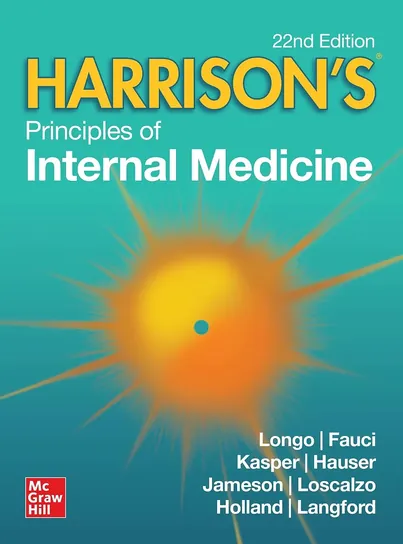
 Harrison's Principles of Internal Medicine
$179
-
2
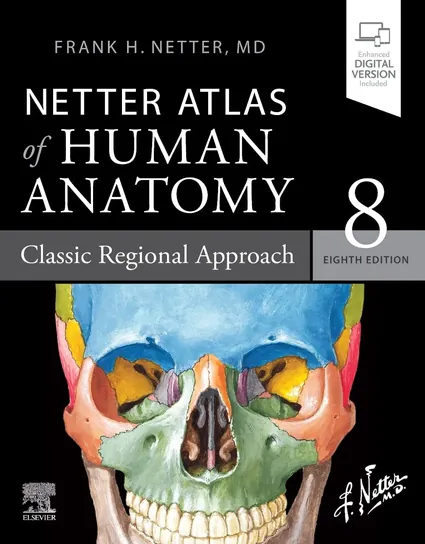
 Netter Atlas of Human Anatomy
$65
-
3
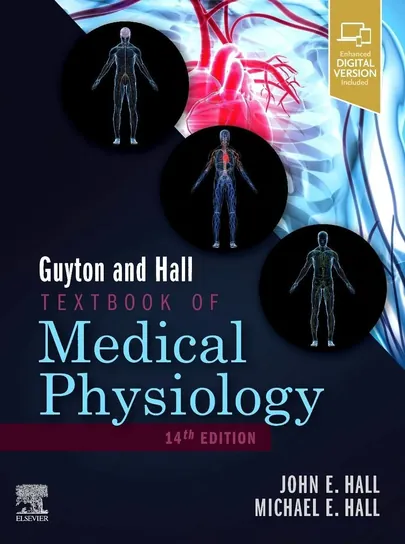
 Guyton and Hall Medical Physiology
$106
-
4
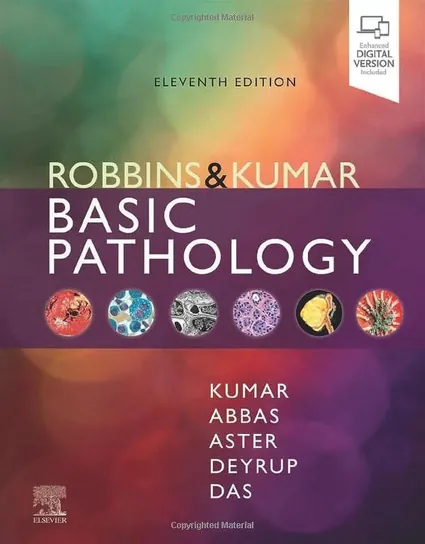
 Robbins & Kumar Basic Pathology
$79
-
5
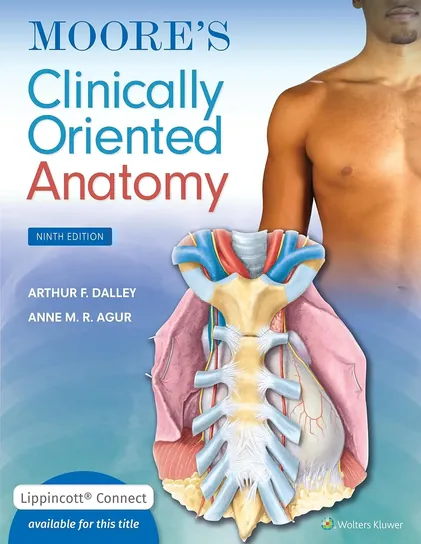
 Moore's Clinically Oriented Anatomy
$121
-
6
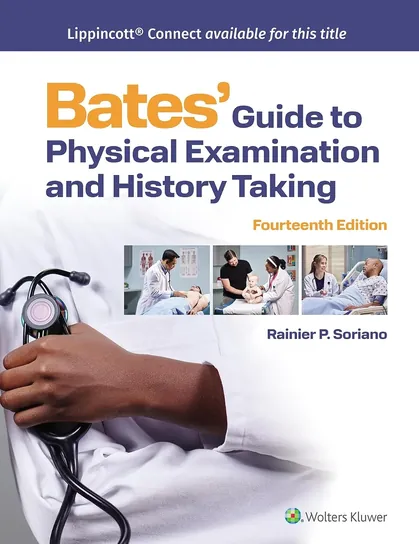
 Bates' Guide to Physical Examination
$152
-
7
 Braunwald's Heart Disease
$246
-
8
 Pocket Medicine
$62
-
9
 Merriam-Webster's Medical Dictionary
$7
-
10
 DK The Complete Human Body
$38
Editor's Notes
November 1, 2026, by Ezvid Wiki Editors:
No other single book covers adult medicine as completely as Harrison's Principles of Internal Medicine, and its current edition is from 2025, so it takes the top spot. The old list had drifted toward drug handbooks, a nursing text and specialty books in 2019 to 2021 editions, some down to their last copies, so Current Medical Diagnosis and Treatment, the Nursing Drug Handbook, Williams Endocrinology, Murray & Nadel, the infectious disease and heart pathophysiology texts and Medical-Surgical Nursing are gone.
The new list follows a medical student's path: Netter Atlas of Human Anatomy, now in its eighth edition, and Moore's Clinically Oriented Anatomy for the first year, Guyton and Hall Medical Physiology and Robbins & Kumar Basic Pathology for the basic sciences, then Bates' Guide to Physical Examination and Pocket Medicine for the wards. Braunwald's Heart Disease is the one specialty reference. Merriam-Webster's Medical Dictionary replaces a self-published terminology primer, and DK The Complete Human Body serves readers outside medicine.
We checked every book's edition and date against the publishers' catalogs and Wikipedia's histories of the classic titles, and compared a medical school's reading list. Gray's Anatomy is the famous absence: a 43rd edition appeared in December 2025, and we'll add it once it's easy to buy rather than list the old one.
Earlier notes
December 2, 2020, by Gia Vescovi-Chiordi:
Any medical field will have textbooks that require constant updating as research and development continue to make strides, so our first priority was to ensure every title on this list was in the most current edition. That meant updating basically every selection here save Medical Terminology, which is still widely useful even if it's from about two years ago.
Because we had both Pathophysiology of Heart Disease and Braunwald's Heart Disease, we wanted to eliminate one to make the most use of our list by bringing in another focus. So we said goodbye to Braunwald's text, as Pathophysiology of Heart Disease is lauded and loved by students everywhere for its narrative style and bevy of useful features. Joining the ranks is the critical Nursing Drug Handbook, an extremely comprehensive and up to date guide for nurses, other clinicians, and anyone interested in pharmacology. Not only does it cover common and uncommonly used drugs, but it also goes over vitamins, minerals, drug abuse, vaccines, adverse reactions, and more, and includes black box warnings to draw attention to safety issues.
We added Netter's Atlas of Human Anatomy, a must-have book that rivals many anatomy books, according to a plethora of medical professionals. While it doesn't have pictures of actual cadavers, it's packed with beautifully rendered illustrations by an artist-physician that help showcase the body region by region in a clear and easily understood way. There's also a version that's printed as a coloring book for students who want to reinforce what they're learning via a more hands-on method.
February 28, 2019, by Quincy Miller:
Current Medical Diagnosis and Treatment earned a top spot because it's the title most likely to be useful to the widest range of users. Everyone from first-year students to practicing clinicians is likely to find it helpful. We've included books that we feel are the definitive look at their respective field of study, such as Murray & Nadel's Respiratory Medicine and Williams Endocrinology; those tomes are likely to be as useful for students of other disciplines who just want an overview of the subject as they are for dedicated practitioners. Similarly, there are other editions on this list, such as Medical-Surgical Nursing, which are designed to provide students with a broader look at the medical field rather than dialing in on a specific ailment or body system.
Special Honors
OpenStax Anatomy and Physiology 2e OpenStax, a nonprofit publisher at Rice University, offers this college anatomy and physiology textbook free online and as a PDF, with a low-cost print option. The second edition came out in 2022 under a Creative Commons license. It's built for two-semester undergraduate courses, which makes it a good no-cost start for premed and nursing students. openstax.org
Visible Body Visible Body, now part of Cengage, makes 3D anatomy software for students and teachers. Its VB Suite runs in a web browser on several kinds of devices and adds animations, quizzes and flashcards to rotating models of body systems. Schools can buy group subscriptions and institutional licenses, so check whether yours already provides access. visiblebody.com
Start With Your School's List, Then Fill The Gaps
Review books for board exams are a separate purchase and aren't covered here.
Medical schools publish their own textbook lists, and they differ. The University of Central Florida, for example, keeps a course-by-course list for its clinical year, and many schools give students library access to the digital versions. Check that list first, then buy only what you'll open often.
For the first two years, most students need a physiology text, a pathology text and an anatomy text paired with an atlas. Elsevier's student guide to basic science books names Guyton and Hall for physiology and Robbins & Kumar for pathology; it's the publisher's own list, but those two show up on school lists too. Anatomy courses usually assign a written text such as Moore's or Gray's Anatomy for Students, with Netter's paintings as the visual companion.
Once the wards start, the needs change. A history-and-exam guide such as Bates' teaches bedside skills, and a pocket handbook covers quick checks. A whole-of-medicine reference such as Harrison's earns its shelf space in the clinical years and beyond, and a specialty reference like Braunwald's only makes sense once you're headed into that field. Review books for board exams are a separate purchase and aren't covered here.
Edition Dates Matter More For Some Books
Clinical books age fast. Treatment guidance, drug choices and diagnostic criteria change between editions, which is why Harrison's went from its 21st edition in 2022 to its 22nd in 2025, according to Wikipedia's history of the book. A clinical reference more than a few years old can steer a reader toward outdated care, so read the edition line and year before buying.
Basic science ages slowly. Anatomy hardly changes, and physiology and pathology shift in details rather than foundations, so an older edition of an atlas or a physiology text is a reasonable way to save. Elsevier still sells the 14th edition of Guyton and Hall and the 8th edition of the Netter atlas as current.
Watch for two traps. First, many covers advertise a bundled digital version, but the access code usually belongs to the first buyer, so a used copy may come without it. Second, the most famous name isn't always the current one: Gray's Anatomy, first published in 1858, reached its 43rd edition in December 2025, so a 42nd-edition copy is now a generation behind.
Weight, Digital Copies And Books For Lay Readers
The big references are heavy. Harrison's comes as a two-volume set, and Braunwald's runs past 2,000 pages in a single volume, so neither leaves the desk. Students who read on the move often use a tablet with the publisher's digital edition or a school library login, and keep print copies for the books they read cover to cover.
Free options exist for the basics. OpenStax, a nonprofit at Rice University, publishes Anatomy and Physiology 2e free on the web and as a PDF. It's written for two-semester college courses, so it suits premed and nursing students more than medical school, but it's a solid, no-cost primer.
For patients and caregivers, a medical dictionary and an illustrated guide to the body explain terms and diagrams far better than a dense clinical text. Keep one limit in mind: textbooks describe disease in general, and they can't weigh your history, test results or medicines. Use them to understand what a clinician tells you and to prepare questions, not to diagnose yourself or change a treatment.
How we researched this
We compared 20 medical textbooks and references, checked each finalist's edition, publication date and page count against publisher catalogs and the seller's details, read publishers' descriptions and the published histories of the classic titles, and looked at a medical school's reading list. Product recalls don't apply to books, and no independent tests of textbooks exist, so we weighed authorship, scope, track record and how current each edition is.
Sources (8)
- Wikipedia: Harrison's Principles of Internal Medicine
- Wikipedia: Gray's Anatomy
- Elsevier Student Hub: top basic sciences books
- Elsevier: Guyton and Hall Textbook of Medical Physiology
- Elsevier: Netter's Atlas of Human Anatomy, Classic Regional Approach
- UCF College of Medicine: student textbooks
- OpenStax: Anatomy and Physiology 2e preface
- Visible Body
Frequently asked questions
What is the most famous medical textbook?
Gray's Anatomy, first published in 1858, is the best-known name, and Harrison's Principles of Internal Medicine, first published in 1950, is the standard reference for internal medicine. Both are still updated: Harrison's reached its 22nd edition in 2025, and Gray's its 43rd in December 2025.
Which textbooks do first-year medical students need?
Usually an anatomy text with an atlas, a physiology text and, by the second year, a pathology text. Your school's reading list comes first, since courses differ and many libraries provide digital copies.
Is an older edition good enough?
For anatomy and basic physiology, often yes, since those subjects change slowly. For clinical books, such as internal medicine references and drug guides, an old edition can hold outdated treatment advice, so buy the current one.
Do these books include a digital version?
Many new copies from Elsevier and Wolters Kluwer come with an online access code, shown on the cover. The code usually works once, so a used copy may not include working digital access.
Can a non-student learn from a medical textbook?
Yes, though a dictionary or an illustrated guide is easier going. Textbooks explain disease in general and can't replace advice from a clinician who knows your case.