The 10 Best Massage Balls
Updated by · How we research

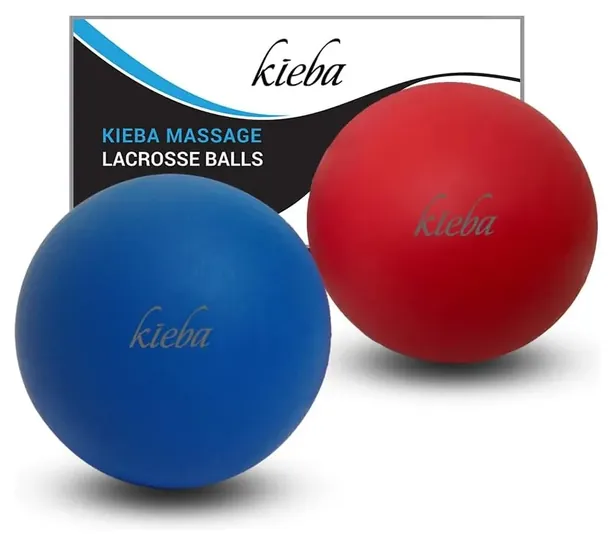
Lacrosse, latex, foam, spiky, peanut and vibrating massage balls compared on firmness, size and grip. Kieba Lacrosse Balls are the cheap place to start. When users buy our independently chosen editorial recommendations, we may earn commissions to help fund the Wiki.
A massage ball uses your own body weight, so the hardest one isn't automatically the best one: solid rubber can press on bone, while foam and latex give a little for nervous beginners. Reviews of self-massage studies find modest, short-term gains in flexibility and less soreness, useful for runners, lifters and anyone stiff from a desk.


Editor's Notes
November 1, 2026, by Ezvid Wiki Editors:
Plain solid rubber wins here: a pair of Kieba Lacrosse Balls takes the top spot, since nothing we found shows a costlier ball easing soreness more than a basic rubber one does. The page covers balls you lean on or roll by hand: smooth rubber, latex, foam, spiky, peanut, a small silicone set, cork and one vibrating ball.
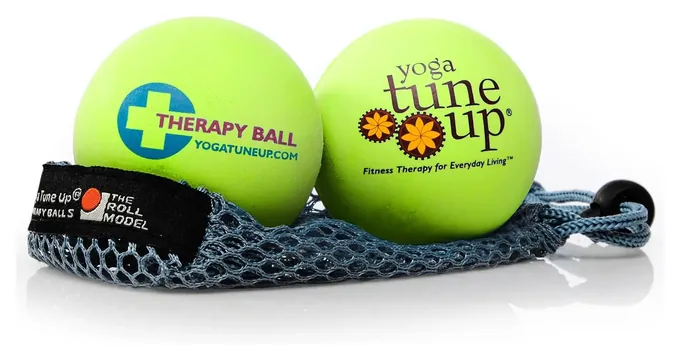
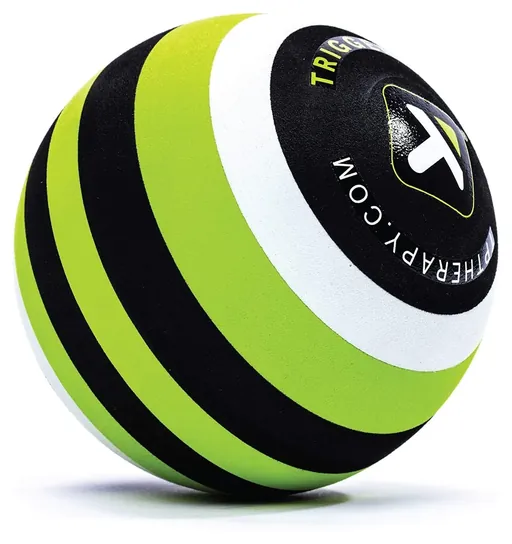
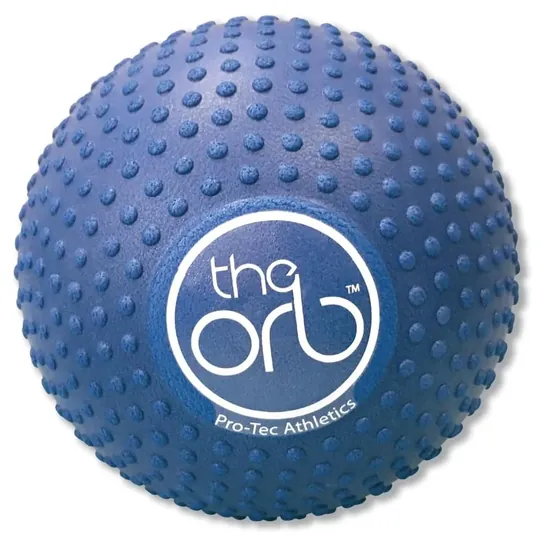
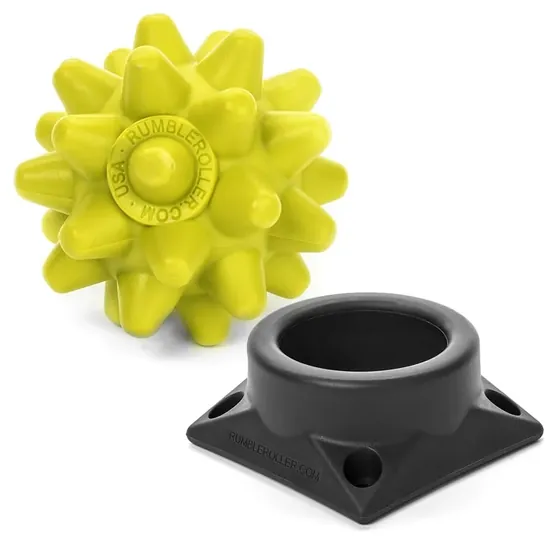
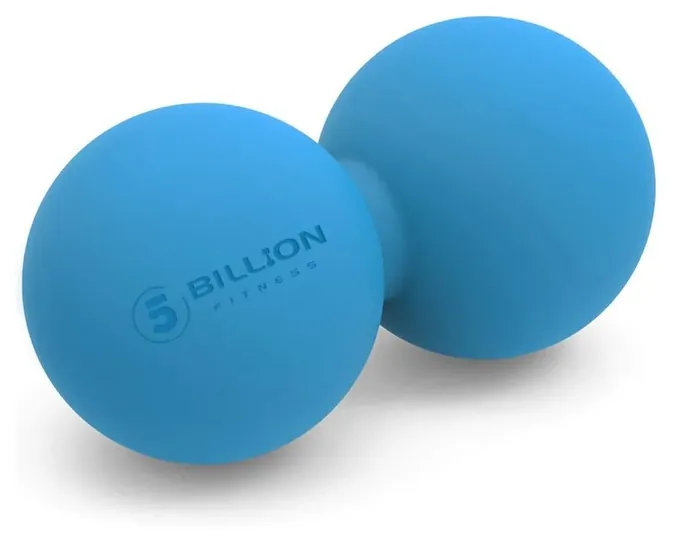
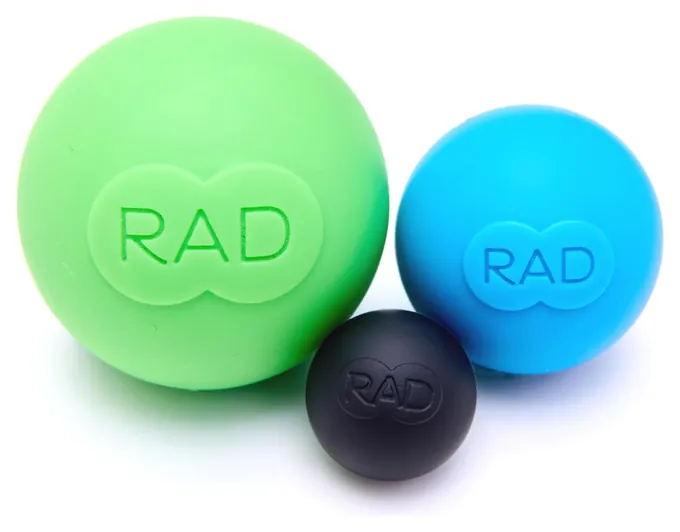
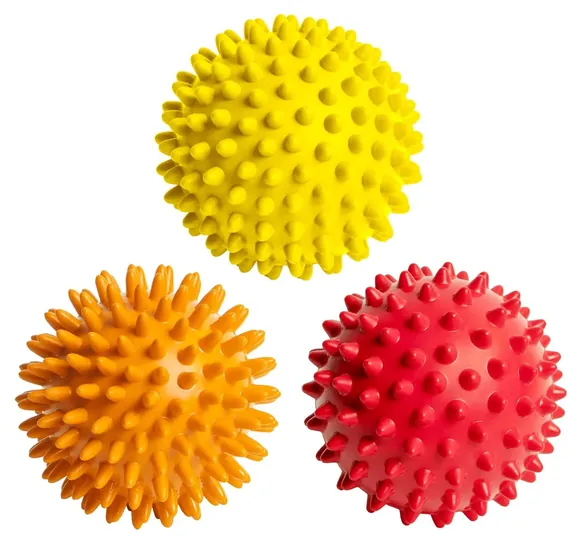
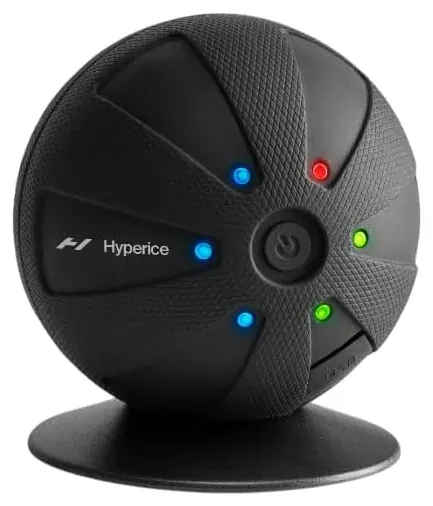
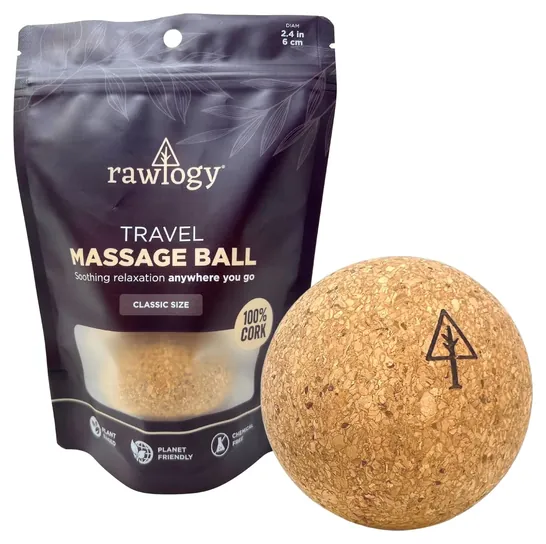
The Pro-Tec Orb, RumbleRoller Beastie and TriggerPoint MB5 stay from the earlier list. New are the Yoga Tune Up Therapy Balls, the 5Billion Peanut Ball, RAD Rounds, Octorox Spiky Balls and the Rawlogy Cork Ball. The Hyperice Hypersphere Go moves up from a special honor. The Invincible Fitness, Epitomie Fitness Muscle Max and both GoFit balls are gone because we couldn't find them for sale, and the SKLZ Dual Point is unavailable. We left heated and chilled balls off entirely, including the Gaiam Restore Hot and Cold, after a 2019 burn-hazard recall of a hot/cold set. We kept only one vibrating ball, since the extra buzz is a comfort choice more than a proven one.
The firmest evidence here is two systematic reviews of foam rolling and ball massage, which back modest, short-term relief; brand claims beyond that rest on makers' pages and owner feedback. If a spot tingles, goes numb or keeps hurting, see a clinician instead of pressing harder.
Earlier notes
July 28, 2019, by Quincy Miller:
It's important to realize that, while massage balls are excellent for pinpoint relief, if you want to target a larger surface area a foam roller is likely a better option. There are some larger options that can cover quite a bit of ground here, though, including the Pro-Tec Athletics Orb.
Perhaps the biggest choice you'll need to make is the decision between a smooth ball and a jagged one. Options with bumps or spikes can dig in deeper in very specific places, but the sensation might be too intense for some users. Of course, there are also options like the one listed here from Invincible Fitness, which includes multiple iterations of each.
The Epitomie Fitness Muscle Max is slightly different, in that it uses grooves cut into the surface to penetrate your muscles. This keeps things fresh, but may take some getting used to, and some users may prefer a more raised surface for targeted relief.
Firmness, Size And Texture
Foam gives the most, natural latex and silicone sit in the middle, and solid rubber, like a lacrosse ball, barely gives at all.
A massage ball has no motor (with one exception), so all the pressure comes from how much weight you put on it. That makes firmness the first choice. Foam gives the most, natural latex and silicone sit in the middle, and solid rubber, like a lacrosse ball, barely gives at all. A UK fitness retailer's buying guide puts it simply: foam suits stiff muscles and trigger points, rubber is firmer, and spiky balls are mostly about feel on the skin (Physique).
Size decides where a ball fits. A five-inch foam ball spreads pressure over the glutes, hips and upper back. A lacrosse-size ball, about 2.5 inches, reaches into the shoulder blade and the arch of the foot. Tiny balls under two inches, like the smallest of RAD Rounds, reach the jaw and forearm.
Texture changes grip more than depth. Smooth balls roll freely; grippy latex and bumpy foam stay on a spot; spikes feel intense on feet and hands. A ball maker that sells a rival design lists the lacrosse ball's real trade-offs fairly: it's cheap, tough and portable, but very hard, it rolls away and it tends to land on bone (Tiger Tail). A peanut shape, two balls joined by a groove, solves the spine problem by pressing the muscles on either side.
What The Research Says, And What It Doesn't
Self-massage with rollers and balls has been studied more than you might expect, but almost always as a technique, not brand against brand. A 2024 systematic review found that a session of self-myofascial release tends to improve flexibility and range of motion for a short time without hurting strength or power, and that people report less soreness and better recovery afterward (PubMed). An earlier 2015 review reached a similar, cautious conclusion (PubMed).
What the research doesn't show is that a costly ball beats a cheap one, that spikes reach deeper than a smooth surface, or that vibration adds much on top of plain pressure. Vibrating balls such as the Hypersphere Go and Therabody WaveSolo are rechargeable and pleasant to use, but treat them as a comfort upgrade.
We also found no independent lab or magazine test of massage balls, so the ranking leans on makers' specs, owner feedback patterns and how well each ball fits a clear job. Wording matters too: a ball may help ease tight, sore muscles, but it isn't a treatment for an injury, a pinched nerve or sciatica from a disc.
Using A Ball Safely
Start gentler than you think. Lean into a wall before lying on the floor, ease on and off a spot, and keep breathing. Teeter's massage ball manual tells users to stay off bones, joints and the spine itself, to start with light pressure, and not to use a ball at all with deep vein thrombosis or while taking blood thinners (Teeter manual). Stop if you feel tingling, numbness or sharp pain, and avoid the front and sides of the neck, the groin, the area over the kidneys, open wounds and fresh sprains or fractures. A fitness retailer suggests no more than two or three short sessions a day (Physique).
Check the material if you have allergies. Several popular grippy balls are natural latex, which can trigger a reaction in people with a latex allergy; foam, silicone, cork and most rubber lacrosse balls avoid that, but read the maker's material line.
We checked every brand on this page against U.S. Consumer Product Safety Commission recalls and found none. The one recall in the category was for hot/cold massage balls sold at Target in 2019, which could burn users (CPSC). For cleaning, wipe rubber, latex and silicone with a damp cloth and keep latex away from heat.
How we researched this
We compared 17 massage balls across rubber, latex, foam, spiky, peanut, silicone, cork and vibrating types, read makers' pages and specs, two systematic reviews of self-massage research, a fitness retailer's buying guide and one maker's safety manual, looked at owner feedback patterns, and checked every brand for recalls with the U.S. Consumer Product Safety Commission. We found no independent lab test of massage balls.
Sources (9)
- Physique: Massage balls buyer's guide
- Tiger Tail: Lacrosse ball vs Tiger Ball
- Systematic review of self-myofascial release, 2024 (J Funct Morphol Kinesiol)
- Systematic review of foam rolling, 2015
- Teeter: Massage ball user instructions
- CPSC: Vivitar hot/cold massage balls recall (2019)
- Hyperice: Hypersphere Go
- Therabody: WaveSolo
- RAD Roller: Massage balls
Frequently asked questions
Is a lacrosse ball as good as a massage ball?
For firm pressure, yes: a solid rubber lacrosse ball is cheap, tough and the right size for the back, hips and feet. It's also very hard and rolls away, so beginners and people with sensitive spots often do better with a grippy latex ball or foam.
Which massage ball is best for foot pain?
A small firm ball or a spiky ball rolled under the arch while you sit is the usual choice for tired, sore feet. Start soft and go firmer. Ongoing heel pain, such as plantar fasciitis, deserves a visit to a clinician; a ball may ease it but won't fix the cause.
What is a peanut massage ball for?
A peanut ball is two balls joined by a groove. Lying on it with the groove under your spine presses the muscles on each side while sparing the bone. Use it on the mid and lower back, not the front or sides of the neck.
Are vibrating massage balls worth it?
They cost several times more than a plain ball and need charging. Research hasn't shown that vibration adds much beyond pressure, so buy one if you enjoy the feel or want one tool for travel, not for faster healing.
Can a massage ball help sciatica?
It may ease tight muscles in the hips and glutes that make the area feel worse, but it can't treat a pinched nerve or disc problem. Stop if pain shoots down the leg or you feel numbness, and see a clinician.
How long should I use a massage ball?
No standard exists. Most guidance says to start with light pressure for a short time on each spot, ease off if it hurts sharply, and keep sessions to a few a day at most.