The 9 Best Lug Wrenches
Updated by · How we research

Nine lug wrenches compared on reach, socket sizes and storage, from 4-way crosses to telescoping and folding designs. The Cartman CM-CR001 suits most drivers. When users buy our independently chosen editorial choices, we may earn commissions to help fund the Wiki.
No lug wrench can tell you how tight a wheel nut is, so its real job is breaking stuck nuts loose and getting the spare on snug until a torque wrench can finish the work. Most cars use 17, 19 or 21 millimeter nuts. This list is for drivers who want something sturdier than the thin bar packed with the spare.


Editor's Notes
October 26, 2026, by Ezvid Wiki Admin:
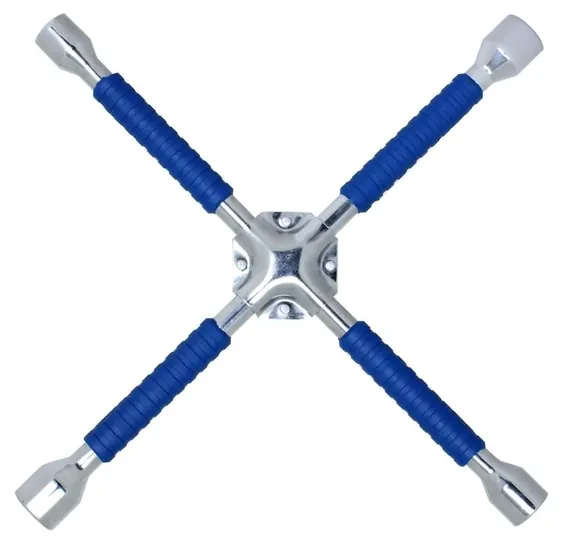
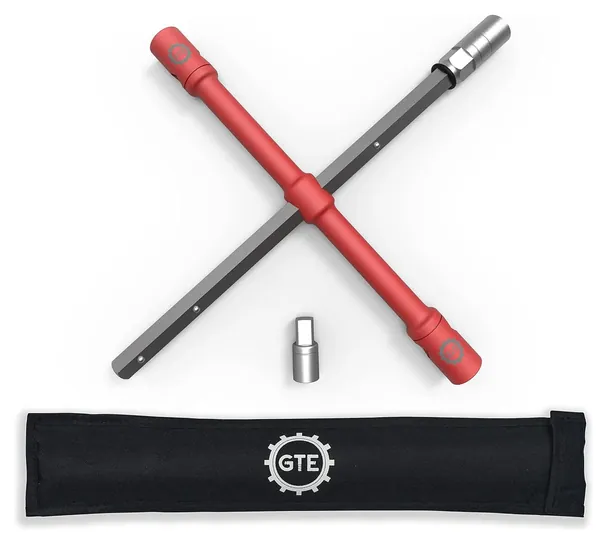
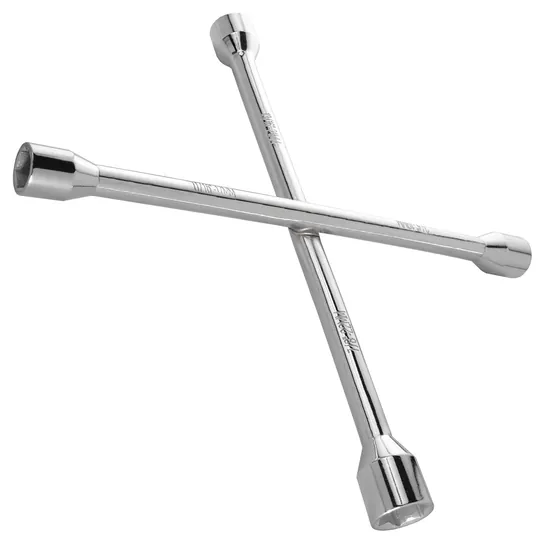
The Cartman CM-CR001 now leads the list. It pairs a full cross, sockets for the four nut sizes most cars use and rubber grips at a modest price, which is what most drivers need on the shoulder. The GTE LugStrong, dropped earlier when it was hard to find, is back on sale and returns for stuck nuts.
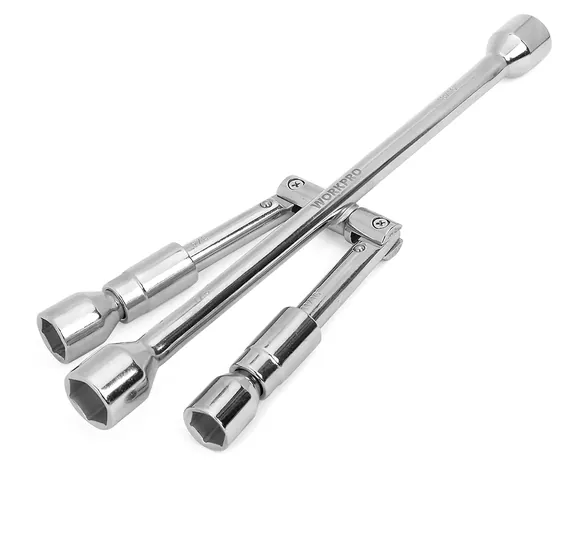
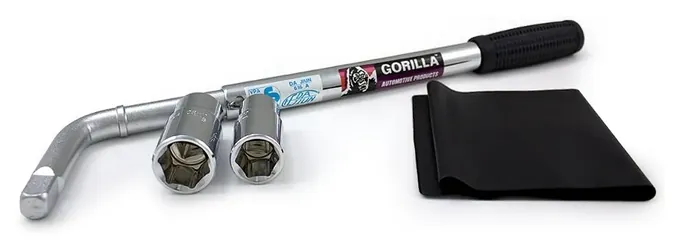
We also added the EPAuto ST-001-2 for small trunks, the folding WorkPro W114025A and the light EPAuto ST-001-1. The Powerbuilt 940559, Ken-Tool 35657, Ares 70092 and Gorilla Automotive 1721 stay. The Gorilla Automotive LW1 has disappeared from sale, and the Cartman TL120404 left because it duplicated the telescoping EPAuto.
The deciding evidence here was simple arithmetic: the socket sizes each maker stamps, set against the nut sizes cars actually use. That's why the inch-only Torin TRX31101-14F missed the cut, since its 13/16 inch socket is too small for a 21 millimeter nut.
August 29, 2019:
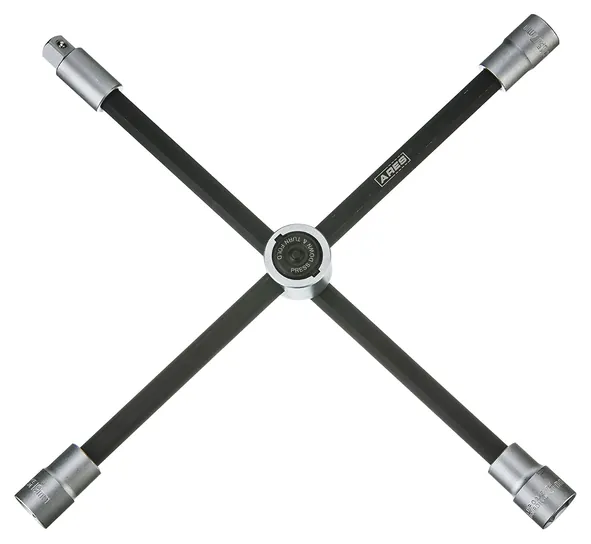
Removed the Titan L-Type, and the GTE Lugstrong because of availability issues. We added the ARES 70092 because it has an interesting design and it includes a 1/2-inch drive which is very useful for those that have locks on their wheels. Normally, the lock keys only come with a small extension that can be difficult to use. The Ares allows you to use a full-sized lug wrench on those locks. Promoted the Powerbuilt 940559 to the top spot because it is an affordable, straightforward, and very well-made lug wrench. You don't need much more than that.
Working on automobiles can be dangerous. Safety precautions should be observed to prevent personal injury or damage to the vehicle.
Cross, Telescoping Or Folding
Folding and sliding crosses sit in between: they keep the two-handed grip and pack down, at the cost of a hinge or joint that can wear.
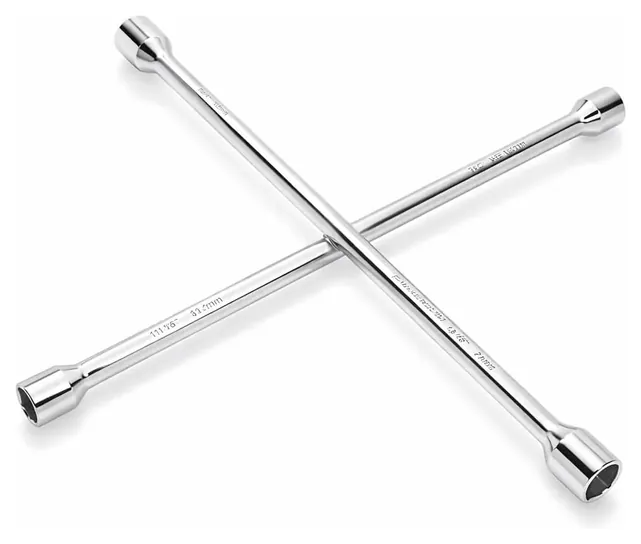
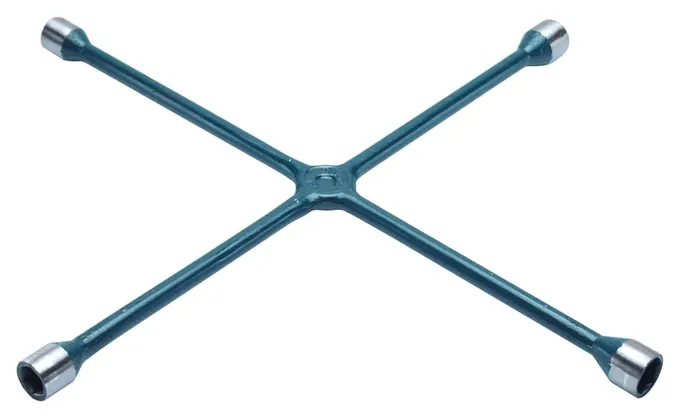
A 4-way cross wrench, sometimes called a spider wrench, puts a socket on each arm and lets you push down with one hand while you pull up with the other (Wikipedia: Lug wrench). That two-handed grip is the best leverage for the money, and it spins nuts off quickly once they break loose. The downside is size. A fixed 16 to 20 inch cross takes a lot of trunk floor, and a 23 inch shop cross is really a garage tool.
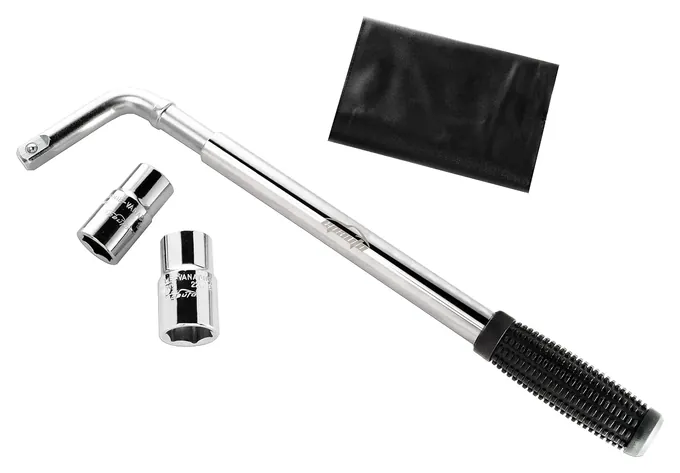
Telescoping wrenches are L-shaped. The handle slides out for leverage and back in for storage, and loose sockets fit a half-inch drive on the end. They pack small, but you turn them one-handed from the side, and the sockets are easy to lose. Folding and sliding crosses sit in between: they keep the two-handed grip and pack down, at the cost of a hinge or joint that can wear.
For seized nuts, length matters most. A two-bar design such as the GTE LugStrong, or a breaker bar with the right socket, gives you more reach than a compact cross.
Matching The Sockets To Your Nuts
Most passenger cars use 17, 19 or 21 millimeter hex nuts, and 22 or 23 millimeter and 11/16 or 13/16 inch nuts show up on others (Wikipedia: Lug nut). Check your owner's manual, or try the factory wrench on a nut and note the size stamped on it.
Inch and metric sizes are close but not the same. A 3/4 inch socket is about 19.05 millimeters and fits a 19 millimeter nut well. A 13/16 inch socket is about 20.6 millimeters, which is too small for a 21 millimeter nut, and a 7/8 inch socket is loose on one. A loose socket rounds the corners of a tight nut, so a wrench that lists the metric size you need is the safer buy. Many cross wrenches stamp both sizes on each socket.
Locking wheel nuts need their own key, which fits over the nut and takes a normal socket. Keep it with the spare. Heavy trucks with 33 or 38 millimeter nuts need a much bigger tool, usually a torque multiplier; none of the wrenches here fits them.
Loosen, Tighten, Then Torque
Firestone's tire-change steps start with the car on firm, level ground, hazards on and wheel wedges at the opposite wheels. Loosen each nut a quarter to half a turn while the tire is still on the ground, before you jack the car; using your foot or body weight is fine (Firestone Complete Auto Care). Never reach under a car held up only by a jack.
Thread the nuts on by hand to avoid cross-threading. Snug them in a star pattern, lower the car until the tire just touches the ground, tighten them again in the same order, then lower it fully. Firestone also notes that temporary spares typically need about 60 psi, so check the spare's pressure.
A lug wrench can't measure torque, so tightness is guesswork until you use a torque wrench set to the vehicle's spec. A 2023 Toyota Corolla calls for 76 foot-pounds, and many cars fall in a similar range (Wikipedia: Lug nut). Re-check after the first 30 to 100 miles. An impact wrench is fine for removal, but uneven or excessive torque can warp brake rotors and stretch studs.
How we researched this
We compared 15 lug wrenches across fixed, sliding and folding cross designs, telescoping L wrenches and a two-bar breaker design, and screened nine in depth. We checked each one's socket sizes, length, material and warranty as makers and sellers state them, matched the sockets against common wheel nut sizes, read tire-change and torque guidance from Firestone and reference pages on lug nuts, and checked every brand for recalls with the U.S. Consumer Product Safety Commission. We found no independent lab tests of lug wrenches.
Frequently asked questions
Is a 4-way or a telescoping lug wrench better?
A 4-way cross gives more leverage and spins nuts faster because you use both hands. A telescoping wrench stores in less space but turns one-handed, and its sockets are separate pieces. Folding and sliding crosses split the difference.
What size lug wrench do I need?
Most cars use 17, 19 or 21 millimeter lug nuts. Check your owner's manual or the size stamped on the factory wrench. If your car uses metric nuts, pick a wrench that lists that metric size, not just a close inch size.
Can I use a ratchet instead of a lug wrench?
A long breaker bar with the right six-point socket works well. A short ratchet usually lacks the leverage to break a tight nut, and its gears can slip or break under that much force.
How tight should lug nuts be?
Tighten them to the torque in your owner's manual with a torque wrench, in a star pattern. A 2023 Toyota Corolla, for example, calls for 76 foot-pounds. Re-check after 30 to 100 miles.
Can I use an impact wrench on lug nuts?
For removal, yes. For installing, start the nuts by hand and finish with a torque wrench, since an impact gun can overtighten nuts unevenly, which can warp rotors and damage studs.
Do these wrenches fit semi trucks or heavy equipment?
No. Heavy trucks use 33 or 38 millimeter nuts tightened far beyond car levels, which calls for a torque multiplier or shop tools.