The 10 Best Kitchen Scales
Updated by · How we research

Ten digital kitchen scales compared on accuracy, screen, cleaning and capacity, from cheap slabs to coffee models. The OXO Good Grips Pull-Out Display leads. When users buy our independently chosen editorial recommendations, we may earn commissions to help fund the Wiki.
A cup of flour can weigh anywhere from about 4 to 6 ounces depending on how it's scooped, which is why so many bakers switch to a scale. Most home cooks need single grams, a tare button and a screen that a wide bowl won't hide. Anyone weighing yeast, salt or coffee beans needs one that reads tenths of a gram.


Editor's Notes
October 26, 2026, by Ezvid Wiki Admin:
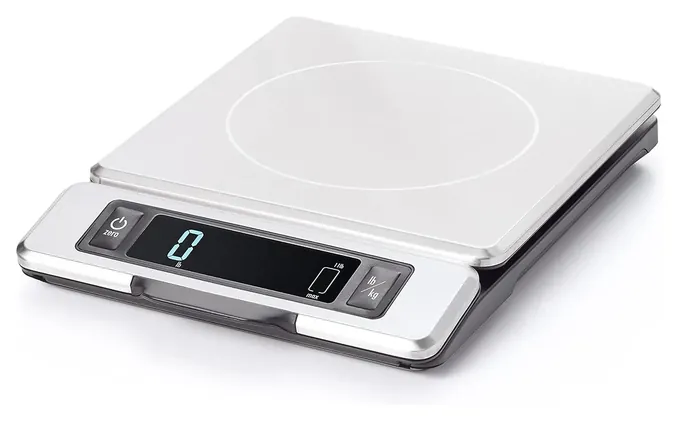
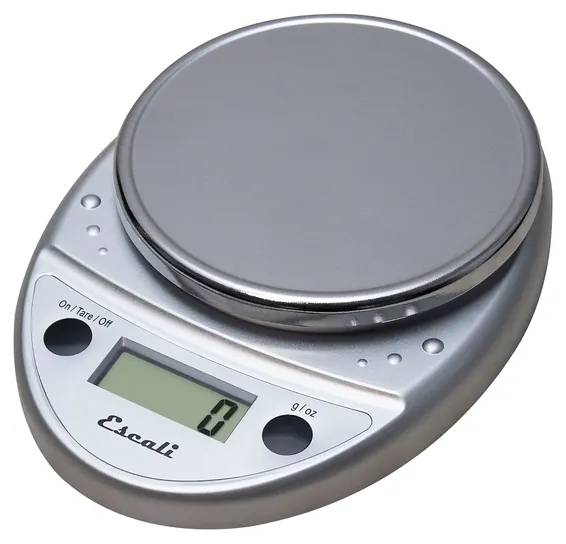
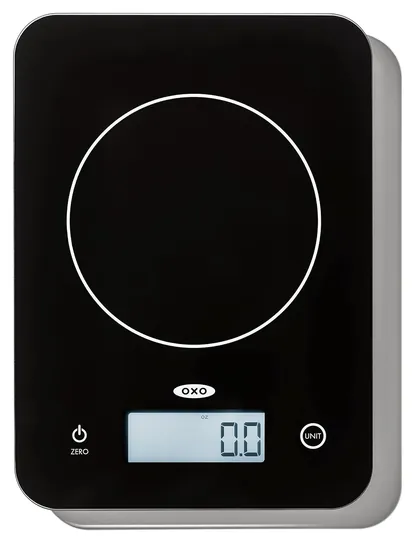
The OXO Good Grips Pull-Out Display now leads this list, because a screen that slides out from under a big bowl solves the most common complaint about kitchen scales, and it topped several independent rounds of testing. The Escali Primo follows as the most accurate scale for the money.
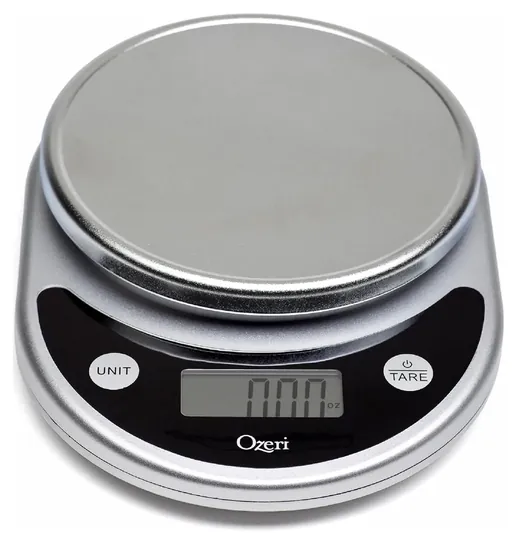
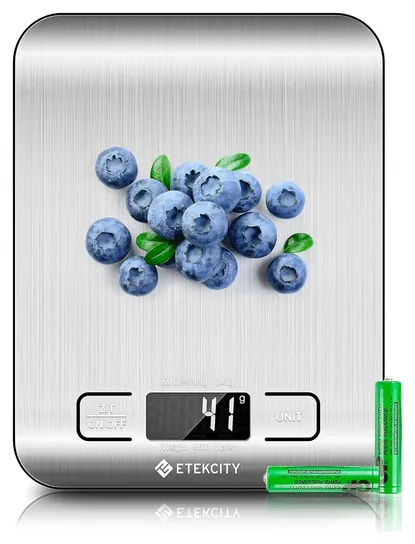
The page now covers everyday digital scales, a bench scale for bread bakers, an app scale for nutrition tracking, a fine-step scale for coffee and spices, and a washable model. We kept the OXO, the My Weigh KD-8000, the Ozeri Pronto, the Etekcity Smart and an Etekcity bowl scale, and dropped an analog dial scale, a glass scale with fussy buttons, a weak cheap model and two that are no longer sold.
The ranking leans on kitchen tests that put scales against lab calibration weights, drops and stains, plus a sourdough baker's comparison of 20 scales and the federal recall list for kitchen scales with coin batteries.
April 29, 2020:
Although we like its suite of high-tech features, the Perfect Bake Pro has become tough to find, so we've removed it. We've removed the Taylor Precision, as well, over worries about its long-term durability. Instead, for an analog choice, we like the Starfrit Retro. True to its name, it has the sleek styling of yesteryear, but it's not just a pretty face. It offers readings in metric and imperial, and there's a removable stainless steel bowl that's durable and a cinch to wash.
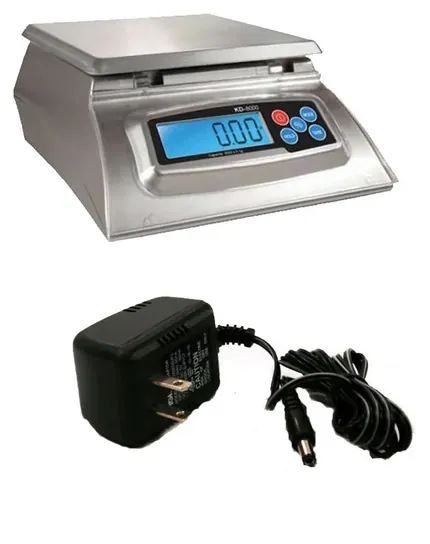
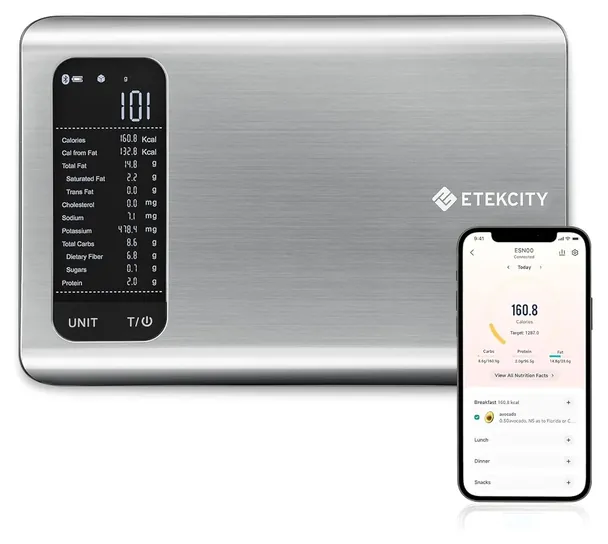
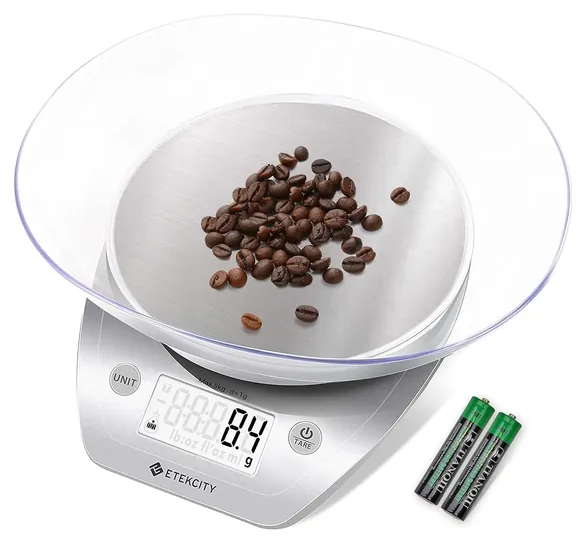
As for digital models, the Oxo Good Grips remains useful, with a convenient pull-out display that makes it compatible with all sizes of mixing bowl sets. Or, for an option that comes with a bowl built right in, there's the Etekcity Digital. We also like the Etekcity Smart, from the same manufacturer, thanks to the fact that it can sync with both Fibit and Apple Health, and to its ability to help you track macros. And we've selected the My Weigh KD-8000, a popular choice with bakers. It has tons of features that help it survive fast-paced, messy kitchen environments, including a hinged shield and robust stainless steel platform.
Finally, a word about the Drop Connected. After some deliberation, we've decided to keep it — just note that it's more complicated to use than many. If you want a feature-heavy model, and have the patience to handle any connection issues that may arise, it may be worth it; if you want something that's straightforward, without a learning curve, you'll probably want to skip it.
Special Honors
ThermoWorks Gravitas America's Test Kitchen chose this certified-accurate scale as its upgrade pick. It reads to a tenth of a gram, survives splashes and comes with a calibration certificate, and ThermoWorks sells it directly rather than through Amazon. It suits cooks who weigh small amounts often and want one tool for both jobs. thermoworks.com
Grams, Tenths Of A Gram And The Bowl Problem
A scale that reads single grams is plenty for flour, sugar, butter and portions.
Weighing beats measuring cups because cups are inconsistent. King Arthur Baking counts a cup of all-purpose flour as 120 grams, and Reviewed notes that a scooped cup can land anywhere from about 4 to 6 ounces. A scale that reads single grams is plenty for flour, sugar, butter and portions.
Small amounts are another story. In Prudent Reviews' tests with calibration weights, several 1-gram scales missed a 1-gram or 2-gram weight entirely; the Escali Primo was the one that registered every weight. If you weigh yeast, salt, spices or coffee, buy a scale that reads in tenths of a gram, such as the Etekcity EK5250, and use your main scale for the rest. A sourdough baker who compared 20 scales (That Sourdough Gal) also found the bench-style My Weigh KD-8000 can't measure below about 2 grams.
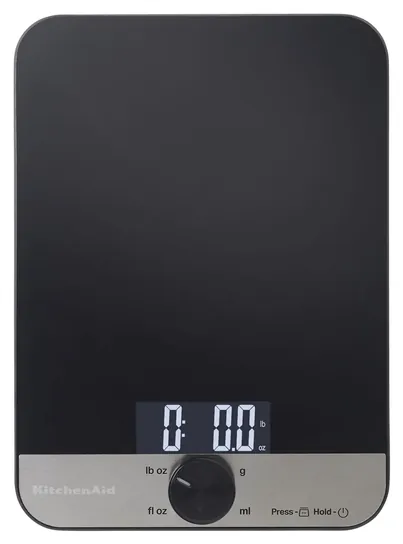
The last test is whether you can read the screen. A display set flush in the platform disappears under a dinner plate or a wide mixing bowl. America's Test Kitchen marked the KitchenAid glass scale down for exactly that, and picked the OXO with a pull-out display as its winner.
Capacity, Power And Cleaning
Most kitchen scales top out around 11 pounds, or 5 kilograms, which covers a heavy mixing bowl and a batch of dough. Go bigger, to about 17 or 22 pounds, if you weigh whole stockpots, brine buckets or large bread batches. Pet owners and farmers need different tools: see our lists of pet scales and livestock scales.
Most models here run on AAA batteries. A few take coin cells, which are harder to find and riskier around children. The My Weigh KD-8000 can run from a wall adapter, and the Etekcity EKS-L221 recharges from a cable. Check the auto-off timer as well: Food Network's tests note how quickly some scales shut off, which matters when you add ingredients slowly.
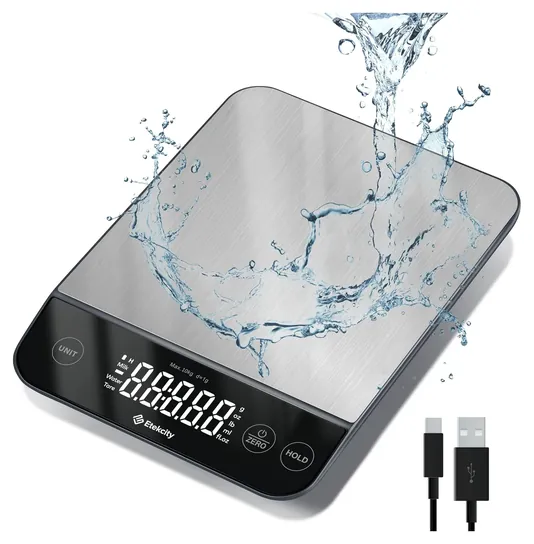
Wipe a scale with a damp cloth and never put it in water. Only splash-rated models, such as the Etekcity EKS-L221, can go under a running tap. Flour and crumbs collect in the gap between a platform and its base, so a lift-off top like the OXO's, or a flat glass top, is easier to keep clean.
Checking Accuracy And Battery Safety
You don't need lab weights to check a scale. Food Network suggests U.S. nickels, which weigh 5 grams each: four of them should read 20 grams. Place them in the middle of the platform, then repeat near an edge. If the reading drifts in a draft or changes from one spot to another, the scale is sensitive to where you set things.
Scales with button or coin batteries fall under Reese's Law, a federal safety rule that requires a secured battery door and child-resistant packaging for spare cells. In January 2025 the U.S. Consumer Product Safety Commission announced a recall of about 349,500 Greater Goods kitchen scales across 13 models for failing those rules. No scale on this list is part of that recall, but if you own an older Greater Goods scale, check the model number against the notice.
You may see scales marked legal for trade or NTEP certified. That certification is for shops that sell goods by weight, such as delis and farm stands. A home kitchen doesn't need it.
How we researched this
We compared 16 kitchen scales and looked closely at 10. We read independent tests from America's Test Kitchen, Food Network, Reviewed and Prudent Reviews, which checked scales against calibration weights, drops, stains and repeated button presses, and a sourdough baker's comparison of 20 scales. We used makers' specs from the sellers' pages where maker pages did not load, looked at patterns in owner feedback, and checked every brand against U.S. Consumer Product Safety Commission recalls. Prices were checked on 2026-10-26.
Sources (8)
- America's Test Kitchen: The Best Digital Kitchen Scales
- Food Network: The Best Kitchen Scales
- Reviewed: The Best Digital Kitchen Scales
- Prudent Reviews: Best Kitchen Scale
- That Sourdough Gal: Best Kitchen Scale for Sourdough
- King Arthur Baking: Ingredient Weight Chart
- U.S. CPSC: Greater Goods kitchen scale recall (2025)
- ThermoWorks
Frequently asked questions
Do I need a scale that reads tenths of a gram?
Only for small amounts such as yeast, salt, spices or coffee. Most 1-gram scales can't reliably read anything under 2 grams. For flour, sugar, butter and portions, single grams are enough.
How accurate is a cheap kitchen scale?
Usually within a gram or two for normal loads. In independent tests, several low-cost scales missed 1-gram and 2-gram weights or read a gram off under 20 grams. For everyday cooking that rarely matters.
Can a kitchen scale weigh liquids?
Yes. Set a cup on the scale, press tare and pour. Many scales also have milliliter or fluid-ounce modes, but those assume the density of water or milk, so they won't be right for oil or honey.
How do I check if my kitchen scale is accurate?
Use coins of a known weight. A U.S. nickel weighs 5 grams, so four nickels should read 20 grams. Try them in the center and near an edge of the platform.
Why weigh ingredients instead of using cups?
Because a cup of flour varies with how it's scooped. King Arthur Baking counts a cup of all-purpose flour as 120 grams, and weighing gets you that amount every time, with fewer dishes to wash.