The 8 Best Keyless Drill Chucks
Updated by · How we research

Mount thread decides whether a replacement chuck fits. Eight keyless chucks for drills, impact drivers and drill presses compared; the Rohm Extra-RV 50 leads. When users buy our independently chosen editorial choices, we may earn commissions to help fund the Wiki.
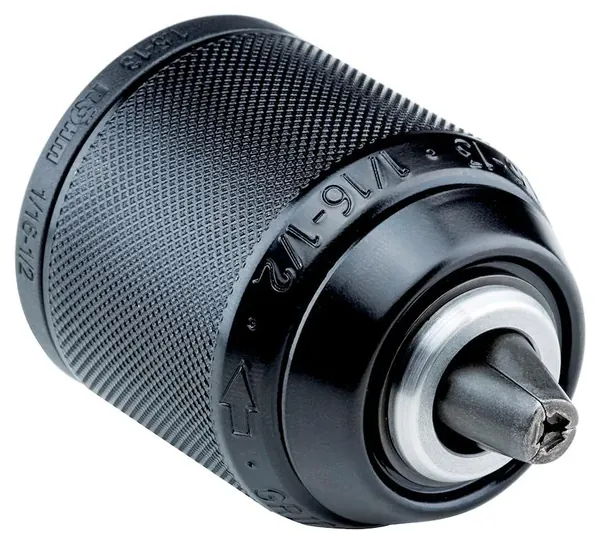
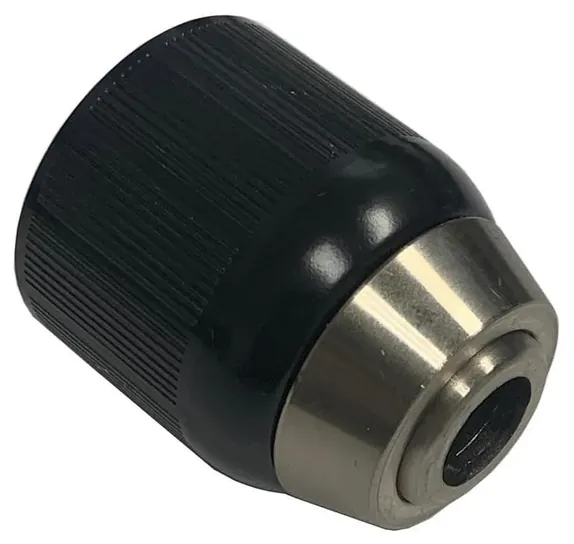
Most drill chucks are held on by a hidden screw with a left-hand thread, and a new one fits only if its mount matches your drill's spindle thread. This list is for anyone fixing a chuck that slips or wobbles: replacement chucks for cordless and corded drills, hex-shank chucks that turn an impact driver into a drill, and a swap-in chuck for a drill press.


Editor's Notes
October 26, 2026, by Ezvid Wiki Editors:
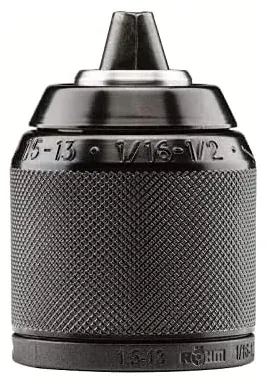
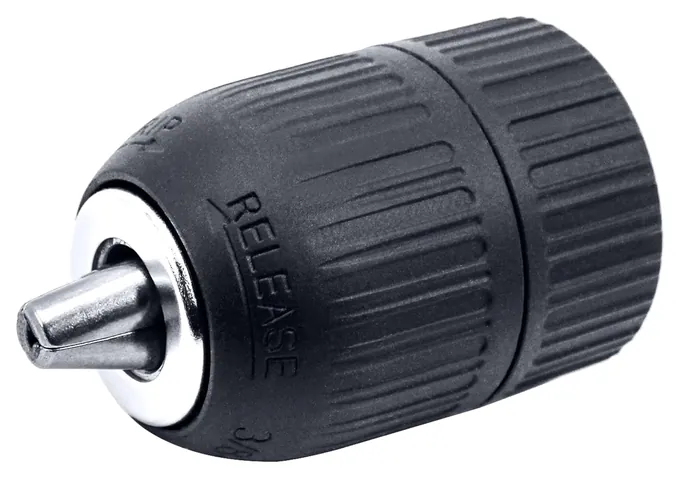
The Rohm Extra-RV 50 now leads, because it fixes the complaint most people bring here, a chuck that slips or opens in reverse, on the thread most cordless drills use. The old list leaned toward machine-shop chucks, and almost all of them are gone or now cost several hundred dollars. The Rohm Supra 13, Chum Power Hex Key, All Industrial Pro-Series, Pan300 JT33 and Albrecht 70010 are no longer offered, and the Llambrich JK-16 has no price. The Albrecht Classic and Albrecht High-Precision are precision tools for milling machines, so Albrecht and Llambrich move to special honors. The ProTechTrader Universal is still around, but the HFS 3/8-24 covers the same job.
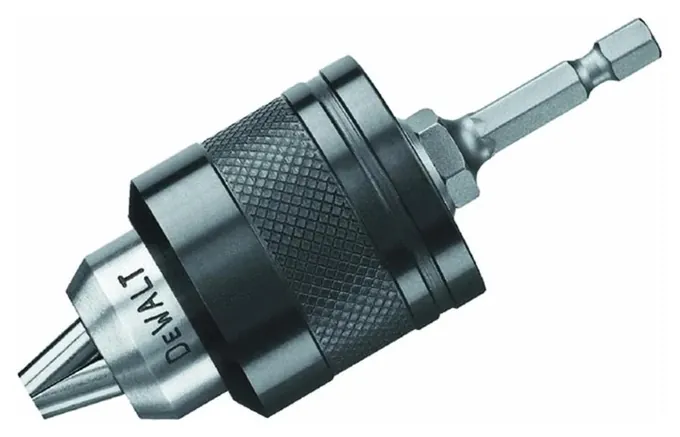
This version starts with replacement chucks for hand drills, sorted by spindle thread, then adds impact driver chucks such as the DeWalt DW0521 and one drill press chuck, the WEN DPA158L. We checked each mount and capacity against Rohm's, DeWalt's and Makita's own pages and McMaster-Carr's chuck catalog, and read machinist forum threads on chuck swaps, slipping and runout.
Earlier notes
March 8, 2021, by Christopher Thomas:
We've made just a couple additions to the Wiki this time around. One is the Pan300 JT33, a low-cost 33 Jacobs taper model that can serve as a capable replacement for broken down JT33s. We also say hello to the Chum Power Hex Key, which is actually a heavily upgraded version of one of our previous selections. This one has titanium jaws and is able to withstand both clockwise and counterclockwise force, making it a good choice for the toughest jobs.
Overall, the Rohm Extra remains the best choice for most users who just need a new chuck and collar for their hand drill. The Rohm Supra 13, with its automatic clamping system, is a significant step up. The ProTechTrader Universal, on the other hand, is about as inexpensive as they come, although it's not capable of heavy-duty jobs.
April 13, 2019, by Christopher Thomas:
Drill chucks generally fall into two categories: those for relatively small, handheld drills, and those for larger and more expensive presses. If you're simply looking to replace a faulty, plastic-collared unit like those found on budget-oriented tools, check out the ProTechTrader, which can repair a busted drill at a very low cost. If you prefer to use mid-range to high-end power tools, the Rohm, All Industrial, and VME models can make great replacements. In fact, Rohm is often upheld by machinists and craftsmen as a very high-quality brand, and its performance comes at a generally reasonable price. The ChumPower is an affordable option that's quite durable with proper installation, though it can only work in one direction. If you're using a commercial press and can afford them, consider going with a Llambrich or Albrecht. These are precision-manufactured in Germany and represent the highest in machining performance, but oh boy, do they cost a lot.
When making your decision, be aware of the limitations of a keyless drill chuck. For the most part, they aren't suitable for use with milling ends, as they can easily be damaged and go out of true, or worse, pop off the arbor during use, which is an incredibly dangerous occurrence. Always use proper protective equipment when working with any power tools, and follow all appropriate safety protocols, in order to preserve not only your own health, but also the longevity of your tools and workshop.
Special Honors
Albrecht Albrecht, a German maker, has made precision keyless drill chucks for about 90 years, and its chucks were on earlier versions of this list. They're built for milling machines and lathes, with mounts like R8 and Jacobs tapers, and cost several hundred dollars, so they suit a machine shop more than a garage drill. albrecht-germany.com
Llambrich Llambrich, based in Spain, makes industrial keyless chucks with integral tapers for drill presses and machine tools, plus a stainless line for orthopedic and veterinary surgery. Its chucks are hard to find at U.S. retail now, but they're worth a look for anyone who needs a precise chuck for a machine spindle. llambrich.com
Match The Mount Before Anything Else
The mount is the thread inside the chuck that screws onto the drill's spindle.
A replacement chuck has two numbers, and only one of them decides whether it fits. The mount is the thread inside the chuck that screws onto the drill's spindle. The capacity is the largest bit the jaws will hold. Hand and cordless drills mostly use 3/8-24 or 1/2-20 threads, and McMaster-Carr sorts its cordless chucks the same way. Some heavier Milwaukee and DeWalt drills use 9/16-18 instead, a point that comes up often in a Hobby-Machinist thread on swapping a DeWalt chuck. A wrong thread is the most common way to waste money here.
To check yours, look up the drill's parts list by model number, or measure the spindle once the old chuck is off. The size printed on the sleeve, such as 1/2 inch, is the capacity, not the thread. Before buying aftermarket, search for the drill maker's own chuck part number too. A poster in a Festool Owners Group thread found a Rohm chuck sold as a factory part for far less than the same chuck sold separately, and makers often fit Rohm chucks from the start.
Rohm rates its short Extra 50 chucks for drills of up to 80 newton-meters of torque, which covers most compact and mid-size drills but not the biggest hammer drills.
Taking The Old Chuck Off
Take the battery out or unplug the drill first. Open the jaws all the way and look down the middle: on most drills a screw holds the chuck on, often with a Torx head. That screw usually has a left-hand thread, so you turn it clockwise to loosen it. The chuck itself threads on the normal way.
With the screw out, clamp the short leg of a large hex key in the jaws, set the drill on a bench, and give the long leg a sharp tap with a mallet, counterclockwise as you face the chuck. The steps in this Hobby-Machinist thread match what most service manuals show; check your drill's manual if it differs. Clean the spindle threads before fitting the new chuck, snug it down, and refit the screw. A drop of removable thread locker on the screw helps, but keep oil off it.
Wear eye protection for the first few holes. A chuck that isn't seated can throw a bit, so tighten it until the ratchet clicks and run it briefly before you drill.
Impact Driver Chucks And Drill Press Chucks
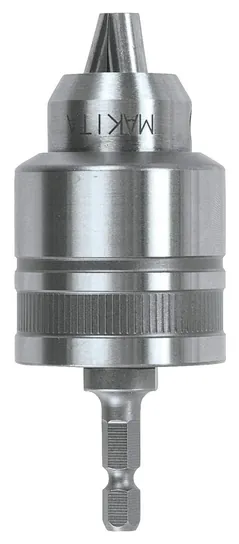
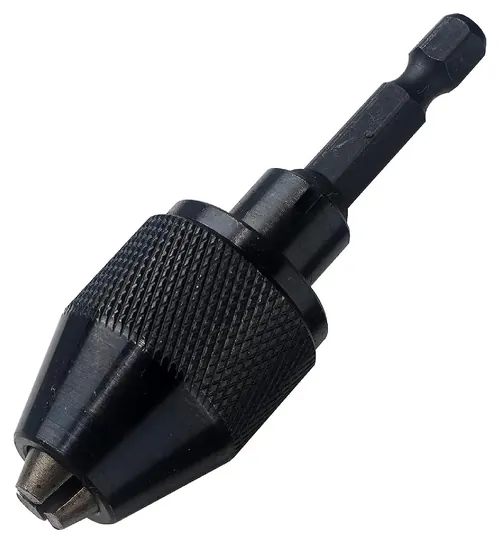
A hex-shank chuck snaps into an impact driver and holds round-shank bits, which saves carrying a drill for a few small holes. It adds length and wobble at the tip, and it isn't meant for big bits or hole saws. DeWalt's DW0521 page and Makita's 763198-1 page both rate their chucks for bits up to 3/8 inch. Hex bits go straight into the driver, so you only need the chuck for round shanks.
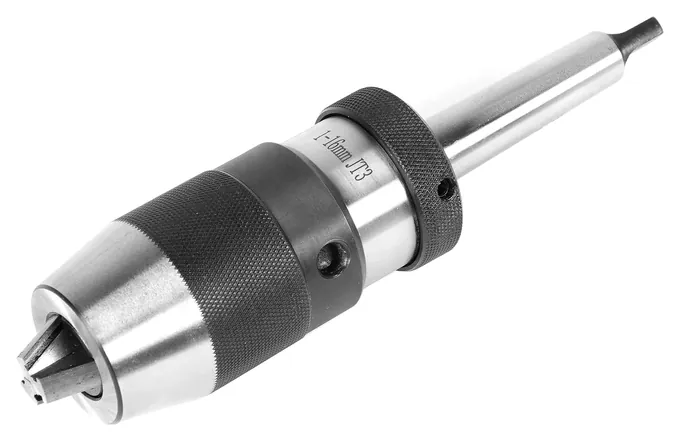
Drill press chucks mount differently. They sit on a taper, either a Jacobs taper such as JT33 or a Morse taper arbor such as MT2, and the taper has to match the press spindle. Keep the taper clean and dry so it doesn't spin loose. In a Canadian Hobby Metal Workers thread, members called imported keyless chucks hit and miss: one measured a few thousandths of an inch of runout on an import, and another found a Taiwan-made chuck that matched a far pricier Jacobs. For woodwork and general drilling, an import is fine. For precise machining, the precision makers below are worth the cost.
Carbide jaw tips grip and wear well, but McMaster-Carr notes they're more brittle than steel, so avoid dropping a drill nose-first.
How we researched this
We compared about 25 drill chucks, matched each finalist's mount thread and capacity against Rohm's, DeWalt's and Makita's product pages and McMaster-Carr's chuck catalog, read machinist and woodworking forum threads on chuck swaps, slipping and runout, analyzed owner feedback, and checked every brand against U.S. Consumer Product Safety Commission recall records. No lab has published tests of replacement chucks. Updated October 26, 2026 by Ezvid Wiki Editors.
Sources (9)
- Rohm: Extra 50 series drill chucks
- DeWalt: DW0521 quick-connect impact chuck
- Makita: 763198-1 keyless chuck
- Hobby-Machinist: DeWalt cordless drill chuck replacement
- Canadian Hobby Metal Workers: drill chuck recommendation
- Festool Owners Group: Makita chuck replacement
- CPSC: recalls search
- Albrecht
- Llambrich
Frequently asked questions
What is a keyless chuck?
It's the three-jaw clamp on the front of a drill that you tighten by hand by turning a sleeve, with no chuck key. Most cordless drills come with one.
Is a keyless or a keyed chuck better?
A keyless chuck is quicker, and a good ratcheting one holds bits well in a hand drill. Some machinists in hobby forums report less slipping with good keyless chucks than with keyed ones. Keyed chucks are still common on drill presses and for heavy bits, because the key gives more clamping force.
How do I take the chuck off a cordless drill?
Open the jaws fully and remove the screw inside, which usually has a left-hand thread, so turn it clockwise. Then clamp a large hex key in the jaws and tap it counterclockwise with a mallet to unscrew the chuck.
How do I tell if my drill is 3/8-24, 1/2-20 or 9/16-18?
Check the drill's parts list by model number, or measure the spindle with the chuck off. Most hand drills use 3/8-24 or 1/2-20, and some heavier Milwaukee and DeWalt drills use 9/16-18. The size printed on the chuck sleeve is the bit capacity, not the thread.
Why does my keyless chuck keep slipping?
Worn jaws, a cheap chuck, or a chuck that loosens when the drill runs in reverse are the usual causes. Tighten until the ratchet clicks. A chuck with a locking ring that holds in both directions solves the reverse problem.