The 8 Best Instant Cameras
Updated by · How we research

Fujifilm, Polaroid and Lomography instant cameras compared on film cost, print size and controls. The Fujifilm Instax Mini 13 is the easiest place to start. When users buy our independently chosen editorial recommendations, we may earn commissions to help fund the Wiki.
With instant cameras, film is the real cost. A shot on Instax Mini film costs well under half as much as one on Polaroid film, so the format you buy into matters more than the body. Polaroid's classic prints are bigger, but they need shade while they develop. This guide suits first-time buyers, gift shoppers and tinkerers.


Editor's Notes
November 1, 2026, by Ezvid Wiki Admin:
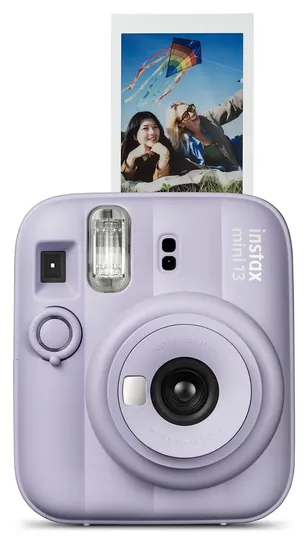
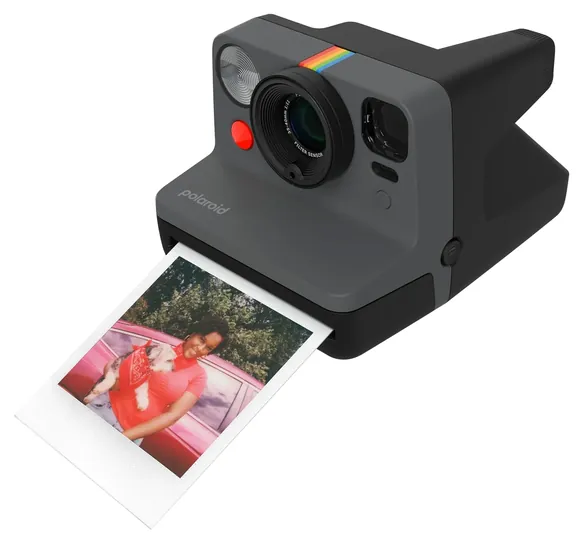
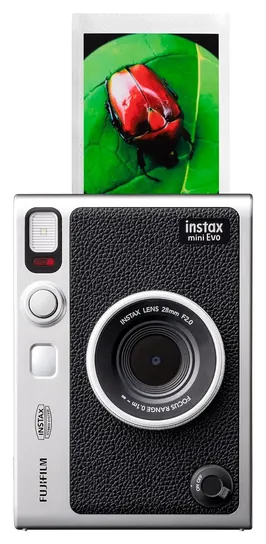
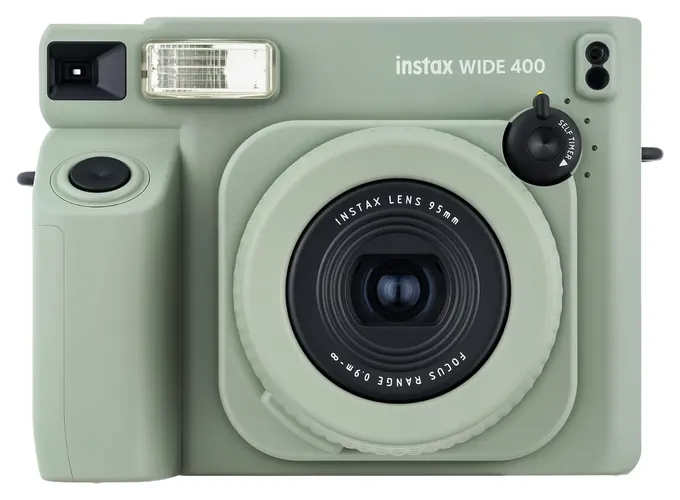
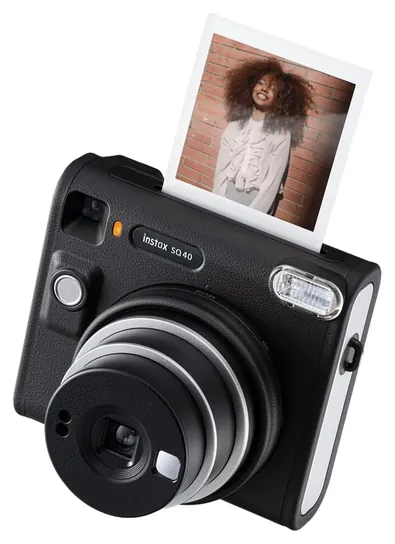
The Fujifilm Instax Mini 13 now leads this page because it gets the basics right with no settings to learn, and it runs on the cheapest instant film there is. Behind it, each camera answers one need: the Polaroid Now Generation 3 for the classic print, the Fujifilm Instax Mini EVO for previewing before printing, the Fujifilm Instax Wide 400 for groups and the Fujifilm Instax Square SQ40 for square pictures.
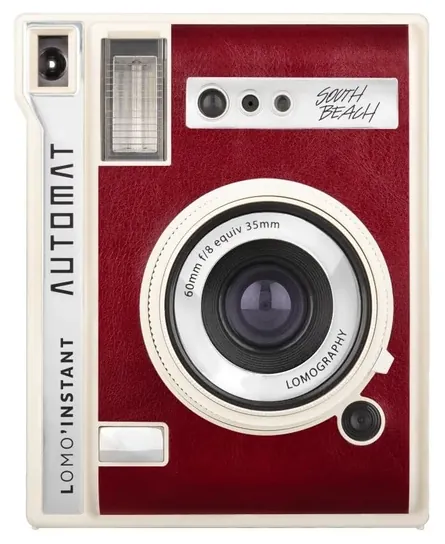
The Lomography Lomo'Instant Automat South Beach is the only camera that stays from the old list. Most of the others are discontinued or have newer versions, and the Kodak Printomatic and Polaroid Pop 2.0 left because they print on sticker paper rather than instant film. If printing phone pictures is the goal, our photo printers page fits better.
For this round we leaned on Fujifilm and Polaroid spec sheets, film price per shot, and long-running reviews from TechGearLab, ExpertPhotography, Cameralabs and PetaPixel.
September 02, 2020:
When shopping for an instant camera, it's important to know that there are two basic types: one that relies on a traditional chemical reaction like the Polaroids of old, and a new method that prints with the help of zinc. If you're reaching for a nostalgic experience, zinc, or Zink by its brand name, may not cut it, as its photos come out completely printed rather than requiring development time in the hands. Zink is both faster and often clearer in its results than other cheical processes, so that's where you want to go is image quality is paramount
For an extra bit of nostalgia, you can actually reach for models like the Polaroid Originals OneStep+ Black or the Polaroid Originals OneStep 2 VF, which are both designed to look and function much like the company's cameras from the 1980s, but that have a few modern conveniences, such as Bluetooth connectivity and features like double exposure.
Another potentially important feature is the ability to review and save images, or to shoot video in addition to stills. Models like the Fujifilm Instax Square SQ20 can do it all. That model in particular features a 1:1 aspect ratio and videos that are 15 seconds or less, making it ideal for quick social media posts. And if you want to use a screen to edit or augment your photos before you print them, the Zink Polaroid Pop 2.0 is the way to go, as its screen is touch sensitive. That model also doubles as a mobile printer that can print out images you take with your smartphone.
.
April 30, 2019:
Whether you remember the days of Polaroids with a sense of nostalgia or are new to instant cameras, there is no arguing they are fun. Unlike with digital cameras, you can't just take an unlimited number of shots and delete any that you don't like. This makes each picture feel a little more special. If you want all the fun of an instant camera, but don't want to completely let go of the benefits of digital, you should definitely check out the Polaroid Pop 2.0. Unlike most other models, which immediately print the picture after you take it, this model allows you the leeway to print them whenever you choose. It also features a 4-inch touchscreen, so you can check out each pic before printing to make sure you approve of it. The Leica Sofort and Lomography Lomo'Instant Wide are great for people who want a little more manual control over their photos, though they do still have automatic settings for those times you just want to snap an easy shot. These two cameras are rather expensive, though. Fujifilm is almost solely responsible for reviving the instant photo trend and they have brought a large variety of options to the market for you to choose from. The small size and wallet-friendly price makes the Fujifilm Instax Mini 9 a great gift for kids, or anybody else who appreciates not having to carry around anything bulky in their pocket. As if it wasn't obvious enough from the name and shape, the Fujifilm Hello Kitty is also a smart choice for children and young teens. Unlike the majority of the other models on our list, which produce rectangular prints, the Fujifilm Instax Square SQ6 prints square images, making them most like the Polaroids of old.
Special Honors
Polaroid I-2 Polaroid's top camera adds full manual exposure control and a sharper lens, and it takes i-Type and 600 film. It costs several times as much as the cameras on this list, so it suits photographers who already know they love the format. polaroid.com
Leica Sofort 2 Leica's hybrid instant camera saves a digital picture, prints the ones you choose on Instax Mini film and can print from a phone. It's a luxury take on the idea, priced well above other hybrids. leica-camera.com
Pick The Film Before The Camera
Instax Mini is the cheapest and most widely sold format, at well under a dollar a picture in multipacks, and it fits most of the cameras here, including Lomography's.
Every instant camera locks you into one film, and over a year of shooting the film costs far more than the camera. Instax Mini is the cheapest and most widely sold format, at well under a dollar a picture in multipacks, and it fits most of the cameras here, including Lomography's. Its picture is credit-card sized, about 62 by 46 millimeters (Fujifilm).
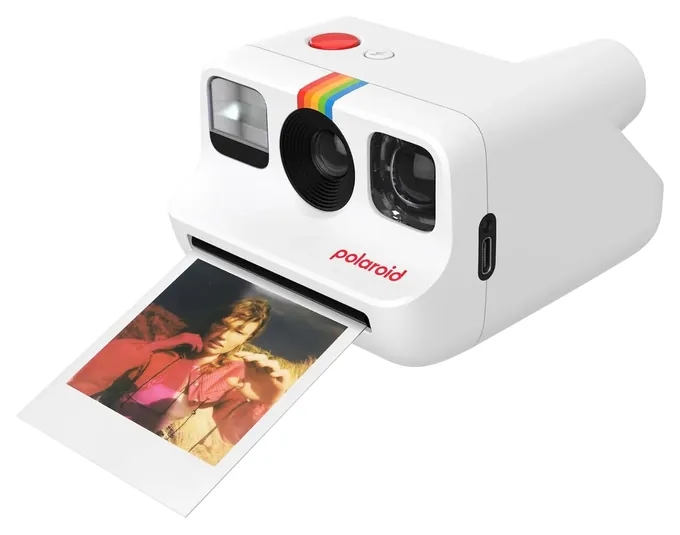
Instax Square gives a 1:1 picture, and Instax Wide roughly doubles the Mini's width, which suits groups and landscapes. Both cost more per sheet than Mini film. Polaroid's i-Type and 600 film make the large square print with the deep bottom border, at about two dollars a shot, and Go film is a smaller square that costs about the same (ExpertPhotography).
So work out how many pictures you expect to take. A party camera that burns through a few packs a month makes Mini film the sensible choice. If you only shoot on special occasions, the larger Polaroid print may be worth the extra cost.
Automatic, Manual Or Hybrid
Most entry-level Instax cameras are fully automatic. They read the light, set the shutter and fire the flash on every shot. That makes them hard to get wrong indoors, but bright sun can wash pictures out. In TechGearLab's side-by-side review of 13 instant cameras, the fully automatic Instax Mini 11 often produced washed-out shots in strong light.
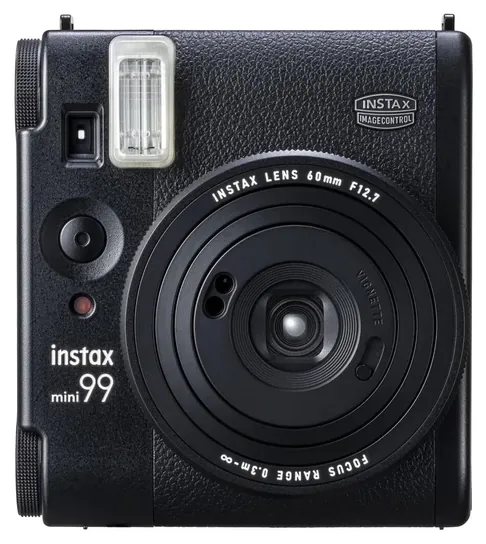
A step up gives you dials. The Fujifilm Instax Mini 99 adds brightness control, focus range and colored light effects, and Cameralabs praised how much it can do. Lomography's Automat adds long and multiple exposures plus clip-on lenses. Polaroid's Now line adds autofocus.
Hybrids such as the Fujifilm Instax Mini EVO take a digital picture first and print only the ones you like, which saves film and lets you print from a phone. The trade-off is that the print comes from a small digital file, not a direct exposure, and some buyers feel that misses the point of instant film.
Light, Cold And Airport Scanners
Polaroid prints are sensitive to light for the first moments after they leave the camera, so turn them face down or slip them into a pocket while they develop. Cold slows development, so keep prints warm in winter. Instax prints are less fussy, but Fujifilm still advises using its film roughly between 5 and 40 degrees Celsius.
Carry film in your hand luggage when you fly. Polaroid says X-ray scanning can strip color from its film and suggests asking for a hand inspection (Polaroid). Never open a film pack in daylight, and don't cut prints apart: the chemicals that develop the picture sit inside the border.
Batteries matter too. Most Instax models run on AA cells, while Polaroid's current cameras and the Instax Mini 99 and Mini EVO charge over USB. Keep spare AAs in the bag if your camera uses them.
How we researched this
We compared 19 instant cameras and printer cameras, read Fujifilm's and Polaroid's published specifications for the 8 finalists, weighed film cost per shot, studied long-running independent reviews and patterns in owner feedback, and checked every brand for recalls with the U.S. Consumer Product Safety Commission. Updated November 1, 2026 by Ezvid Wiki Admin.
Frequently asked questions
What is the best instant camera for a beginner?
The Fujifilm Instax Mini 13. It sets the exposure on its own, has a close-up mode for selfies, and uses Instax Mini film, the cheapest instant film you can buy.
Is Polaroid or Instax better?
Instax film is cheaper and more forgiving, and the cameras are simpler. Polaroid prints are larger and have the classic look, but the film costs two to three times as much per shot and needs shade while it develops.
Which instant camera has the cheapest film?
Any camera that takes Instax Mini film, including the Fujifilm Instax Mini 13, Mini 99, Mini EVO and the Lomography Lomo'Instant Automat. Mini film usually costs under a dollar a shot in multipacks.
Can an instant camera print photos from my phone?
Hybrids can. The Fujifilm Instax Mini EVO prints phone pictures through an app on regular Instax Mini film. If that's the main use, a dedicated photo printer may suit you better.
Why do my instant photos come out washed out?
Automatic Instax cameras fire the flash every time, so bright scenes can come out too light. Shoot with the sun behind you, or pick a camera with brightness control, such as the Instax Mini 99.
Can instant film go through airport X-ray machines?
Carry it in your hand luggage. Polaroid says X-ray scanning can strip color from its film, so it suggests asking security for a hand inspection.