The 10 Best Hockey Nets
Updated by · How we research

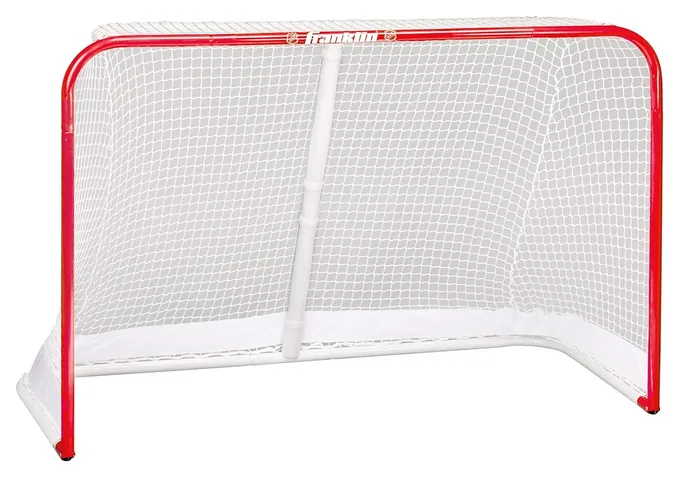
Ten hockey goals compared, from regulation steel to junior and knee-hockey sets. The Franklin NHL Championship leads with a full-size opening and wheels. When users buy our independently chosen editorial choices, we may earn commissions to help fund the Wiki.
A regulation hockey goal opening is six feet wide and four feet tall, and steel posts about an inch and a half thick are what stand up to real pucks. Plastic pipe frames are made for balls. This list is for families setting up a driveway, backyard rink or basement game, from toddlers on their knees to teens with a slap shot.
At a Glance
-
1
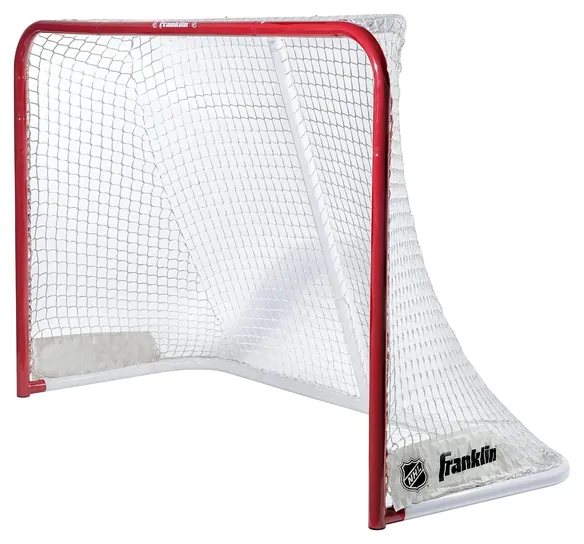
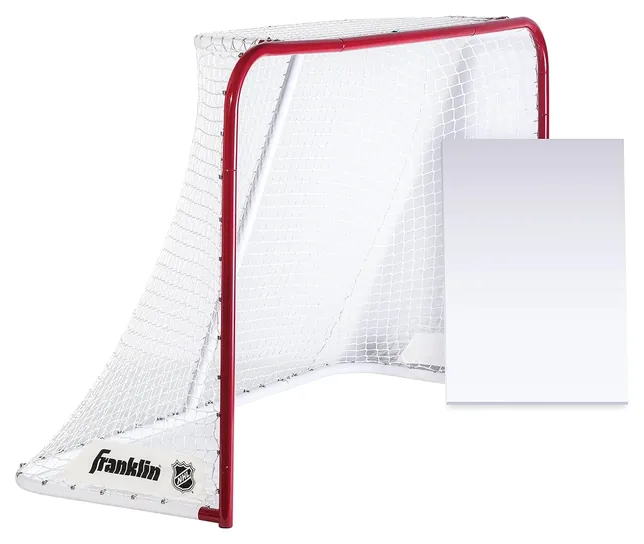
 Franklin NHL Championship
$199
-
2
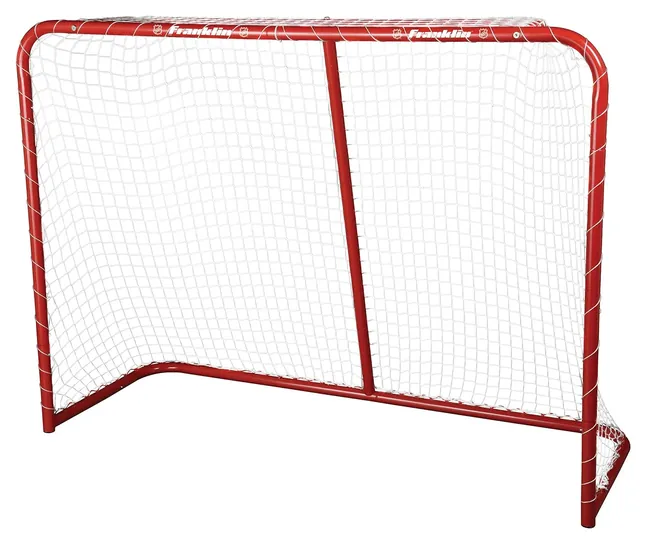
 Franklin NHL Street + Roller
$136
-
3
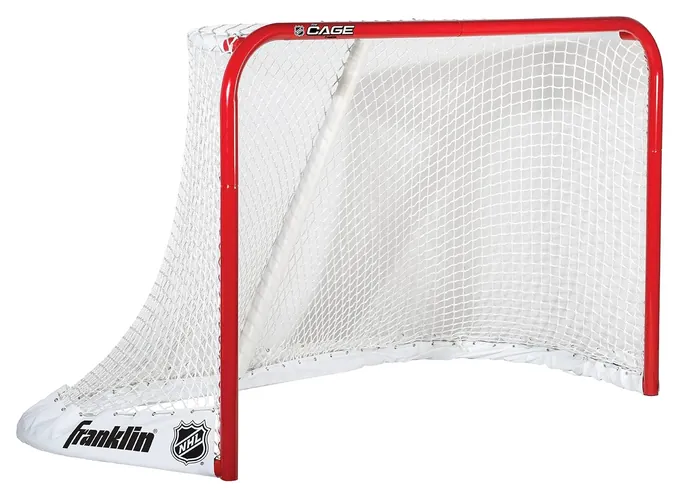
 Franklin NHL Cage
$249
-
4
 Franklin Youth Steel Goal
$63
-
5
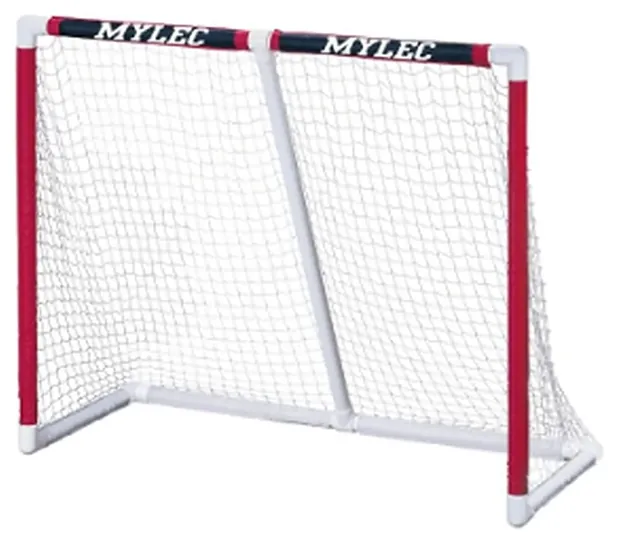
 Mylec PVC Junior Goal
$59
-
6
 Franklin NHL Quikset
$219
-
7
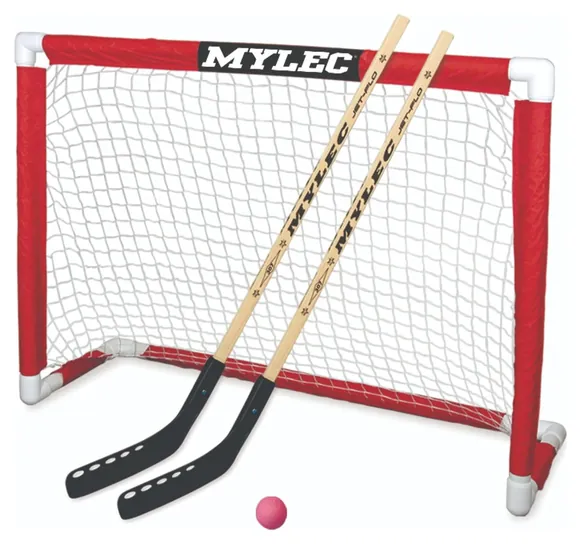
 Mylec Deluxe Hockey Set
$84
-
8
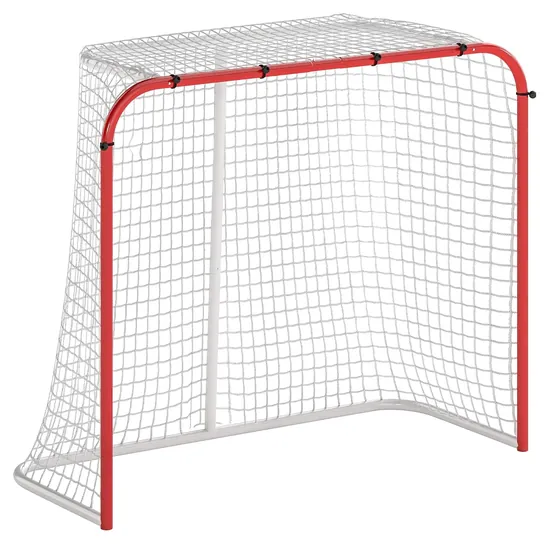
 Soozier Street Goal
$82
-
9
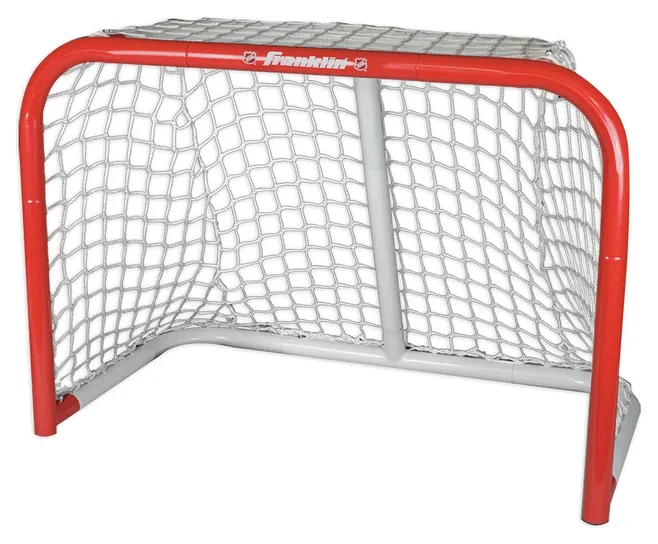
 Franklin Mini Steel Goal
$69
-
10
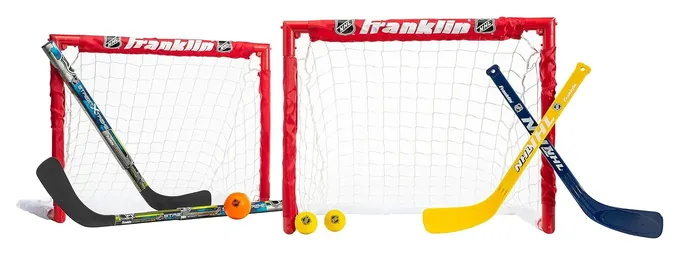
 Franklin Kids Folding Goals
$35
Editor's Notes
October 27, 2026, by Ezvid Wiki Editors:
The Franklin NHL Championship now leads this list. It has a full regulation opening, steel posts thick enough for pucks and wheels that let one person move it. Both EZGoal goals that used to sit on top have disappeared from sale, along with the Mylec All-Purpose. We also cut the Franklin Sports Mini set and the Mini Skill Goal, since the Franklin Mini Steel Goal and the Franklin Kids Folding Goals cover small players better.
The Franklin NHL Cage, the Franklin NHL Street + Roller and the Mylec Deluxe Hockey Set stay. The deciding facts were post thickness, frame material and how each net attaches, along with a pattern that showed up again and again in owner feedback: lacing a pre-fit net onto a steel frame takes far longer than people expect. That's why the Franklin NHL Quikset, with its clip-on net, earned a spot.
The old note's advice still holds. A regulation opening is six feet by four feet, and shooting at anything smaller won't train the same aim.
Earlier notes
May 26, 2020, by Daniel Imperiale:
We got rid of a few options from our last ranking that weren't quite right for the sport of hockey, including the GoSports Barrier and the Clevr Pop Up Portable, the latter of which comes with a shooter tutor that would encourage you to aim for the center of a goalie's chest, which is exactly what you don't want to do. On the point of shooter tutors, it's tough to find one that actually places holes where low shots are most effective, especially against tenders who are either dropping into a VH or a reverse VH to support their catching glove. Even standard butterfly takes away the portions of the net low and outside, and a good tutor should place its low holes at the five hole and about a foot above the ice or pavement against either post.
Perhaps the most important consideration here, however, is the size of the net, as standard hockey goals are six feet wide and four feet high. Anything smaller and the shooting skills you develop might not translate to the real game. The Mini Skill Goal is a definite exception to that rule, however, as it's designed less to help you score and more to help you develop passing accuracy. It does come in handy if you don't have a goalie, though.
Also, consider whether the net is going to be used on pavement, ice, or tile. Few items can handle more than one, specially as ice is particularly slippery, and the pucks there are much heavier than street hockey balls or indoor roller pucks. For ice, look for thick, wide tubes and screw-type anchors at the base of the posts like you see on the EZGoal Folding.
Special Honors
X Hockey Products Official Regulation Goal X Hockey Products builds a rink goal to order with thick steel front posts and a choice of three depths, sold with a freight quote rather than a cart price. The company says the frame has been the NHL's official goal since 1985. It suits rink owners, clubs and backyard-rink builders who want the real thing. xhockeyproducts.com
Pro Net Sports Pro Net Sports, based in Mississauga, Ontario, makes hockey goal frames, nets and accessories, plus netting for arenas and other sports. It says it supplies NHL teams and has provided equipment for outdoor league games and the 2010 Winter Olympics. It's a source for replacement nets and rink-grade frames. pronetsports.ca
Regulation, Junior Or Mini: Pick The Opening First
Most driveway goals sold as regulation match the width and height but are shallower, often 30 to 36 inches, which saves space but lets some shots pop back out.
Pro and college goals have a 72-inch-wide by 48-inch-tall opening and run about 40 inches deep, according to FloHockey's rundown of goal dimensions. Most driveway goals sold as regulation match the width and height but are shallower, often 30 to 36 inches, which saves space but lets some shots pop back out.
Junior goals are usually 54 by 44 inches. They suit younger kids and small driveways, and they're far lighter to move. Mini goals around 28 by 20 inches are for knee hockey and mini sticks indoors, not for full-length sticks.
If a player is in a league, practicing on the full-size opening builds the right aim. For the real thing, rink goals such as the X Hockey Products official goal come in 34, 40 and 44-inch depths and are built to order, at a rink-equipment price.
Steel Or Plastic, And How The Net Goes On
Steel is the material for pucks. Driveway goals use posts of about 1 to 2 inches; the thicker the tube, the better it shrugs off hard shots. In a long-term review, How To Hockey found that a 2-inch steel goal took weeks of hundreds of slap shots a day with only small dents and one hole in the net. Thin 1-inch tubing can dent sooner.
PVC pipe goals, like the ones Mylec makes, are light and cheap and fine for balls and plastic pucks. A real puck at full speed can crack them, especially in the cold.
The net is where most setup time goes. Pre-fit nets lace or clip onto loops along the frame, and How To Hockey's frame took about 10 minutes while the net took about 30. Sleeve nets slide over PVC posts with no lacing. Franklin's steel goals carry a 90-day limited warranty, per retailer listings such as Kohl's, so check the frame and welds right after assembly.
Ice, Pavement And Keeping It Put
On ice, a goal needs spikes or pegs so it doesn't slide when a puck hits the back of the net, and a skate guard tarp along the bottom keeps blades out of the mesh. Rinks use flexible pegs such as Marsh pegs, which X Hockey Products sells for its goals. On pavement, small wheels make it easy to roll a goal off the street, and a sandbag on the back bar stops it from drifting.
Anchor or weigh down any portable goal outside. The U.S. Consumer Product Safety Commission has tracked deaths from unanchored soccer goals tipping onto children. Hockey goals are lower and lighter, but the same habits apply: weigh them down, and don't let kids climb or hang on the crossbar. Light, shallow goals can blow over, and some makers warn against using them in strong wind.
For storage, take the net off and keep the frame dry to slow rust. We found no CPSC recalls of hockey goals from any brand on this list.
How we researched this
We compared 22 hockey goals and goal sets, checked makers' specs for the 10 finalists, read the one long-term review we found and owner feedback on assembly, dents and net wear, and searched U.S. Consumer Product Safety Commission recall records for every brand. Updated October 27, 2026 by Ezvid Wiki Editors.
Frequently asked questions
How big is a regulation hockey net?
The opening is 72 inches wide and 48 inches tall, and pro goals run about 40 inches deep. Many driveway goals sold as regulation keep the opening but are shallower.
Should I get a steel or PVC hockey goal?
Get steel if anyone shoots real pucks. PVC goals are lighter and cheaper and fine for balls and young kids, but hard puck shots can crack them.
Can a street hockey goal take pucks?
A steel goal with posts of about 1.5 inches or more can. Thin steel can dent and plastic can crack, and pucks wear out light nets quickly.
How long does a hockey goal take to put together?
The frame takes minutes. Lacing a pre-fit net is the slow part and often takes half an hour or more. Clip-on and sleeve nets go faster.
How do I keep an outdoor hockey goal from moving or blowing over?
Use spikes or pegs on ice. On pavement, put sandbags on the back bar, and don't leave light goals up in strong wind.