
The 9 Best High Caffeine Teas
Updated by · How we research

Boosted black teas, breakfast blends and pu-erh compared by published caffeine, flavor and brewing. Zest Blue Lady leads at about 150 milligrams a bag. When users buy our independently chosen editorial selections, we may earn commissions to help fund the Wiki.
In the strongest tea bags, much of the caffeine is added rather than grown: makers fortify black tea with caffeine drawn from tea leaves to reach about 150 milligrams, close to a mug of coffee. The FDA puts an ordinary cup of black tea at 30 to 50 milligrams. This page is for tea drinkers who want coffee-strength mornings.



Editor's Notes
October 22, 2026, by Ezvid Wiki Editors:
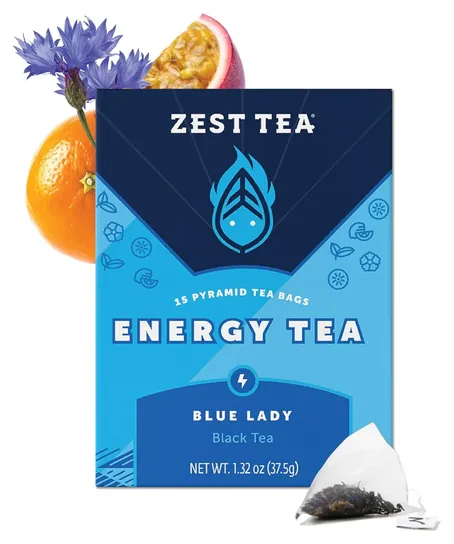
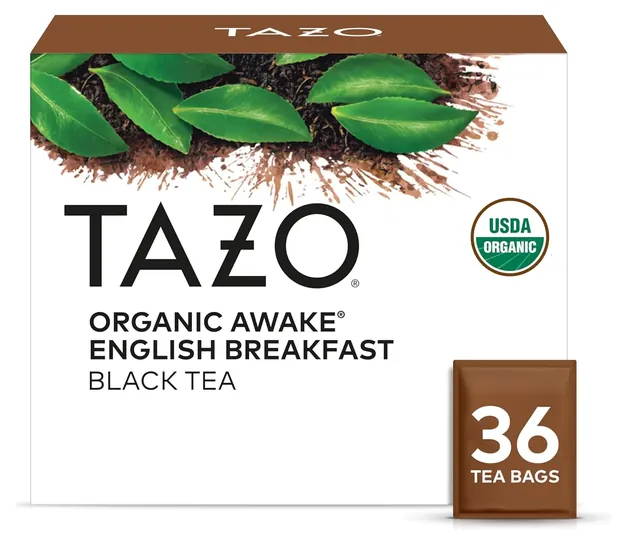
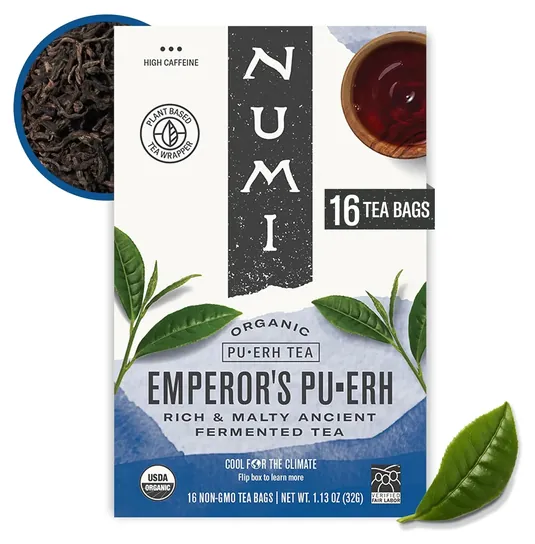
Zest Blue Lady now leads this list. Its maker puts about 150 milligrams of caffeine in each bag, one of the highest figures any tea maker publishes, and it still tastes like black tea rather than an energy drink. The Republic of Tea HiCAF stays, as do Numi Emperor's Pu-erh and Tazo Awake, which now comes as tea bags instead of coffee-maker pods.
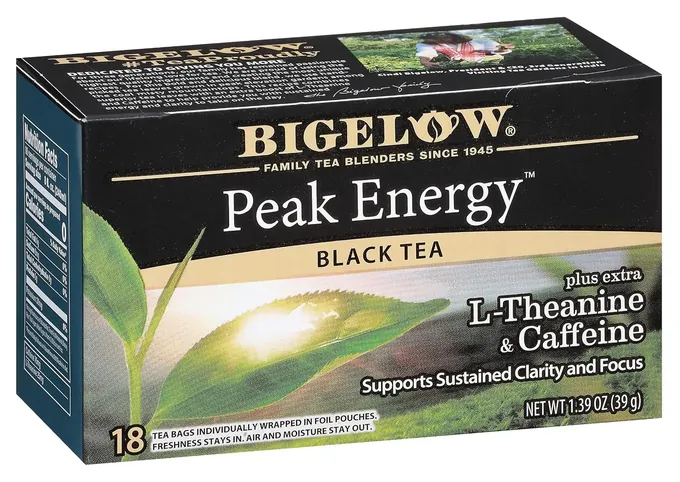
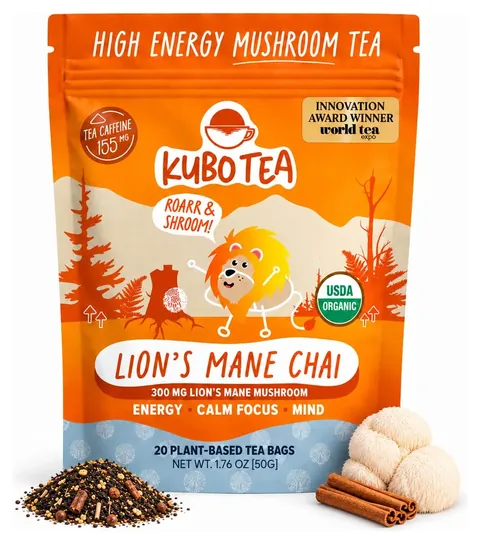
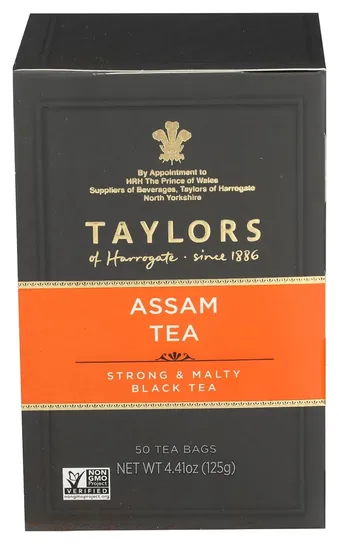
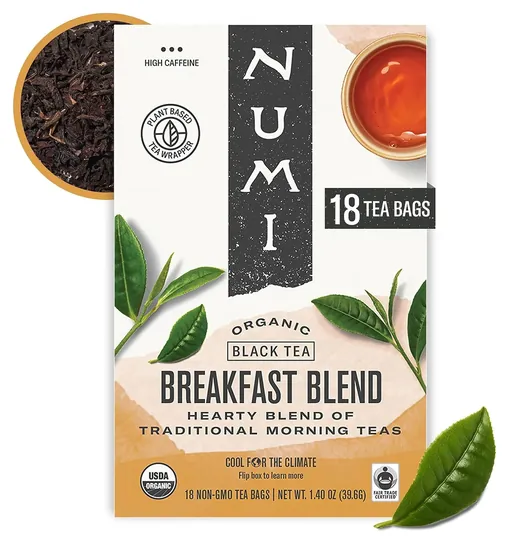
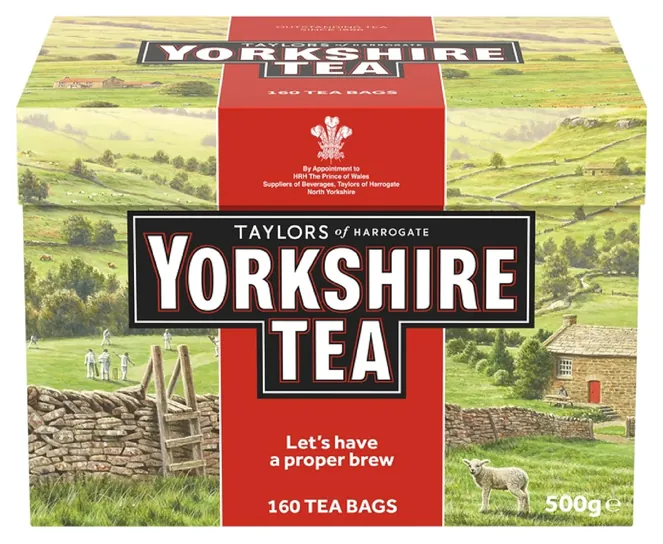
The page now sticks to real tea. The Solstice Tuo Cha and Stash Super Irish Breakfast are no longer available. Yogi Raspberry Passion Perfect leaned on herbs for its lift, and Tiesta Passion Berry Jolt and Celestial Seasonings Energy gave no caffeine figure we could confirm. Bigelow American Breakfast gave way to Bigelow Peak Energy Plus, which states its caffeine. Kubo Lion's Mane Chai, Taylors of Harrogate Assam, Numi Breakfast Blend and Yorkshire Tea Red are also new.
No lab has published tests of these boosted teas, so each caffeine number here comes from its maker, set against the FDA's ranges for brewed tea and coffee and a table of brewed-tea lab readings. We looked at matcha too, but its maker's own serving lands below a strong black tea, so it lives in the guide.
Earlier notes
November 20, 2020, by Sheila O'Neill:
When updating this list, we focused on making sure that every offering can truly be considered higher-than-average in caffeine, compared to a typical cup of tea. For this reason, we removed Solstice Tea Traders Gunpowder, Shaklee 180, and IntegriTea Energize, as they are all green teas that have less caffeine per serving than black tea.
One green tea that does deserve a spot in this category is Celestial Seasonings Energy, which features tea extract in addition to the leafs and boasts 95mg of caffeine per serving.
For many tea lovers, pu-erh is the quintessential high-caffeine tea. Instead of being mixed with extracts, this type of tea is naturally more energizing as a result of its fermentation process, which also gives it a rich, earthy flavor. We added two pu-erhs: Numi Emperor's Pu-erh, which comes in bags, and Solstice Tuo Cha, which comes in single-serve tea cakes.
Tiesta Passion Berry Jolt is a sweet and fruity tea that's a good choice for those looking for strong flavors. On the other hand, Bigelow American Breakfast is a basic black that's better suited to people who want their beverage plain and simple.
Some selections come in bags, while others are loose leaf. Many tea drinkers prefer loose leaf because it makes it easy to customize your dose, and even mix different teas together. However, if you're looking for the most convenient way to make a mug of tea in the morning, it might make more sense to get a box of bagged tea.
May 21, 2019:
We considered the top reasons people switch from coffee to tea in making our selections, and one of those is that regular old joe can be quite tough on sensitive stomachs, with its high acidity content. So we made sure to include options that are gentle on the digestive tract, like Zest High Octane, which consumers with fragile stomachs tend to digest without issue. Meanwhile, IntegriTea Energize contains ginseng, which can specifically work to soothe an upset stomach, and Celestial Seasonings Morning Thunder has only two ingredients, so there won't be an surprise additives that may cause indigestion. We do understand that for some, that intense energy boost is non-negotiable, which is another reason Zest High Octane — boasting more caffeine per cup than coffee — caught our attention. Solstice Tea Traders Gunpowder is another one that will give you a kick, as it is a super-caffeinated green variety. We wanted our selection to also represent the many other benefits tea can offer, so we like Yogi Raspberry Passion Perfect because it has several healthful herbs and spices, and IntegriTea Energize stood out again for its lemon myrtle, which can fight cold and flu symptoms.
Where The Caffeine Comes From
The teas sold as high caffeine close that gap by adding caffeine.
Tea leaves carry their own caffeine, but not much per cup. The FDA puts an 8-ounce cup of black or green tea at about 30 to 50 milligrams and the same cup of coffee at 80 to 100. Other references run wider: Healthline gives black tea 25 to 110 milligrams, depending on the leaf and the brew.
The teas sold as high caffeine close that gap by adding caffeine. The Republic of Tea says its HiCAF line adds green tea extract and caffeine taken from tea leaves, which brings a 6-ounce cup to 116 to 150 milligrams, against about 50 for its regular black tea (Republic of Tea). Zest and Kubo work the same way. Unboosted teas sold as strong, such as Assam and breakfast blends, rely on bold leaf and a long steep instead.
Pu-erh and matcha come up often. Pu-erh runs anywhere from 14 to 125 milligrams per cup (DAVIDsTEA), and Numi says it can't promise a number for its own because harvest and brewing change it (Numi). Matcha is the whole leaf ground to powder, so the dose decides: Medical News Today cites about 19 to 44 milligrams per gram, and makers usually call for half a teaspoon to a teaspoon, about 1 to 2 grams. Yerba mate and guayusa are herbal drinks from other plants, not tea, though both carry caffeine.
How To Brew A Stronger Cup
Steep time matters as much as the box. In lab readings collected by Caffeine Informer, one Lipton bag in 6 ounces of water gave about 17 milligrams of caffeine after one minute, 38 after three and 47 after five. Hotter water pulls out more caffeine too (Healthline). So use water at a full boil for black tea, cover the cup, and give it the full time on the box: Tazo asks for five minutes, Taylors and Yorkshire four to five, and the Republic of Tea two to four.
More leaf means more caffeine. A Taylors of Harrogate Assam bag holds 2.5 grams of tea, and two bags in a big mug is the simplest way to make any tea stronger.
For iced tea, brew hot at double strength and pour it over a full glass of ice, so the melt doesn't leave it weak. Zest, Kubo, Numi and the Republic of Tea all say their teas work iced. Cold brewing in the fridge is smoother, but cold water draws caffeine out more slowly, so expect a milder glass.
How Much Caffeine Is Too Much
The FDA says up to 400 milligrams a day isn't generally linked to harmful effects in healthy adults, though people vary a lot in how they react. Two cups of a 150-milligram tea already reach 300, so count coffee, soda and energy drinks as well. People who are pregnant, trying to get pregnant or breastfeeding should ask a doctor how much is right, and so should anyone on medicines that interact with caffeine.
The Republic of Tea itself warns that teas with more than 100 milligrams per serving aren't meant for children or for people who are sensitive to caffeine, pregnant or nursing (Republic of Tea). Too much caffeine can bring jitters, a fast heartbeat, an upset stomach and poor sleep, so keep the strongest bags for the morning.
Treat health claims on the boxes as marketing. Some blends add mushrooms or extra L-theanine, and solid human research doesn't back most of what's promised. None of the brands here had a recall with the U.S. Consumer Product Safety Commission, but that agency doesn't cover food, so the FDA's recall list is the place to check.
How we researched this
We compared 22 teas, including every pick from the earlier list, read makers' caffeine figures, ingredient lists and brewing directions, set them against the FDA's caffeine ranges and published brewed-tea lab readings, analyzed owner feedback, and checked every brand for recalls with the U.S. Consumer Product Safety Commission. We found no independent lab test of the boosted teas, so their caffeine figures are the makers' own.
Sources (12)
- FDA: Spilling the Beans: How Much Caffeine Is Too Much?
- Healthline: caffeine in green and black tea
- Medical News Today: does matcha have caffeine
- The Republic of Tea: which tea has the most caffeine
- The Republic of Tea: HiCAF Cinnamon Toast
- Bigelow: Peak Energy Plus
- Numi: Emperor's Pu-erh
- Tazo: Organic Awake English Breakfast
- Caffeine Informer: Zest Tea
- Caffeine Informer: brewed tea caffeine
- DAVIDsTEA: how much caffeine is in tea
- FDA: recalls, market withdrawals and safety alerts
Frequently asked questions
Which tea has the most caffeine?
Boosted black teas lead. Zest puts about 150 milligrams in each Blue Lady bag, and Kubo claims 155 for its chai. Among plain teas, a strong black tea such as Assam steeped for five minutes beats green tea. Matcha can go higher, but only if you use more powder.
Does high-caffeine tea have more caffeine than coffee?
A boosted tea bag at 116 to 155 milligrams matches or tops an 8-ounce cup of brewed coffee, which the FDA puts at 80 to 100 milligrams. Ordinary black tea carries about half that.
Does green tea count as high caffeine?
Not usually. The FDA puts green and black tea at about 30 to 50 milligrams per 8-ounce cup. Matcha is the exception if you whisk a heaped teaspoon or more of powder into one cup.
Can I drink these teas iced?
Yes. Zest, Kubo, Numi and the Republic of Tea all say their teas work over ice. Brew hot at double strength and pour it over plenty of ice so the melt doesn't water it down.
Is high-caffeine tea safe during pregnancy?
Ask your doctor first. The FDA advises people who are pregnant or breastfeeding to check with a health care provider about caffeine, and the Republic of Tea warns pregnant and nursing people away from its HiCAF teas.
Does steeping longer add caffeine?
Yes, up to a point. Lab readings show a Lipton bag nearly tripling its caffeine between one and five minutes of steeping. Hotter water and more leaf add more too.