The 9 Best Heat Diffusers
Updated by

Our top heat diffuser is the HIC Simmer Plate. Nine flame tamers and simmer plates compared for gas, electric, glass and induction stoves. When users buy our independently chosen editorial choices, we may earn commissions to help fund the Wiki.
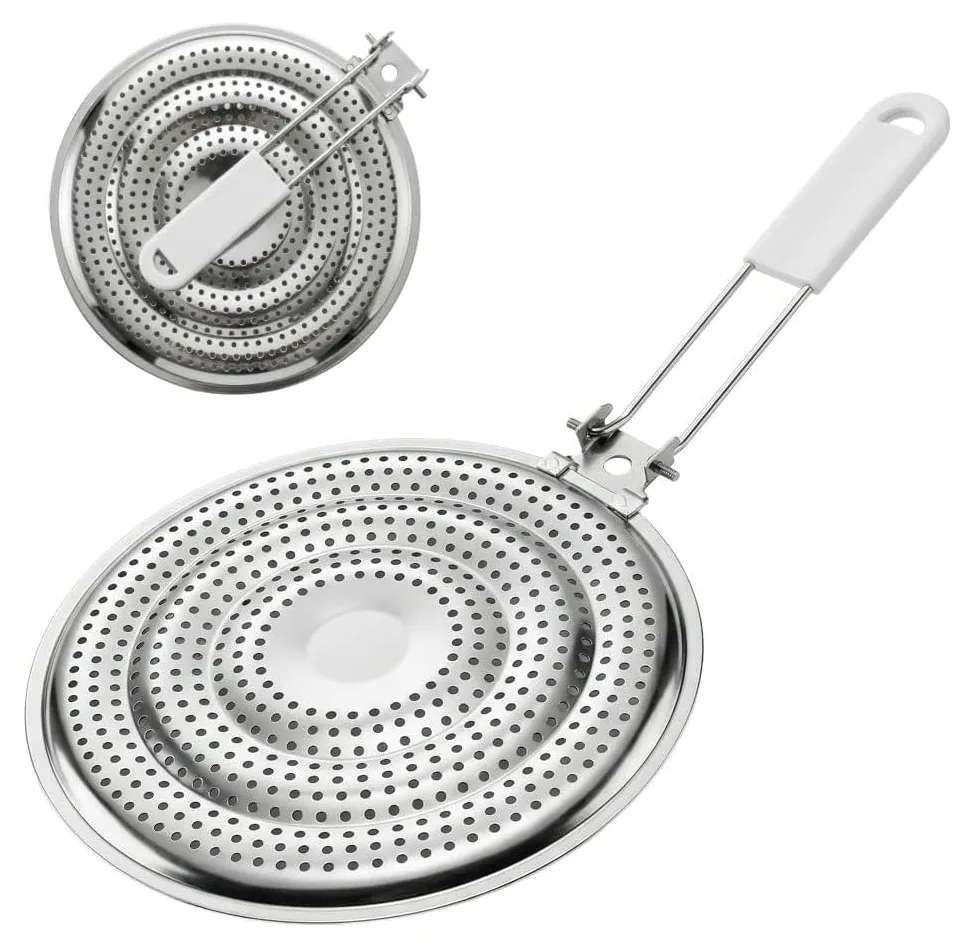
A heat diffuser, also called a flame tamer or simmer plate, sits between a burner and a pot to spread the heat and soften hot spots. Cooks use one for sauces, rice, milk and slow stews, and to steady small pots like moka makers. Models differ in material, size, weight and which cooktops they suit, glass and induction included.
Editor's Notes
October 17, 2026, by Ezvid Wiki Admin:
This list hadn't been re-ranked since 2020, and several picks had vanished. The Fitz-All Diffuser, the Artestia Disc and the Chefland Heat Master are no longer available. The Unicook Deflector Stone was a kettle-grill part, not a stovetop tool, so it's gone too. We also retired the 7-inch Ilsa Flame Guard, which we couldn't confirm is still sold, in favor of the larger Ilsa Cast Iron Diffuser. The copper plate in our special honors went as well, because its seller's site no longer loads.
The HIC Simmer Plate moves to the top. It's cheap, light, and its maker approves it for gas, electric and glass stoves. The Cooks Innovations SimmerMat stays as the pick for glass tops and induction, and the Nordic Ware Heat Tamer and Kuhn Rikon Energy Saver stay for coil burners and big pans on gas.
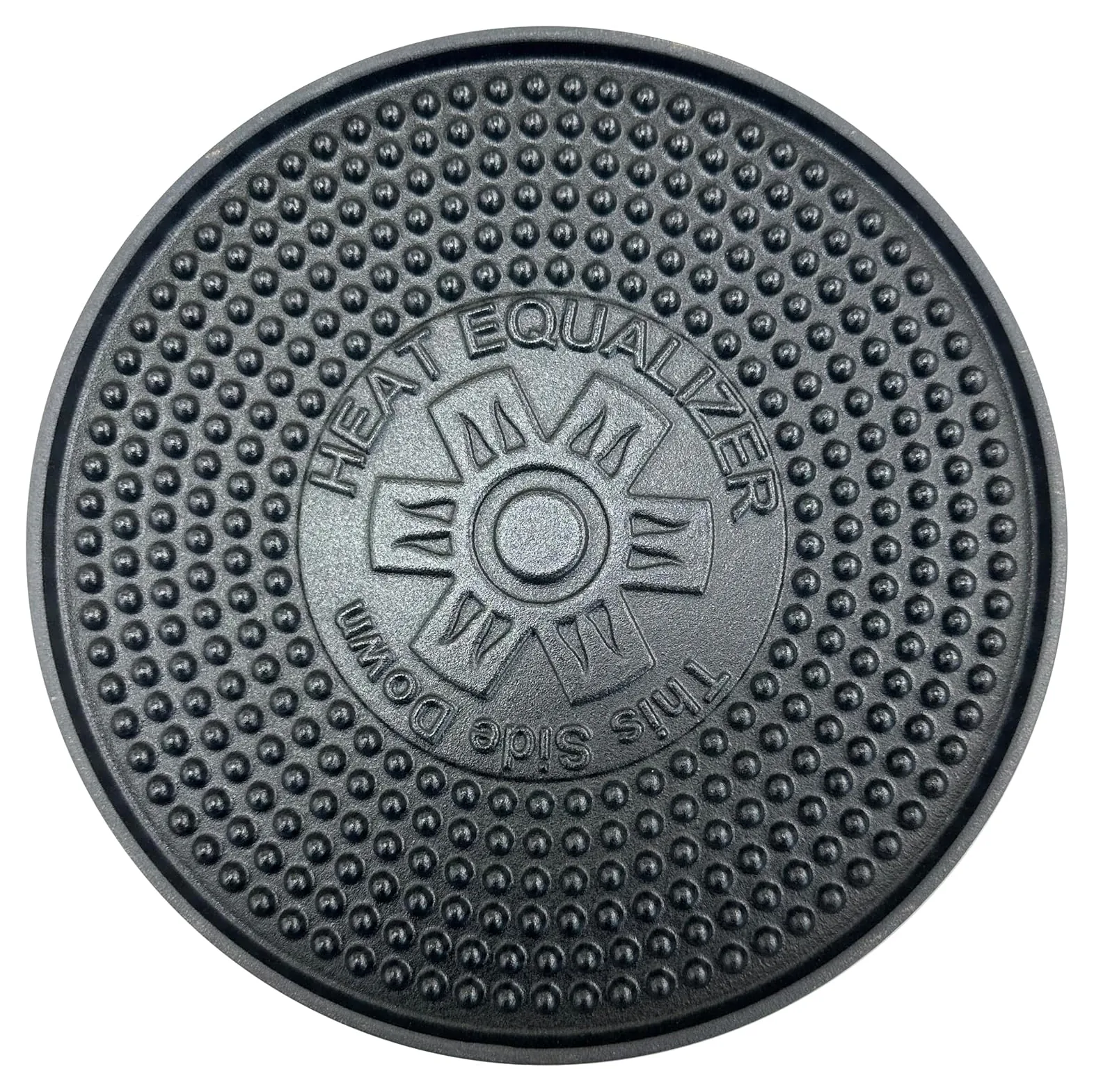
New are the Heat Equalizer Cast Iron for big pots, the Aunt Shannon's Cast Iron Set with two sizes, the Runzi Induction Adapter for pans that won't work on induction, and the Teabloom Diffuser Trivets, which take over the glass-teapot job the Fitz-All used to do.
Most readers ask about glass-top stoves, and that's where makers disagree. Some approve their plates for glass, others say never. Read your range's manual before you buy. We also found no independent lab tests of heat diffusers, so this ranking leans on makers' specs, an appliance maker's cookware guidance, owner feedback patterns and recall checks.
November 09, 2020:
A heat diffuser is one of those kitchen gadgets that you probably won't use every single day, but you'll appreciate that it's there when you need it. We've selected a variety that work on all types of ranges, but you should be especially cautious when using these on glass cooktops. Not all of them are designed to be compatible with glass, but even those that are, like the Cooks Innovations SimmerMat, can crack the stovetop if used improperly.
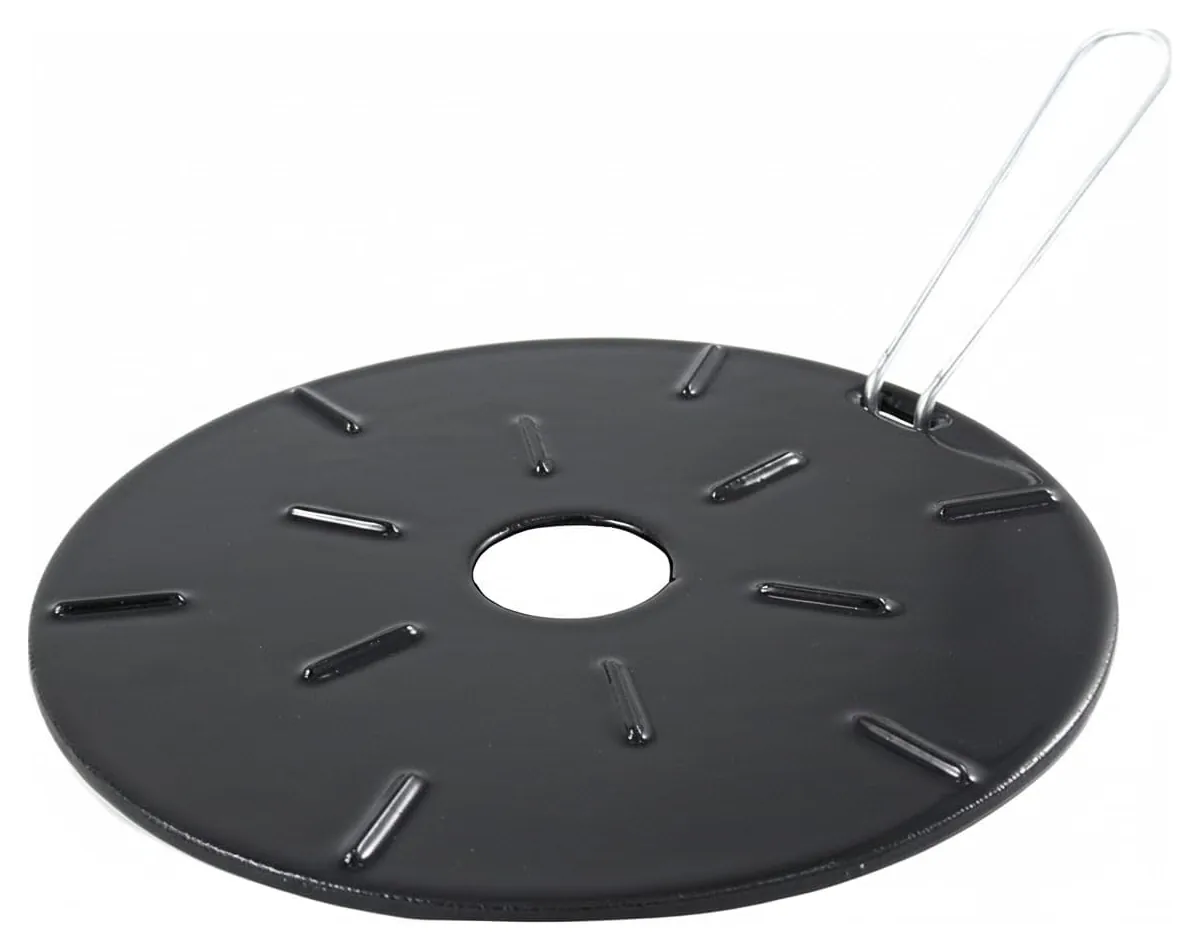
For most users, we still think the Ilsa Flame Guard makes a good choice, although it's possible that the finish can blister when used on extremely high heat. On the other hand, it provides admirable stability, heats evenly, and has a reliable handle. For something lighter, the HIC Simmer Plate is one to consider. It's amply sized but affordable, and its handle comes off for hassle-free storage.
If you have an induction range, you may want to look at the Artestia Disc. This handy choice lets you use any type of cookware on your induction top, so you won't be limited to only induction-ready pans.
Finally, if you're looking for a heat diffuser to help with making coffee or tea, check out the newly added Fitz-All Diffuser. This incredibly inexpensive wire model sits between your glass tea or coffee pot and an electric or gas burner, which makes the glass less likely to suffer damage from thermal shock.
October 09, 2019:
We included in our evaluation of the best heat diffusers some of the best options for a variety of cooktop surfaces.
The Cooks Innovations Simmer Mat is a top choice because of its versatility. The indented points on one side make it safe for induction and glass surfaces, while also serving electric and gas well when using the other side. In addition it's safe for the dishwasher, cementing its place as a diffuser that nearly everyone will love.
The Ilsa Flame Guard takes the top spot even though it won't work with glass or ceramic, just by virtue of its cast iron construction that makes it incredibly durable. The removable handle is a feature that all heat diffusers really should have, and it's simple to remove or put back on, even while it's on the burner. This way you can safely move it while it's still warm if you need the burner for another purpose.
Match The Plate To Your Cooktop
An induction adapter disc lets a glass, copper or aluminum pot work on induction, but it heats slowly, since the cooktop warms the plate and the plate warms the pan.
The type of stove matters more than anything else. On gas, almost any diffuser works. The plate sits on the grate and takes the flame, which also steadies small pots that would tip on wide grates. Check that a wide plate doesn't hang far past a small burner's grate.
On an electric coil, choose a flat, rigid plate. A coil's spiral can scorch a ring into a thin pan bottom, and a solid plate spreads that heat out.
Smooth glass and ceramic tops are where makers disagree, and they're what most shoppers ask about. GE's guidance for its glass cooktops says cast iron isn't recommended because it can scratch the glass, that pans need flat bottoms, and that an empty pan left on a hot element can damage the surface (GE manual). A retailer selling Ilsa's 7-inch cast-iron plate says not to use it on glass (Cooks Warehouse), and Nordic Ware says the same of its Heat Tamer. Others, including HIC and Cooks Innovations (SimmerMat), approve their plates for glass. Read your range's manual first, and only use a plate whose maker approves it for glass.
Induction works differently. The cooktop heats only magnetic metal, so a diffuser has to be magnetic itself. Enameled steel and cast iron qualify. Aluminum and most stainless discs don't. An induction adapter disc lets a glass, copper or aluminum pot work on induction, but it heats slowly, since the cooktop warms the plate and the plate warms the pan.
Cast Iron, Steel, Aluminum Or Wire
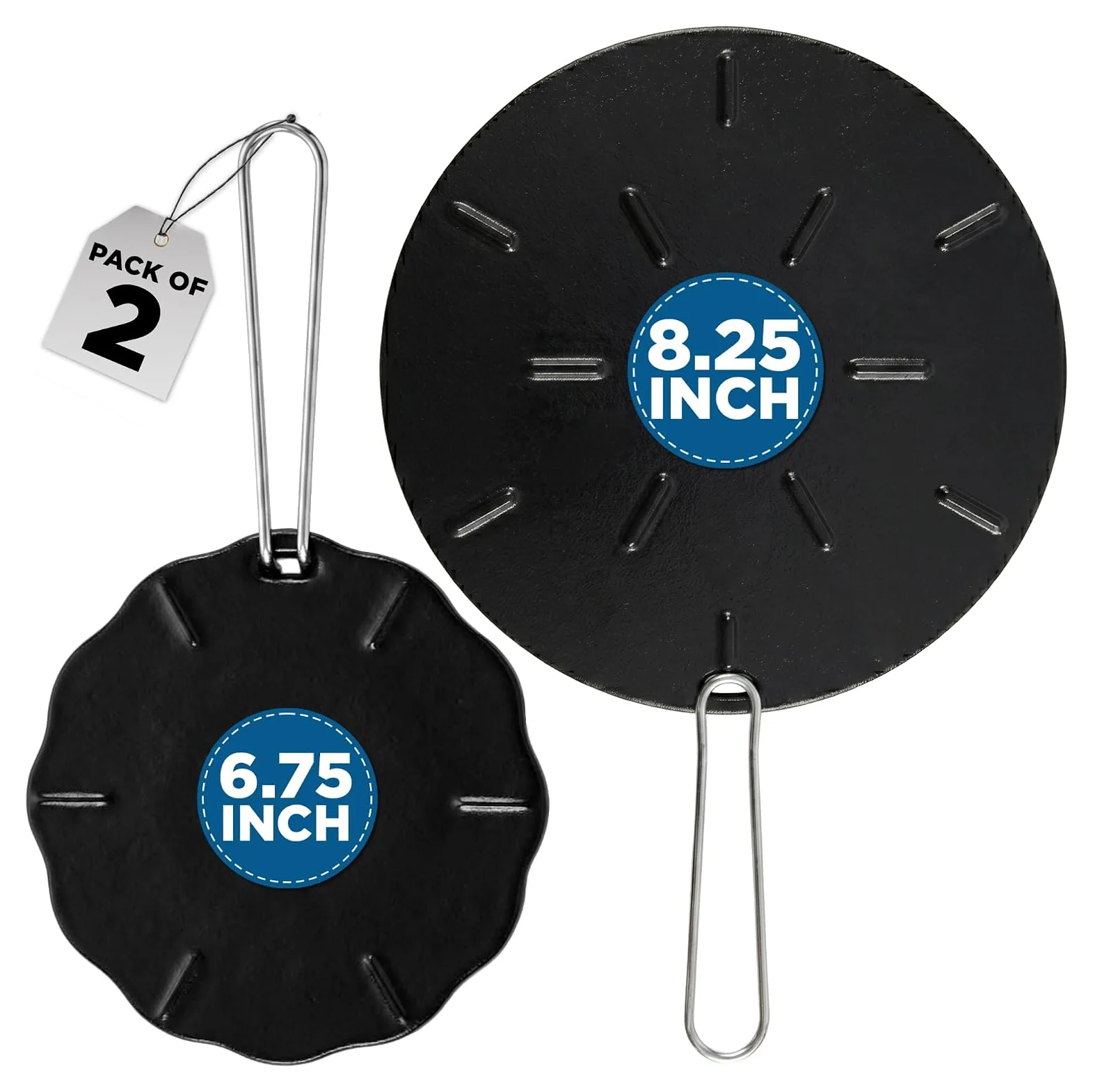
Perforated steel plates, like the HIC, are light, cheap and quick to cool, but they hold little heat. They're best for gentle jobs such as rice, oatmeal and warming milk, and for balancing a moka pot.
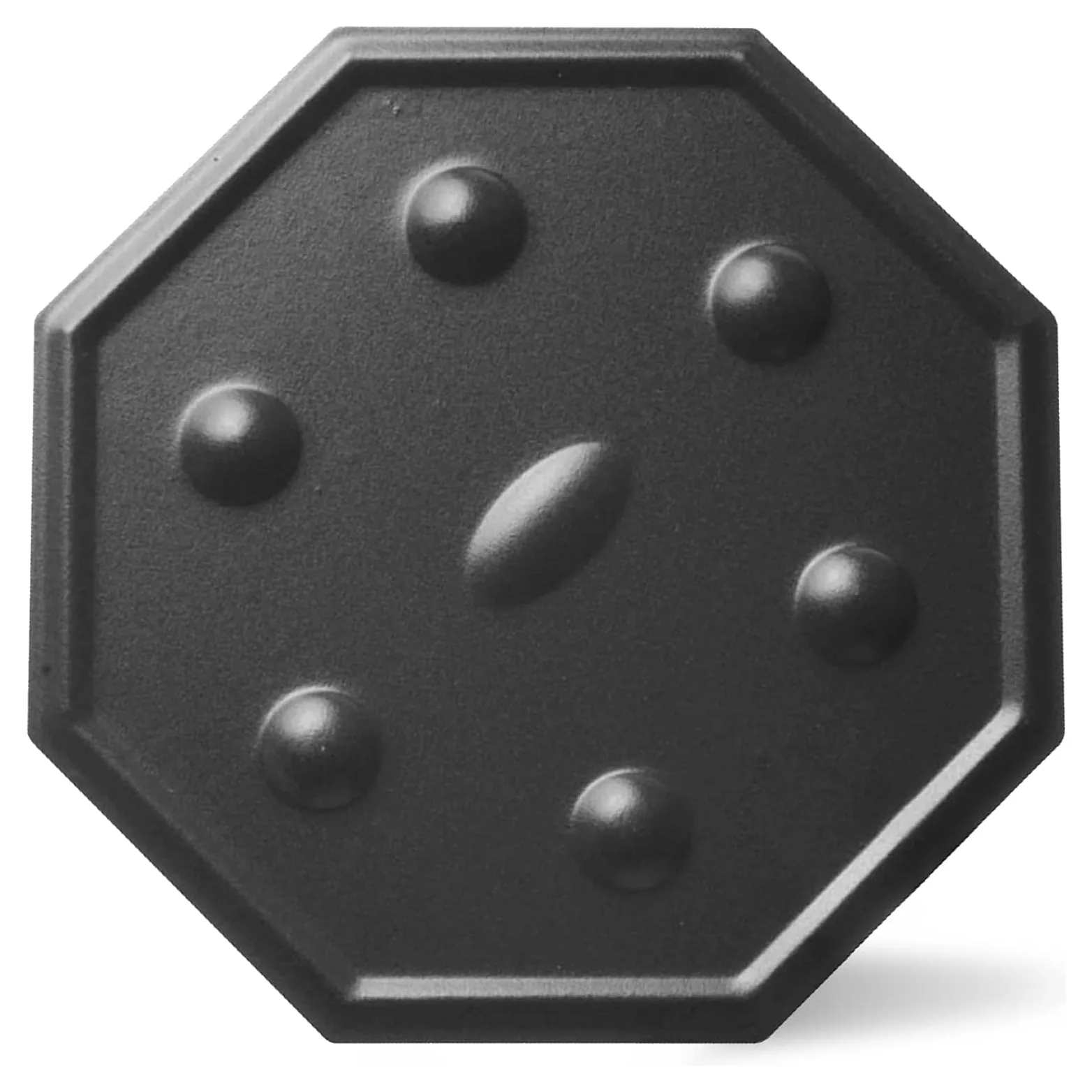
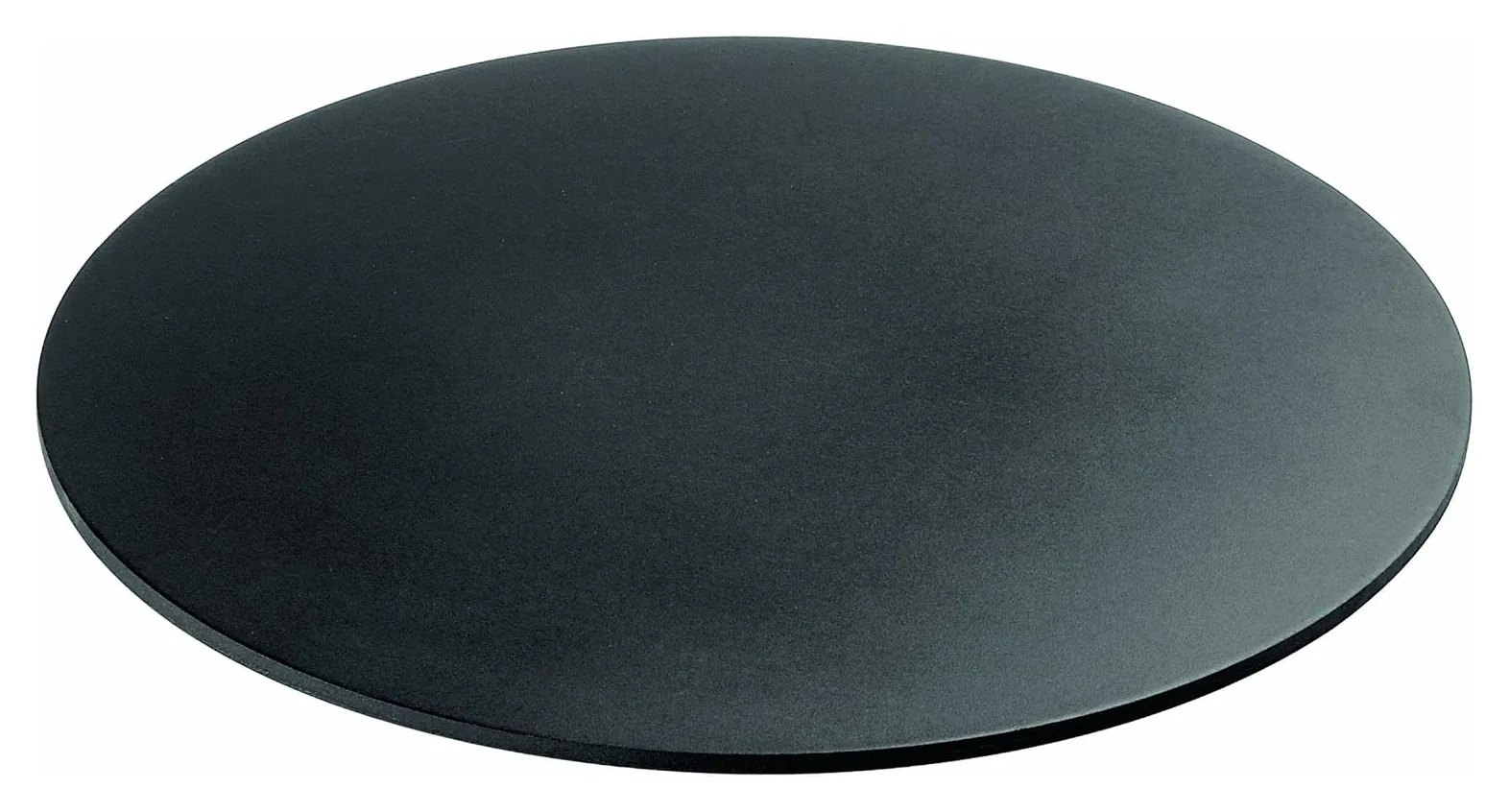
Cast iron is heavy and slow to warm, then holds heat and spreads it evenly. That makes it a good partner for stockpots, Dutch ovens and long simmers on gas. Enameled cast iron resists rust better than bare iron, but most still need hand washing and a thorough drying.
Aluminum and aluminized steel move heat quickly and weigh less than iron. Kuhn Rikon's 11-inch aluminum disc is made for gas only, and Nordic Ware's aluminized-steel plate suits gas and coil.
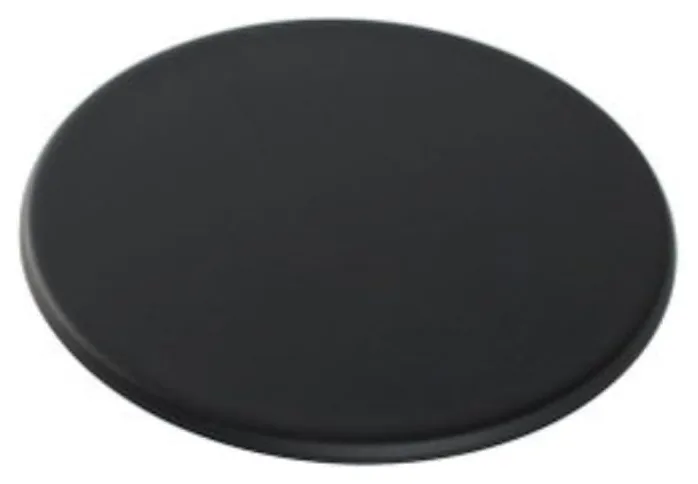
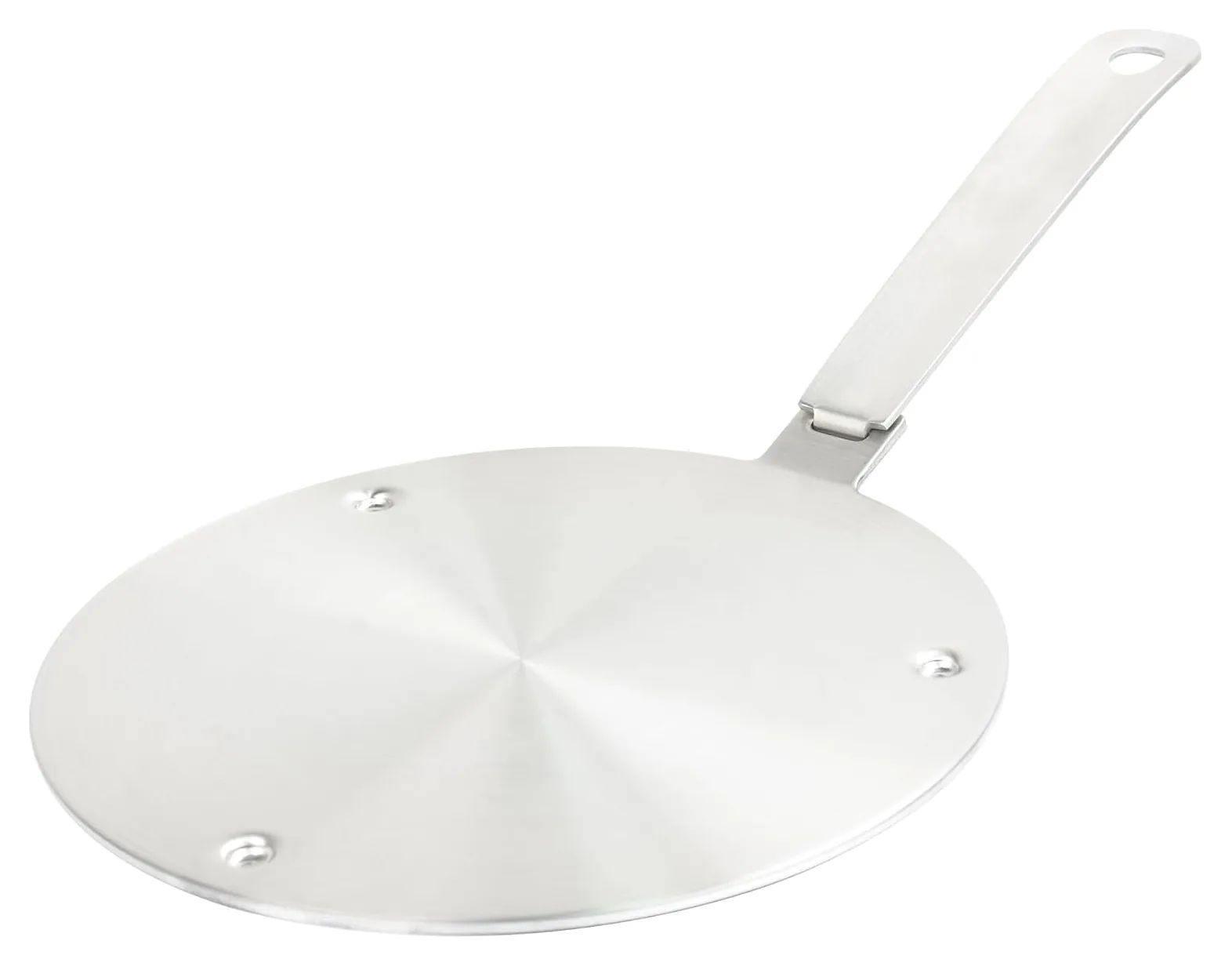
Enameled steel, as in the SimmerMat, is thin, light and magnetic, so it also works on induction.
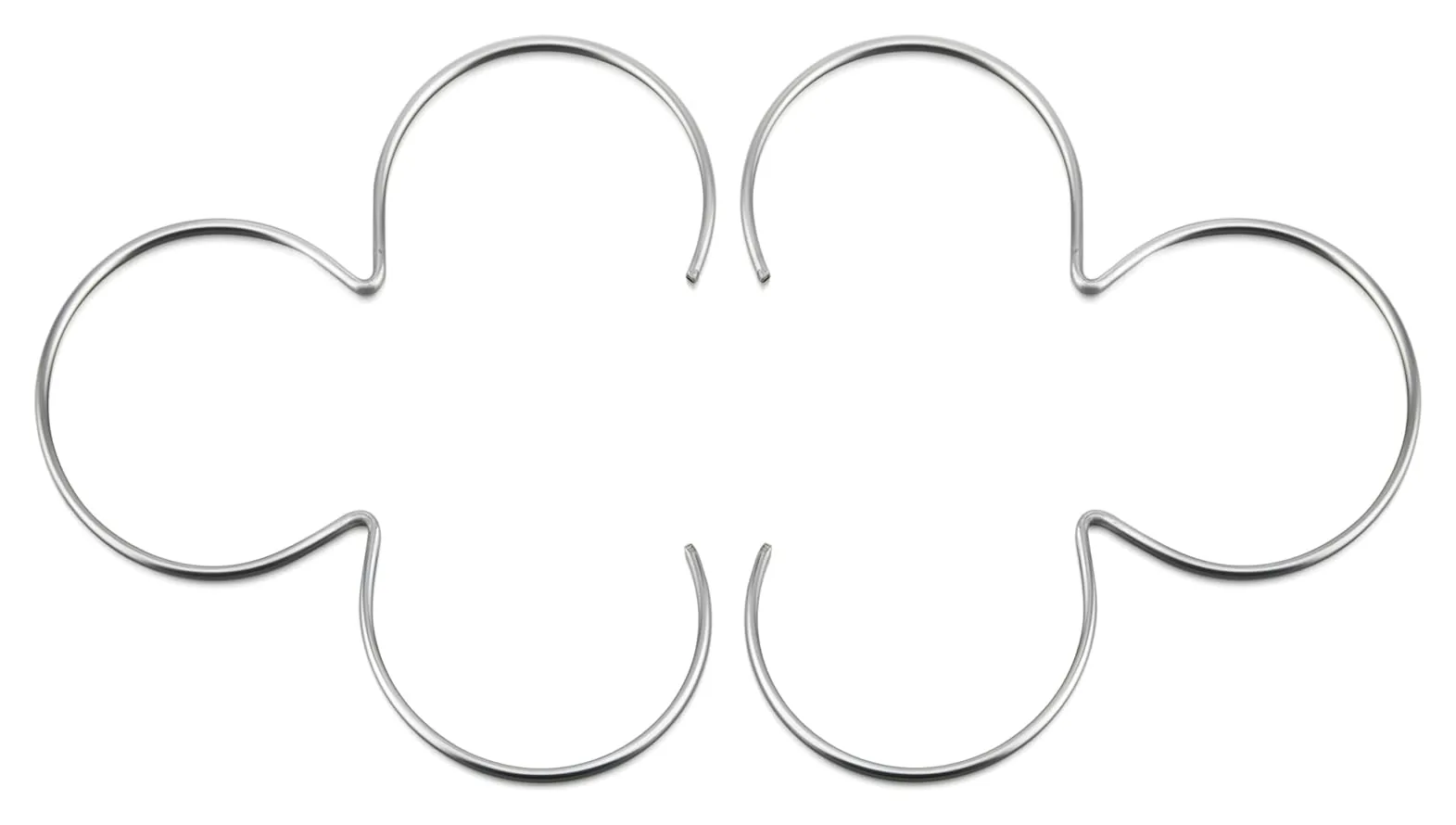
Wire trivets are a separate tool. They hold a glass teapot or coffee pot a little above an electric coil so the glass doesn't sit on the glowing element.
For size, pick a plate at least as wide as the base of the pot you use most. A pot much wider than the plate will still heat unevenly at the edges. Heat Equalizer, which sells cast-iron and aluminum-copper plates, gives an overview of the types on its own site (Heat Equalizer guide), though it's a maker's sales page.
Using A Diffuser Safely
A diffuser slows cooking down, so plan on more time and start with the burner on low to medium. Set the pot on the cold plate and let them heat together. Heat Equalizer warns never to leave its plate on a lit burner without a pot on it (Heat Equalizer), and that's sound advice for any diffuser, especially on glass.
The plate stays hot long after you turn the burner off, and so does any metal handle. Use an oven mitt, and set the plate down on a trivet, never on a counter. On a glass top, lift it, don't slide it.
On gas, watch the flame. It should stay blue and steady under the plate. If it turns yellow, lifts off the burner or goes out, the plate may be blocking its air, so turn the gas off and reposition or remove it.
Sellers often say diffusers save energy, but we found no tests that back this up. A plate between flame and pot loses some heat, and its real job is control, not efficiency.
Clay pots and tagines are a classic use. A diffuser keeps the flame from hitting one spot on the clay. Warm the pot slowly from cold, and follow its maker's instructions.
We checked each brand on this list in the U.S. Consumer Product Safety Commission's database and found no recalls of heat diffusers (CPSC).