The 10 Best Hard Hats
Updated by · How we research

Type I and Type II hard hats compared on side-impact protection, electrical rating, heat and comfort. The Studson SHK-1 leads for anyone facing falls. When users buy our independently chosen editorial picks, we may earn commissions to help fund the Wiki.
In 2025, Virginia Tech's helmet lab found that Type II hard hats, which guard the sides of the head as well as the crown, cut the risk of a fall-related concussion by about a third. Most low-cost hats are still Type I, built for blows from above. This list is for builders, electricians, welders and weekend crews who need certified protection that's comfortable all shift.


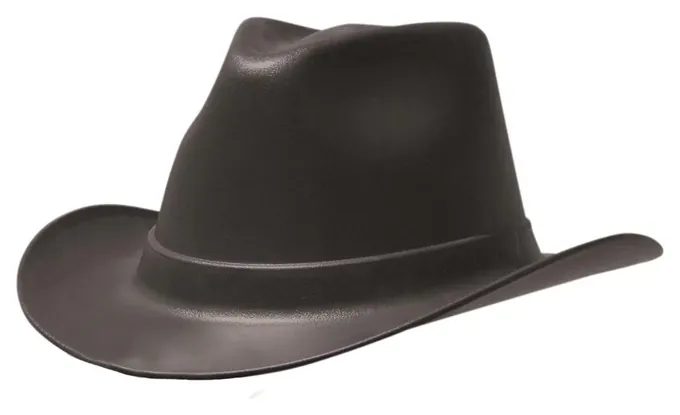
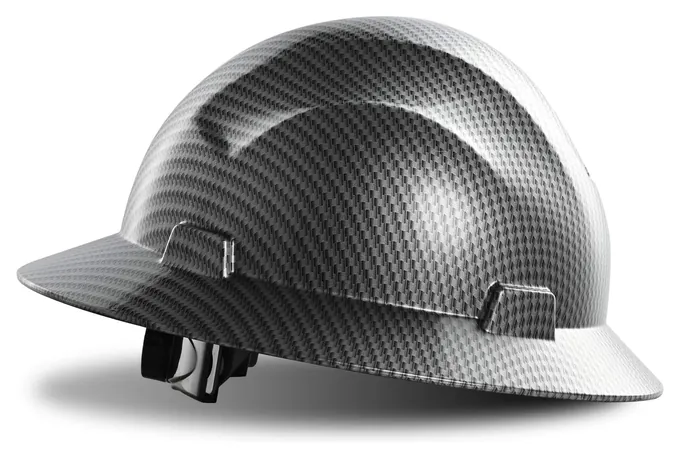
Editor's Notes
November 1, 2026, by Ezvid Wiki Editors:
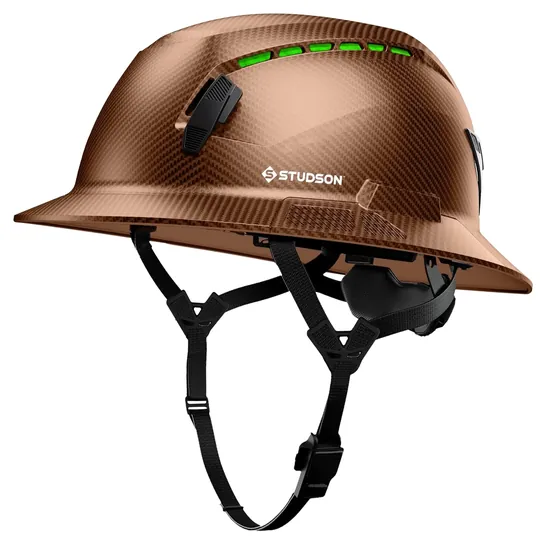
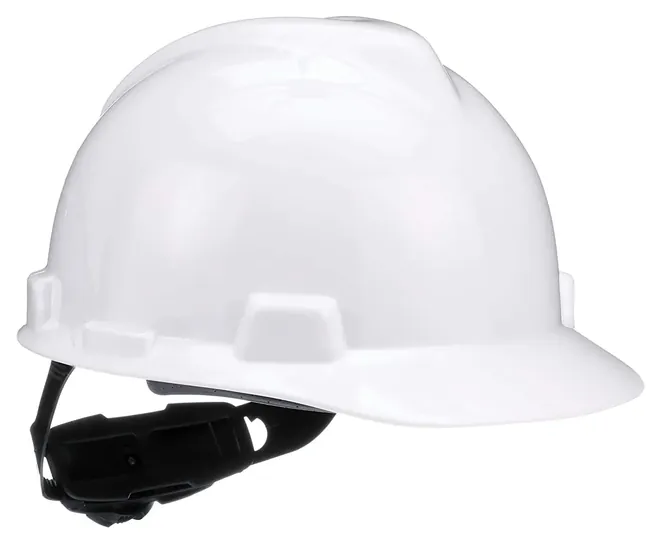
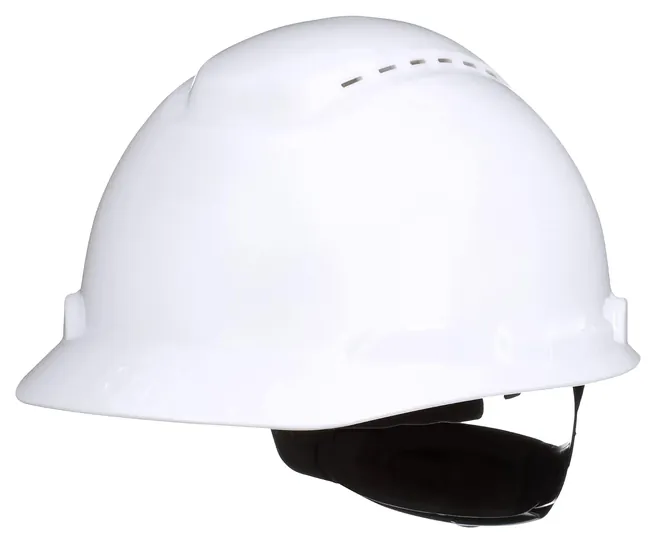
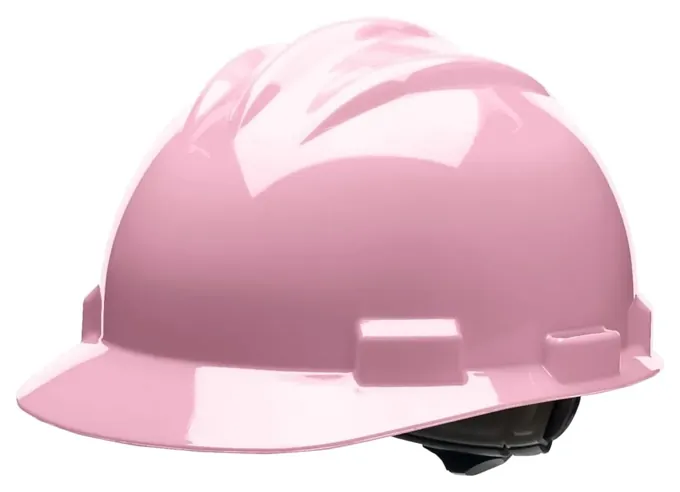
The Studson SHK-1 now tops this list. It's a Type II helmet that protects the sides of the head, and Virginia Tech's first construction helmet ratings found that design cuts concussion and skull-fracture risk well below the classic top-only hard hat. The MSA V-Gard, a 3M SecureFit H-700 and a Bullard S61 join it, since many readers need a solid shell rated for electrical work.
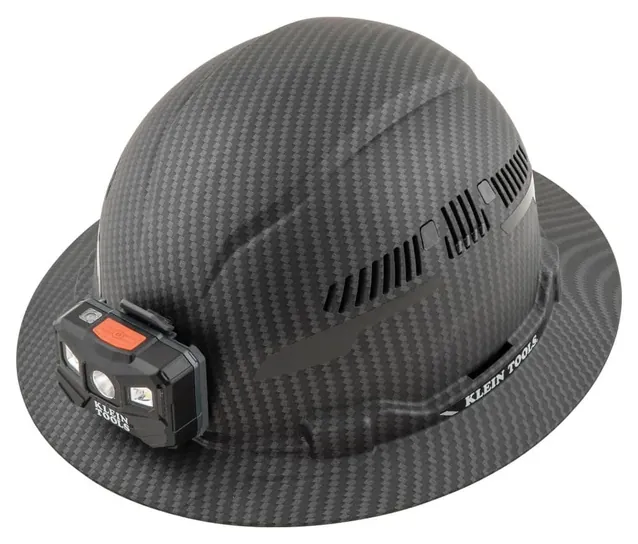
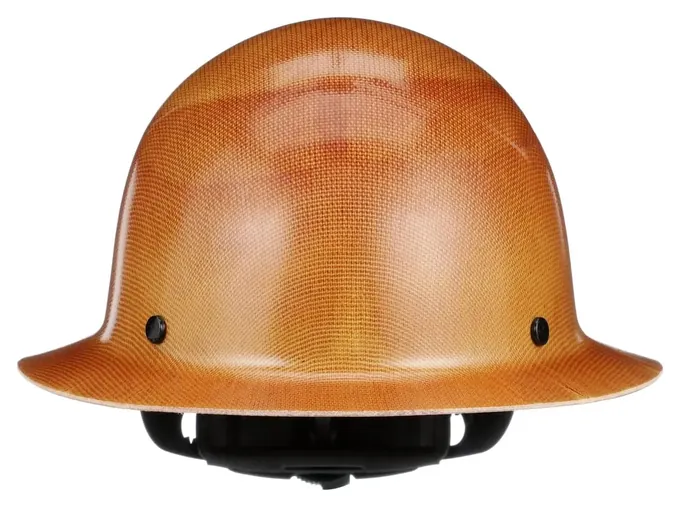
The Klein Tools 60347, MSA Skullgard and OccuNomix Vulcan stay. We dropped the Lift Safety Dax after an outside test flagged its suspension, the Husqvarna ProForest because it is a forestry system, the Fibre-Metal Roughneck because it's no longer sold under its own name, and two unbranded generics. For each pick we matched the ANSI type and electrical class on the maker's spec sheet against OSHA's head-protection rule, then read owner reports for broken suspensions and checked recall records.
Earlier notes
April 26, 2021, by Will Rhoda:
With every model on our list built to meet top safety standards, it should be of little surprise that all of our previous picks for this category continued to be great selections, more than a year later. We did, however, notice that a couple of our choices – namely the MSA Skullgard and Evolution Deluxe 6161 280 – seemed to be relatively redundant selections, considering the comparable options we’d already included. With that in mind, we removed both units to make room for a couple of new choices,
Our first new addition, the LIFT Safety Dax, is an expensive choice, but some style-savvy tradespeople are going to love its two-tone aesthetic. It’s available in three flashy colorways, sports a sturdy six-point suspension system, and is lined with perforated PU leather that will chafe much less than a basic, plastic harness.
Our second new pick, the Klein Tools 60347, is a smart-looking model that sets itself apart from much of its competition with the inclusion of a removable and rechargeable head lamp. It also features absorbent padding that can be soaked with cold water during hot days, and the company offers replacement parts, so you always have the option of changing your padding out in a couple years time, if the bucket’s still going strong.
For further PPE solutions, check out our lists of respirators, fall protection gear and steel-toe work boots.
December 31, 2019, by Alexander Rennie:
Overall, we fixed several links that were directed to the wrong item online, and also replaced a couple of models with better choices. There was also a bit of colorful/ineffective language in a few of the descriptions that we made more informative and straightforward.
We removed the Sticker Bomb Full Brim because of a questionable safety issue. Due to the hydro-dipped method used to create the "sticker bomb" effect, the seller can't technically say that it is ANSI (American National Standard Institute) certified. This is because even though the hard hat they use is ANSI certified, they are technically modifying the helmet after it has left the factory. So, even though this particular modification most likely doesn't make the hard hat less safe, (and honestly probably makes it even stronger), we decided to remove it.
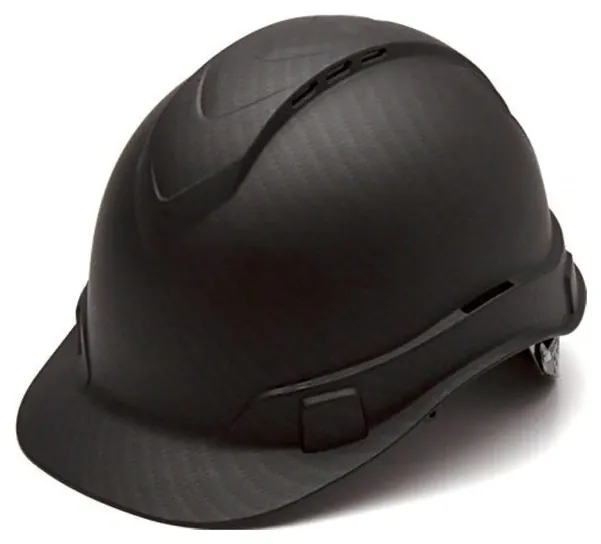
We did not remove other modified products like the Ridgeline Full Brim because, despite having a matte finish, this modification was made at the Pyramex factory, and not at a middle man/distributor.
(the pushback against modifications like paint or stickers from OSHA is because they can make it harder to see if your hat has any damage, which makes sense. Even a small crack or dent can compromise the hat's structural integrity, and significantly lower its ability to protect your head.)
We also removed the WinCraft NCAA Collection because, though it met ANSI safety requirements, a frequent complaint by reviewers was that the sports team decals were falling off/chipping/not applied correctly. Since that would really be the only reason to buy this hat over another, we removed it.
Obviously, the most important prerequisite for items on this list is safety, so we also double-checked that all of them were still ANSI certified.
Special Honors
Milwaukee BOLT Safety Helmets Milwaukee's Type II BOLT helmets took the two top spots in Virginia Tech's 2025 construction helmet ratings, and they accept Milwaukee's lamps, visors and earmuffs. They're sold mainly through tool and supply stores. milwaukeetool.com
Kask Safety Helmets The Italian maker Kask builds climbing-style Type II work helmets, and its Zenith X2 placed in the top five of Virginia Tech's construction ratings. They cost more than most hard hats but suit work at height. kask.com
Type I Or Type II: Top Blows Versus Side Blows
On average, the Type II models cut the risk of a fall-related concussion by 34 percent and skull fracture by 65 percent compared with Type I.
Every hard hat sold for work in the U.S. is certified to ANSI/ISEA Z89.1, and the first thing the label tells you is its type. A Type I hat is tested for blows to the top of the head, like a dropped bolt. A Type II hat is also tested for blows to the front, back and sides, which is what happens when you trip, fall off a ladder or swing into a beam. Type II helmets usually add a foam liner and a chin strap.
In 2025, the Virginia Tech Helmet Lab published its first ratings of construction helmets. On average, the Type II models cut the risk of a fall-related concussion by 34 percent and skull fracture by 65 percent compared with Type I. The top five were all Type II, including the Studson SHK-1, and most Type I hats earned one or two stars (Construction Dive). The lab recommends four or five stars for anyone exposed to falls.
That doesn't make Type I hats useless. They still meet the standard, cost far less and suit work where the main risk is something falling from above. If you work at height, on ladders or around moving equipment, a Type II helmet is worth the money.
Electrical Class: Why Vents Matter
The second rating is the electrical class (WC Safety). Class G (general) hats are tested to 2,200 volts and Class E (electrical) hats to 20,000 volts. Class C (conductive) hats get no electrical test at all.
Vents are the catch. Holes in the shell break its insulation, so nearly every vented hard hat is Class C. That's fine for framing, warehouse work or yard jobs, but it's the wrong hat for electricians, line workers or anyone near overhead wires. OSHA's head-protection rule requires a helmet designed to reduce electrical shock wherever head contact with exposed conductors is possible.
Some models come in vented and non-vented versions with different classes, and colors and sizes can be separate listings. Check the label inside the shell, not the photo, before you rely on a class. Metal hard hats, once common, conduct electricity and have largely disappeared from job sites.
Fit, Care And When To Replace
A hard hat protects you because the suspension holds the shell away from your skull and soaks up the blow. Adjust the ratchet so the hat stays put when you bend over, without pressing hard. MSA sells its V-Gard in small, standard and large; the standard fits hat sizes 6-1/2 to 8. 3M's H-700 suspension fits 6-1/4 to 8, and Studson's SHK-1 adjusts from 53 to 63 centimeters.
Inspect the shell and suspension before each use. Replace the hat right away after any hard hit, even if it looks fine, and whenever you see cracks, dents or a chalky, faded surface. Many makers suggest replacing shells about every five years and suspensions sooner (Bob Vila); Studson gives its helmets a field life of three to five years. The build date is molded or stamped inside the shell.
Wear a hat backward only if the label shows a reverse-wear mark. Keep it out of a hot rear window, where sunlight and heat break down the plastic, and follow the maker's guidance before adding paint or stickers.
How we researched this
We compared 19 hard hats and safety helmets, read the makers' spec sheets and ANSI type and class ratings for the 10 picks, weighed Virginia Tech's 2025 construction helmet ratings and owner feedback on fit and suspensions, and checked each brand against CPSC recall records.
Sources (13)
- Virginia Tech: construction safety helmet ratings
- Construction Dive: Virginia Tech Type II findings
- Construction Briefing: top-rated hard hats
- OSHA 1910.135 head protection
- PK Safety: hard hat types and classes
- WC Safety: hard hat classes explained
- Bob Vila: best hard hats
- Studson SHK-1 vented
- MSA V-Gard cap 475358
- 3M SecureFit H-700
- Klein Tools hard hats
- CPSC: 3M hard hat recall (2016)
- CPSC: Honeywell hard hat recall (2018)
Frequently asked questions
What is the difference between a Type I and a Type II hard hat?
A Type I hat is tested for blows to the top of the head. A Type II hat is also tested for blows to the front, back and sides, and usually has a foam liner. Virginia Tech's lab found Type II helmets cut fall-related concussion risk by about a third.
Which hard hat class do electricians need?
Class E, which is tested to 20,000 volts. Class G is tested to 2,200 volts. Class C, which covers almost all vented hats, has no electrical protection.
How long does a hard hat last?
Follow the maker's label. Many makers suggest replacing the shell about every five years and the suspension sooner, and any hat that takes a hard hit should be replaced at once.
Can I wear a hard hat backward?
Only if the label shows a reverse-wear mark, which means it passed the tests worn that way. Some suspensions flip around for this.
Is a full brim or a cap style better?
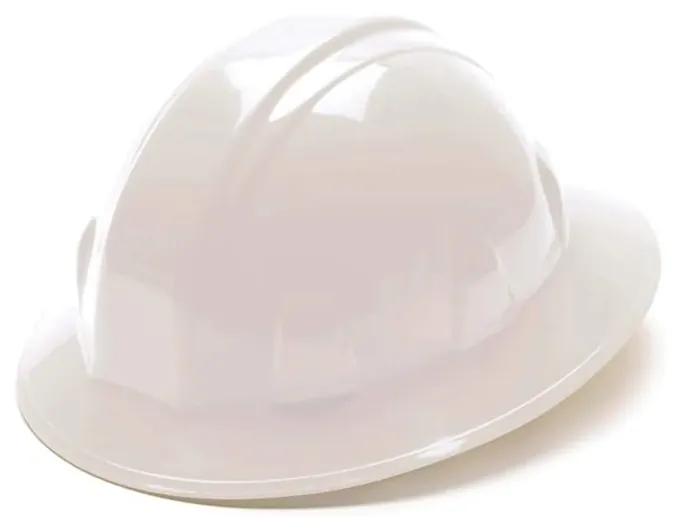
A full brim shades your neck and sheds rain all around. A cap style is lighter and fits better under hoods, face shields and in tight spaces. Both carry the same ratings.
Is a bump cap the same as a hard hat?
No. A bump cap protects against scrapes and light knocks but isn't certified to the ANSI hard hat standard, so it can't replace one where hard hats are required.