The 10 Best Greek Mythology Books
Updated by · How we research

Retellings, ancient texts and children's books compared for clarity, accuracy and age fit. Edith Hamilton's Mythology is still the clearest first book. When users buy our independently chosen editorial choices, we may earn commissions to help fund the Wiki.
There is no official version of any Greek myth. The stories reach us through many ancient poets and handbooks that often disagree, and every modern retelling picks among them. This list covers one-volume retellings, ancient texts in good translations and illustrated books, for readers from young children to adults who want the scholarship behind the stories.
At a Glance
-
1
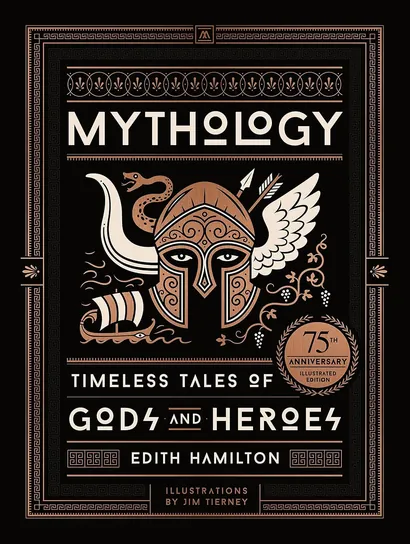
 Edith Hamilton's Mythology
$17
-
2
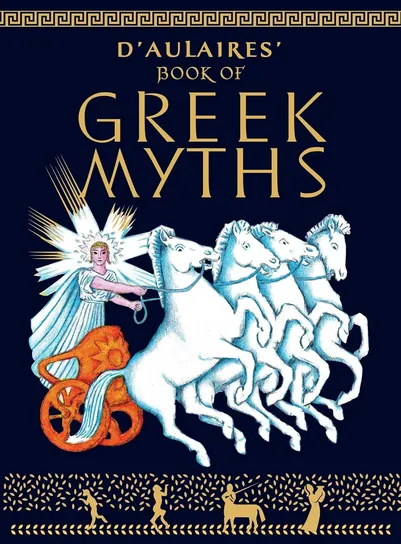
 D'Aulaires' Book of Greek Myths
$10
-
3
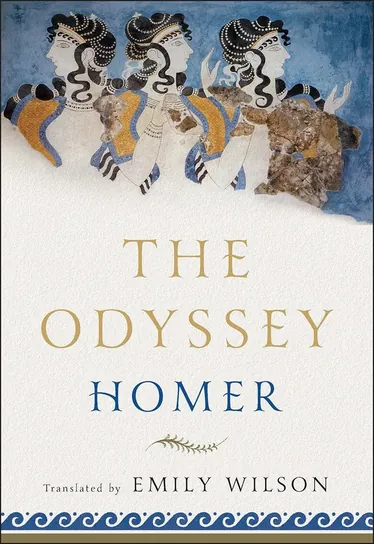
 Emily Wilson's Odyssey
$12
-
4
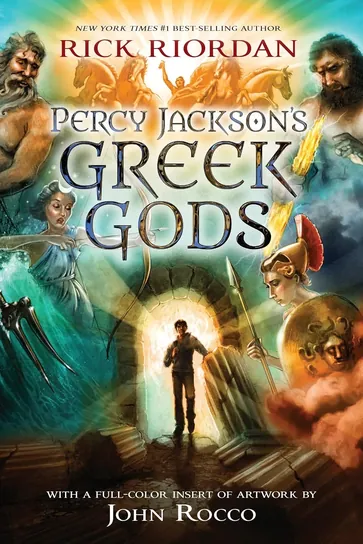
 Percy Jackson's Greek Gods
$9
-
5
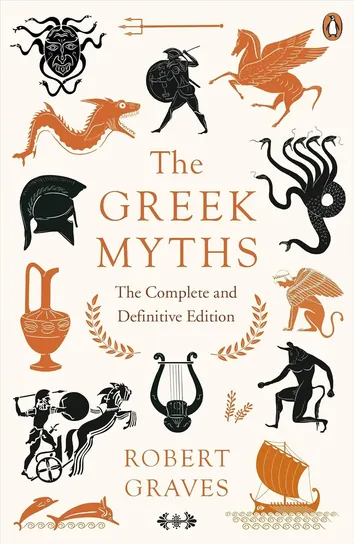
 Robert Graves' Greek Myths
$25
-
6
 Ovid's Metamorphoses
$14
-
7
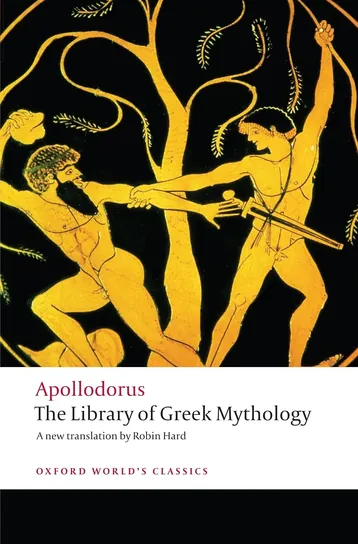
 Apollodorus' Library
$12
-
8
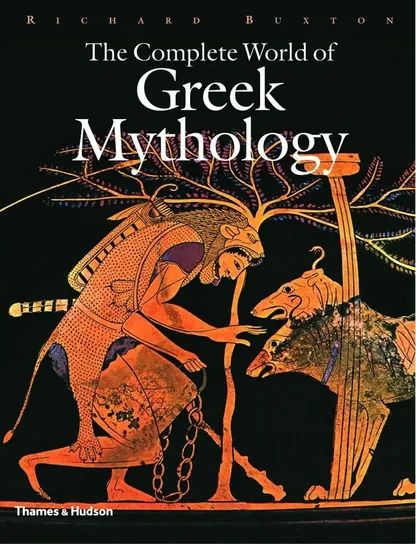
 Richard Buxton's Complete World
$18
-
9
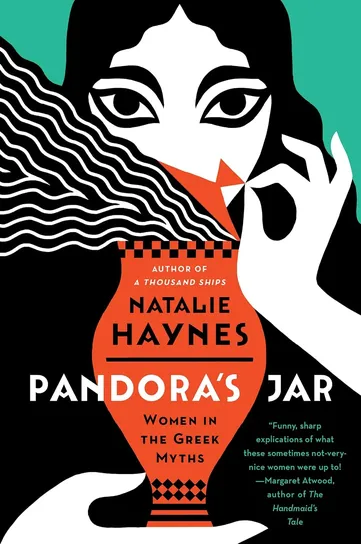
 Pandora's Jar
$13
-
10
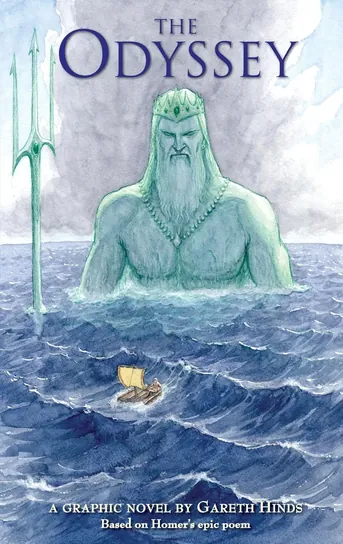
 Gareth Hinds' Odyssey
$12
Editor's Notes
November 1, 2026, by Ezvid Wiki Editors:
Edith Hamilton's Mythology stays on top, because no other single book walks a newcomer through the gods, the heroes and the Trojan War as clearly. Most of the change is around it. Emily Wilson's Odyssey replaces the Fagles translation as the one Homer we recommend, since her plain lines suit a first read, and Apollodorus' Library and Pandora's Jar join as an ancient handbook and a modern rethink. Gareth Hinds' Odyssey adds a graphic novel for teens.
Bulfinch's Mythology is gone. It is a softened, rearranged Ovid from the 1800s, and the text is free online. Stephen Fry's Mythos and the Mythlopedia guide to the gods were dropped since neither is reliably available new, and the Robert Graves' Greek Myths entry now points to the print edition instead of an ebook.
Books have no lab tests, so we weighed publishing history, what classicists have written about each translation and retelling, and how frankly each one handles the violence in the myths, which matters a lot when the reader is ten.
Earlier notes
October 22, 2019, by Gia Vescovi-Chiordi:
We wanted this list to run the gamut when it comes to the subject at hand, and so included titles that appeal to children, teens, and adults, as well as beginners, casual readers, and serious scholars. If you have a youngster who is especially enthralled by Greek mythology, chances are they'll love Oh My Gods!, Percy Jackson's Greek Gods, and D'Aulaires' "Book of Greek Myths". Depending on their age, consider pairing one of the aforementioned tomes with a colorful fantasy novel to give them an immersive, fantastical experience that's supported by factual information.
While it pained us to remove the Classic Stories of Gods, Goddesses, Heroes & Monsters, we felt that it was too close to D'Aulaires' "Book of Greek Myths" and featured too many inaccuracies to keep. In its quest to make Greek mythology appropriate for children, the book is at times overly stylistic and waters down or reimagines classic legends.
We also swapped Bulfinch's The Age of Fable with the more comprehensive Bulfinch's Mythology, which includes three respected and beloved volumes concerning myths from ancient Greece, as well as legends surrounding Arthurian England and Charlemagne. It's an excellent selection for those who want a well-rounded account of mythology from many eras and cultures. Since it was written in the 1800s, readers should be aware that it is showing its age these days, and tends to downplay certain perspectives in favor of Victorian values.
Special Honors
Theoi Project A free online encyclopedia of Greek gods, heroes and monsters that quotes the ancient sources for each story, with images from ancient art. It is the quickest way to see how different writers told the same myth. theoi.com
Perseus Digital Library Tufts University's free collection of Greek and Latin texts, many with English translations side by side. Useful for reading Homer, Hesiod, Ovid and Apollodorus before choosing a modern edition to buy. perseus.tufts.edu
Where To Start: One Retelling, Then The Poets
Robert Fagles' 1996 version is grander and more musical, and some readers prefer it once they know the story.
Most people do best with one readable overview first. Edith Hamilton's Mythology, first published in 1942, runs from the creation and the Olympians through the heroes, the Trojan War and the great royal families, then adds a short section on Norse myths. Robert Graves' The Greek Myths goes much deeper, retelling the myths and their variants with a note on which ancient writers tell each one.
After an overview, go to the poems the retellings draw on. Homer's Odyssey is the natural next step, and the translation matters. Emily Wilson's 2017 version uses plain modern English and matches Homer line for line. Robert Fagles' 1996 version is grander and more musical, and some readers prefer it once they know the story. Then Ovid's Metamorphoses, a Roman poem of more than 250 myths, supplies many of the tales people know best.
If you want to sample old translations before buying, the Perseus Digital Library at Tufts University hosts Greek and Latin texts with English translations for free.
Greek Myths Have No Single Official Version
There was never a Greek bible of myth. The stories were told by many poets over many centuries, and they often contradict each other on who did what and why. Every modern book chooses among them, so two good retellings can disagree and both be faithful to some ancient source.
Some choices matter. Hamilton often follows Roman writers such as Ovid and Virgil, which gives some tales a Latin slant. The Library of Apollodorus, compiled in the first or second century, is the closest thing to an ancient Greek handbook: it arranges gods and heroes by family tree, and modern scholars still lean on it. Graves is the cautionary tale. His retellings are admired, but his notes read the myths through a theory of a prehistoric goddess religion that classical scholars reject, so treat them as opinion.
Old favorites can mislead too. Bulfinch's Mythology was a standard work for about a century, but one critic described its Greek section as an abridged, cleaned-up and rearranged Ovid. The Theoi Project lets you check a story against the ancient passages it comes from.
Age, Violence And Which Edition To Buy
The ancient myths are not children's stories. Ovid, Apollodorus and Graves include rape, incest, murder and cruelty told plainly, and Ovid's tale of Philomela is a common example. Books written for children soften or skip these parts. The d'Aulaires' book, in print since 1962, suits read-alouds with young children. Percy Jackson's Greek Gods suits middle schoolers who like a joking narrator. Teens ready for more can move to Hamilton, a graphic Odyssey or a modern take such as Natalie Haynes' Pandora's Jar.
Check the edition before you buy. Many older works on Greek myth, including Bulfinch and early translations of Homer and Ovid, are in the public domain, so decorative reprints charge for text you can read free online. Graves' book also exists in abridged versions that drop the commentary. Ebook and audiobook listings often sit beside the print ones, so confirm the format, and watch for thin, keyword-heavy compilations from unknown publishers that crowd the search results.
How we researched this
We compared 20 Greek mythology books and editions, from one-volume retellings and ancient texts in translation to children's books and a graphic novel. We checked publication histories and editions, what classicists and critics have written about each retelling and translation, and how each handles violent and sexual material for younger readers, then confirmed which print editions are currently sold new.
Sources (12)
- Wikipedia: Mythology (book)
- Wikipedia: The Greek Myths
- Wikipedia: Odyssey (Emily Wilson translation)
- Wikipedia: Ingri and Edgar Parin d'Aulaire
- Wikipedia: Percy Jackson's Greek Gods
- Wikipedia: Metamorphoses
- Wikipedia: Bibliotheca (Pseudo-Apollodorus)
- Wikipedia: Natalie Haynes
- Wikipedia: Bulfinch's Mythology
- Richard Buxton: author site
- Theoi Project
- Perseus Digital Library
Frequently asked questions
What is the best first book on Greek mythology?
For teens and adults, Edith Hamilton's Mythology is the usual starting point: one clear volume covering the gods, the heroes and the Trojan War. For young children, D'Aulaires' Book of Greek Myths is the classic read-aloud.
Which translation of the Odyssey should I read first?
Emily Wilson's 2017 translation is plain, quick and matches Homer line for line, which suits a first read. Robert Fagles' 1996 version is grander and more poetic, and many readers enjoy it on a second pass.
Is Robert Graves' The Greek Myths reliable?
The retellings are thorough and point to their ancient sources. His commentary is not: it rests on a theory of an ancient goddess religion that classical scholars reject. Read the stories and treat the notes as opinion.
Are Greek and Roman myths the same?
They overlap heavily, since Roman writers adapted Greek stories and renamed the gods, so Zeus becomes Jupiter. But details differ, and Ovid, a Roman, is the source for many versions people think of as Greek.
Are Greek myths appropriate for kids?
The ancient texts include rape, incest and murder, so Ovid, Apollodorus and Graves are better for older teens and adults. Children's books such as the d'Aulaires' collection retell the myths without the darkest material.