The 10 Best German History Books
Updated by · How we research

From Prussia to East Germany, ten German history books compared by period, depth and readability. Helmut Walser Smith's Germany: A Nation in Its Time leads. When users buy our independently chosen editorial selections, we may earn commissions to help fund the Wiki.
Germany only became one country in 1871, so a history of it can start with Roman legions, Luther's Reformation or Bismarck, and each choice changes the story. Most readers do best with one broad survey plus a deeper book on the era that grips them. This list serves curious newcomers, travelers, students and readers who want more than the war years.
At a Glance



Editor's Notes
November 1, 2026, by Ezvid Wiki Editors:
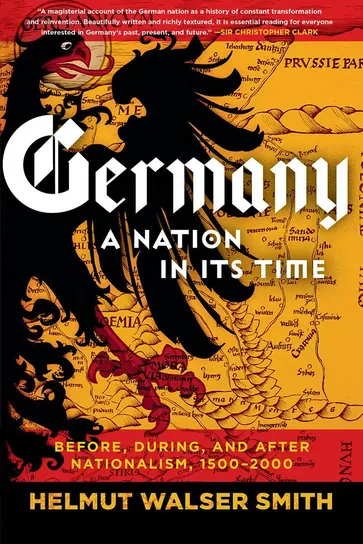
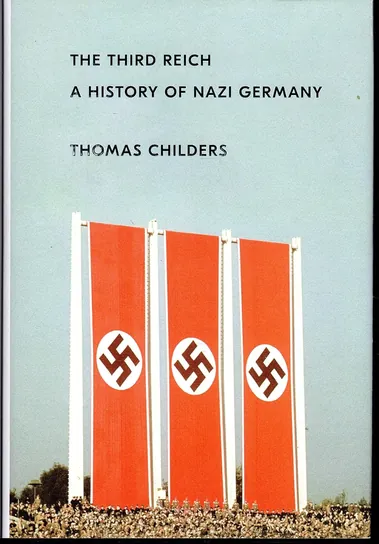
Helmut Walser Smith's Germany: A Nation in Its Time now leads this restored list. It covers five centuries in one readable volume, and it came out after the old list was written. Germany: Memories of a Nation, Iron Kingdom, A Concise History of Germany and The Third Reich stay, and Memories of a Nation now points to the cheaper paperback.
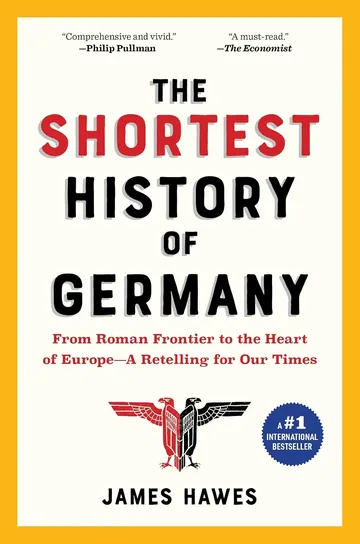
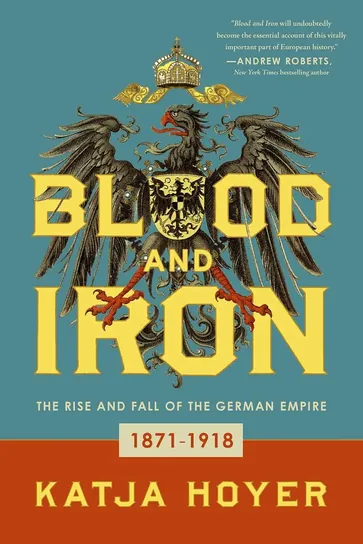
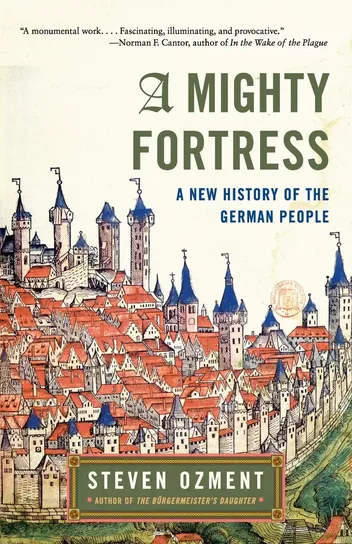
New picks fill the eras the old list skipped: The Shortest History of Germany for a fast start, The Coming of the Third Reich for the road to 1933, Blood and Iron for the Kaiser's empire, Beyond the Wall for East Germany and A Mighty Fortress as a low-cost survey. Both Katja Hoyer books come with a caution, because some historians think she goes easy on her subjects. We dropped The Continuities of German History, A History of Modern Germany and Before France And Germany for narrow scope, high prices and scarce copies. The House by the Lake and The Year That Changed the World each cover one thin slice, and The German Genius is a 992-page doorstop that Memories of a Nation beats on readability.
The Rise and Fall of the Third Reich already sits on our WWII books list, so it's discussed below rather than ranked. Here the deciding evidence was what historians have written about each other's books, prize records like the Wolfson History Prize, and reviews in British and American papers.
Earlier notes
April 13, 2020, by Gia Vescovi-Chiordi:
Germany has a rich, long-spanning history that reaches much further back than its formation as one nation in 1871. For this list, we curated titles capable of expanding on nearly every era of the region's history, from the early middle ages right up until today, with commentaries on everything from reunification and the Third Reich to the impact of the French revolution and the enlightenment of Frederick the Great.
To that end, you'll find comprehensive surveys like Germany: Memories of a Nation and Iron Kingdom, treatises on early events like in Before France And Germany, and specific perspectives such as those found in The House by the Lake, The Year That Changed the World, and The Third Reich. People tend to disproportionately consider the 20th century when exploring German history, and for good reason, but we felt it was important to give a thorough view on the richness of the hundreds of years prior, too. That being said, if you are principally interested in World War II, consider our in-depth selections on the subject here.
Today we said goodbye to Evening In The Palace Of Reason. This volume remains a highly entertaining one, however, it is heavily concerned with music and tends to pivot from history often. We felt that it lacked the rigor required for a spot on this list. We replaced it with the extremely useful A Concise History of Germany. This text has been recently updated and expanded to include information on a unified, post-1990s Germany, the Merkel era, and how modern-day Germans grapple with the past. It's ideal for students who need an introduction that can serve as a launchpad, as well as for travelers and German culture enthusiasts who simply want a bit more knowledge under their belts.
Special Honors
German History in Documents and Images The German Historical Institute Washington runs this online collection of primary sources: speeches, laws, letters, photographs and maps from the Reformation to reunified Germany. Each era has an introduction by a specialist, and everything is in English as well as German. It's a good next step for students and for readers who want to check a book against the original documents. germanhistorydocs.org
Deutsches Historisches Museum Germany's national history museum sits on Unter den Linden in Berlin. Its historic Zeughaus building and permanent exhibition on German history are closed for renovation, but temporary exhibitions continue in the modern Pei Building next door. The website lists current shows and opening hours, which is worth checking before a trip. dhm.de
Start With A Survey, Then Pick An Era
For the 1871 empire, Katja Hoyer's Blood and Iron is the quick read.
Germany as a single state dates only from 1871. Before that, German speakers lived in dozens of states loosely joined in the Holy Roman Empire, so every survey has to decide where the story begins. Helmut Walser Smith starts around 1500 and asks how Germans imagined their country; Book Marks rates its reviews positive, with critics in The Wall Street Journal and Harper's praising the approach and faulting its 20th-century chapters. James Hawes and Steven Ozment go back to Roman times, and Mary Fulbrook's Cambridge survey begins with the medieval empire.
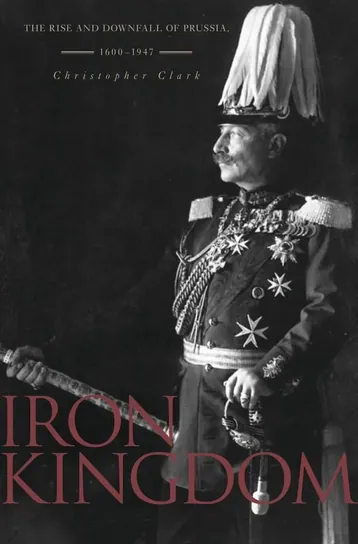
After one survey, follow your curiosity. For Prussia, Christopher Clark's Iron Kingdom shared the 2007 Wolfson History Prize. For the 1871 empire, Katja Hoyer's Blood and Iron is the quick read. For Weimar and the Nazi takeover, start with Richard J. Evans. For the Holy Roman Empire itself, Oxford's Peter H. Wilson wrote the standard single volume, Heart of Europe, though it runs close to a thousand pages.
Old Classics And Live Arguments
Some of the best-known German history books are also the most argued over. William L. Shirer's The Rise and Fall of the Third Reich, published in 1960, won the National Book Award and still sells widely. Academic historians were less kind: its claim that a straight line ran from Luther to Hitler was rejected by German scholars in the 1960s, and Evans later called it a readable general history outside the academic mainstream (Wikipedia: The Rise and Fall of the Third Reich). We list it on our WWII books page.
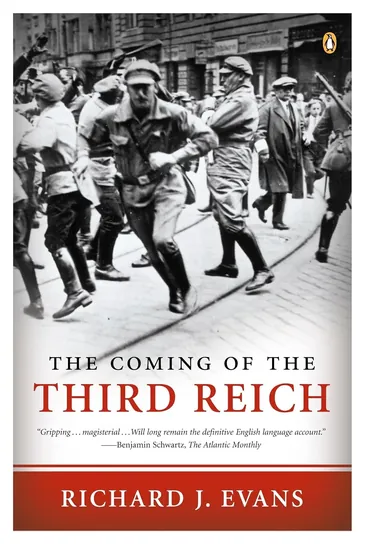
Evans's own trilogy has become the reference point; Ian Kershaw called it the most comprehensive history of the Third Reich in any language (Wikipedia: The Coming of the Third Reich). Newer popular books draw fire too. Hoyer's two books were well reviewed in British papers, but James Hawes wrote in The Spectator that Blood and Iron whitewashes Bismarck, and Beyond the Wall drew a cooler response in Germany (Wikipedia: Katja Hoyer). Reading Hawes and Hoyer side by side is a good way to see how historians disagree.
Length, Editions And Going Further
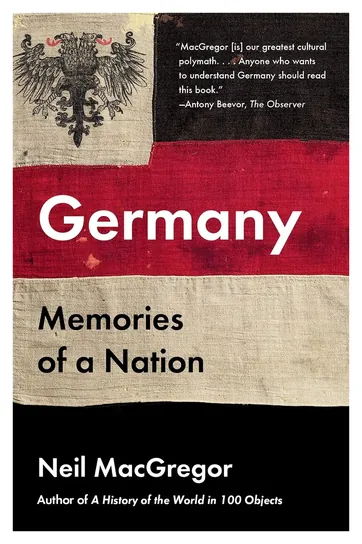
Page counts on this list run from about 250 to about 800, and the long books are long. If you read in short sittings, Neil MacGregor's Germany: Memories of a Nation suits that habit: it grew out of a British Museum exhibition and a BBC Radio 4 series, and each chapter centers on one object or place (Wikipedia: Germany: Memories of a Nation).
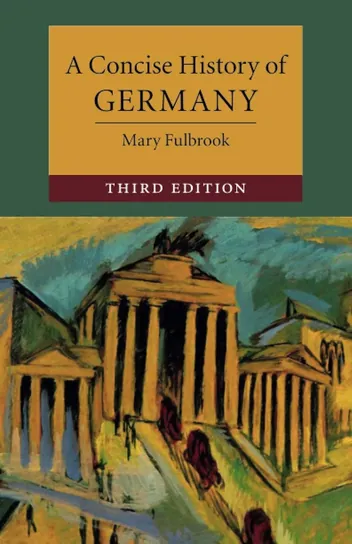
Check the edition before you buy. Fulbrook's A Concise History of Germany is in its third edition (2019), and older copies stop well short of the present (Wikipedia: Mary Fulbrook). Hardcover and paperback prices can swap places from week to week, so compare formats.
To read the sources the historians use, the German Historical Institute Washington runs German History in Documents and Images, a bilingual collection of texts, images and maps from 1500 to the 2020s, arranged by era.
How we researched this
We started from the old list, search results and published reading lists, compared 17 books on German history in detail, and weighed each pick on the author's standing, critics' and historians' reviews, prize records, the period it covers and the edition in print. Reader feedback patterns and current prices informed the order. Updated November 1, 2026 by Ezvid Wiki Editors.
Sources (11)
- Book Marks: Germany: A Nation in Its Time reviews
- Wikipedia: Wolfson History Prize
- Wikipedia: The Coming of the Third Reich
- Wikipedia: The Rise and Fall of the Third Reich
- Wikipedia: Katja Hoyer
- Wikipedia: Germany: Memories of a Nation
- Wikipedia: Helmut Walser Smith
- Wikipedia: Mary Fulbrook
- Wikipedia: Peter H. Wilson
- German History in Documents and Images (GHI Washington)
- Deutsches Historisches Museum
Frequently asked questions
What is the best single book on German history?
For one volume, Germany: A Nation in Its Time by Helmut Walser Smith covers 1500 to 2000 with care. If you want something you can finish in a few evenings, The Shortest History of Germany by James Hawes is the quick option.
Was Germany a country before 1871?
Not as one state. For centuries German speakers lived in many kingdoms, duchies and free cities, most of them inside the Holy Roman Empire, which ended in 1806. Prussia led the unification of 1871 under Otto von Bismarck.
Is The Rise and Fall of the Third Reich still worth reading?
It's a gripping narrative by a reporter who was in Berlin in the 1930s, but historians reject its idea that German history led straight to Hitler. Read it alongside Richard J. Evans's trilogy, which reflects current scholarship. It appears on our WWII books list.
What should I read about Nazi Germany?
Start with The Coming of the Third Reich by Richard J. Evans for how the Nazis took power, then continue with his two sequels. For a single volume on the whole era, Thomas Childers's The Third Reich is clear and affordable.
What is a good book on East Germany?
Katja Hoyer's Beyond the Wall is the most readable recent history of the GDR, built around everyday lives. Some German reviewers say it understates repression by the Stasi, so it pays to read a more critical account too.