The 8 Best Flea Treatments for Cats
Updated by · How we research

Even indoor cats pick up fleas. We compare 8 spot-ons, tablets and collars by ingredient, speed, kitten age limit, ticks and cost; Elanco Advantage II is first. When users buy our independently chosen editorial picks, we may earn commissions to help fund the Wiki.
Even indoor cats pick up fleas, and the strongest treatments need a vet's prescription. Over-the-counter options come as monthly spot-ons, fast oral tablets and long-lasting collars, and some stop eggs and ticks. Kitten owners should check the label's minimum age, and essential-oil sprays are best skipped: there's little proof they work, and cats have reacted to them.


Editor's Notes
October 19, 2026, by Ezvid Wiki Admin:
Two of the old picks were essential-oil sprays, the Wondercide Spray and the Pet Naturals of Vermont spray, and both are gone. There's little proof that oil-based sprays kill fleas, and poison-control cases show cats reacting to them even when owners follow the directions. The old prescription honor went too, replaced by two current vet-prescribed options.
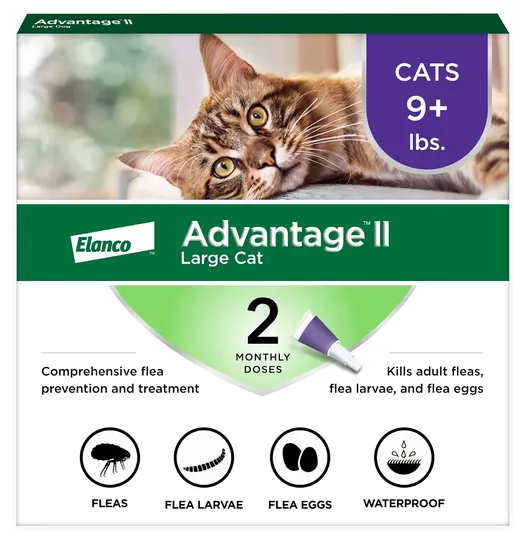
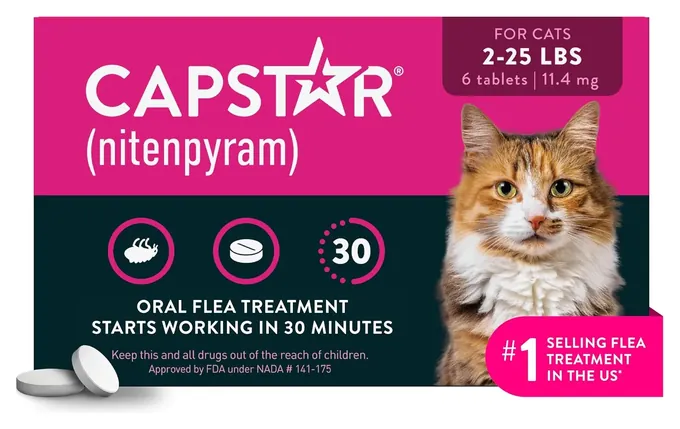
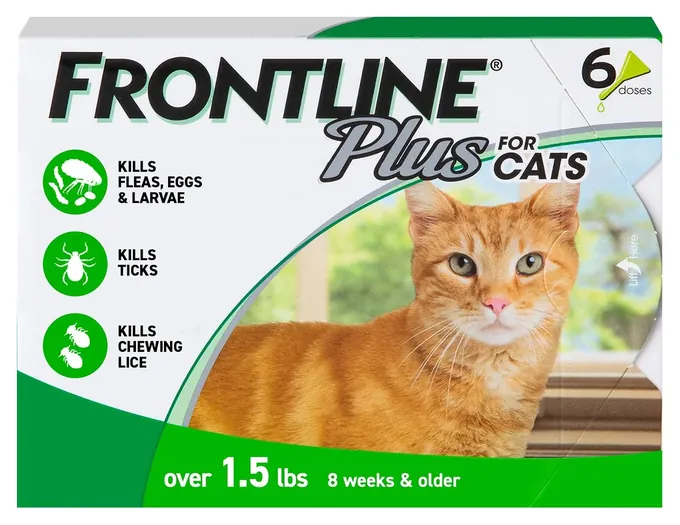
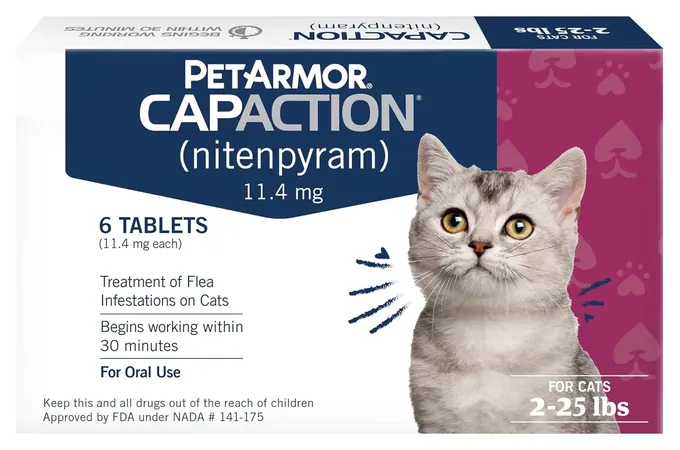
The Elanco Advantage II stays on top. It's the over-the-counter treatment with the strongest resistance record, and it stops eggs as well as adult fleas. The Elanco Capstar stays for fast relief, and the PetArmor Capaction takes over from the old PetArmor tablet as the cheaper version. Frontline Plus stays for tick coverage, but it moved down because several studies found fipronil working less well against some flea populations.
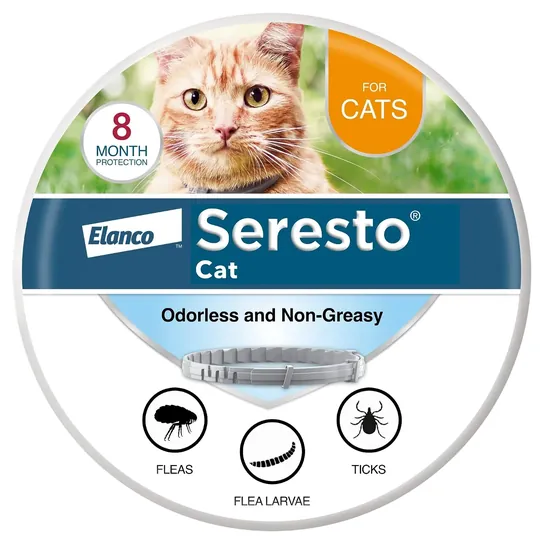
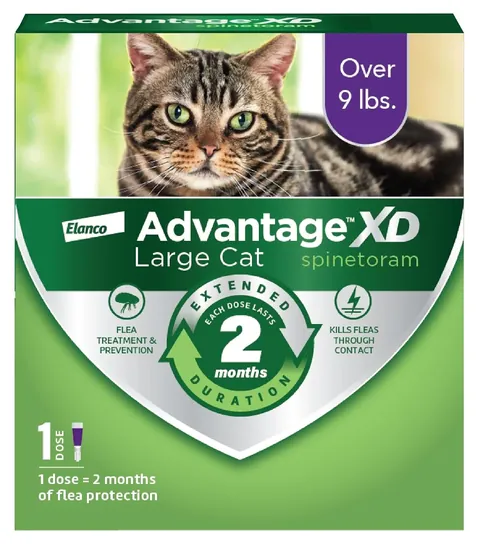
New are the Elanco Seresto collar, for 8 months of coverage with a clear note on its safety record, and the Elanco Advantage XD, which needs a dose only every two months.
One honest point. The strongest cat flea products need a prescription, so this page covers the best you can buy without one, and the guide explains when to see a vet. The rankings rest on labels, regulator documents, published studies and owner feedback.
March 12, 2021:
In the interest of safety, we removed the Bayer Seresto Collar. While flea collars have been popular for a long time, they're no longer considered a safe way to treat bugs. This is for a few reasons: animals vary greatly in size, flea collars are harder to dose precisely and accurately, and the chemicals can contaminate other surfaces in your home. We also removed Sentry Capguard because it's identical to others that use nitenpyram.
Speaking of nitenpyram, Elanco Capstar (formerly from Novartis) uses it to treat major infestations starting in 30 minutes. On the other hand, both Frontline Plus and Bayer Animal Health Advantage II offer better long-term pest management, including egg killing, but they aren't quite as lightning-fast as the Capstar.
Above all, though, it's important to consult with your veterinarian to ensure that the chemicals and dosages you've selected will be safe and effective for your furry friend.
July 05, 2019:
We can't explain to cats that we're doing something they find annoying — like putting medication on them — for their own good. So, since ensuring their compliance isn't possible, we made sure to round up flea treatments that can be given and administered in a number of ways, depending on just what style of finicky your cat is. Should you worry about Fluffy licking her spot-on treatment away, the Bayer Seresto Collar is a great option. Plus, it's effective for eight months, making it especially helpful for busy pet owners who can't remember to give treatment daily or monthly.
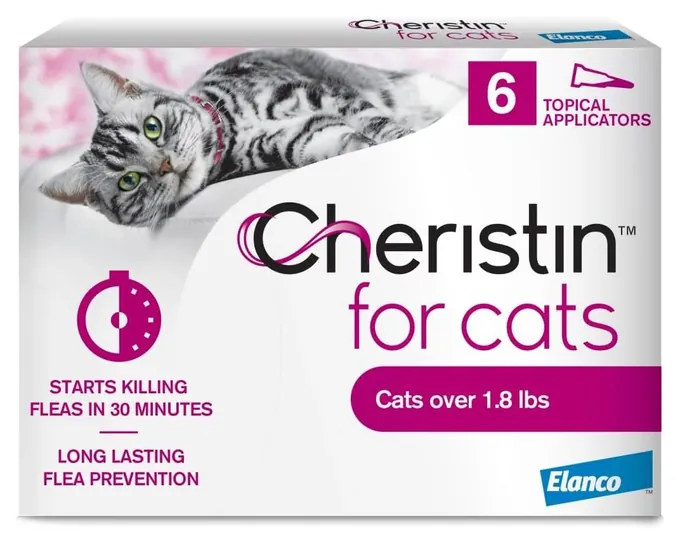
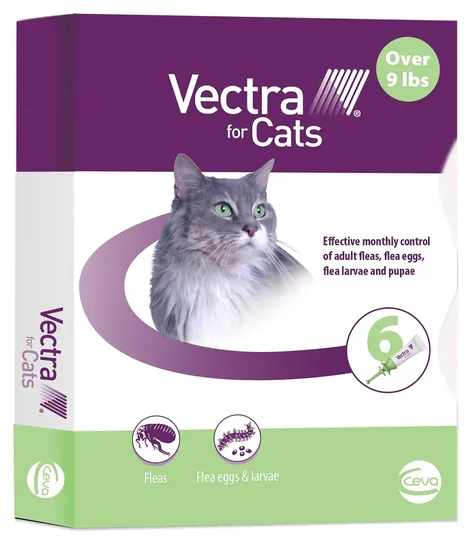
That being said, we did provide some great spot-on treatments like Elanco Animal Health Cheristin and Vectra for Cats. These break the entire life cycle of the flea, from egg to larvae to pupae, making them great long-term preventative options. Should your poor feline be in the middle of an infestation right now, in addition to investing in a quality vacuum to suck up the intruders daily, try an oral medication like PetArmor FastCaps, Novartis Capstar, or Sentry Capguard. These are your best bet since these kill adult fleas the instant they bite your pet.
Special Honors
Bravecto Plus for Cats This prescription spot-on from Merck Animal Health protects against fleas, ticks and heartworm for 2 months per dose, and the plain Bravecto Topical for cats covers fleas and ticks for 12 weeks. That means four to six treatments a year. Both use fluralaner, an isoxazoline, so ask your vet about the FDA's notice on rare neurologic reactions. us.bravecto.com
Revolution Plus Zoetis makes this monthly prescription spot-on, which combines selamectin and sarolaner. It covers fleas, four types of ticks, ear mites, roundworms, hookworms and heartworm, and it's approved for kittens from 8 weeks. It's a sensible pick for outdoor cats when a vet visit is on the calendar anyway. zoetispetcare.com
Match The Product To The Cat And The Problem
Start with the cat's age and weight, because every label sets a floor.
Start with the cat's age and weight, because every label sets a floor. Nitenpyram tablets start at 4 weeks and 2 pounds. Most spot-ons start at 8 weeks, with weight minimums from 1.5 to 2 pounds, and the Seresto collar starts at 10 weeks. Products sold in weight bands only work when the band is right, so weigh the cat before you buy and again as a kitten grows. A kitten younger than 4 weeks should get a flea comb and a vet visit, not a pesticide.
Then decide what you need it to do. For a cat covered in fleas today, a nitenpyram tablet clears adult fleas within hours but stops working within a day. For lasting control, choose a monthly product with an insect growth regulator (pyriproxyfen or (S)-methoprene), or a collar. Adult fleas on the cat are only a small share of the problem; eggs, larvae and cocoons in carpets and bedding are the rest, and a female flea can lay dozens of eggs a day. If your cat goes outside where ticks live, pick a product labeled for ticks, such as a fipronil spot-on or the Seresto collar.
Indoor cats need protection too. The Companion Animal Parasite Council recommends year-round flea control for all cats, because fleas ride in on people, other pets and wildlife. The vet panel at PetMD names nitenpyram for active infestations and the Seresto collar among its picks, alongside several prescription products.
How The Ingredients Work, And When To See A Vet
Most over-the-counter cat products use one of four adult-flea killers. Imidacloprid, dinotefuran and spinetoram kill fleas on contact, so fleas don't need to bite. Fipronil spreads through the oils of the skin and coat. Nitenpyram is swallowed and kills fleas that feed within about 30 minutes, according to the FDA's approval summary for Capstar. Growth regulators such as pyriproxyfen and (S)-methoprene don't kill adults; they keep eggs and larvae from maturing.
Resistance is a real but uneven concern. Researchers tracking imidacloprid against cat fleas for 17 years found no loss of effect (Entomology Today). Fipronil has a weaker record: in a lab study using fleas collected from a home where it had repeatedly failed, a fipronil spot-on controlled only 31 to 66% of them (Parasites & Vectors). Much of this research is funded by drug makers, so treat any single result with care.
The strongest flea products for cats need a prescription. Revolution Plus, Bravecto Plus, Credelio Cat and NexGard Combo add tick, heartworm or worm coverage. Several belong to the isoxazoline class, which the FDA says can cause tremors, wobbliness or seizures in some animals, though it still considers them safe and effective. If over-the-counter products haven't cleared fleas after about three months of correct use, or your cat has seizures or skin disease, ask a vet.
Safe Use: Dog Products, Natural Sprays And The Home
Never put a dog flea product on a cat. Many dog spot-ons contain permethrin, which can cause tremors, seizures and death in cats, and even close contact with a freshly treated dog can make a cat sick. The American Association of Feline Practitioners warns that no safe dose is known. If a cat shows twitching or tremors after a treatment, call a vet or the ASPCA Animal Poison Control Center at 888-426-4435 (a fee may apply).
Apply spot-ons to the skin, not the fur, at the base of the skull where the cat can't lick. Keep other pets from grooming the spot until it dries, and don't stack two flea products without a vet's advice. Check the EPA registration number on the box; the agency's pet pesticide pages explain how to report a reaction.
Skip essential-oil sprays. Many are exempt from EPA review as minimum-risk products, there's little proof they kill fleas, and poison-control cases show cats reacting badly even when owners followed the label (dvm360). Finally, treat the house as well as the cat. Wash bedding in hot water, vacuum floors and furniture often, treat every pet, and keep going for about three months while eggs and cocoons hatch out.
How we researched this
We compared 14 over-the-counter flea products for cats and screened nine in depth, plus five prescription products for context. We read the label text published with each product, FDA and EPA documents, published efficacy and resistance studies, guidance from the Companion Animal Parasite Council and the American Association of Feline Practitioners, a veterinarian-reviewed roundup, and patterns in owner feedback. We checked every brand for recalls with the U.S. Consumer Product Safety Commission and reviewed EPA actions on flea collars. We found no independent head-to-head lab tests of these products.
Sources (14)
- FDA: Capstar (nitenpyram) Freedom of Information summary, NADA 141-175
- AVMA News: EPA confirms registration, safety of Seresto collar
- FDA: Fact sheet on adverse events with isoxazoline flea and tick products
- Companion Animal Parasite Council: The case for year-round flea and tick control
- American Association of Feline Practitioners: Permethrin poisoning and cats
- PetMD: Vet-verified best flea and tick medications for cats
- Parasites & Vectors (2019): Fluralaner plus moxidectin vs fipronil/(S)-methoprene against a fipronil-failure flea isolate
- Entomology Today: 17 years, 1,800 tests, cat flea pesticide remains effective
- Parasites & Vectors: Seresto collar vs fipronil/(S)-methoprene over 8 months
- dvm360: Essential oil flea preventives, natural does not equate to no worries
- ASPCA Animal Poison Control Center
- EPA: Pets and pesticides
- Merck Animal Health: Bravecto for cats
- Zoetis: Revolution Plus
Frequently asked questions
What is the best flea treatment for cats without a prescription?
For most cats, a monthly imidacloprid and pyriproxyfen spot-on such as Advantage II. It kills adult fleas on contact, stops eggs and larvae, and its main ingredient has shown no resistance in 17 years of monitoring. Add a nitenpyram tablet for fast relief during a bad outbreak.
How fast do flea treatments work on cats?
Nitenpyram tablets and spinetoram spot-ons start killing fleas within about 30 minutes, according to their labels. Advantage II says it kills fleas within 12 hours, and the Seresto collar within 24 hours. Fleas in the home keep hatching for weeks, so expect to see some for a while.
Can I use a dog flea treatment on my cat?
No. Many dog products contain permethrin, which can cause tremors, seizures and death in cats. Use only products labeled for cats, and keep cats away from a freshly treated dog.
What flea treatment is safe for kittens?
Nitenpyram tablets are labeled from 4 weeks and 2 pounds. Most cat spot-ons start at 8 weeks, with weight minimums from 1.5 to 2 pounds, and the Seresto collar starts at 10 weeks. For a younger kitten, use a flea comb and ask a vet.
Do natural flea sprays work on cats?
There's little evidence that essential-oil sprays kill fleas, and poison-control cases show cats reacting badly to them even when used as directed. EPA-registered cat products are the safer choice.
Why does my cat still have fleas after treatment?
Most of a flea problem lives in the home as eggs, larvae and cocoons, and new fleas keep hatching for weeks. Treat every pet, wash bedding hot, vacuum often and keep treating for about three months. If fleas persist after that, ask a vet about a different ingredient.