The 10 Best Decaf K-cups
Updated by · How we research

Ten decaf K-Cups compared by roast, decaf method, organic status and cost per pod. Peet's Decaf House Blend leads for its water-processed dark roast. When users buy our independently chosen editorial choices, we may earn commissions to help fund the Wiki.
Most decaf pod boxes never say how the caffeine came out, which matters if you want to avoid chemical solvents. A few brands spell it out, naming water or the Swiss Water Process on the box. This list is for Keurig owners who want an evening cup or less caffeine, and still want it to taste like coffee.
At a Glance
-
1
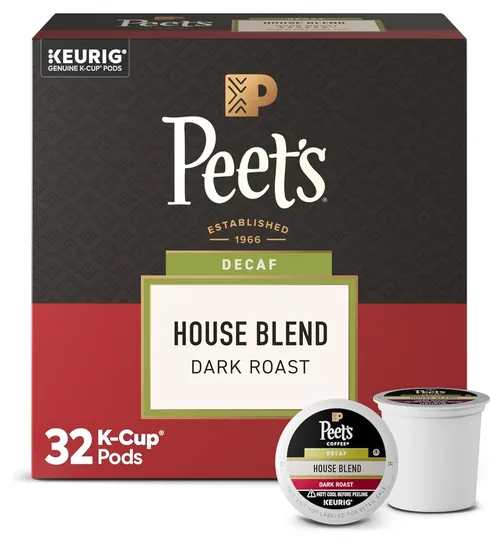
 Peet's Decaf House Blend
$21
-
2
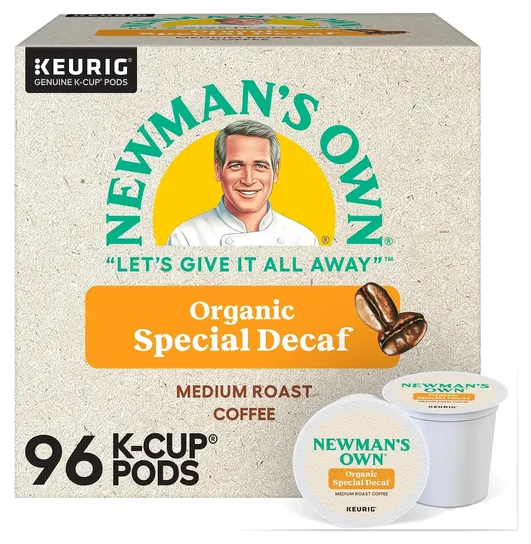
 Newman's Own Special Blend Decaf
$52
-
3
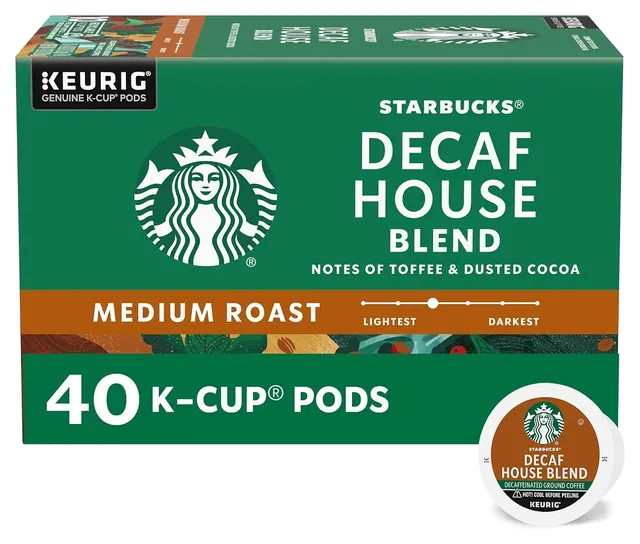
 Starbucks Decaf House Blend
$30
-
4
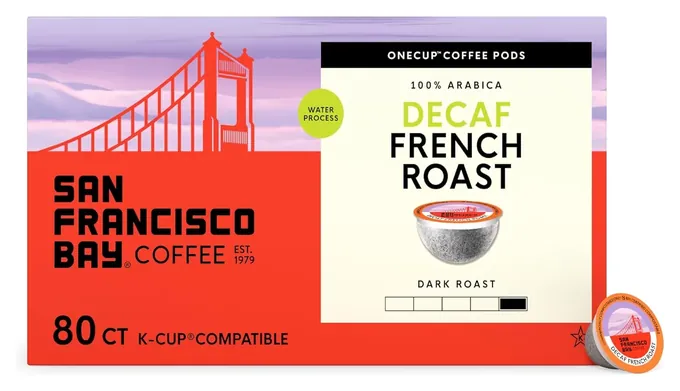
 San Francisco Bay French Roast
$49
-
5
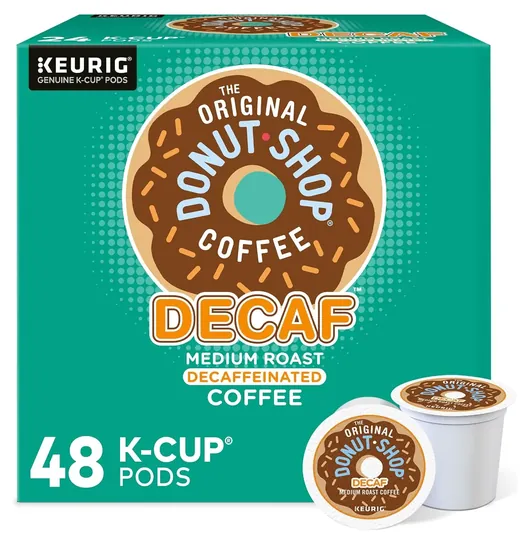
 The Original Donut Shop Decaf
$29
-
6
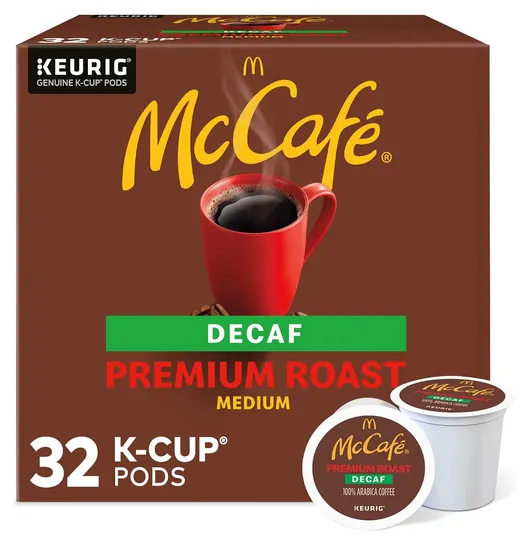
 McCafe Premium Roast Decaf
$18
-
7
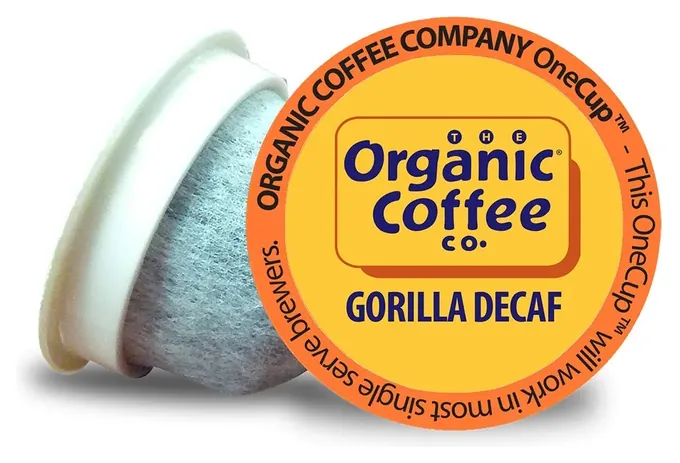
 The Organic Coffee Co. Gorilla
$29
-
8
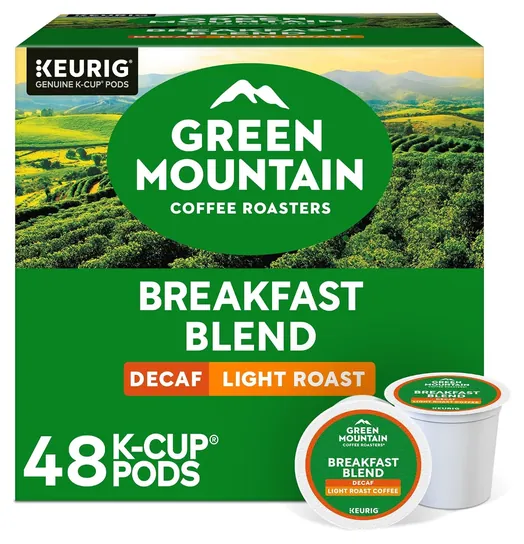
 Green Mountain Breakfast Blend Decaf
$23
-
9
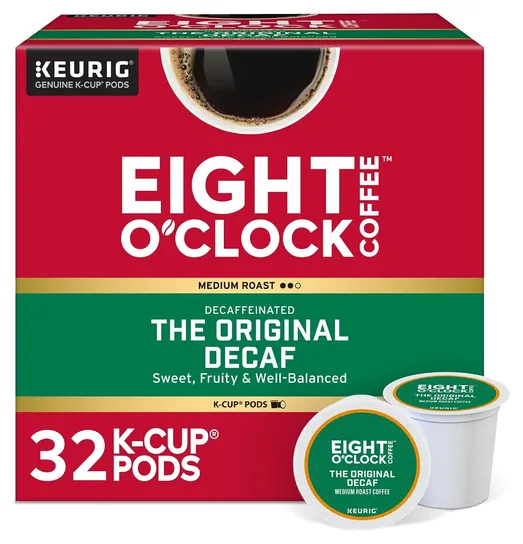
 Eight O'Clock The Original Decaf
$17
-
10
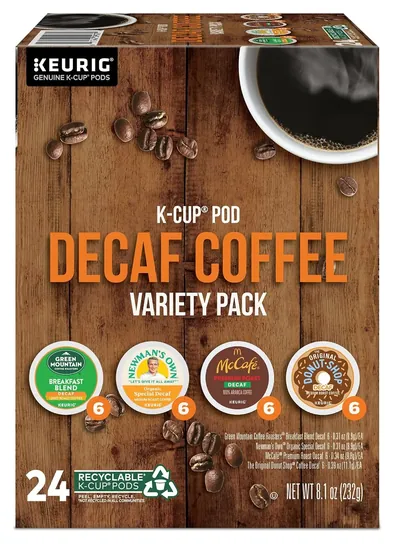
 Keurig Decaf Variety Pack
$15
Editor's Notes
November 1, 2026, by Ezvid Wiki Editors:
Peet's Decaf House Blend takes the top spot. It's a smooth dark roast at a fair price per pod, and Peet's states plainly that every decaf it sells is water processed, which most pod boxes never mention. That question of how the caffeine comes out shaped the whole list, along with taste and how well the pods behave in the brewer.
New this time are Newman's Own Special Blend Decaf, Starbucks Decaf House Blend, Green Mountain Breakfast Blend Decaf and the Keurig Decaf Variety Pack. San Francisco Bay French Roast, The Organic Coffee Co. Gorilla, The Original Donut Shop Decaf, McCafe Premium Roast Decaf and Eight O'Clock The Original Decaf stay, several in current decaf boxes.
We dropped the Crazy Cups variety pack because flavored pods fall outside a plain-decaf list, and Chock Full o'Nuts Midtown because we couldn't find a decaf box for sale. Green Mountain Dark Magic and Barista Prima Italian went too: two dark roasts already cover that taste, and Dark Magic draws repeated complaints about weak lid seals.
No lab or tasting panel has ranked decaf pods head to head, so we weighed each maker's roast and decaf-method statements, the federal limits on decaf solvents, and years of owner feedback on flavor, torn filters and pods that won't pierce.
Earlier notes
November 26, 2020, by Gia Vescovi-Chiordi:
Whether you're avoiding decaf for mental or physical health reasons, want to limit your intake while still enjoying the taste of coffee, or like to mix in java with coffee substitutes, our selections strike a balance between mild everyday options like McCafe Premium to bold choices like Barista Prima Italian. And because it's not always easy to find specialty flavors in decaf, we added the Crazy Cups Variety Pack, a medley of 40 cups that should serve as a dessert lover's dream.
While we hated to say goodbye to Dunkin' Original Blend, there were simply too many complaints regarding defective, exploding pods to ignore. To fill the gap we brought on cult-favorite Chock Full o’Nuts Midtown, which promises a unique flavor without any acidity. People love this one for its traditional diner-style taste that's full-bodied without coming on too strong.
The eco-conscious will be glad to know that many coffee brands are moving to recyclable pods, such as Green Mountain Dark Magic, but we still like that The Organic Coffee Co. Gorilla and newly-added San Francisco Bay French Roast each come in compostable cups that use much less plastic than normal pods do.
For something robust without overpowering, Eight O’Clock Coffee The Original and Peet's House Blend are solid choices, while The Original Donut Shop is an eye-opening roast that pairs well with croissants, donuts, waffles, and other breakfast foods. For a potent after-dinner drink, Barista Prima Italian is the way to go.
June 10, 2019, by Karen Bennett:
K Cups are convenient in that they don’t leave any stray beans or grounds on your countertop, and they’re perfect for those who don’t want to brew a full pot. Some java lovers enjoy their favorite drink all day, but prefer to limit their caffeine to just a couple of cups’ worth. The decaf options that made our list are all full of flavor, and some are even indistinguishable in taste from their caffeinated cousins.
Joining the mix in this update is The Organic Coffee Co. Gorilla, which is certified USDA organic and grown without chemical fertilizers, pesticides, or herbicides. It’s also responsibly shade-grown on bio-diverse farms. It features a unique flavor that’s made up of notes of light citrus and chocolate. It’s made decaffeinated through a natural water process. There’s no plastic to throw away, since the materials are commercially compostable, from the paper lid to the plant-based ring to the mesh filter.
Eight O’Clock Coffee The Original earns its spot thanks to its great-tasting 100% Arabica beans, sourced anywhere from Latin America to East Africa. It’s medium-roasted to deliver the same taste and balanced flavor as the company’s original blend, but without giving you the jitters. For a gluten-free, certified Kosher option, look to the Barista Prima Italian, which is deliciously robust with notes of fruit.
Special Honors
My K-Cup Universal Reusable Filter Keurig's own refillable filter lets you brew any ground decaf, including Swiss Water beans from a local roaster, in most of its K-Cup brewers. It cuts down on pod waste and lowers the cost of each cup. Check that your brewer model is on Keurig's compatibility list before you buy one. keurig.com
Swiss Water Curated Subscription Swiss Water, the company behind the water-only decaf process, runs a decaf subscription for U.S. addresses that ships coffee from its partner roasters as often as every week. You choose light, medium or dark, and the roaster can change from one delivery to the next. Pair it with a reusable filter to brew it in a Keurig. swisswater.com
How The Caffeine Comes Out
For the rest, the box is silent, so if you need to know, ask the maker before you buy.
Caffeine is taken out of green beans before they're roasted, and there are four common ways to do it. The Swiss Water Process uses only water, temperature and time. A carbon dioxide method uses pressurized CO2. The other two use solvents: methylene chloride, the most widely used, and ethyl acetate, often sold as a "natural" process because the compound also occurs in fruit (National Geographic).
Solvent decaf is legal and regulated. Federal rules cap methylene chloride residue in decaffeinated roasted coffee at 10 parts per million (21 CFR 173.255), and independent tests have found levels below that. Some advocacy groups still want the FDA to look again, so it's reasonable to prefer a water method if it matters to you.
The catch is that most pod boxes don't say which method was used. Of the pods here, Peet's says all its decafs are water processed, and San Francisco Bay and its sister brand, The Organic Coffee Co., name a water process. For the rest, the box is silent, so if you need to know, ask the maker before you buy.
Decaf Still Has A Little Caffeine
Decaf is not caffeine-free. The FDA says a typical 8-ounce cup of decaf has 2 to 15 milligrams of caffeine, against roughly 80 to 100 in regular coffee. For most adults that's a rounding error; the FDA's general guide for healthy adults is up to 400 milligrams a day.
If a doctor has told you to avoid caffeine entirely, a pod labeled decaf isn't a guarantee of zero, and several cups add up. Ask your doctor or pharmacist how much is right for you.
Roast, Cup Size And Pod Type
Decaffeination strips some flavor along with the caffeine, so roast matters more than it does with regular coffee. Dark roasts such as a French roast hide that thinness best. Medium roasts are the safest middle ground, and light roasts taste bright but can come across as weak. Whatever you choose, brewing on the smallest cup setting your machine offers, usually 6 or 8 ounces, makes a fuller cup than the largest setting.
Genuine K-Cup pods, the ones with a foil lid and the Keurig name on the box, fit every K-Cup brewer. Compatible pods from other makers, such as the paper-lidded compostable ones, fit most brewers, but some machines struggle to pierce them. Keep any unsealed pods in an airtight bag so they don't go stale.
Keurig's own pods are recyclable where local programs accept the plastic, once you peel off the lid and empty the grounds. Compostable pods certified by the Biodegradable Products Institute need a commercial composting site; they won't break down in a backyard pile. Flavored decaf pods exist too, but this list sticks to plain coffee.
How we researched this
We compared 18 decaf pods from 17 brands, read each maker's roast and decaf-method statements, checked the decaffeination background from Swiss Water, National Geographic and the FDA's residue rule, analyzed years of owner feedback on taste and pod defects, and checked every brand against U.S. Consumer Product Safety Commission recalls. No lab or tasting panel has compared decaf pods head to head.
Sources (9)
- Swiss Water: how the process works
- National Geographic: decaf coffee methods and methylene chloride
- eCFR 21 CFR 173.255: methylene chloride
- FDA: Spilling the Beans, how much caffeine is too much?
- San Francisco Bay Coffee: decaf collection
- Swiss Water: Curated Subscription
- Roasty Coffee: best decaf K-Cups
- Biodegradable Products Institute
- CPSC recalls
Frequently asked questions
Is decaf coffee caffeine-free?
No. The FDA says a typical 8-ounce cup of decaf has 2 to 15 milligrams of caffeine, a small fraction of regular coffee.
How is caffeine removed from decaf coffee?
Before roasting, with water (such as the Swiss Water Process), carbon dioxide, or a solvent such as methylene chloride or ethyl acetate. Federal rules cap methylene chloride residue at 10 parts per million.
Which decaf K-Cups are chemical-free?
Look for a maker that names a water method. Peet's says all its decafs are water processed, and San Francisco Bay and The Organic Coffee Co. use a water process. Most other boxes don't say.
Does decaf taste different from regular coffee?
Usually a little thinner. Dark roasts hide the difference best, and brewing a smaller cup gives more body.
Do K-Cup compatible pods work in a Keurig?
Most do, including newer Keurig models, but some paper-lidded compatible pods can fail to pierce or clog in certain brewers. Genuine K-Cup pods fit every K-Cup brewer.
Can I recycle decaf K-Cup pods?
Keurig's pods are recyclable where local programs take them, once peeled and emptied. Compostable pods need a commercial composting site.